

First plane carrying passengers evacuated from hantavirus-hit cruise ship has left Tenerife
Updates from Tenerife confirm that a small group of Spanish passengers evacuated from the hantavirus-affected MV Hondius cruise ship have departed on a plane bound for the Gómez Ulla Central Defense hospital in Madrid, where they will undergo quarantine upon arrival.
Spanish Health Minister Monica García stated that the evacuation of nearly 150 passengers and crew from the ship will continue until a final repatriation flight to Australia scheduled for Monday. Dr Diana Rojas Alvarez, the health operations lead in Tenerife, reported that approximately 46 individuals disembarked from the MV Hondius today.
Spanish evacuees from MV Hondius arrive in Madrid - AFP journalist
A flight carrying 14 Spanish evacuees from the MV Hondius has landed in Madrid from Tenerife, according to an Agence France-Presse (AFP) journalist. The passengers and crew arrived at Torrejon airbase and will observe quarantine at a military hospital in Madrid.
Meanwhile, 20 British nationals who were passengers aboard the MV Hondius are scheduled to fly back to the UK today from Tenerife. Two additional individuals holding dual nationality will board separate repatriation flights to other countries, according to reports.
The MV Hondius arrived in Tenerife on Sunday morning, with Spanish authorities initiating evacuations by nationality.
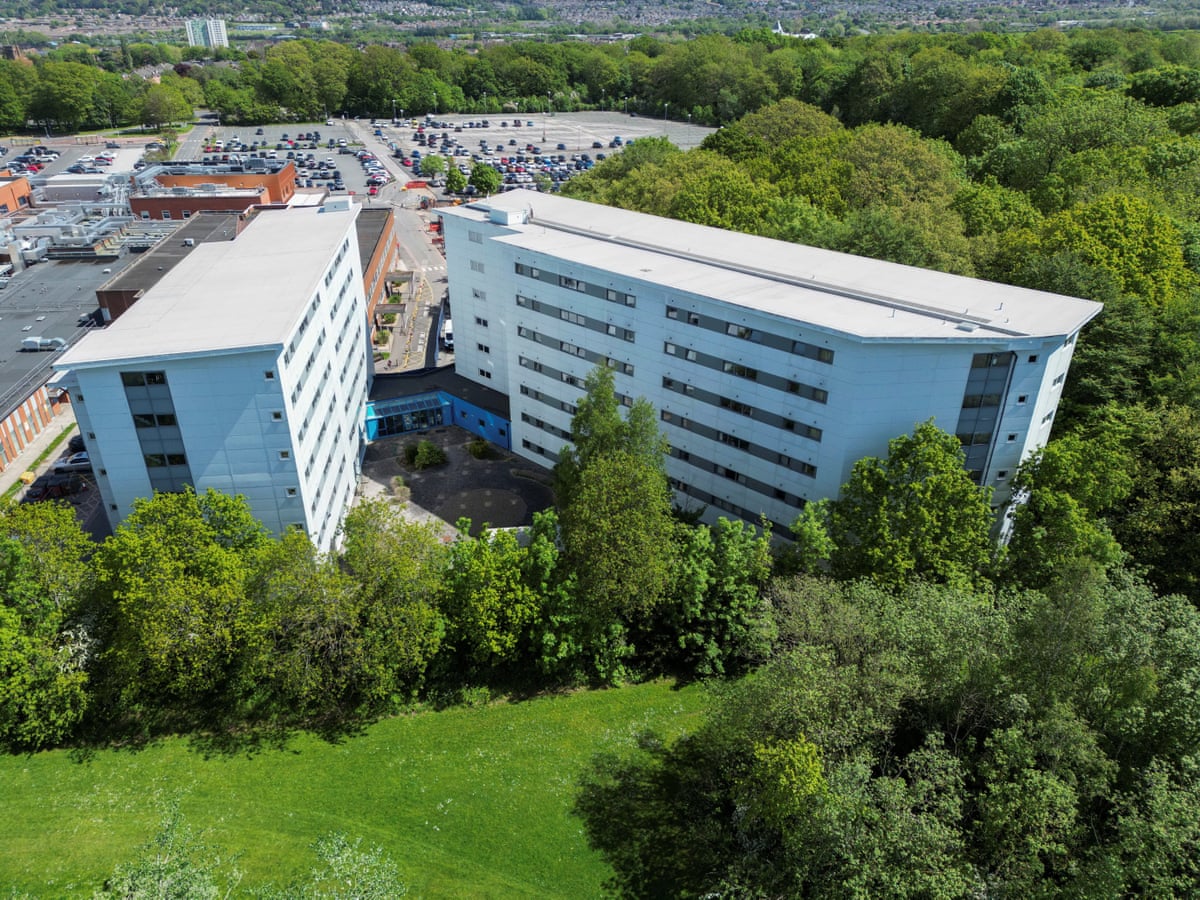
The UK Health Security Agency (UKHSA) confirmed that 22 British passengers and crew will be transferred to an isolation facility at Arrowe Park hospital on the Wirral, Merseyside, after repatriation on a chartered flight.
In the UK, political developments continue as Prime Minister Keir Starmer faces mounting pressure to resign following significant losses in historic local elections. Ongoing updates are available in the UK politics live blog.
Robyn Vinter, ’s north of England correspondent, is currently reporting from Tenerife.
A press conference at the Tenerife port of Granadilla concluded with Javier Padilla, Spanish Secretary of State for Health, outlining the evacuation process. Medical personnel have been conducting temperature checks and health surveys to identify hantavirus symptoms among those on board.
Passengers are provided with plastic ponchos, face masks, and hair coverings, and are escorted in small groups from the ship to the dock, where they board coaches for a 10-minute transfer to the airport. They may carry small personal bags, while the remainder of their luggage remains on the ship for decontamination in the Netherlands.
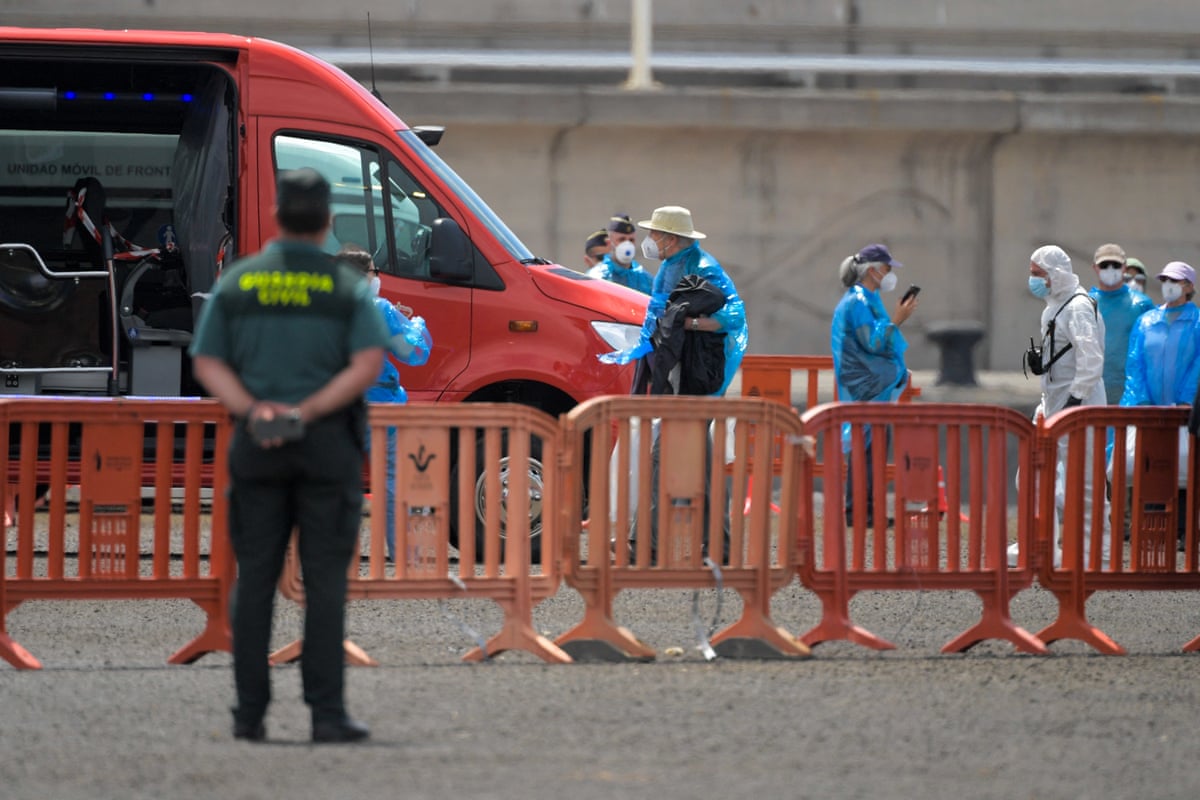
Padilla noted that the UK and US requested additional testing aboard the MV Hondius, which was declined; however, these countries were permitted to conduct tests on passengers once the plane departs the airport.
Individual countries are conducting their own health assessments, including PCR testing for some, such as the UK and Spain. The European Commission and the European Centre for Disease Prevention and Control (ECDC) are working to coordinate efforts to minimize variation among countries, though each nation retains autonomy in its approach.
“But every country has its own confidences.”
Regarding countries like the US opting not to impose mandatory quarantine on their citizens disembarking the ship, Padilla stated it is their prerogative but added,
“I don’t think it’s best practice from a clinical point of view.”
The date of 6 May is being treated as the last contact date for potential exposure.
Upcoming evacuations will include passengers from the UK, France, Canada, and the Netherlands, with those from Turkey, Ireland, and the US expected to depart later today.
British paratroopers lead airdrop onto Tristan da Cunha for suspected hantavirus case
British paratroopers, accompanied by medics and medical supplies, have conducted an airdrop onto Tristan da Cunha, Britain’s most remote overseas territory, following confirmation of a suspected hantavirus case, according to .
A team of six paratroopers and two military clinicians from 16 Air Assault Brigade parachuted from an RAF A400M transport aircraft after a 6,788 km flight from RAF Brize Norton in Oxfordshire to Ascension Island, followed by an additional 3,000 km south to Tristan da Cunha.
Oxygen supplies and other medical aid were also dropped during the operation. The A400M was refueled mid-flight by an RAF Voyager aircraft.
The Ministry of Defence described the operation as the first UK military deployment of medical personnel via parachute for humanitarian support.
The supplies were primarily intended for a British man who was a passenger on the hantavirus-affected cruise ship that docked at Tristan da Cunha between 13 and 15 April. The World Health Organization (WHO) reported that the man exhibited symptoms consistent with hantavirus on 28 April and is currently stable and isolated.
“With oxygen supplies on the island at a critical level, an airdrop with medical personnel was the only method of getting vital care to the patient in time,”
the Ministry of Defence stated.
Tristan da Cunha, home to approximately 200 residents, is located midway between South Africa and South America. It is the world’s most remote inhabited island, over 2,400 km and a six-day boat journey from St Helena, its nearest inhabited neighbor. The island typically relies on a two-person medical team and is accessible only by boat due to the absence of an airstrip.
Ship to make further stop in Tenerife before heading to Rotterdam, says operator
Oceanwide Expeditions, the operator of the MV Hondius, released details regarding the ship’s itinerary following the completion of the evacuation.
According to their statement, after all guests and a limited crew have disembarked, the MV Hondius will resupply at Santa Cruz, Tenerife, before proceeding to the port of Rotterdam in the Netherlands with the remaining crew on board. The transit to Rotterdam is expected to take approximately five days.
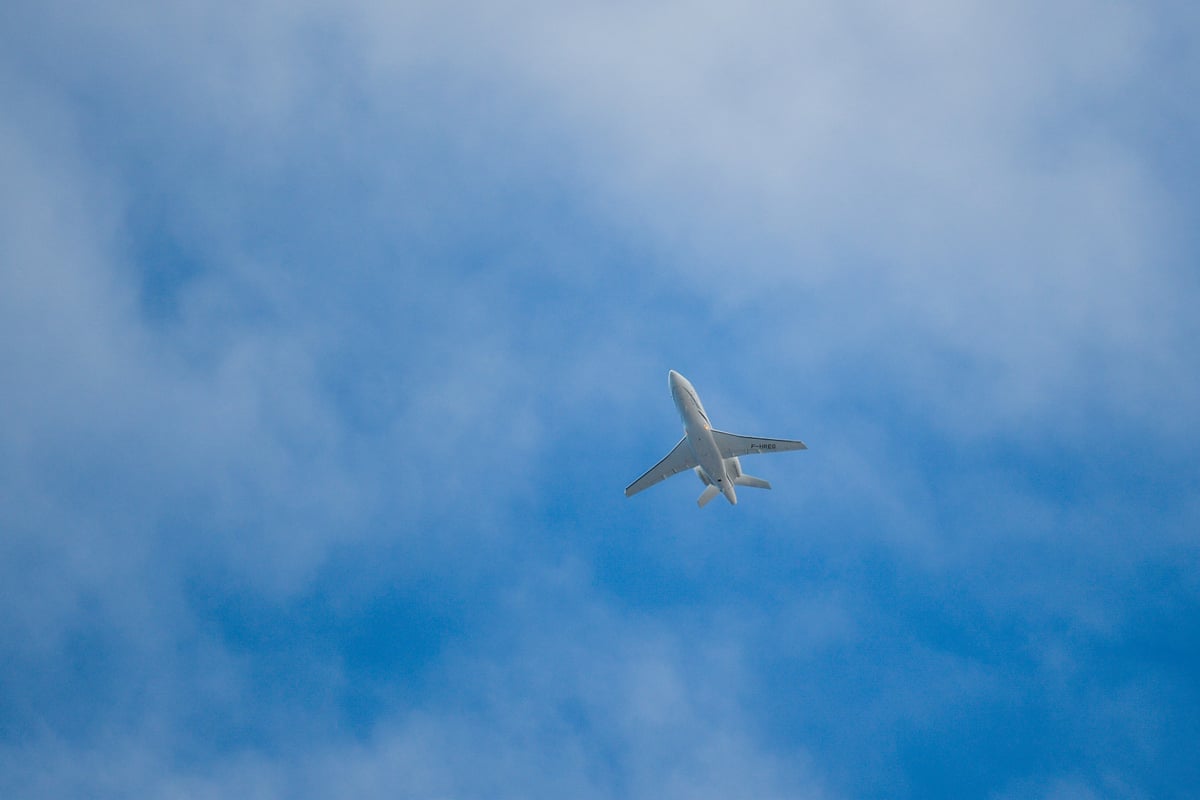
Five French passengers from the hantavirus-affected cruise ship have boarded a special medical flight from Tenerife en route to Paris. The flight departed Tenerife around noon local time.
Nicolas Pillerel of the French embassy was present in Tenerife to oversee logistics. He informed the French public broadcaster FranceInfo that the foreign office crisis center organized the special flight with medical personnel on board to transport the five individuals to an airport near Paris.
The passengers will be hospitalized for 72 hours for testing and monitoring in accordance with World Health Organization guidelines. Following this period, they will return to their homes in France and undergo a 45-day isolation period under strict monitoring by French health authorities.
French Prime Minister Sébastien Lecornu convened a special meeting of ministers and health officials in Paris this afternoon to discuss the situation.
Russian President Putin comments on Ukraine conflict and European security
Russian President Vladimir Putin stated yesterday that he believes Moscow’s full-scale invasion of Ukraine is nearing its conclusion.
“I think that the matter is coming to an end,”
Putin told reporters following a scaled-back military parade in Moscow commemorating the Soviet victory in World War Two, referring to the “special military operation” in Ukraine.
He indicated willingness to negotiate new European security arrangements, naming former German Chancellor Gerhard Schröder as his preferred negotiating partner. Schröder served as chancellor from 1998 to 2005 and is known for his close friendship and business ties with Putin.

Germany responded to Putin’s proposal with skepticism. An official told that the offer was not credible as Russia had not altered its conditions. The official noted that a key test would be whether Moscow extends the three-day ceasefire set to expire tomorrow, and characterized Putin’s proposals as unserious attempts to divide the western alliance.
German Chancellor Friedrich Merz recently announced the cancellation, at least temporarily, of a planned visit to the US, originally announced by former President Joe Biden.
Merz’s criticism of the US-Israeli approach to Iran, including his suggestion that the US was “humiliated” by Iranian negotiators, has strained relations between Berlin and Washington.

US Pentagon officials have expressed concern over the firing of more than 850 Tomahawk cruise missiles in the first four weeks of conflict with Iran, prompting internal discussions about increasing missile availability.
Germany revives effort to buy US Tomahawks - report
Germany is renewing efforts to acquire Tomahawk cruise missiles from the United States, according to reports.
German Defence Minister Boris Pistorius is reportedly planning a trip to Washington to revive Germany’s offer to purchase long-range missile systems, initially submitted last July. The US has yet to respond to this proposal.
The visit depends on Pistorius securing a meeting with his US counterpart, Pete Hegseth, according to the Financial Times. A government insider emphasized the importance of acquiring strike capabilities in Germany.
Tomahawk land-attack missiles, first used in combat in 1991, are long-range, guided cruise missiles typically launched from sea platforms to engage deep-strike targets.
The Financial Times report notes that no European ground-launched long-range missile systems are currently available. The acquisition of Tomahawk missiles, along with mobile Typhon launchers also sought from the US, would enable the German armed forces to strike targets hundreds of kilometers deep into enemy territory if necessary.


