

Staff Describe Maternity Unit as Unsafe During Inspection
Staff at Scotland's largest hospital, the Queen Elizabeth University Hospital (QEUH) in Glasgow, reported the maternity unit's conditions as "unsafe" and "dangerous" during an inspection conducted by Healthcare Improvement Scotland (HIS), the NHS watchdog.
Healthcare Improvement Scotland mandated the hospital to implement 26 improvements, including addressing delays of nearly eight days to induce labour, which increased risks for mothers and babies.
Dr Mary Ross-Davie, director of midwifery for NHS Greater Glasgow and Clyde (NHSGGC), issued an apology to women who experienced delays in their care and stated that improvement measures had been developed in response to the report's findings.
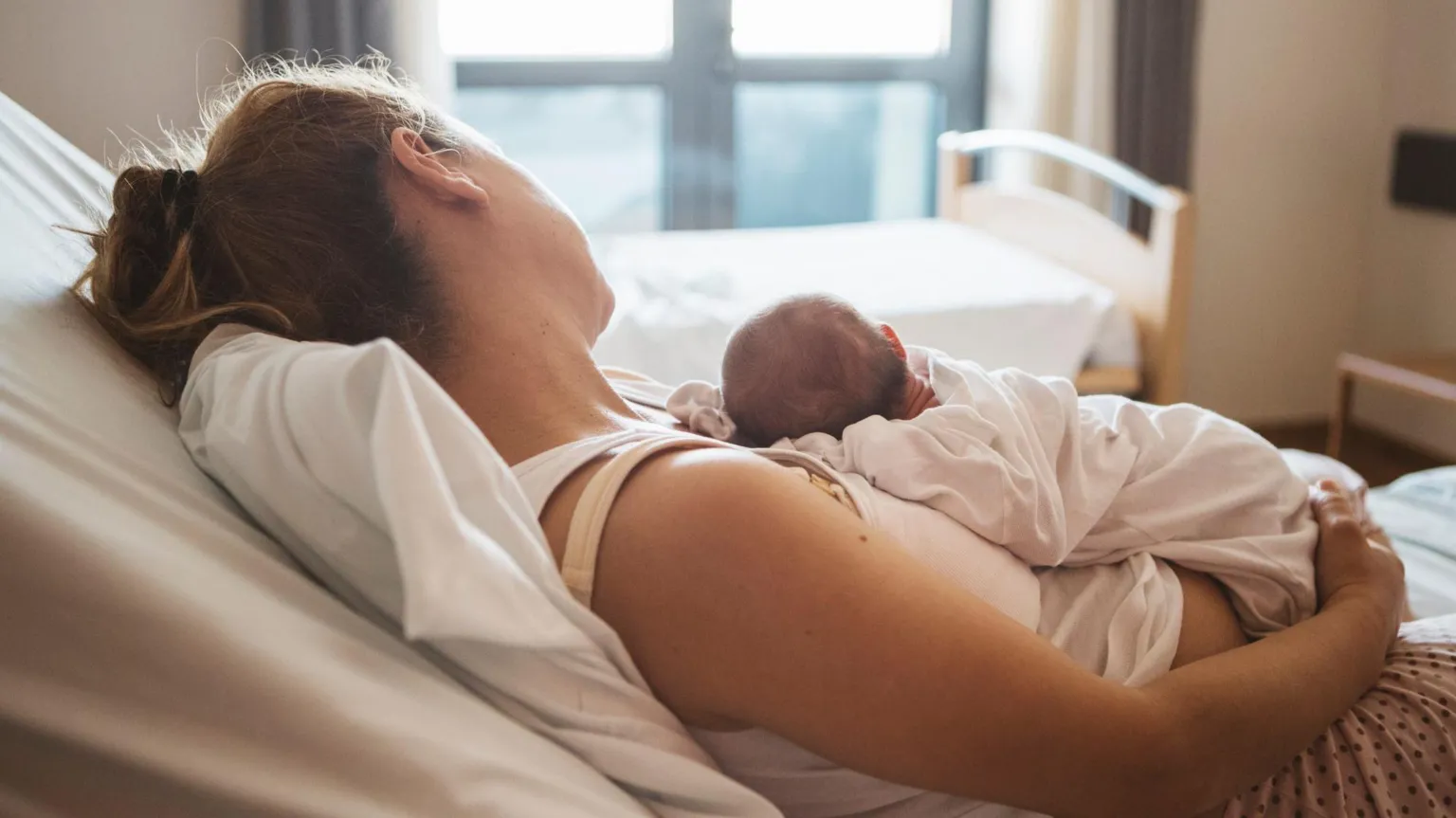
Concerns Raised Over Cleanliness and Incident Management
Inspectors also expressed serious concerns regarding ward cleanliness and the handling of patient safety incidents. Reviews of care failures were not consistently conducted properly.
The unannounced visit to the QEUH maternity ward in January marked the seventh inspection by the NHS safety watchdog.
Following an independent review prompted by spikes in neonatal deaths, inspections of all 18 obstetric units across Scotland were ordered in 2021.
The Scottish government committed to a national review of maternity care after a BBC Disclosure investigation highlighted calls from families, NHS staff, and experts for urgent safety improvements.
Staff Experiences and Ward Capacity Issues
During the QEUH visit, HIS heard from staff who described their working conditions as "unsafe" or "dangerous" in incident reports. Despite these challenges, staff endeavored to provide kind and respectful care to increasingly complex patients. Some staff became tearful during discussions with inspectors.
Inpatient wards were regularly operating at 7% to 13% over capacity.
The report noted that issues with the skill mix of midwives complicated the provision of safe maternity care and patient safety maintenance.
Staff suggested that women might have had better birth experiences if appropriate care had been delivered without delay.
Some staff raised concerns about a lack of "civility" between teams under stress and managers who were unaware of "the reality of daily pressures."

Additional Issues Highlighted in the Report
Inspectors noted that serious adverse event reviews had not been commissioned following some safety incidents, including cases where mothers required intensive care.
Some incident reports were closed before women had given birth, despite potential impacts from delays on mothers or babies.
HIS instructed the health board to improve the timeliness of reviews to promptly identify immediate patient safety concerns and implement measures to address them.
Comments from Healthcare Improvement Scotland
Melissa Dowdeswell, director of nursing for HIS, emphasized the risks to patients when "the fundamentals of care" are not met.
"Staff described that they felt they were overwhelmed," she said. "They weren't always able to take a break, and obviously we do know that staff wellbeing is an important factor in patient safety."
Delays in Triage and Labour Induction
The inspection found that the triage area, where women initially present to maternity services, experienced delays of up to 42 minutes before being seen by a doctor.
On the day of the first visit, induction of labour was delayed by approximately 21 hours due to staffing and capacity pressures. Over the preceding six months, the longest delays exceeded 100 hours, reaching up to 190 hours.
Delays were also reported in accessing the labour ward, providing one-to-one midwifery care, and transferring women being induced within the labour ward.
Dowdeswell noted that such delays have been a recurring theme in other HIS inspections.
"There are different complexities, and each mother and baby have got different clinical needs," she said. "But what we do know is that delays are not acceptable."
She added that national efforts are underway to address delays in maternity care.
Response from NHS Greater Glasgow and Clyde
Dr Ross-Davie stated:
"We are sorry that some women have experienced delays in accessing care in our labour wards. Improving this is a priority for us, and we are continuing to develop new pathways to reduce waiting times."
She affirmed that providing good care remains the "absolute priority" and noted that 55 additional midwives are expected to join the team by October.
Government Reaction and Next Steps
Health Secretary Angela Constance said she took the report's findings "very seriously" and had met with the health board's chief executive, expecting immediate action on the report's recommendations.
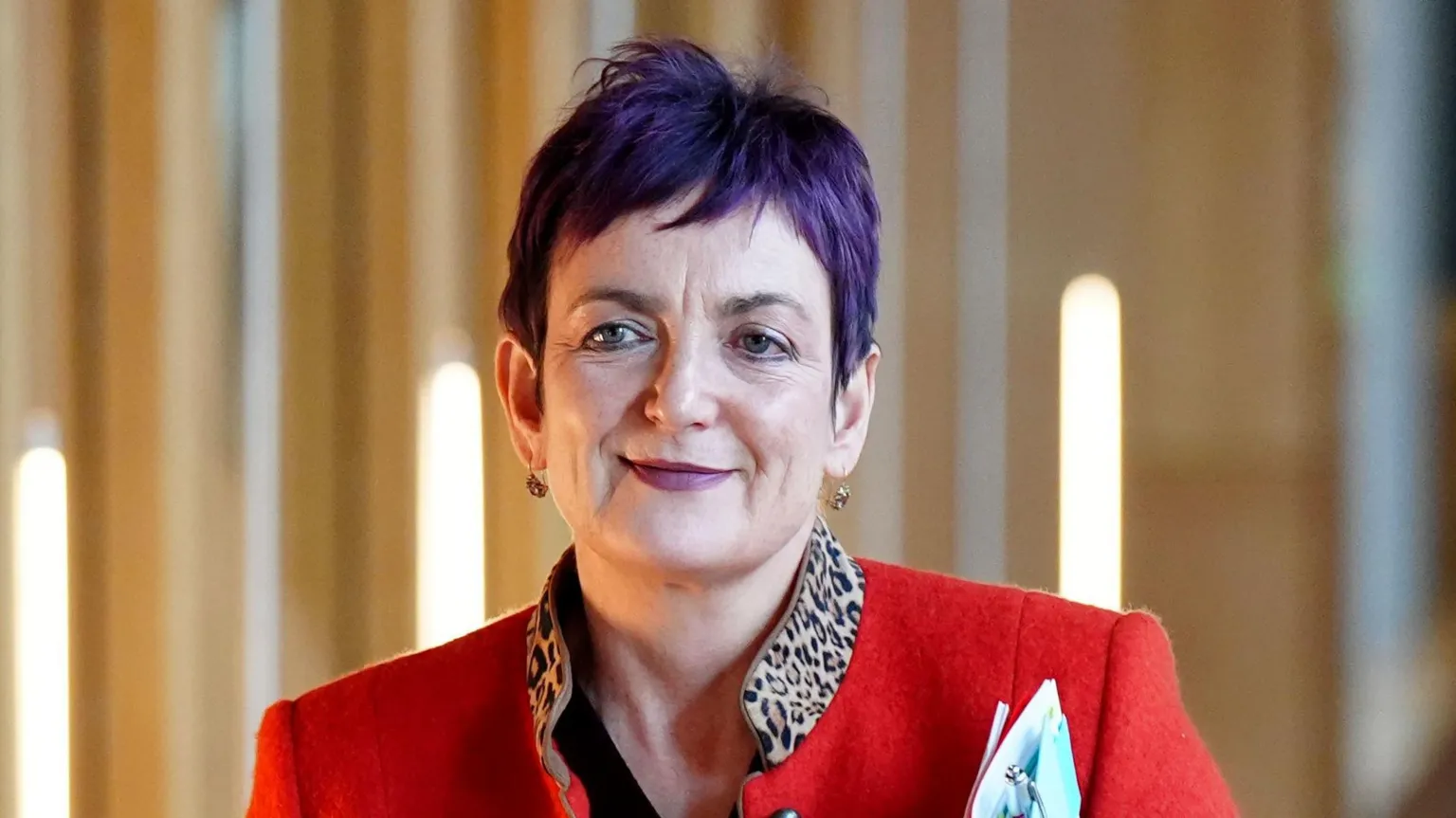
She added:
"I also expect all NHS boards to take note of this report and findings and to identify opportunities for local improvement, including the areas of good practice.
The findings of this report, and the wider HIS inspection programme, are informing the approach we will take to the forthcoming independent review of maternity services."


