

Personal Experience of Hair Loss
I vividly remember the moment my hair began to fall out.
I was kneeling over a bath, washing it in a hotel room one Saturday evening, preparing for my friend's 40th birthday celebration. Seventeen days earlier, I had undergone the first of six chemotherapy sessions to treat my breast cancer, but until then, no hair loss had occurred.
I had convinced myself I might be among the fortunate ones.
However, as I held the showerhead over my head, the stream of water suddenly turned dark, as long strands of brown hair gathered around the plug hole in front of me. There was nothing I could do to stop it.
"Oh wow," I said to myself, because I honestly hadn't expected it.
During chemotherapy, I wore a cold cap — a freezing helmet designed to help preserve hair during treatment. I was informed it did not work for everyone.
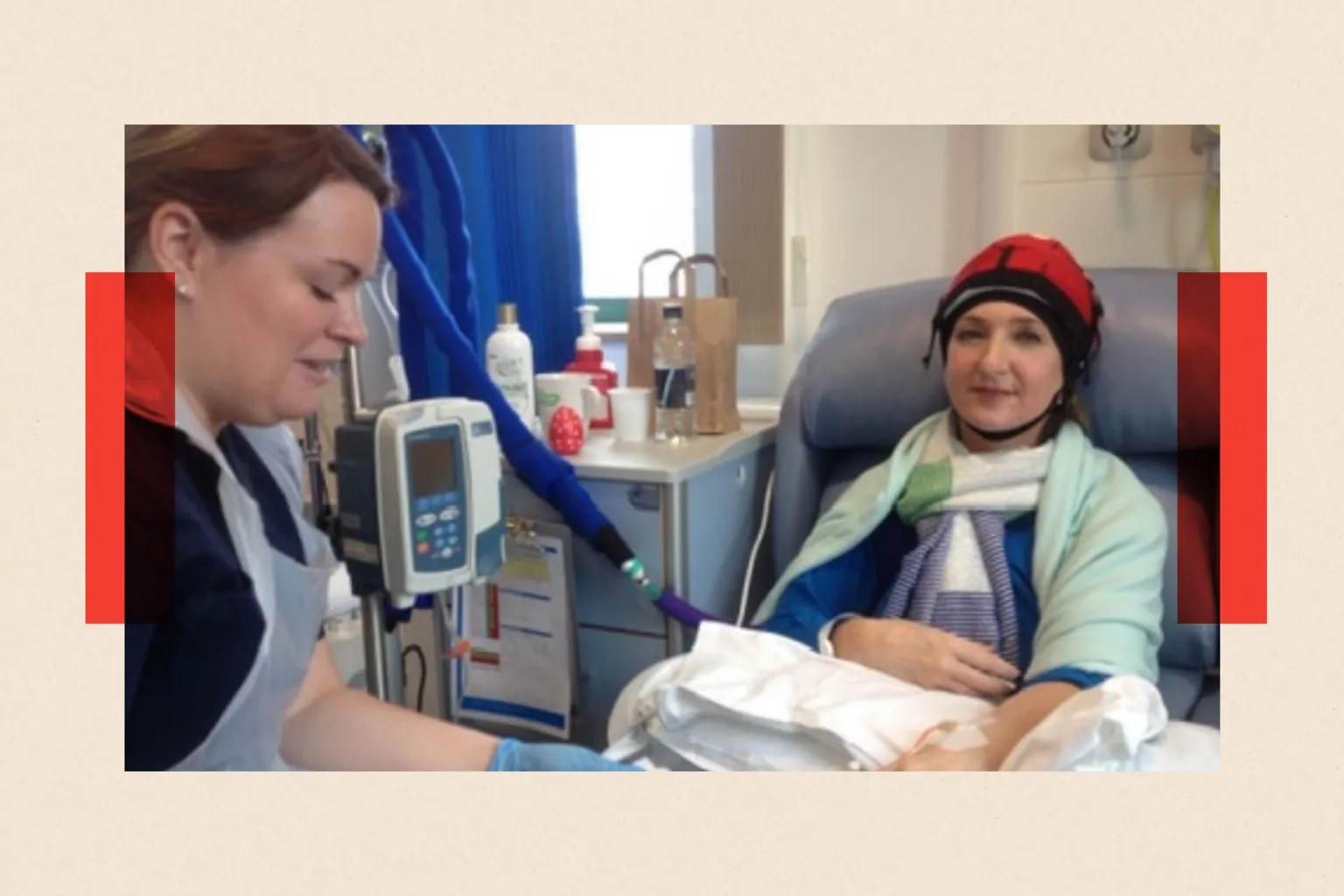
It may sound dramatic, but for me, losing my hair was worse even than losing a breast through a mastectomy. Why? Because without my hair, I wasn't myself. I had not realized until then that my hair was part of my identity.
Now, scientists in Japan believe they may be closer to changing the reality of hair loss for millions of people.
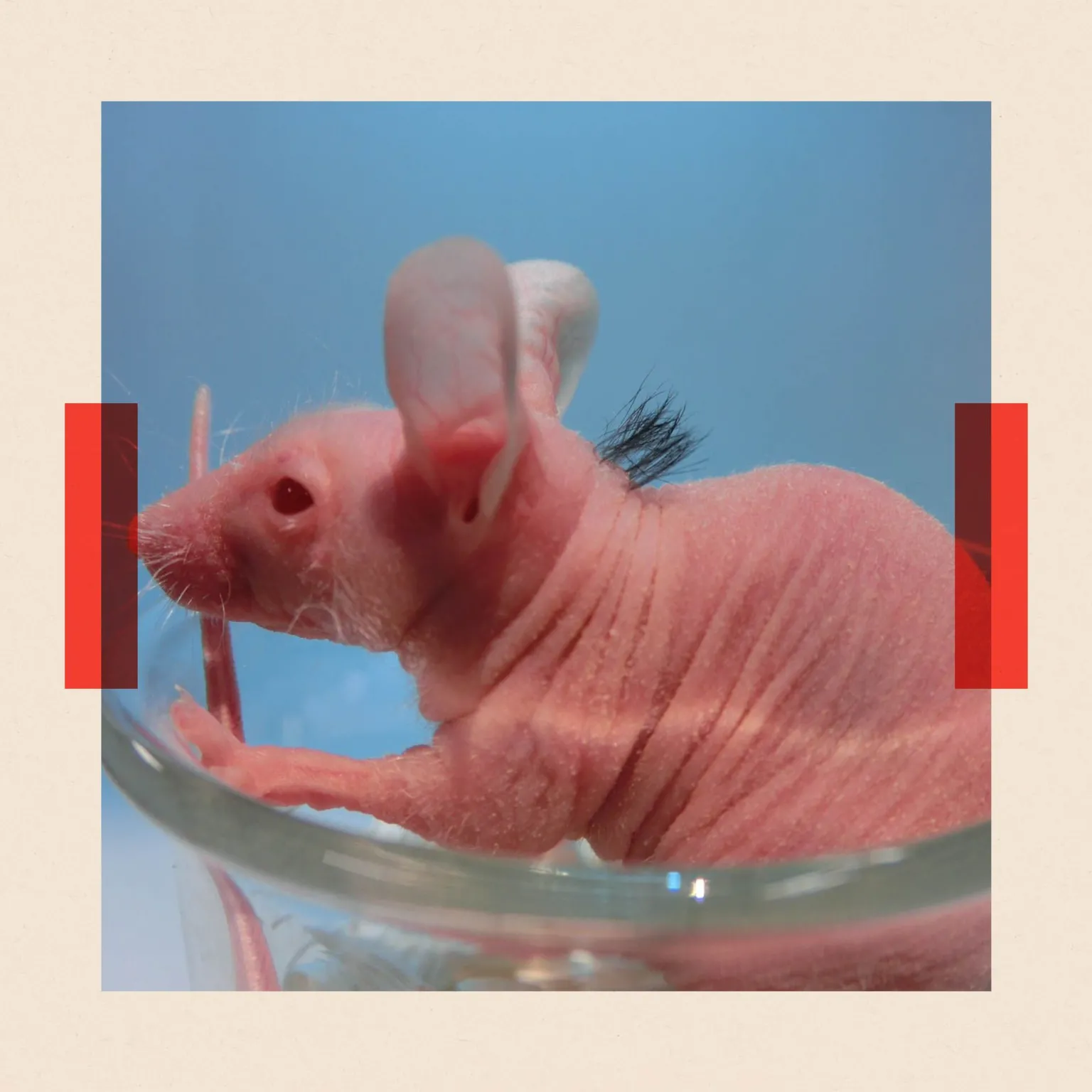
In what researchers describe as a "major breakthrough," a team led by Professor Takashi Tsuji reports having recreated the full cycle of hair growth in mice — allowing hair to grow, fall out, and grow back naturally. While transplanted hair can already grow, replicating follicles that behave like natural hair — repeatedly growing, shedding, and regrowing over time — has been far more challenging.
For women experiencing hair loss due to cancer treatment, alopecia, or aging, breakthroughs like this suggest a possibility once considered impossible: reversing hair loss.
Hair loss affects millions globally, with studies indicating approximately one-third of women will experience it at some point. So why is the emotional impact often underestimated, and what does our reaction to hair loss reveal about identity, control, and self-perception?
Hair Across History
Throughout history, hair has rarely been just hair.
In Ancient Egypt, pharaohs and noblewomen wore elaborately braided wigs to signify power. In the Middle Ages, women's long hair became associated with femininity and virtue. Men in the 17th century wore the "periwig" — long, voluminous artificial curls — to denote wealth and high social status. By the 1920s, women with bobbed hair symbolized female independence and rebellion.
"Hair shapes our identity," says psychiatrist Sylvia Karasu. "It is a biological, physiological and social marker of stages of our life."
Hair is often the first thing we notice about others.
"It's a way you can often tell gender, race and religion. It's so much tied with identity that it ends up being quite significant in terms of how we categorise people,"she adds.
Hair is also linked to dignity. The forcible removal of hair has historically been used to strip identity and humanity. In German concentration camps, Jewish people had their heads shaved and were dressed in prison uniforms. After France's liberation in 1944, thousands of women accused of collaborating with German occupiers had their heads shaved publicly as punishment and humiliation. One of the most famous images, Robert Capa's The Shaved Woman of Chartres, depicts a young mother walking through a jeering crowd with a swastika painted on her forehead.
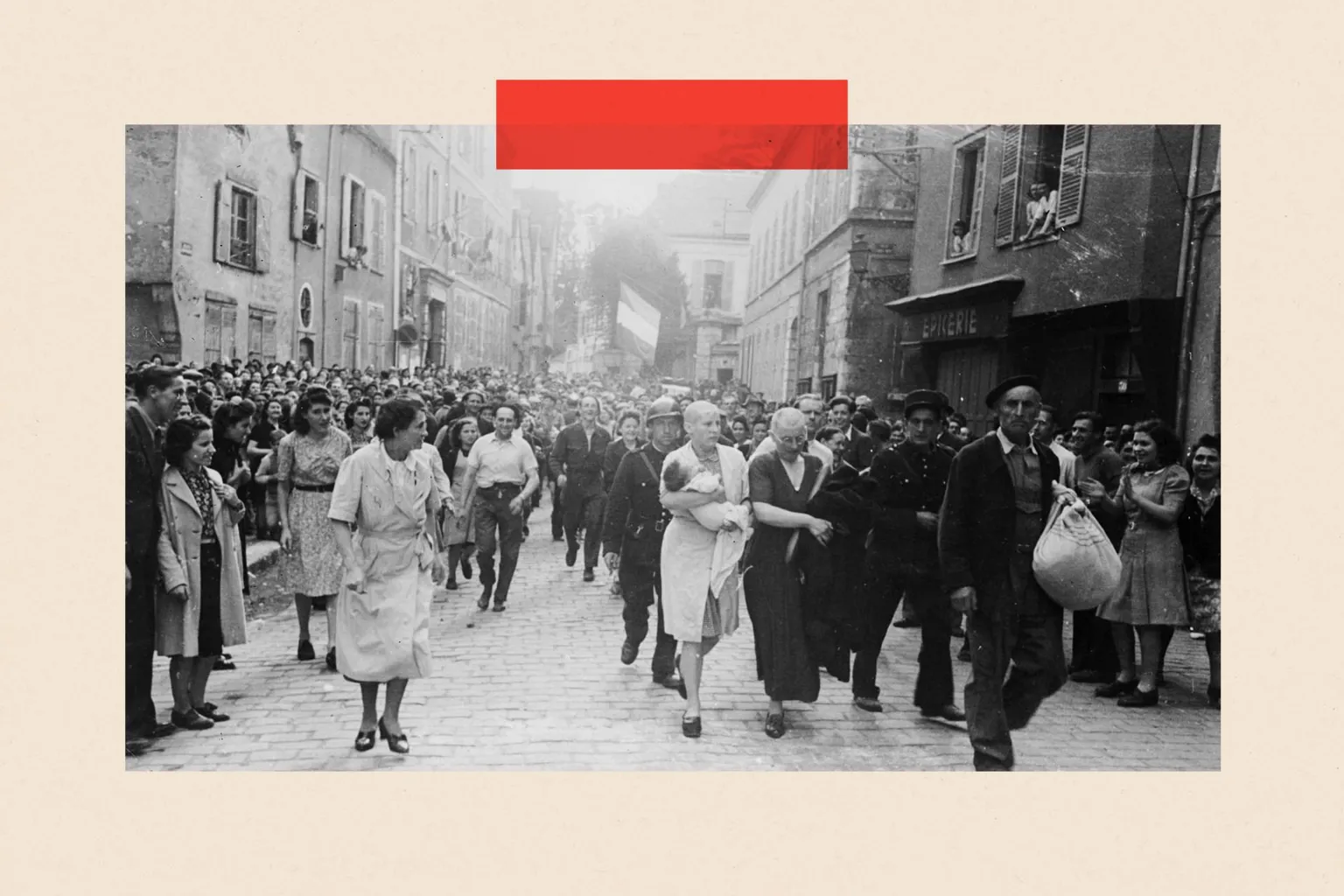
Given the social and emotional significance of hair, it is unsurprising that scientists have long sought to understand why hair loss can be so devastating and whether it might one day be reversible.
"It's Not a Vanity Thing"
For my podcast with the Future Dreams charity, And Then Came Breast Cancer, I interviewed women about their relationship with hair. Consistently, women emphasized it was not about vanity.
Hairdresser Nicky Elkington shared her determination not to lose her hair during chemotherapy.
"It's not a vanity thing… and I think people think that, but it's your identity and I didn't want to look like I had cancer,"she said.
School nurse and mother of two, Natasha Anderson, recalled enjoying experimenting with her hair while growing up — "one week having a big afro, then having hair extensions," she remembers.
"It wasn't just hair, it was my culture,"she said.
Facing the prospect of losing her hair through chemotherapy, she asked her brother to shave it off for her.
"I felt liberated when it was being shaved,"she said.
"I had taken control of the situation… it was more painful and upsetting seeing it just falling out."
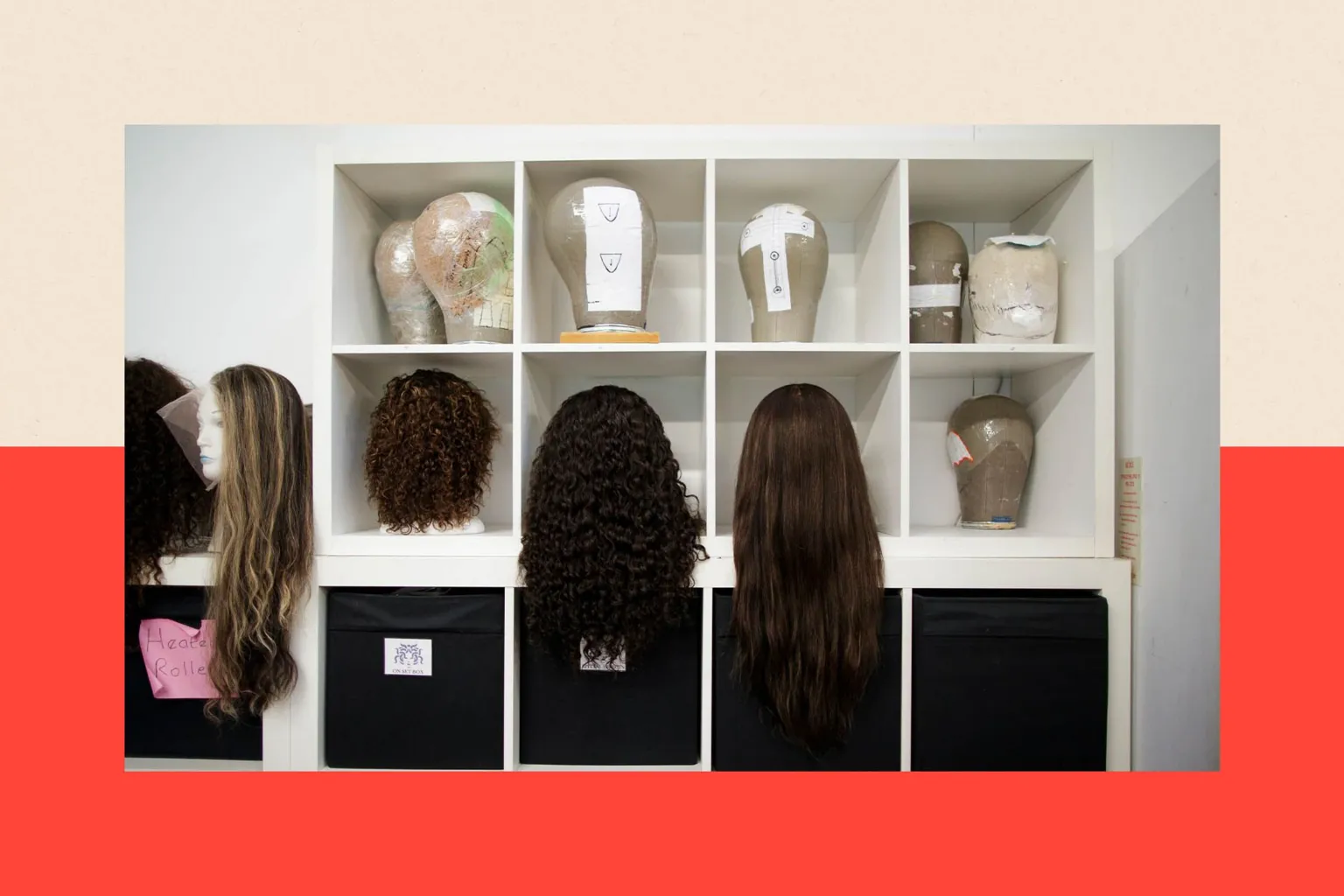
One of the hardest aspects of cancer is the lack of control over diagnosis, treatment, and side effects. For some women, choosing to shave their hair before it falls out becomes a way to regain some control.
During my treatment, I was surprised by how often concerns about hair loss were dismissed as superficial.
"Why are you worried about your hair? You're alive."It is a legitimate question. Yes, I was fortunate to survive. But surviving illness and grieving the loss of part of your identity are not mutually exclusive.
As Sylvia Karasu explained, losing hair is often a
"marker of being a sick person."
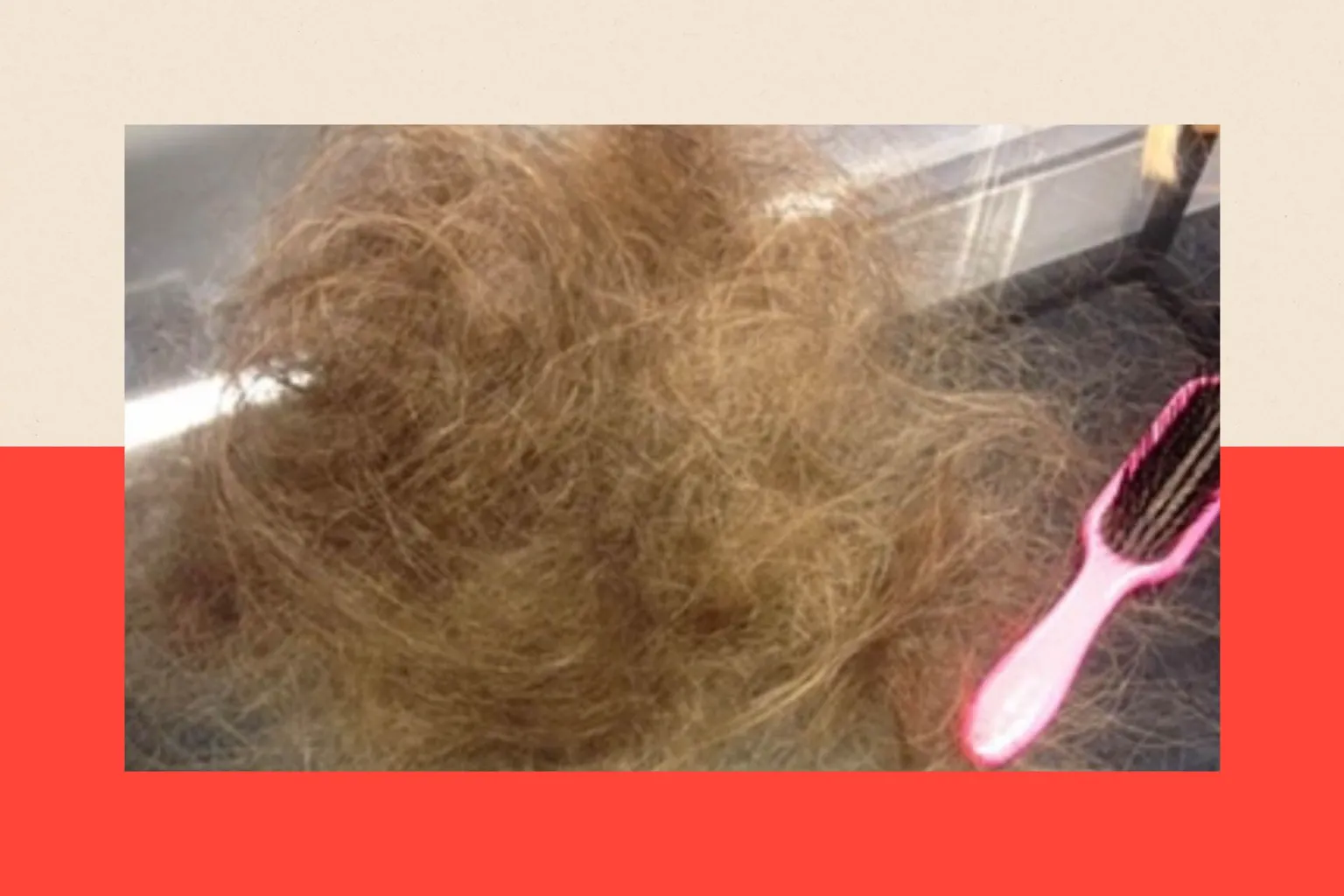
Between 50% and 75% of my hair fell out during chemotherapy.
It was deeply dispiriting. I recall sitting in a wig salon in Richmond as the owner, Amy Holt, gently brushed through my tangled hair falling out in large clumps. I just cried.
Diane Trusson, a medical researcher at the University of Nottingham, described hair loss on top of a cancer diagnosis as
"a double whammy."
"You've been told you've got cancer and then you start the treatment and then you've got this brutal thing to happen and it changes the way people see you. It's just that extra thing to deal with on top of having surgery and quite horrible treatments."

For me, obtaining a wig was important. I continued presenting a daily TV news programme and did not want viewers distracted by a bald head or a scarf. A wig was the best option.
Amy made one for me using real hair donated or sold by women. Seeing the wig for the first time was surreal.
It resembled my own hair in color, cut, and length. My emotions fluctuated — one moment tears, the next elation at being able to maintain my daily routine.
Why Science Still Struggles
Scientists still do not fully understand the biology of hair loss.
Claire Higgins, professor of tissue engineering at Imperial College London, notes that research into hair loss has struggled to receive funding and attention, especially regarding women.
"The women side is definitely under researched,"she says.
Much research has focused on male hair loss, partly because men are more likely to undergo hair transplant surgery, making scalp samples more accessible.
"Men and women are often tackled the same because people assume it is the same, but I don't think it should be,"Higgins explains.
Large genetic studies on male pattern hair loss, characterized by a receding hairline and crown thinning, have identified several related genes — but all studies involved men.
More recently, German researchers investigated the genetics of female pattern hair loss, which typically involves hair loss at the top of the head. Scientists expected some gene overlap with male pattern hair loss.
"But there wasn't,"Higgins says. The findings suggest male and female hair loss may have different causes, though these remain uncertain.
"We know cells are lost in the follicles but we don't know if they die or just migrate away. We know very little about the mechanism of why [hair loss] occurs."
A New Hope for Hair Loss
This is why Professor Tsuji's work in Japan is significant. His team believes they have identified a missing piece of the puzzle.
Scientists long believed two key cell types were responsible for hair growth: epithelial stem cells, which create hair follicles, and dermal papilla cells, which signal hair growth.
These cells cannot grow hair in a lab, only when transplanted into skin connected to underlying tissue.
Tsuji's study identified a
"novel third cell type,"called a hair follicle regenerative-supporting cell.
Crucially, this new cell could bring scientists closer to growing hair in a lab.
"In simple terms,"Tsuji says,
"our study identified a [cell] which supports the development, growth and regeneration of hair follicles."
Tsuji describes the findings as
"a major breakthrough,"potentially transformative for alopecia treatment.
Claire Higgins, not involved in the study, agrees it is significant. Previous research has only created partial hair follicles in the lab.
"No one had managed to get fully cycling hair follicles like this before,"she says.
"That's a really big step."This means follicles were able to repeatedly grow, shed, and regrow hair as natural hair does.
The study was conducted on mice, primarily using cells from their whiskers. Applying these findings to humans remains challenging due to the complexity of human hair growth.
Nevertheless, Tsuji remains optimistic.
"We believe we are now much closer than before."
A Sign of Hope
Last year, I saw a social media post featuring a close-up photo of Catherine, Princess of Wales, at an event. The caption read simply, "that's a bad wig." I found it particularly cruel and upsetting.
No one knows what cancer treatment she may have undergone, whether she lost her hair, or whether she wore a wig. If someone had said that about me during chemotherapy, I would likely have wanted to hide indoors.
Hair loss due to illness is not a choice; it is imposed. That is why it was so difficult for me to accept.
Hair is never just hair.
For many, it represents identity, privacy, control, and confidence. So forgive me when I say that is why hair matters so much.
Additional reporting: Florence Freeman
BBC InDepth is the website and app home for the best analysis, offering fresh perspectives that challenge assumptions and deep reporting on major issues. Emma Barnett and John Simpson present their selection of thought-provoking deep reads and analysis every Saturday. for the newsletter here.



