

1. Don't sweat over protein intake
As temperatures rise above 30C (86F) in parts of the UK this week, many people prefer to avoid using the oven. Cooking during hot weather can be unappealing, and appetite often decreases.
Should dietary habits change during a heatwave? Nutrition experts offer guidance.
"There's no need for more protein in a heatwave," says Aisling Daly, senior lecturer in nutrition at Oxford Brookes University.
Most protein sources such as meat, chicken, and fish require cooking, which can be discouraging in hot conditions. Even outdoor barbecues may feel too warm.
The air fryer offers a practical alternative. Cooking a chicken leg or a potato in this countertop appliance uses less than half the energy of a conventional oven, according to Radio 4's Sliced Bread. Its smaller size and faster cooking time also reduce heat emission in the kitchen.
Experts also recommend considering the slow cooker, often stored away in cupboards. Despite longer cooking times, slow cookers are generally more energy efficient and emit less heat than air fryers.
However, digesting protein generates more body heat than other macronutrients due to the energy required by the stomach, intestines, and liver to break down these complex molecules.
Consequently, consuming a steak may increase perspiration. Instead, fruit, vegetables, and carbohydrates are easier to digest and may be preferable during hot weather.
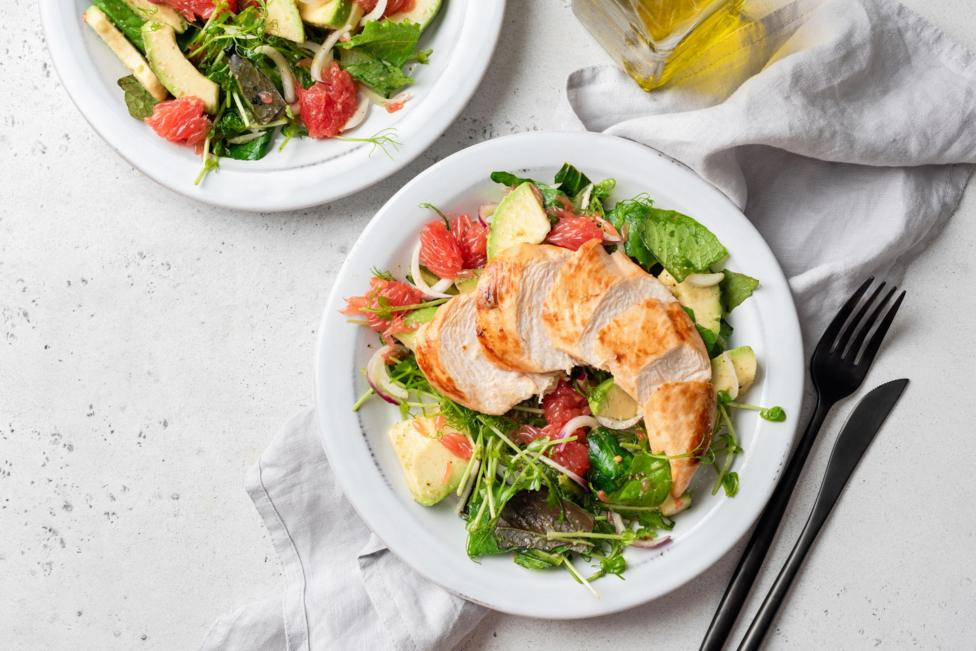
Dr Daly suggests pre-cooked meats, bean salads, eggs, and ample Greek yoghurt (including frozen varieties) as suitable options.
Blending fruit, vegetables, and yogurt into a smoothie, with added peanut butter for protein, can provide a balanced and nutritious meal that is easy to consume.
Lighter fish such as tuna, salmon, or prawns are also recommended. Vegetarians can obtain protein from lentils, nuts, milk, tofu, and cheese.
2. Eat your water
Heat causes increased sweating, leading to water loss that must be replenished to prevent dehydration.
The NHS typically recommends six to eight glasses of fluid daily, but requirements may increase during a heatwave.
"There is no single amount that suits everyone, because how much fluid your body needs depends on lots of factors like your age, body size, activity levels and health status," says Dr Charlotte Mills, food and nutrition scientist at the University of Reading.
Hydration needs are higher for athletes, pregnant and breastfeeding women, among others.

Rehydration involves more than just drinking fluids.
"We need to eat our water as well as drink it," says Dr Daly, "80-90% of fruit and vegetables are full of water."
Vegetables and fruits with over 90% water content include cucumber, tomatoes, lettuce, celery, watermelon, and strawberries.
Items containing 80% to 89% water include apples, carrots, cooked broccoli, pears, oranges, grapes, and pineapple.
In comparison, boiled eggs have 75% water, digestive biscuits only 2.8%, cheese and tomato pizza 38%, and takeaway chips 51% water.
For those feeling parched, incorporating water-rich foods into meals can aid hydration.
3. Check your urine
Monitoring urine color can help assess hydration status.
Pale yellow urine indicates adequate hydration. Darker hues such as orange or dark brown suggest the kidneys are conserving water due to insufficient intake.
Dehydration signs include fatigue and difficulty concentrating. Heat exhaustion can escalate to heatstroke, a medical emergency requiring prompt attention.
4. Yes, hot drinks can cool you down
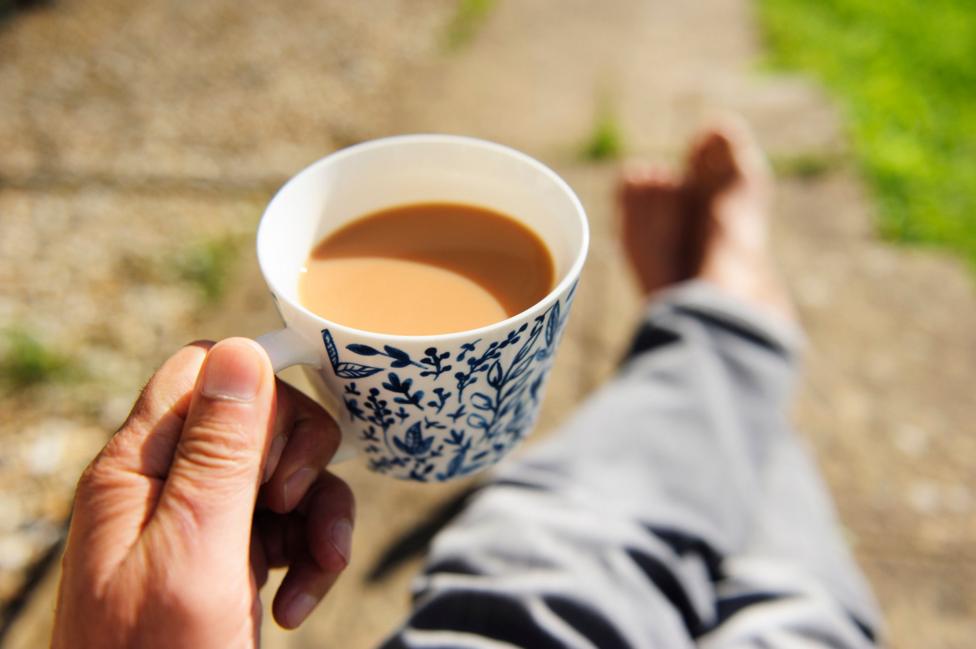
Contrary to common belief, warm or room-temperature drinks can cool the body as effectively as cold beverages.
"Warm or room-temperature drinks are just as good as cold ones for cooling you down," says Dr Daly.
Research indicates that after consuming a hot drink, the body sweats more rapidly to dissipate heat, whereas cold drinks cause slower sweating. The body aims to maintain a core temperature near 37 degrees Celsius.
Therefore, hot tea does not necessarily accelerate cooling, but maintaining hydration is essential regardless of drink temperature.
Enjoying coffee is acceptable, though excessive caffeine intake can increase urine production and contribute to dehydration.
Matcha contains more caffeine than tea but less than regular coffee.
Dr Daly notes, "One or two coffees a day should make little difference to your hydration levels - but five or six will start to have an effect." Alcohol consumption also promotes dehydration.
Adopting a southern European daily routine may help manage heat: an early breakfast, an afternoon siesta during peak heat, and a late dinner.
- How to cope in a heatwave - according to you
- What does hot weather do to the body?
- Amber heat-health alerts issued as UK could see 10 consecutive days of temperatures over 30C


