

Calls for Limits on Overwhelming Health Visitor Caseloads
The Institute of Health Visiting (iHV) has urged the introduction of limits on the "unmanageable" caseloads faced by health visitors in England, where some are responsible for over 1,000 families each. This comes amid a significant decline in the workforce, with the number of health visitors nearly halving over the past decade.
Health visitors are qualified nurses or midwives who provide support to families with very young children. The Health and Social Care Committee warned in January that without urgent action to rebuild the workforce, the government will fail to achieve its goal of giving every child the best start in life.
The Department of Health and Social Care (DHSC) stated that the government remains "committed to strengthening health visiting services." Emma Dolan, a health visitor with Humber Teaching NHS Foundation Trust in Hull, emphasized her priorities as early identification of potential issues and advising parents on matters such as their baby's wellbeing and sleep to prevent future problems.
"We want our babies to live long and happy lives [by] giving that support nice and early and making sure that families know what services are out there."
BBC analysis reveals that the number of health visitors in England has decreased from 10,200 a decade ago to 5,575 as of January, a 45% reduction. During the COVID-19 pandemic, nearly two-thirds of hospital trusts redeployed health visitors, a move later described as "fundamentally flawed" by the Covid inquiry in 2022.
Although health visitor reviews with families have largely returned to pre-pandemic levels, the reduced workforce means each health visitor manages an increasing number of families. In contrast to other UK nations, where safe staffing limits of approximately 250 families per health visitor exist, England has not implemented such limits.
iHV chief Alison Morton highlighted the consequences of the workforce decline on families.
"We need to set a benchmark, otherwise we're just going to continue to see this decline with hugely unmanageable, unsafe caseloads which are impossible for health visitors to work within,"
"Health visitors are having to prioritise, and actually prioritisation has a human cost.
"They're having to tell families: 'I'm sorry, I can't do that extra follow-up visit', when you know it would have made a massive difference to that family."
Morton further noted that even if England introduced safe staffing limits, the current number of health visitors is insufficient to meet those standards.
"We need more health visitors so that we can have manageable caseloads,"
Morton said.
Health Visitor Appointments and Family Experiences
Families in England are advised to receive five health visitor appointments from late pregnancy until a child reaches two years old, with the first three visits conducted at home, according to NHS and government guidelines. However, this standard is not consistently met nationwide.
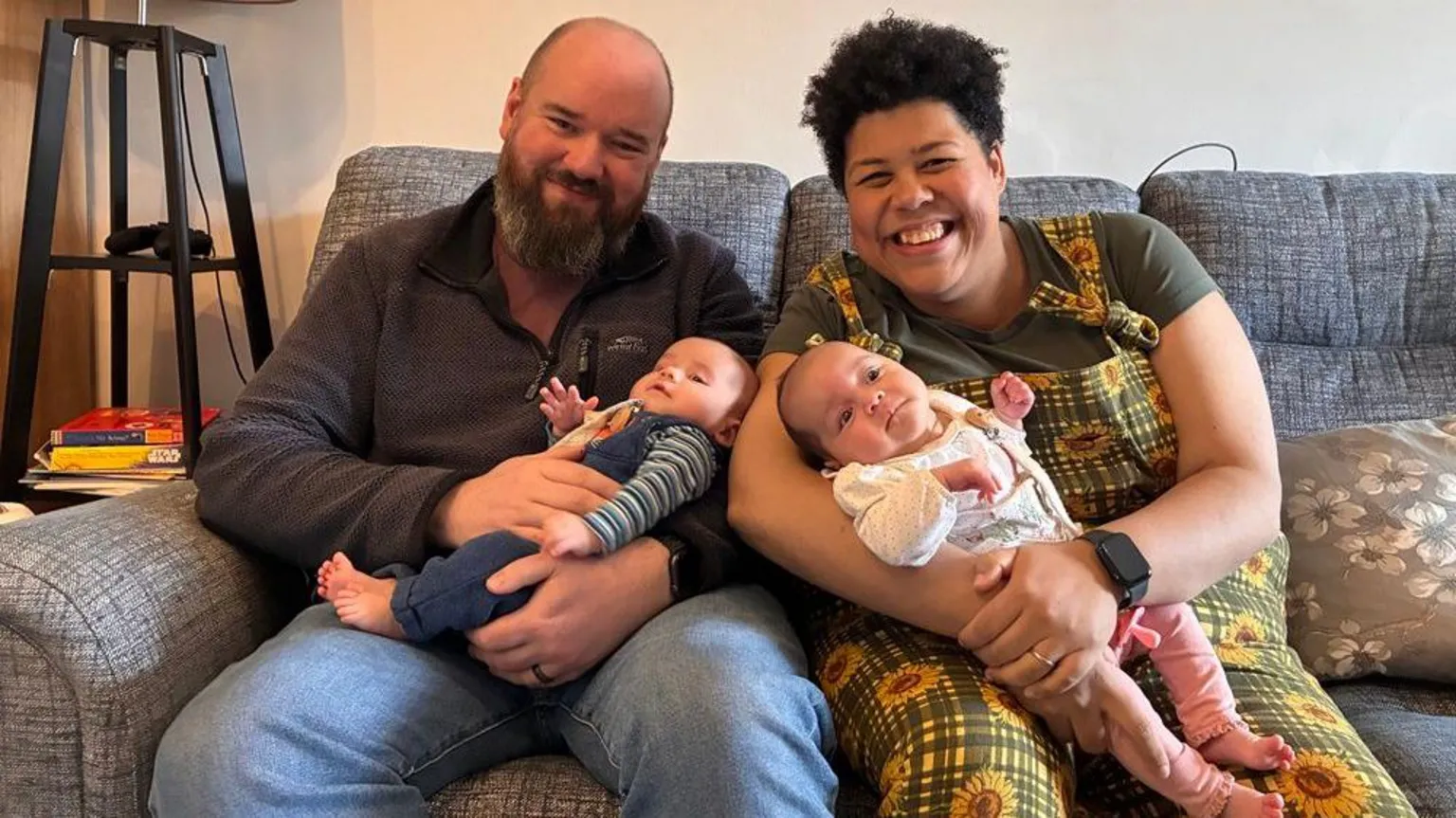
As part of the BBC Radio 4 project Today's Babies, the Today programme is following three families during their children's first five years. One family, Staffordshire-based Elita and Adam, parents of 11-week-old twins Ruby and Ezra, shared their experience of a six-week check conducted in a clinic rather than at home. Elita described the process of bringing two newborns to the appointment as "a little bit more stressful" than preferred.
"I know NHS services are stretched, and it's probably easier just to put somebody in one place, but I think you're missing out on so much and understanding families better [by not] going into a house,"
Elita also reported not seeing the same health visitor consistently, despite new Healthy Child Programme (HCP) guidelines this year recommending continuity of care.

"Continuity of care is massive,"
"I don't want to have to spend 10 or 15 minutes of an appointment explaining everything that's gone on."
In Scotland, families receive 11 mandatory health visitor visits, more than double the five visits provided in England. Northern Ireland offers nine visits.
Elita suggested that health visitors in England could "pick up on so much more" if the number of visits matched those in Scotland. Nonetheless, she and Adam appreciate the availability of drop-in clinics near their home, which provide access to health visitor support, although they describe this as a "reactive rather than proactive" approach.
Impact of Workload and Online Information
Registered health visitor Ruth Watts expressed concern that high workloads are resulting in "missed opportunities" to assist families.
"Mums may have plucked up the courage to come in that day to talk about their mental health, but then they can't come if there's no slots available,"
Watts explained that this situation can lead to problems going unnoticed or families not receiving necessary support when needed.
"We're seeing a massive rise in vulnerable families and families that are requiring more from a health visitor,"
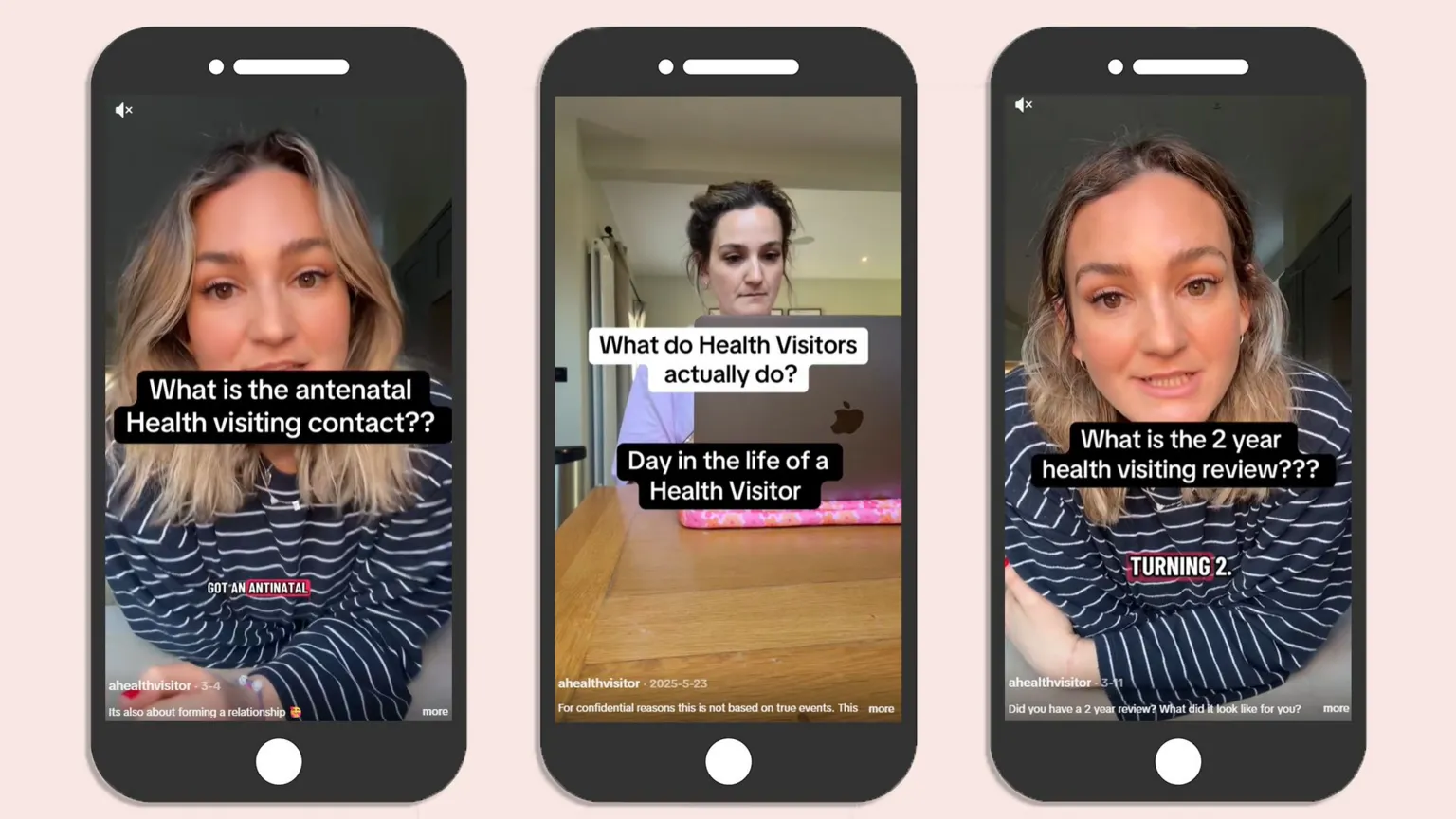
In response to widespread misinformation online, Watts began posting advice on social media two years ago, covering topics such as weaning, developmental milestones, and potty training.
"With the decline in health visitors, people and parents are reaching more and more for social media,"
"but it should never be seen as a replacement for speaking with a health visitor face-to-face."
She emphasized the vital role of health visitors in the community for supporting families with health needs, identifying abuse and neglect, and assisting with maternal mental health.
"All of these things can be missed if not in the home or face-to-face."
Watts believes the decline in health visitors contributes to fewer children being school-ready by reception age.
The Health Foundation, a prominent health think tank, stated that the current system is under strain and called for radical reconsideration of family support strategies.
"This means thinking about how to maximise the contribution of the many different professionals working with families, for example through Best Start Family Hubs,"
Jason Strelitz told the BBC.
A DHSC spokesperson confirmed plans to announce new measures for health visitors later this year.
"Following a decade of underinvestment, this government is committed to strengthening health visiting services so that every family has access to the support they need,"
"As we shift care from hospital to community, health visitors will play an important role, including by building on their trusted relationships to help protect more children through vaccinations.
"We will set out plans for the profession in the coming months as we strive to raise the healthiest generation of children ever."
Data analysis by Amy Whittlestone & Amy Jackson


