

Funding Challenges May End Home Care Visits in Rural Northern Ireland
A leading healthcare provider, Connected Health, has indicated it is likely to withdraw domiciliary care services in certain rural areas of Northern Ireland due to financial constraints. The company attributes this potential withdrawal to insufficient government funding for the independent care sector, which it states is causing service reductions and negatively impacting families relying on these services.
Connected Health has expressed concern that previous warnings issued to healthcare officials regarding funding inadequacies have not been addressed. Concurrently, a leaked document obtained by NI reveals that the Southern Health Trust plans to reduce both the duration of home care visits and the frequency of visits for some clients.
A Freedom of Information (FoI) request has also disclosed significant staff sickness levels within the Southern Trust, resulting in hundreds of missed visits and an annual cost exceeding £2.5 million.
A spokesperson for the Southern Health Trust stated the organization is exploring "new and better ways of working" with the objective of reallocating time to support other service users in need.
The Department of Health was contacted for comment but no response was included in the report.
The independent health care sector currently provides approximately 80% of home care visits to elderly and vulnerable individuals in Northern Ireland, with health trusts delivering the remaining 20%.
Connected Health's chief executive, Ryan Williams, described the potential withdrawal of services in rural areas as unfortunate, acknowledging that it would leave families without necessary support.
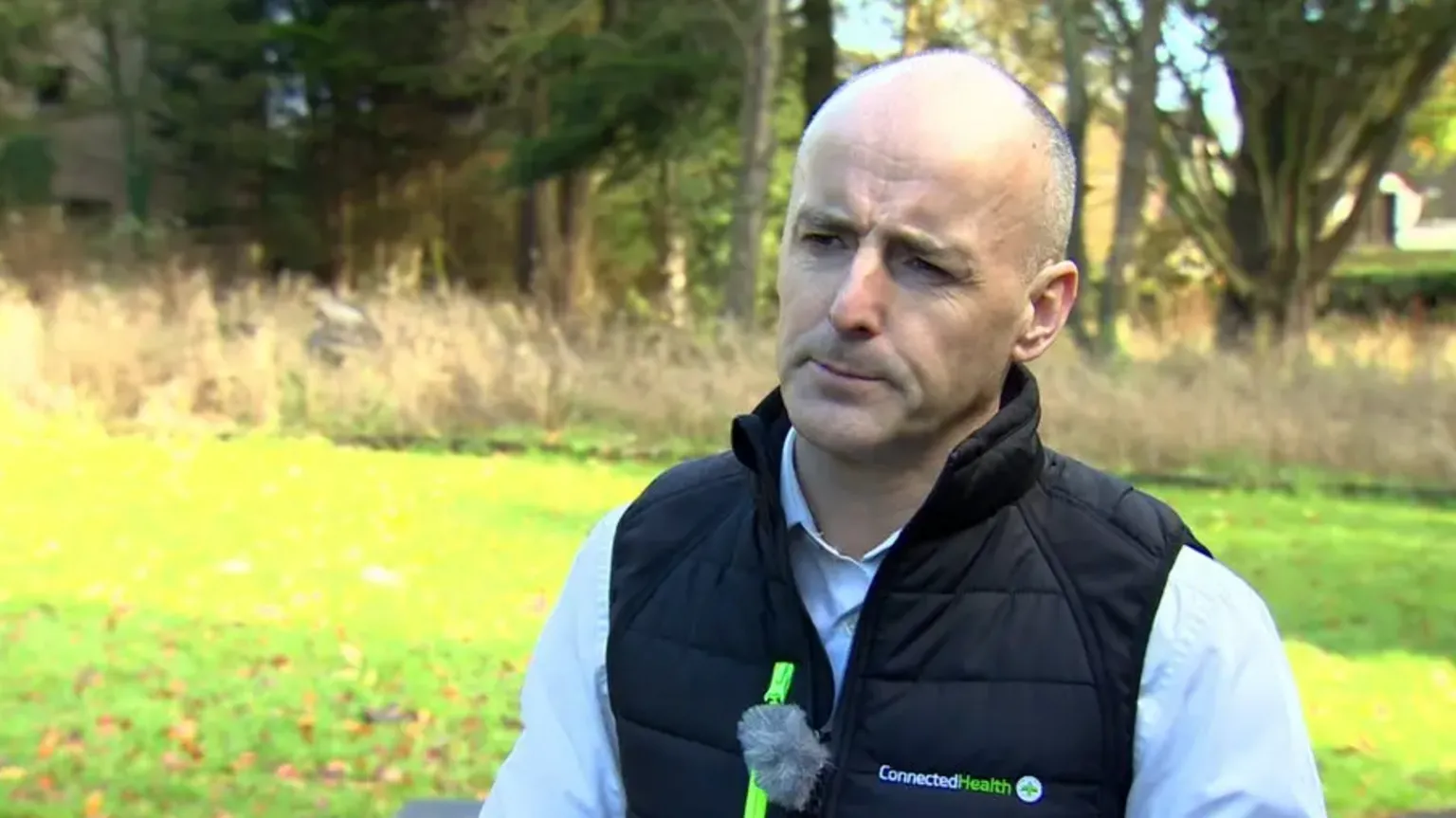
"It is heart breaking," Williams said, emphasizing that health officials had been warned that changes in the management and funding of the independent sector by trusts would lead to significant cuts affecting families.
"The cost of fuel and the payment rates from health trusts mean companies like ours can no longer afford to cover the distances required in rural areas," he added.
Williams further noted that the decision not to extend the Real Living Wage (RLW) to care workers, combined with rising operational costs, has created a situation he described as "completely untenable."
"Reduced home care visit times do not make financial sense, with both clients and carers losing out.
We are at a tipping point in social care here (in Northern Ireland). We have made some positive strides, but due to the funding environment and ongoing crises, we are not only looking over the edge of a cliff, but falling halfway down it," Williams stated.
Details of Planned Service Cuts
Demand for home care packages in Northern Ireland is increasing, with over 2,600 individuals currently on health trust waiting lists. Despite this rising demand, the chief executive of the Independent Health and Care Providers (IHCP), Pauline Shepherd, reported that health trusts are contracting fewer services rather than expanding them.

Shepherd criticized the Southern Trust's plans to reduce time spent with clients, stating that care workers are being compelled to "cram more calls" into an already fragile home care system. She warned this approach would result in "care by stopwatch, not by need."
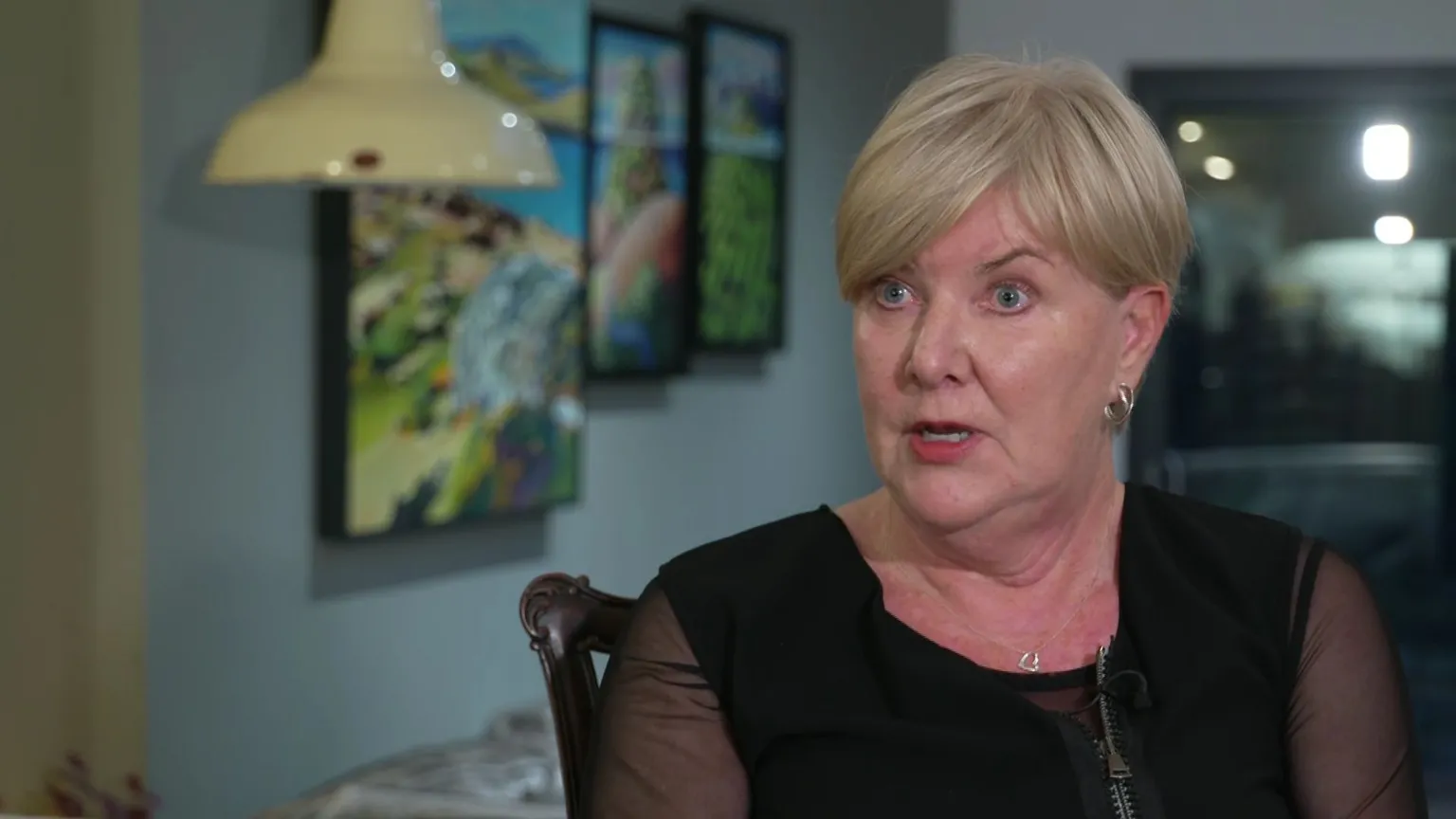
IHCP represents independent and voluntary organizations providing care for older adults and people with disabilities.
The proposed changes in the Southern Trust include reducing morning and night visits from 30 minutes to 20 minutes, and lunch and tea visits from 20 minutes to 15 minutes. The document titled "Modernising Home Care: A new way of working" advises care staff to inform clients that these changes are not intended to save money but to ensure fair care provision.
Additionally, the number of visits reimbursed for clients will be altered: one-carer packages may decrease from four visits to three visits per day, and two-carer packages may reduce from five to four visits daily.
An anonymous care worker employed by the Southern Trust described these changes as "madness," expressing concerns that they would lower care standards and increase pressure on staff.
Shepherd noted that there had been no consultation regarding these changes within the Southern Trust and indicated that other health trusts might consider adopting similar measures to reduce costs.
"The system is a mess," Shepherd said, highlighting that these changes conflict with the Department of Health's new neighbourhood model for healthcare, which heavily relies on home care services.
Additional Findings from the Freedom of Information Request
The FoI request to the Southern Health Trust revealed that sickness absence accounted for more than 41,000 lost working days in one year, equivalent to 113 staff members absent daily. This resulted in a cost of £2,570,966 for the previous year.
Due to sickness absence, approximately 550 home care visits were missed last year.
The FoI also showed that the Southern Trust's internal home care unit operates at a cost of £39.74 per hour, which is nearly double the rate paid to the independent sector, which stands at £21.25 per hour.
Shepherd described the sickness rates and associated costs within the Southern Trust as "shocking." She emphasized that the independent sector has demonstrated greater efficiency, delivering services at half the cost compared to health trusts.
"Currently, the independent sector provides around 70% of social care, with health trusts delivering the remainder," Shepherd explained.
"However, many social care staff within the Southern Trust are on zero-hour contracts. If the independent sector were paid comparably to their health trust counterparts, we could deliver better services across more areas," she added.


