
Hundreds of individuals have shared the habits that enable them to walk daily following the BBC's announcement of an NHS-supported initiative that will reward consistent exercise.
NHS England's "marathon a month" challenge, part of broader efforts to promote physical activity, is set to launch next year. It will encourage participants to walk approximately 30 minutes each day over a month.
Participants who complete the challenge will qualify for exercise rewards, though specific details remain undisclosed.
While the NHS seeks to increase exercise levels through incentives, readers told the BBC their primary motivators include improved physical and mental health, spending time in nature, and integrating walking into their daily routines.
From walking the dog before breakfast to disembarking a bus a stop early, here are various ways readers maintain a consistent walking habit.
'Break it up into three 10-minute walks'
Ed Shirt, 25, suggests incorporating the 30 minutes of walking throughout the day and dividing it into smaller segments if that makes it easier to manage.
"Walk before work, on your lunch break or after dinner," he says. "You don't have to do all 30 minutes at once either - three 10-minute walks throughout the day add up just the same."
Residing by the coast in Prestatyn, Denbighshire, Wales, he often sets a timer and selects a landmark to walk to.
"I get my half hour in literally just getting on the beach. There's something about the movement of walking that clears your mind. I love walking for my mental health."
He emphasizes making walking a daily routine rather than viewing it as a workout.
"Walking is one of the easiest ways to boost both your physical and mental wellbeing, and once it becomes a habit, you'll really notice the difference."

'Get off the bus a few stops early'
Georgia Blackwood, from Dudley in the West Midlands, incorporates walking into her daily life by disembarking the bus a couple of stops before her destination and choosing to walk instead of using public transport when possible.
"Getting on and off the bus a couple of stops early or later is how I get my steps in," she says. "I also walk instead of getting buses for shorter journeys."
This method helps her stay active without allocating extra time.
"My town centre is about four stops away from me so I walk there, then I do my shopping and load my backpack and carry it back so I'm doing weights too."
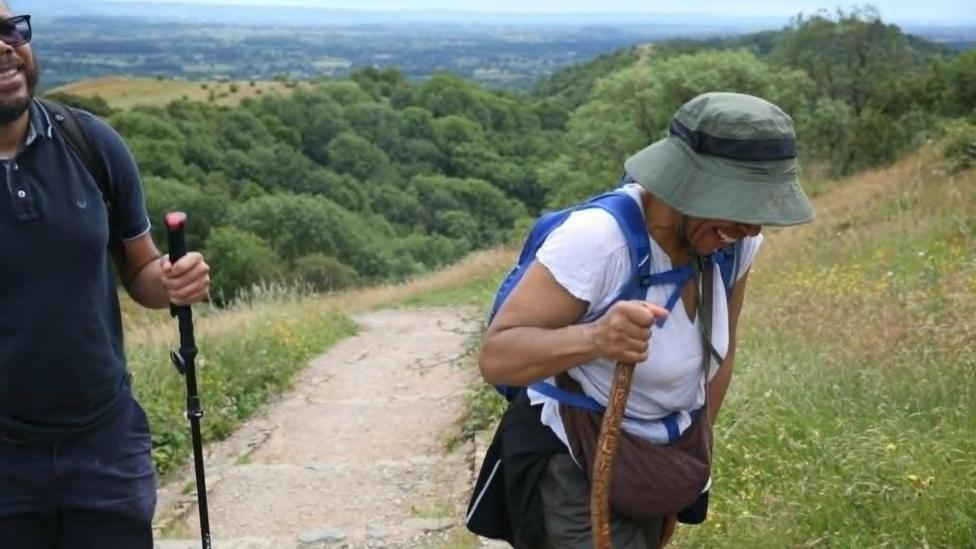
'Find someone you enjoy walking with'
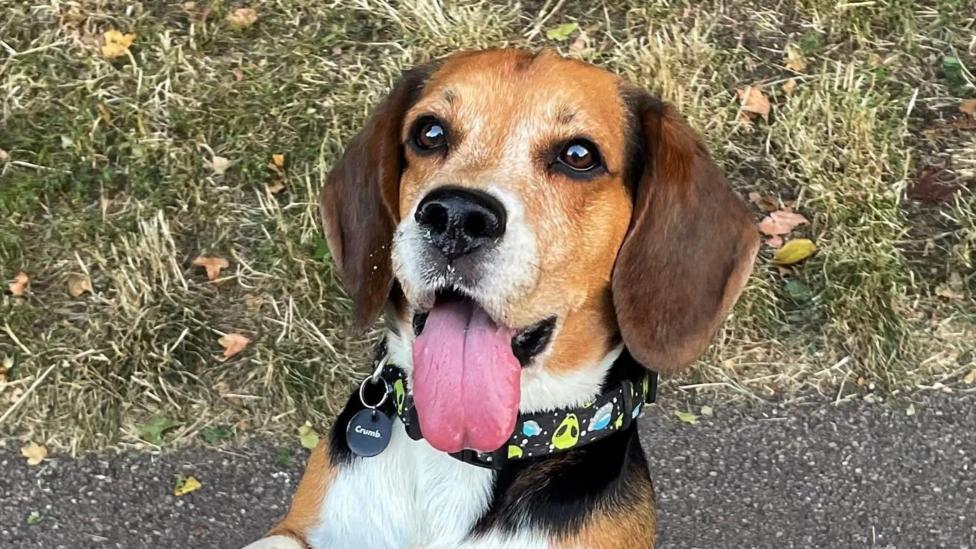
For 51-year-old Barry Nicholson, walking is easier with a companion, especially his lively beagle, Max.
"Thirty minutes of walking per day is fairly simple for a dog owner," he says. He walks Max for 45 minutes daily, regardless of weather, and sometimes longer on weekends.
"Having a dog is one of the biggest tips - once you know you've got the responsibility to keep him exercised, keep him entertained, then you have the motivation to go out."
He usually walks Max in the morning before work and again in the evening, utilizing the numerous parks and forests in Bury St Edmunds, Suffolk, where he resides.
'Turn everyday errands into a walk'
"Does shopping count?" asks 82-year-old Geoffrey Murrell.
He and his wife Carole, also 82, achieve at least 4,500 steps daily through routine activities such as shopping and moving around town.
"We don't have a car," Geoffrey explains. "Anywhere we go, we walk - we're on legs!"
The couple typically walk into Bedford for groceries or take a bus to Milton Keynes before walking around the shopping centre. Occasionally, they stop to chat with neighbours or stroll along the river to observe the swans.
Geoffrey, who is undergoing treatment for bladder cancer and has diabetes, notes that on some days he walks even further to attend hospital appointments.

'Make your commute your daily walk'
"My walk to work is a two and a half mile journey," Sophie O'Sheen told the BBC. "It takes me roughly 45 minutes. Walking is a great way for me to decompress before and after work and also speak on the phone to my family whilst doing some form of exercise."
The 31-year-old from Maidstone, Kent, says walking provides her with headspace to think through ideas and have some alone time to reflect.
"We're so busy these days in this modern age, you don't get that time just to yourself," she says.
"Walking to work every day offers that: You can just have that time and it's your time. It feels like it's a bit more for you."
'Use walking as an antidote for loneliness'
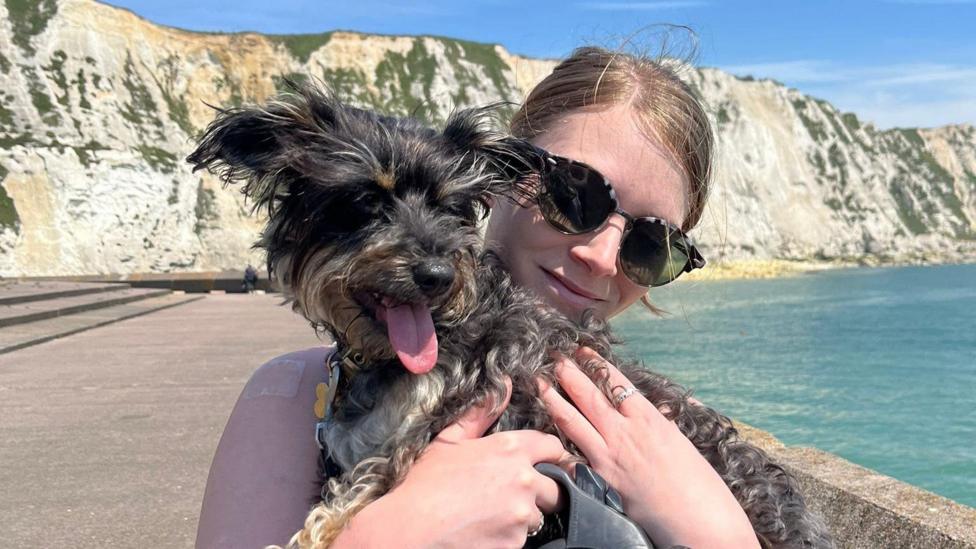
Violet Black, from Edinburgh, Scotland, believes walking can counteract isolation and loneliness.
"Anyone who struggles being on their own, you never feel worse for going out walking," she advises.
The 80-year-old began walking after retiring at 61. She walks five miles daily, except during snow and icy conditions.
"I'm constantly told that I look years younger [but it's] not always what I think when I consult the mirror!"

'Don't let weather or excuses stop you'
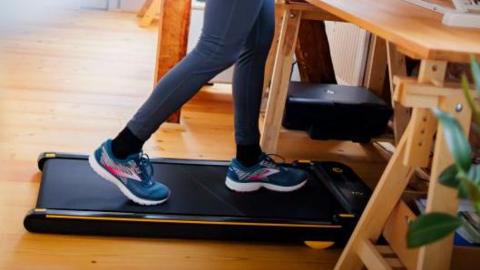
Daphnyan Gordon, from Craigavon in County Armagh, Northern Ireland, uses a walking pad at home to stay active when outdoor walking is less feasible.
"Today I was going to go for a walk and it started to drizzle a bit so I thought I'd go on my walking pad," she says.
"It takes the excuse away to be sedentary so you don't have a reason not to walk," she adds, noting: "You can put your favourite show on and walk for the duration - sometimes an hour."
"It's not the outdoors but it's still a good way to move."

- NHS to reward people who walk 30 minutes a day
- Want to feel happier at work? Take a five-minute walk
- Ministers want 60% of children walking or cycling to school by 2035
- Just 7,000 steps a day could cut health risks, study says


