

Alarming Ebola Spread in DR Congo
The rapid escalation of Ebola cases in the Democratic Republic of Congo (DR Congo) has been described as "deeply alarming" by the medical charity Médecins Sans Frontières (MSF). This warning comes two weeks after the outbreak was officially declared.
Dr Alan Gonzales, MSF Deputy Director, highlighted the unprecedented speed of the outbreak, stating that never before had "so many cases" been recorded in such a short period following an outbreak declaration.
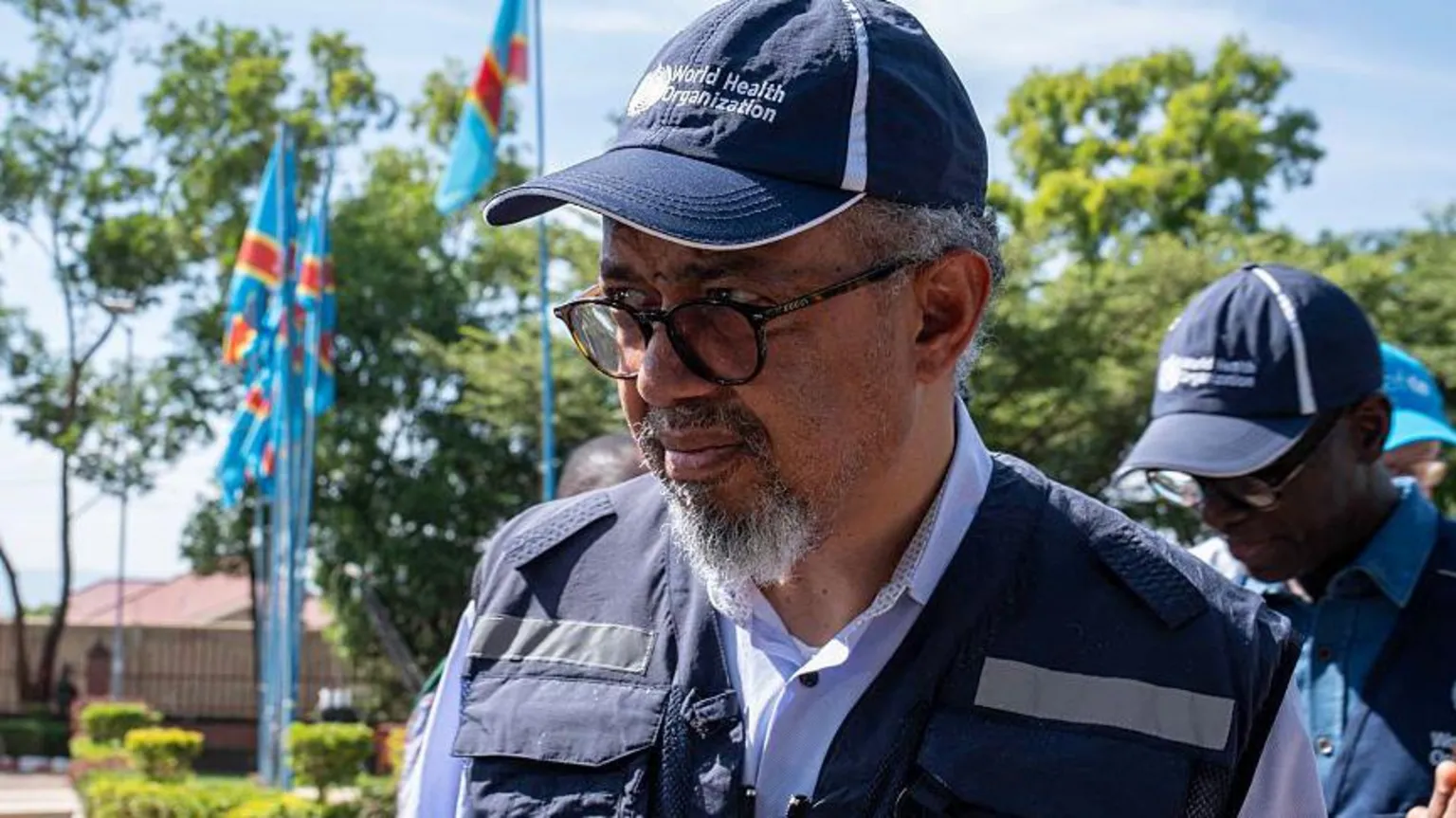
His remarks coincided with the arrival of Dr Tedros Adhanom Ghebreyesus, the head of the World Health Organization (WHO), in the eastern Congolese province of Ituri, the region most affected by the virus. Dr Tedros's visit aims to oversee and support containment efforts.
Current Situation and Statistics
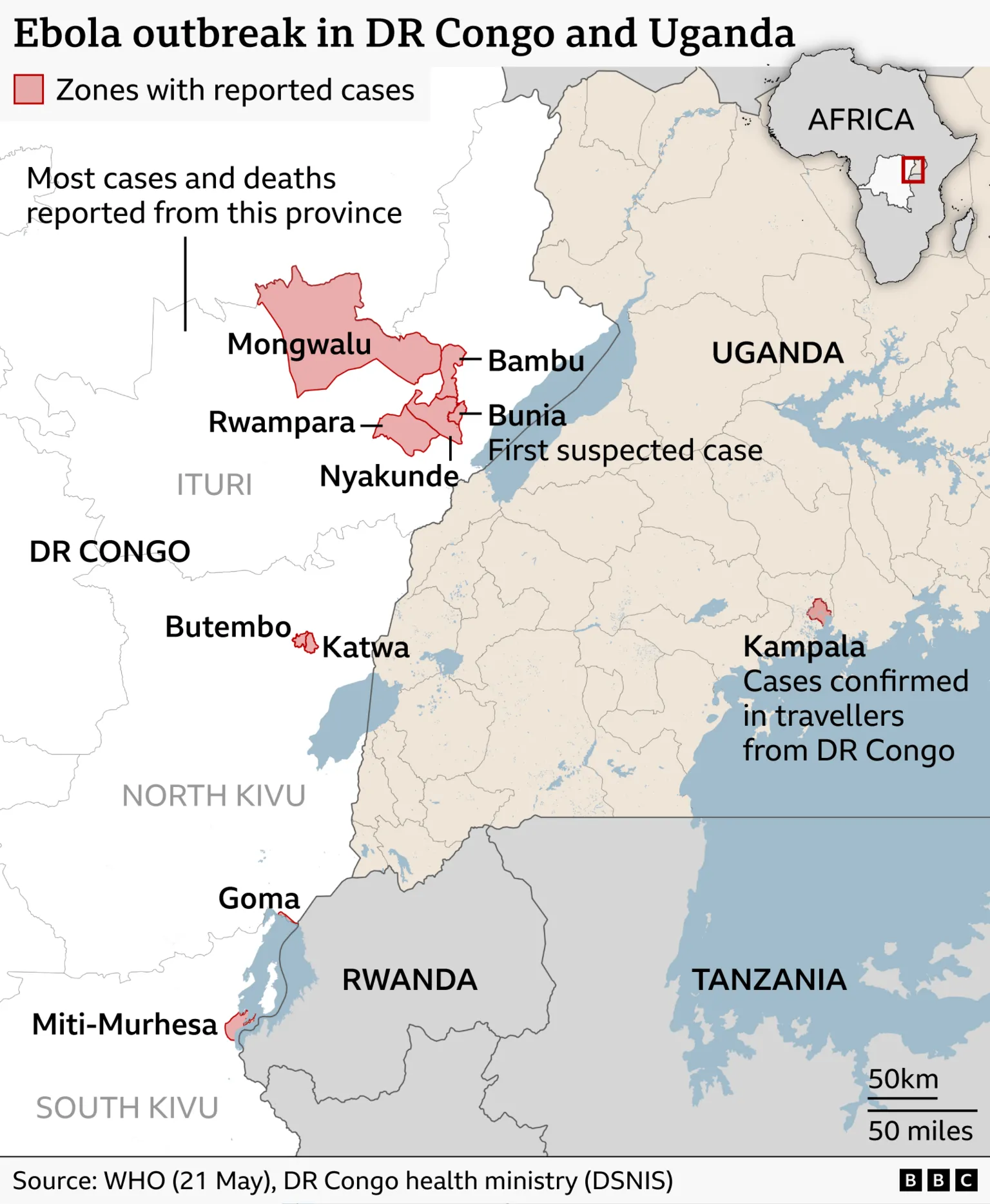
As of now, there are over 1,000 suspected Ebola cases reported in DR Congo, with at least 246 deaths confirmed. The outbreak has also affected neighboring Uganda, which has reported nine confirmed cases and one death.
Dr Gonzales emphasized the gravity of the situation in a statement released on Saturday:
"Two weeks after the declaration of the Ebola disease outbreak in Ituri Province, the situation is deeply alarming."
"Never before has an Ebola outbreak recorded so many cases so soon after its declaration,"
He further stressed that MSF teams on the ground are "witnessing a response that has not yet caught up to the rapid spread of the epidemic."
Dr Gonzales also noted the uncertainty surrounding the outbreak's true scale and severity:
"The reality today is that nobody knows the true scale and severity of this outbreak. New suspected cases are being reported daily, yet hundreds of samples remain untested."
He added that efforts to contain the virus and deliver humanitarian aid are being hindered by significant challenges, including border and airport closures.
Challenges in Response Due to Conflict
The WHO has repeatedly highlighted that ongoing conflict within DR Congo is severely impeding the response to the Ebola outbreak. Violence and instability complicate access to affected areas and delay critical interventions.
WHO Chief's Visit and Community Engagement
Upon his arrival in Ituri on Saturday, Dr Tedros stated that he and his team were in DR Congo "to see how the response is running and if there are challenges to help."
He called on communities at the center of the outbreak to take a more active role in combating the disease, emphasizing their understanding of local challenges and solutions.
"Communities understand the problems better and they know the solution as well,"
Dr Tedros also addressed cultural practices related to funerals, acknowledging their importance but warning of the risks they pose during the outbreak.
"Certain practices including touching of bodies of those who have died from Ebola, can spread the virus further. While we grieve for those we've lost, we must do everything we can so that we don't lose another, and get into a cycle of grief,"
Laboratory Capacity and Testing Improvements
One of Dr Tedros's initial stops was the National Institute for Biomedical Research laboratory located in Bunia, the provincial capital of Ituri. This facility is responsible for testing samples from suspected Ebola patients.
Local health officials report that the laboratory can now provide test results within 24 hours, enabling quicker diagnosis and initiation of treatment.
Previously, samples had to be transported over 1,500 kilometers (932 miles) to Kinshasa, the capital of DR Congo, causing delays that health workers feared could result in additional deaths and further spread of the virus.
Details on the Ebola Strain and Transmission
The current outbreak involves a rare strain of Ebola known as Bundibugyo. This strain has no proven vaccine and has a fatality rate of approximately one-third of those infected.
Ebola viruses typically infect animals, with fruit bats being the usual reservoir. Human outbreaks can sometimes begin when individuals consume or handle infected animals.


