

Consultants and Specialist Doctors Initiate Industrial Action Over Pay
Consultants and specialist doctors in Northern Ireland have commenced industrial action concerning pay disputes. This marks the first instance of strike action by these two groups of doctors in the region. The strike will result in the cancellation of most routine and elective services, although full emergency coverage will be maintained throughout the action.
The 24-hour strike began at 07:00 BST on Thursday and will continue until 06:59 on Friday. Notably, there will be no picket line demonstrations during this period.
Health Minister Mike Nesbitt expressed disappointment regarding the decision to proceed with strike action. He reaffirmed his commitment to implementing this year's pay award but highlighted that this is currently unfeasible due to the absence of an agreed budget.
Background and Balloting Process
The British Medical Association (BMA) conducted a ballot of its members over a four-week period following the rejection by doctors' leaders of a recommended 3.5% pay uplift proposed by an independent pay body.
A separate 24-hour strike is scheduled for Monday, 29 June.
Voting Results and Support for Industrial Action
Earlier in the month, it was reported that 92% of resident doctors and 79% of consultants voted in favor of strike action. Additionally, the BMA announced that 90% of SAS (specialist, associate specialist, and speciality) doctors supported the strike.

Both branches cited "over 18 years of pay erosion" as a key factor motivating their decision to pursue industrial action.
Engagement with Political Representatives
Representatives from the BMA are scheduled to meet with the chair and deputy chair of the Northern Ireland Assembly's health committee at Stormont on Thursday to discuss the ongoing pay dispute.
Perspectives from BMA Representatives
Dr David Farren, chair of the BMA's Northern Ireland consultants committee, commented on the situation:
No doctor wants to take strike action.
However, there is a palpable sense of anger among all secondary care doctors at years of significant pay erosion in return for trying to deliver care in an overstretched health system.
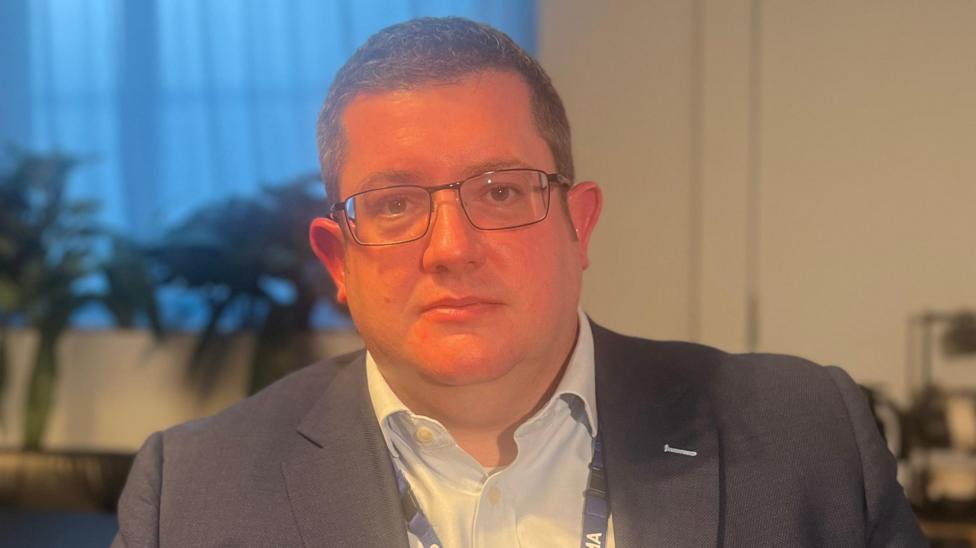
Dr Leanne Davison, chair of the BMA's Northern Ireland SAS committee, emphasized the challenges facing the health service:
Doctors are choosing to leave the health service or to reduce their contracted hours due to continued pay erosion and we can see the outworkings of this in services having to close due to staffing shortages.
Those with the power to change this have so far chosen not to, which has forced hospital doctors into the unacceptable position of taking strike action in order to be heard.
She further stated that the health service can "no longer run on the goodwill of front-line staff."
Government Response and Budget Constraints
The Health Minister addressed the implications of exceeding the recommended pay uplift:
To go beyond the 3.5% as recommended by the independent pay review recommendation would have significant repercussions for nurses, teachers, police officers and indeed the entire public sector workforce.
I reiterate my commitment to ensuring HSC colleagues receive their recommended 26/27 pay uplifts, despite the unprecedented shortfall as indicated in my draft budget.
There is simply no scope for pay awards beyond the recommendations of the review bodies in 26/27.


