

Climate Breakdown Lengthens Pollen Season in UK and Europe
Research indicates that global heating has extended the pollen season in the UK and mainland Europe by between one and two weeks since the 1990s, contributing to increased allergic reactions such as itchy eyes and runny noses. This extension adds to the broader health impacts caused by fossil fuel pollution, including heatwaves and droughts.
While the extension of the pollen season may seem less dramatic than floods and wildfires commonly linked to climate change, researchers emphasize that it represents a significant increase in the combined suffering of tens of millions of people.
“It’s one of those everyday indicators that show something is getting a little worse for a lot of people,” said Joacim Rocklöv, an environmental epidemiologist at the University of Heidelberg and co-director of the report. “The suffering of people from these changes can be very large.”
Warmer temperatures and elevated carbon dioxide levels enable plants to produce more pollen, which triggers allergic reactions in individuals with hay fever. Symptoms can range from mild discomfort to more severe respiratory issues.
Findings from the Lancet Countdown Report
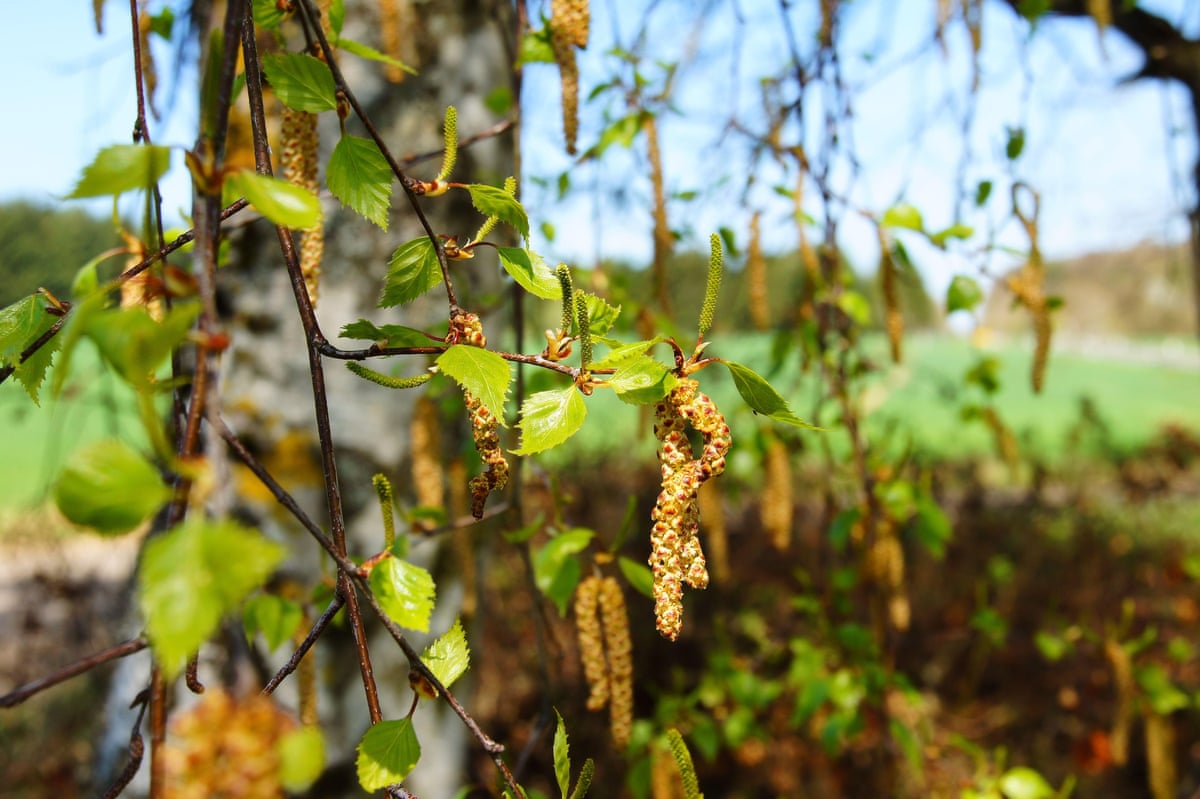
The latest review of climate-health impacts in Europe, published in the Lancet medical journal, reveals that pollen seasons for birch, alder, and olive trees began between one and two weeks earlier during 2015-2024 compared to 1991-2000.
Since the previous report in 2024, researchers observed that the seasonal severity of birch and alder pollen has increased by 15-20% in southern UK, northern France, Germany, and eastern Europe.
Separate studies have highlighted the risks posed by invasive species such as common ragweed. Its pollen is expected to become a widespread health concern across Europe as it spreads into regions where it was previously uncommon.

“Pollen allergies are a health risk of climate change,” said Katharina Bastl, a pollen researcher at the Medical University of Vienna, who was not involved in the research. “Global warming has already had an impact on pollination, [though] it is not that easy to assess and varies regionally.”
Scope and Methodology of the Report
The Lancet Countdown report, compiled by 65 researchers from 46 academic and UN institutions, monitors trends in climate change and health using 43 indicators. The latest edition incorporates methodologies from peer-reviewed research to update established indicators with the most recent data.
Among the findings, heat-related deaths increased by an average of 52 deaths per million people over the study period, while daily extreme heat warnings quadrupled. Climate change has also facilitated the spread of infectious diseases, with the potential for dengue transmission believed to have more than tripled in recent decades.
In the last decade, 983 out of 1,435 European regions experienced an increase in the duration of "extreme to exceptional" summer droughts compared to the preceding four decades.
Urgent Need for Adaptation and Policy Changes
The authors stress the urgent necessity to adapt to a warming planet. Recommended measures include greening urban areas, providing public health guidance that accounts for heat-related risks during physical activity, and reallocating subsidies from fossil fuels toward clean energy initiatives.
Annual fossil fuel subsidies reached a record high in 2023 compared to 2010, rising to €444 billion as governments sought to mitigate the impact of soaring energy prices following Russia’s invasion of Ukraine.
Cathryn Tonne, an environmental epidemiologist at the Barcelona Institute for Global Health and co-director of the report, stated, “The window for action is narrowing but Europe still has an opportunity to protect lives.”
“Redirecting investments from fossil fuels into clean energy, improving air quality, safeguarding vulnerable groups and preparing health systems for rising climate shocks will deliver immediate and long‑term health benefits.”
Positive Trends in Pollution-Related Death Rates
Not all trends examined in the report have worsened. The death rate attributable to fine particle pollution from transport in the EU declined by 58% between 2000 and 2022. Deaths caused by pollution from electricity generation decreased even more sharply, with an 84% reduction.
“It’s a huge change,” said Rocklöv. “It shows we can really benefit from the transition away from fossil fuels, and we can do it in a short time.”


