

Bristol Declares Itself a City of Harm Reduction
Bristol has officially been designated a “city of harm reduction,” with local politicians committing to prioritizing support and treatment for illegal drug users over punitive measures.
Led by Green councillors who control the city council, the declaration signals a shift towards public health approaches rather than criminal justice responses to address the escalating drug crisis in the UK.
The Greens aim for this declaration to pressure the Labour government into reconsidering its drug policies, particularly to enable the establishment of a legally sanctioned drug-consumption facility within Bristol.
This initiative has received backing from Labour and Liberal Democrat councillors in the city, though Conservative members have opposed it, describing the motion as “ideologically framed.”
Personal Stories Highlight Need for Change
Bristol Green councillor Cara Lavan described the declaration as a significant milestone.
“I hope other local authorities will take note and follow suit to create a domino effect that tells the government we need change,”she said.
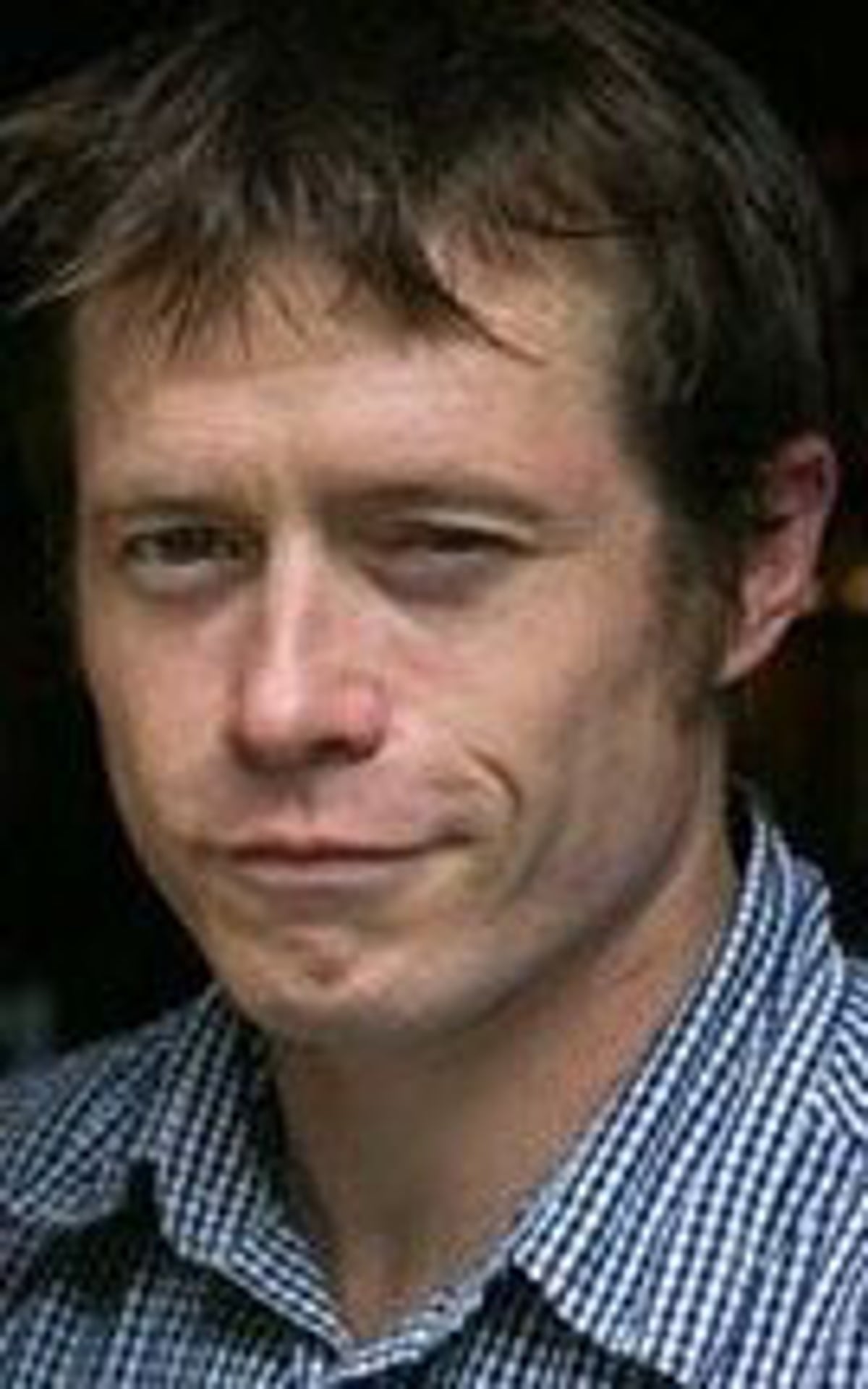
Lavan recounted the experience of Jake Coe, who has been in recovery for five years but relapsed and was able to obtain heroin and crack cocaine within half an hour despite living in a new area unfamiliar with dealers.
“The prohibition didn’t stop him getting hold of it.”
The couple struggled to access appropriate help due to the illicit nature of the drugs and the constant threat of arrest and criminalisation. Lavan explained,
“We were unable to get the help we needed because the drugs he was using were illicit and there was the constant threat he would be arrested and criminalised. He desperately wanted to be drug free, but he just wasn’t able to cope and he couldn’t get support.”

She emphasized the need for evidence-based drug policies, stating,
“There’s overwhelming evidence that the Misuse of Drugs Act 1971 has failed. Drug treatment agencies, police forces, health professionals across the country know that our drug policies actively work against solving many of the problems that we have.”
Council Motion Highlights Drug Crisis Severity
The declaration was approved during a full council meeting. The motion noted that deaths from drug poisoning have reached record highs, with Bristol’s rate nearly double the national average. It also highlighted the rapidly evolving drug market, including the increasing availability of potent synthetic opioids.
While Bristol and other cities have previously adopted harm-reduction strategies, Lavan stressed that the formal declaration represents an important advancement.
Proposal for Drug-Consumption Facility
Green councillors in Bristol advocate for the city to be permitted to open a drug-consumption facility. Lavan clarified,
“It’s not encouraging people to use drugs, but it’s about making sure that if they are going to use drugs, they’re not being stigmatised and criminalised.”
At the conclusion of the full council meeting, instead of delivering a closing speech, Lavan requested a minute’s silence to honor those suffering from addiction, individuals who have died from overdoses, and the families affected.
Political Responses and Community Perspectives
The proposal has faced criticism from Conservative representatives, including during the Gorton and Denton by-election campaign, where a spokesperson labeled it “extreme and dangerous.”
Speaking at the council meeting, Bristol Labour councillor Kaz Self expressed support for the declaration but also voiced concerns that it might represent the “thin end of the wedge.”
Outside the meeting, Green councillor Abdul Malik, who also serves as a mosque leader, addressed concerns related to faith and drug use. He stated,
“Nothing in this motion changes that. This is not about encouraging drug use or normalising addiction. It is about recognising a simple truth: after 55 years, we cannot honestly say prohibition on its own has solved this problem and we have a responsibility to look at what the evidence tells us does work.
If this motion helps one more person into treatment, prevents one more overdose, reduces crime on our streets and spares one more family from unimaginable loss, then it is worth doing.”


