

Traveller Suffers Methanol Poisoning in Laos
Calum MacDonald was travelling in South East Asia when he experienced methanol poisoning in Vang Vieng, Laos. Less than two days after consuming a drink at a bar, he encountered "a blinding kaleidoscopic light" that permanently impaired his vision.
MacDonald was among several travellers affected by methanol poisoning, a serious health risk linked to counterfeit or contaminated alcoholic beverages. As thousands prepare to travel, he is participating in a UK government campaign aimed at raising awareness of these dangers that drastically altered his life.
MacDonald, a man in his 20s from Surrey, told BBC Breakfast that he was unaware of the risks when travelling in 2024 and reflected that,
"if I had known, I probably would be in a different situation today."
Understanding Methanol and Its Dangers
Methanol is a highly toxic, industrial-strength form of alcohol sometimes found in counterfeit, illegally produced, or contaminated alcoholic drinks. Consumption of as little as 30ml—approximately a single shot—can be fatal for an adult. Smaller quantities can cause severe and permanent damage, including blindness.
Currently, 29 destinations have methanol poisoning warnings included in the UK government's travel advice. These include popular tourist locations such as Indonesia, Laos, and Vietnam.
Fatal Methanol Poisoning Case in Bali
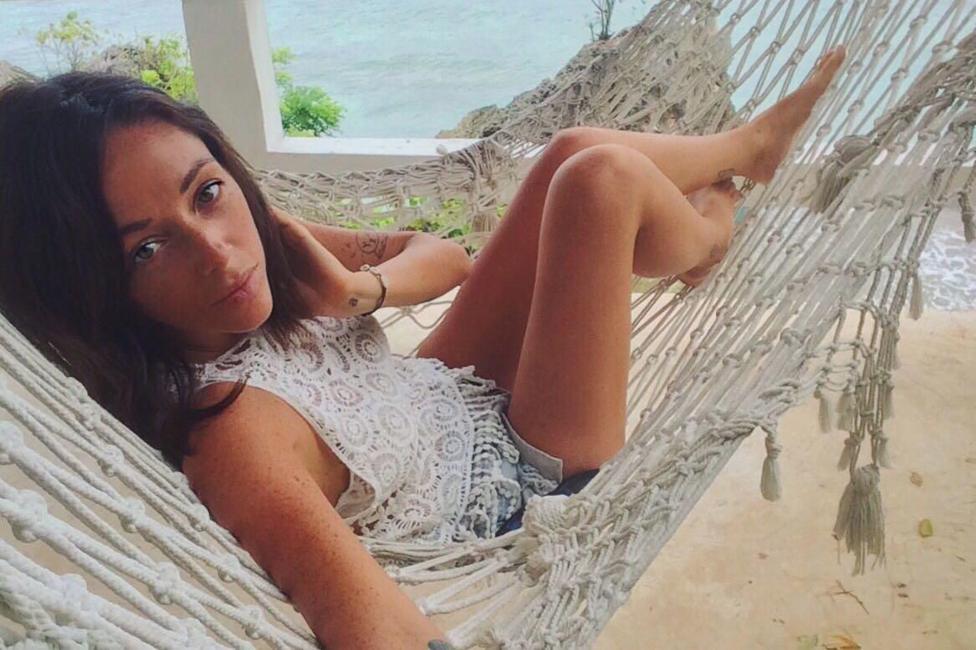
Among those who died after consuming methanol was Kirsty, the 38-year-old daughter of Margaret McKie. Kirsty, originally from Stockport, was living in Bali and engaged to a man who owned a wine business and restaurant, which made her cautious about purchasing alcohol only from reputable suppliers.
Margaret McKie recounted to BBC Breakfast the circumstances surrounding her daughter's death.
"When Kirsty became ill it didn't occur to her for a second that [methanol poisoning] was what could be wrong,"she said.
"She was fairly tired, she'd been working hard, she'd had a couple of drinks, she just thought she had a hangover, she didn't seek help and when she lost consciousness her fiance got her to the hospital and by that point it was too late to save her."

Kirsty had lived in Bali for eight years before falling victim to methanol poisoning in 2022.
Importance of Awareness and Early Detection
Margaret McKie emphasized the need for both prevention of methanol-laced alcohol consumption and awareness of the symptoms to enable timely medical intervention.
"Look out for your friends, if you notice a friend who seems more ill, get them help,"she advised.
Symptoms of methanol poisoning vary and can include:
- Early signs: vomiting, poor judgement, loss of balance, and drowsiness
- 12-48 hours after ingestion: abdominal pain, vertigo, hyperventilation, breathlessness, blurred vision or blindness, coma, and convulsions
- Vision problems are a distinctive warning sign, including blurry vision, difficulty looking at bright lights, and in some cases, complete blindness. Other visual symptoms can include "snowfield vision" (seeing snowy static like an old television) or tunnel vision.
Advice for Travellers
Calum MacDonald also urged travellers to be vigilant and informed.
"Enjoy your travel but ultimately it's really important to have all the information that you possibly can before you do go to these places because I think ultimately it's very difficult to ultimately eliminate all risk,"he said.
"If you have the information at hand and you can recognise situations in which you might be at higher risk and you can recognise the symptoms and then you can mitigate those risks and do the best you can to look after yourself and look after your friends."
Government Campaign and Outreach Efforts
Foreign Office minister Hamish Falconer stated that the government is using this campaign to reinforce its travel advice and encourage people to check official Foreign Office warnings.
When asked how the campaign reaches young travellers such as backpackers who may not visit government websites, Falconer explained that a variety of channels are being used.
"We're partnering with influencers on TikTok, YouTube, other influencer channels... we're trying to make sure that we get [the campaign] out through all the channels,"he said on BBC Breakfast.
He added that campaigners and families have collaborated with others to ensure the message is widespread. The campaign's content is now included in the PSHE (Personal, Social, Health and Economic education) curriculum and is being promoted online to maximize reach.


