

Adenomyosis affects one in ten women, causing severe symptoms
At least one in 10 women live with adenomyosis, a condition of the uterus that can cause heavy, painful, and irregular periods. One sufferer described her pain as feeling like a "chainsaw" inside her.
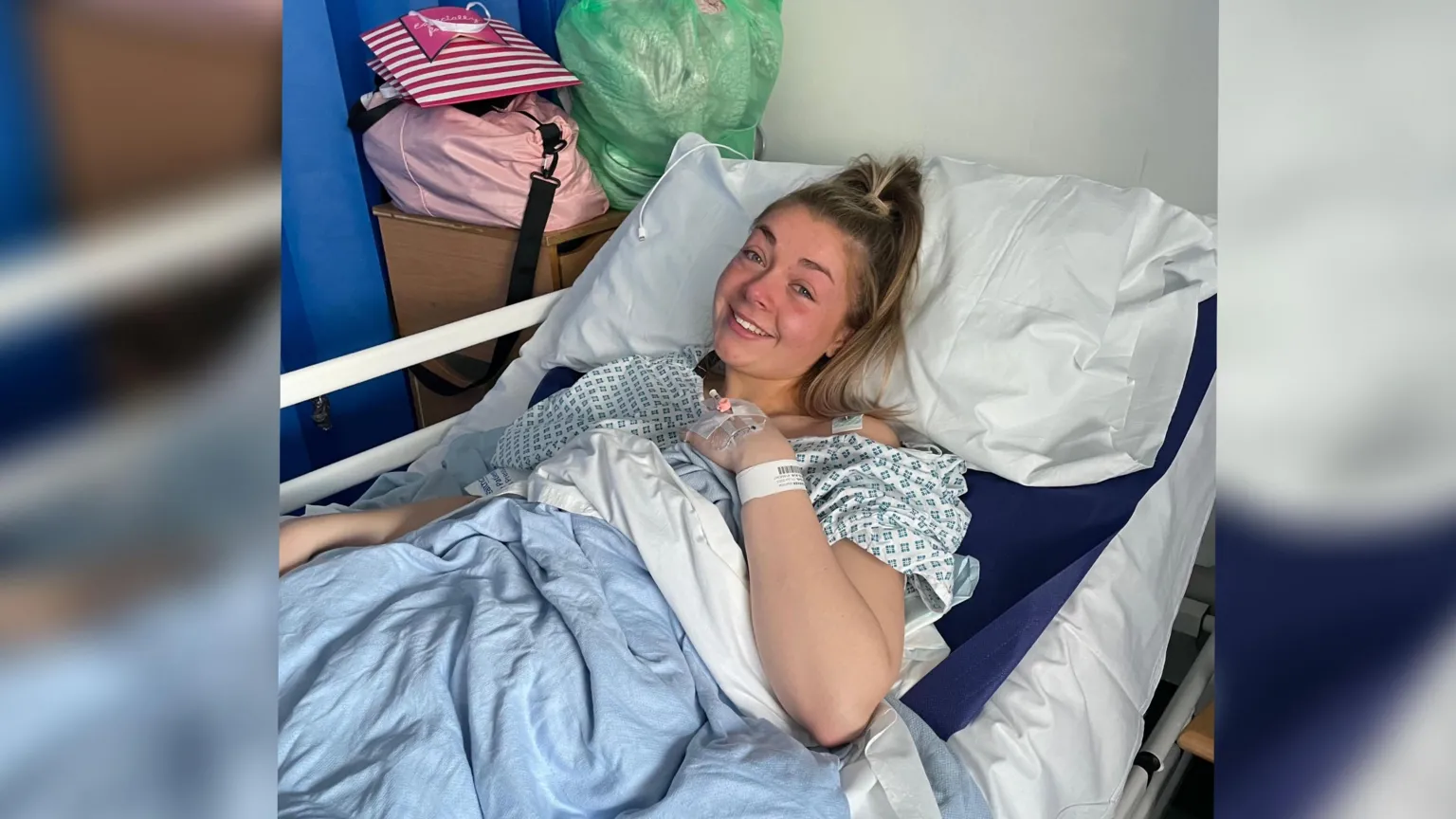
Mathilde Barker, a content creator from Surrey diagnosed with both adenomyosis and endometriosis, said:
"When I was at my worst, it genuinely felt like I had a mass in my uterus, and that it was dragging behind me."
Adenomyosis occurs when the lining of the uterus grows into the muscle wall of the womb.
A spokesperson from the Department for Health and Social Care told the BBC:
"It is deeply concerning that so many women feel dismissed when they come forward with pain."
Warning: This article discusses distressing themes.
Differences between adenomyosis and endometriosis
Adenomyosis shares many symptoms with endometriosis, but the two are distinct conditions. Endometriosis involves cells growing outside the womb and can affect other parts of the body, whereas adenomyosis involves growth only within the womb.
Barker, who has over 500,000 followers on TikTok and Instagram, said her audience quickly became people experiencing similar symptoms.
She was diagnosed with endometriosis at 19 following laparoscopic (keyhole) surgery and with adenomyosis two years later.
Living with adenomyosis: personal experiences
Life with adenomyosis is challenging for many women.
Lauren Buckland, 36, experiences frequent random stabbing pains in her uterus, lower back, hip, and pelvis.
She shared:
"[Once] I was walking home from work, and I was in tears of pain and I didn't know what it was.
"This is my body and it's not working how I'd like it to work, but I've got to work with it.
"It's a bit frustrating, but it's just being a woman, isn't it?"
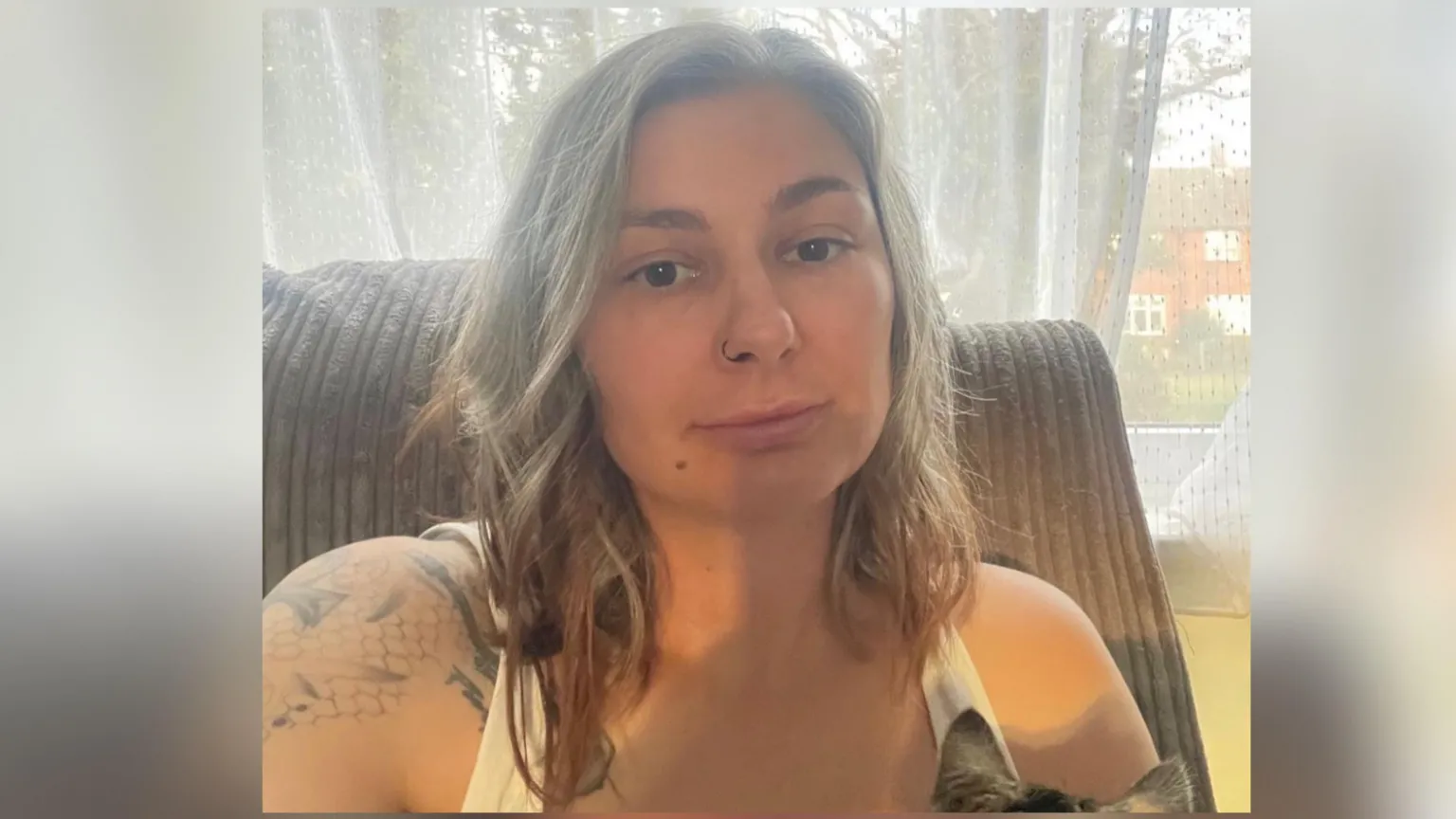
Emma Blackburn, from Broadstairs in Kent, describes being in constant pain.
She said:
"All of a sudden it'll be what I can only describe as sort of like a labour pain... it'll just shoot into my pelvis."
Blackburn has adenomyosis, endometriosis, and fibromyalgia, and she plans her life around her menstrual cycle.
She added:
"I pass clots every single cycle, ranging from anything like a 5p to a 50p."
Workplace stigma and the need for education
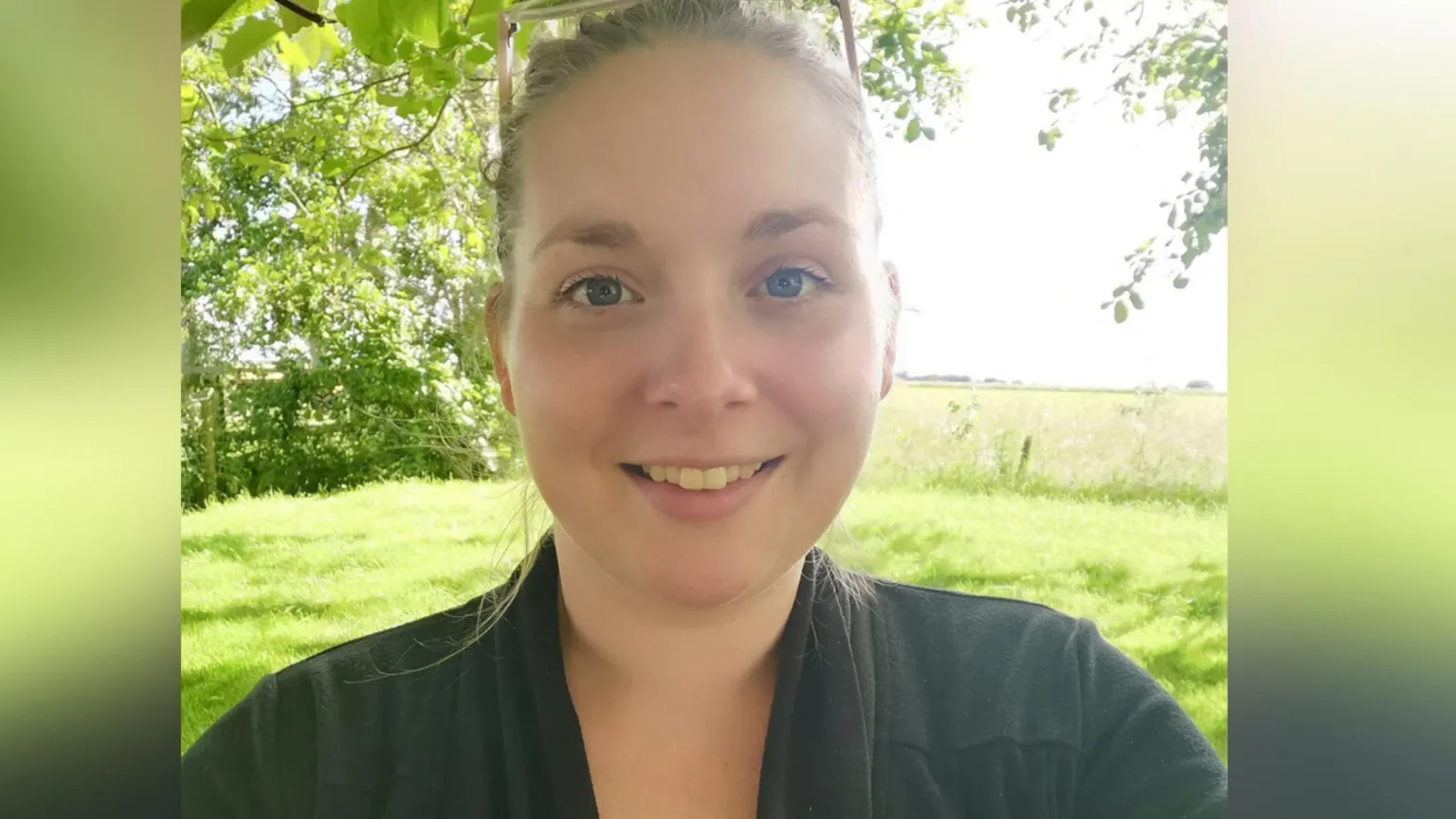
The 34-year-old Blackburn wishes more people were educated about women's health conditions, particularly their impact on physical and mental health.
Lesley Salem, founder of the workplace training organisation Over the Bloody Moon, said:
"We want to make sure that hormonal health and menstrual health isn't a barrier."
She highlighted a lack of awareness around menstrual health conditions and said that progress depends on education.
Salem acknowledged ongoing stigma in workplaces, which causes many women, especially early in their careers, to fear sharing their struggles.
Experts agree that more education and research are necessary.
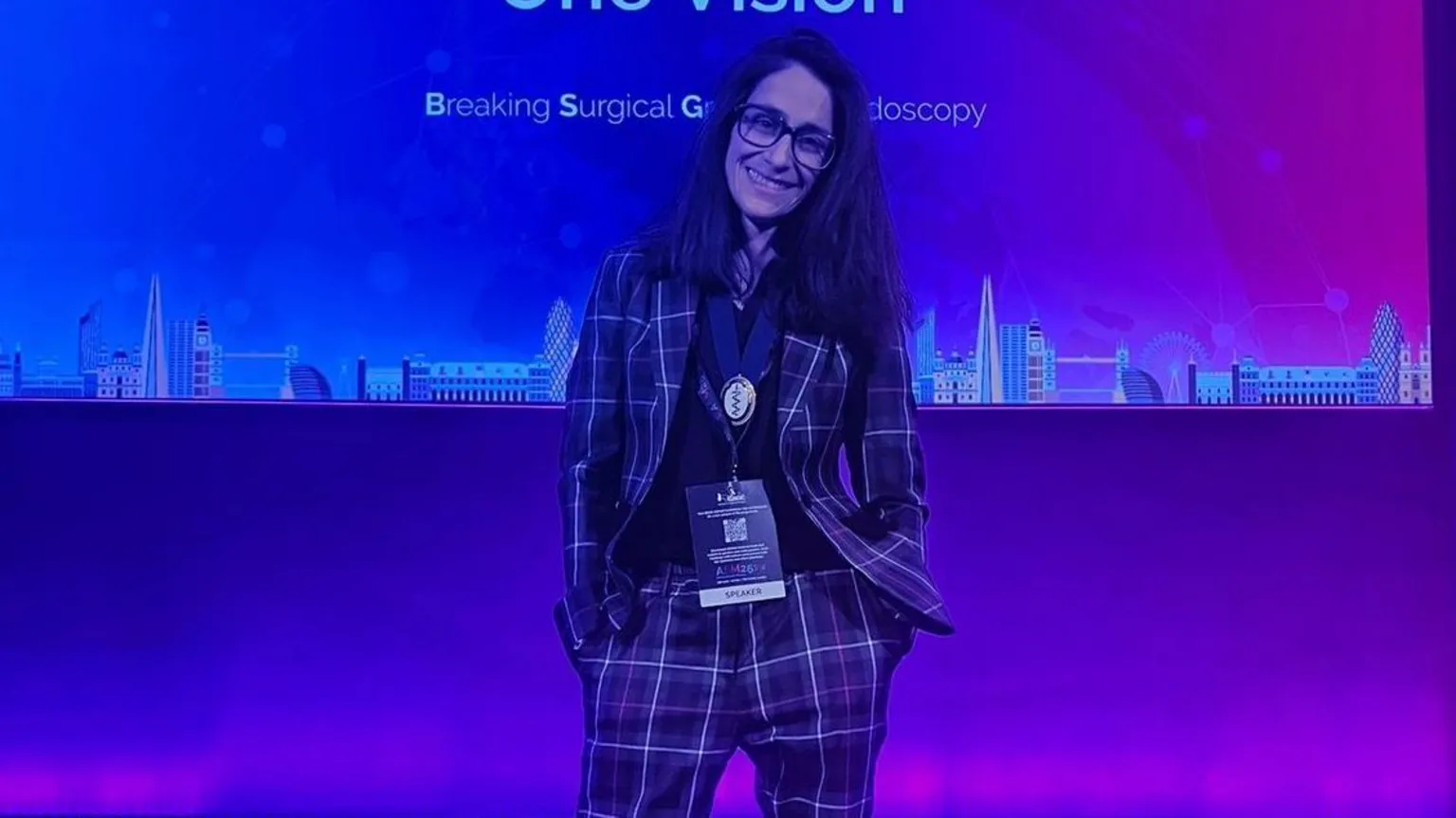
Dr Rebecca Mallick, consultant gynaecologist at University Hospitals Sussex, stated:
"It all starts with education on all levels."
"People should be discussing menstruation from an early age so it's common knowledge that 'periods which stop your day-to-day functioning' are not normal."
Challenges in diagnosis and ongoing research
Historically, adenomyosis has been difficult to diagnose since hysterectomy was the only definitive way to examine the womb. It is also not always detected through scans.
Research is underway to improve diagnosis methods.
Dr Marianne Watters, a clinical researcher with Wellbeing of Women, is investigating whether adenomyosis can be identified through blood samples.
She said:
"I hope that in the future we'll be able to improve on the ways that we currently diagnose."
"It is really surprising that we don't know more about this condition and that it's not more openly talked about in the public."
Impact on mental health and patient advocacy
Zara Dedman, 38, from Kent, described how being dismissed by doctors has severely affected her mental health.
She explained:
"Each day, every month, I am having those depressive thoughts, I am having those anxieties around everything."
Dedman said she often had to explain adenomyosis to medical professionals herself.
She recalled:
"When I've gone to appointments consultants, doctors, nurses have asked 'what does that mean?', 'What is that?'.
"I'm then having to educate them on what adenomyosis is."
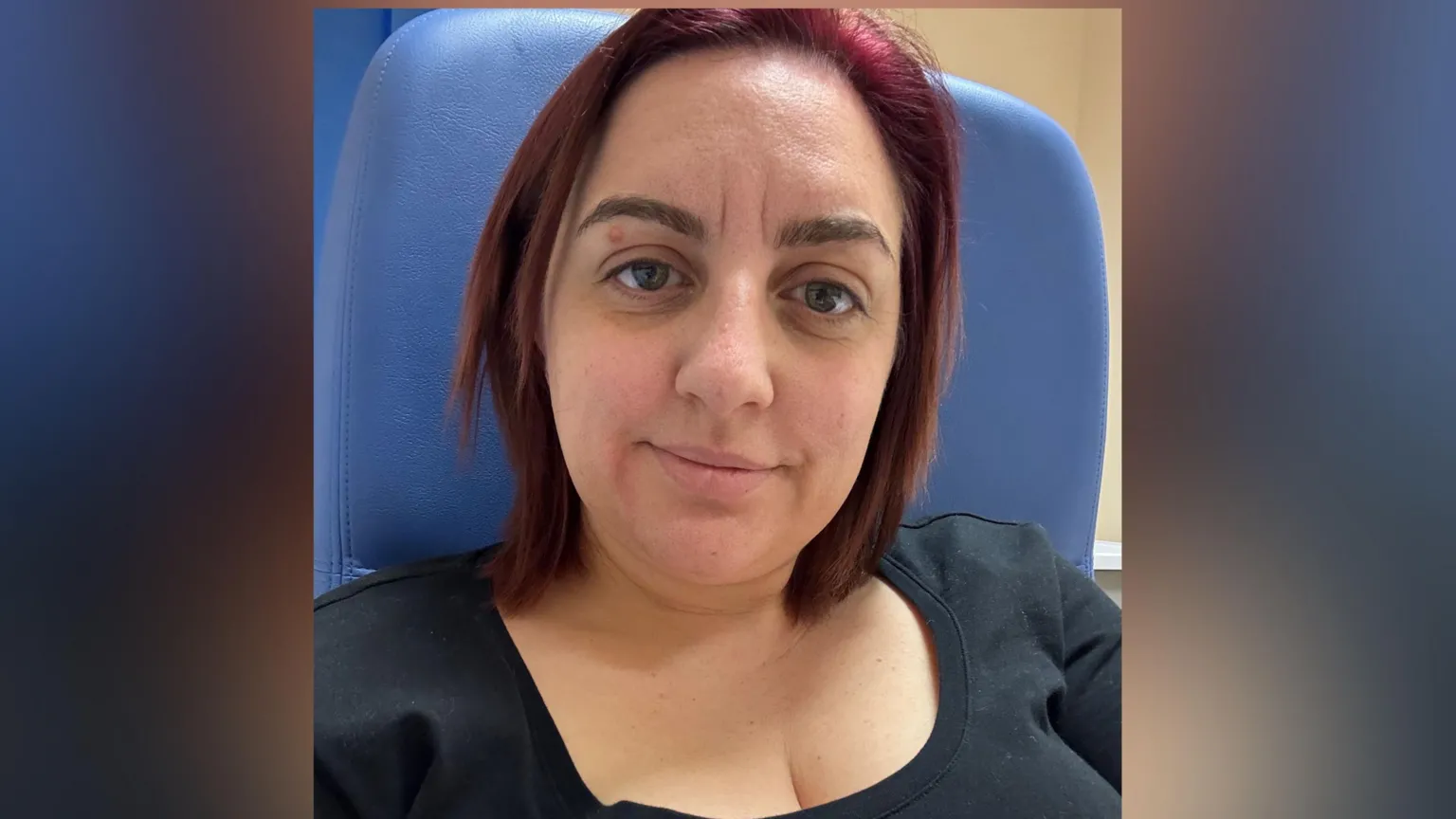
Lillie Bleasdale, a running coach and content creator from Maidenhead, said she had to advocate strongly for her health to receive a diagnosis.
She recounted doctors telling her:
"Maybe it's in your head."

A spokesperson from the Department for Health and Social Care told the BBC:
"Heavy and painful periods are too often normalised, despite being recognised as one of the early warning signs of gynaecological conditions such as adenomyosis."
Bleasdale now uses her social media platforms to educate and empower other women to advocate for themselves.
She described receiving a diagnosis as:
"The most relieving part of the process."
Waiting lists and ongoing struggles
Data from Endometriosis UK in 2025 showed that 580,000 women in England were on the non-cancerous gynaecology waiting list.
Eleni Moutesidi, from Romford, has adenomyosis, endometriosis, and polycystic ovary syndrome (PCOS). She has undergone 11 surgeries for her gynaecological conditions, including a hysterectomy to remove her womb.
She said she still experiences constant pain, exhaustion, and rarely leaves her home.
Moutesidi told her family:
"I don't have the strength to keep fighting anymore."
She added:
"Adenomyosis might be invisible, but its impact is not."
Her advice to medical staff is:
"Trust them when they tell you 'I am in pain'."
If you have been affected by the issues raised in this story, information and support can be found via the BBC's Action Line website.
Follow BBC Surrey on Facebook, on X, and on Instagram and listen to BBC Radio Surrey on Sounds. Send your story ideas to southeasttoday@bbc.co.uk or WhatsApp us on 08081 002250.


