

From chilly nights to sunny days: Why is Scotland experiencing temperature extremes?
Have you recently enjoyed sunny weather in Scotland only to need a hot water bottle at night? You are likely not alone. A high-pressure system over Scotland has suppressed the usual April showers, resulting in above-average temperatures and abundant spring sunshine.
However, the clear skies that bring sunshine and warmth during the day also contribute to significant temperature drops overnight.
On Thursday, Tomintoul in Moray began the day at -7°C and rose to 20°C within approximately nine hours, marking a 27°C increase.
"We often see large temperature swings in spring but the numbers from Tomintoul are impressive," said BBC Weather presenter Christopher Blanchett.
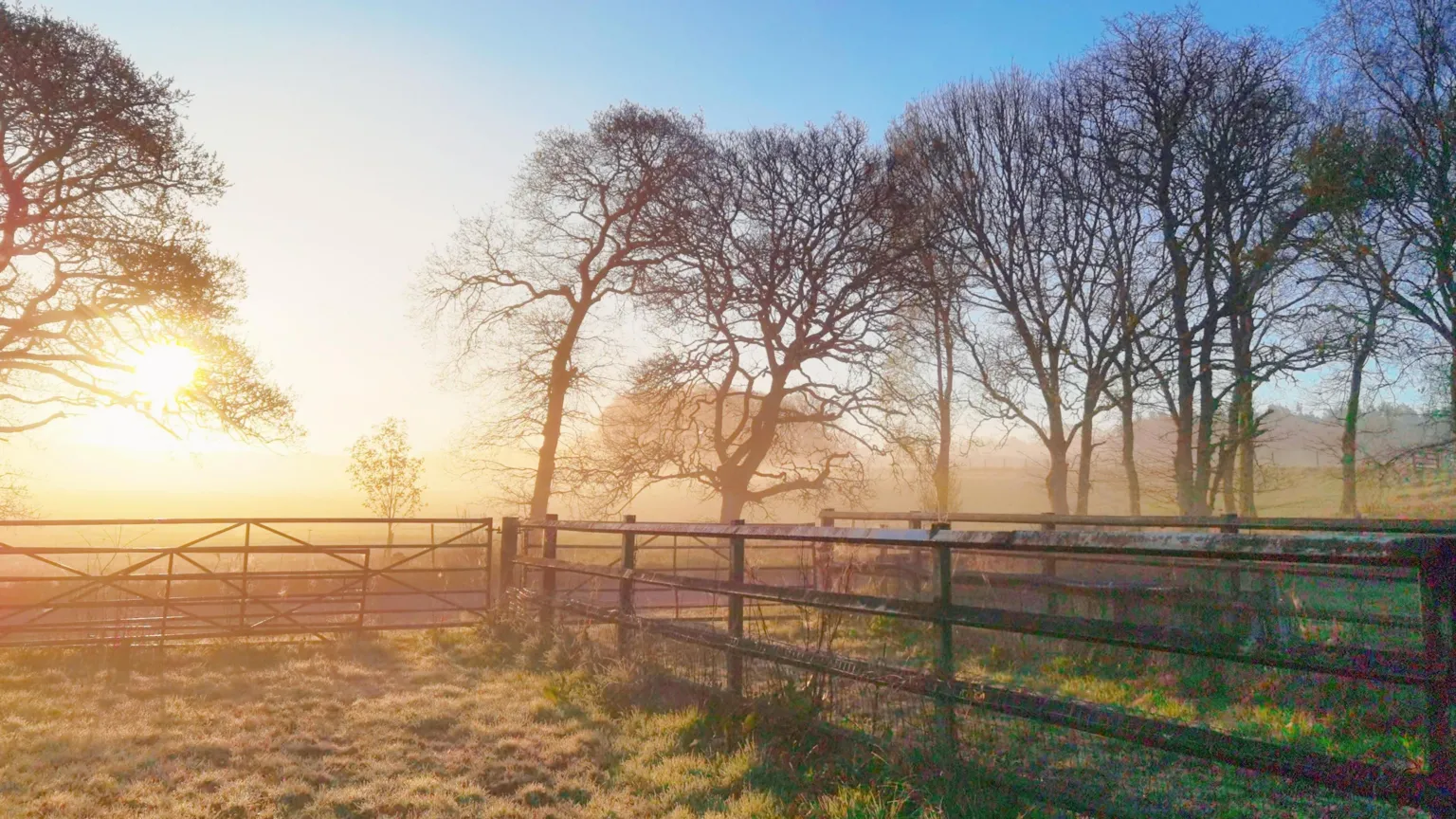
What causes large temperature extremes from day to night?
Clear skies and light winds combined with spring sunshine can elevate daytime temperatures. However, the absence of cloud cover at night allows heat to escape rapidly after sunset.
Spring nights remain relatively long with cool surface temperatures, leading to conditions where people may scrape frost off their cars in the morning and wear shorts, t-shirts, and sunglasses by afternoon.
Aviemore in the Scottish Highlands recorded the highest temperature in Scotland on Thursday at 21.4°C, rising from -2.1°C overnight.
Similarly, Aboyne in Aberdeenshire reached a peak of 19.4°C after starting with a chilly minimum of -4.7°C, representing a 24.1°C increase.
These substantial temperature fluctuations are known as the diurnal temperature range, which is the difference between the highest and lowest temperatures within a day.
Typically, afternoons are the warmest time of day as the sun has warmed the ground and surrounding air, while the coldest period usually occurs just before sunrise when the ground has lost heat overnight.
Blanchett said the 27°C diurnal range in Tomintoul was higher than a typical spring diurnal range.
He added that the largest recorded diurnal range in Scotland was on 14 January 1979, when temperatures at Lagganlia in Inverness-shire shifted from -23.5°C to 6.6°C, a 30.1°C swing.
What affects the temperature?
Solar radiation is the primary factor influencing these temperature variations.
Sunnier and longer days in spring tend to be warmer than cloudy, dull days due to the strength and duration of direct sunlight.
The air, land, and sea absorb and release heat at different rates, affecting local temperatures.
Inland areas such as Aviemore, Aboyne, and Tomintoul typically experience more dramatic diurnal temperature ranges during spring, whereas coastal and island regions remain cooler with smaller temperature swings.
For example, while Aviemore reached 21.4°C on Thursday, Inchbervie on the Aberdeenshire coast peaked at only 8.4°C, far from "taps aff" weather.
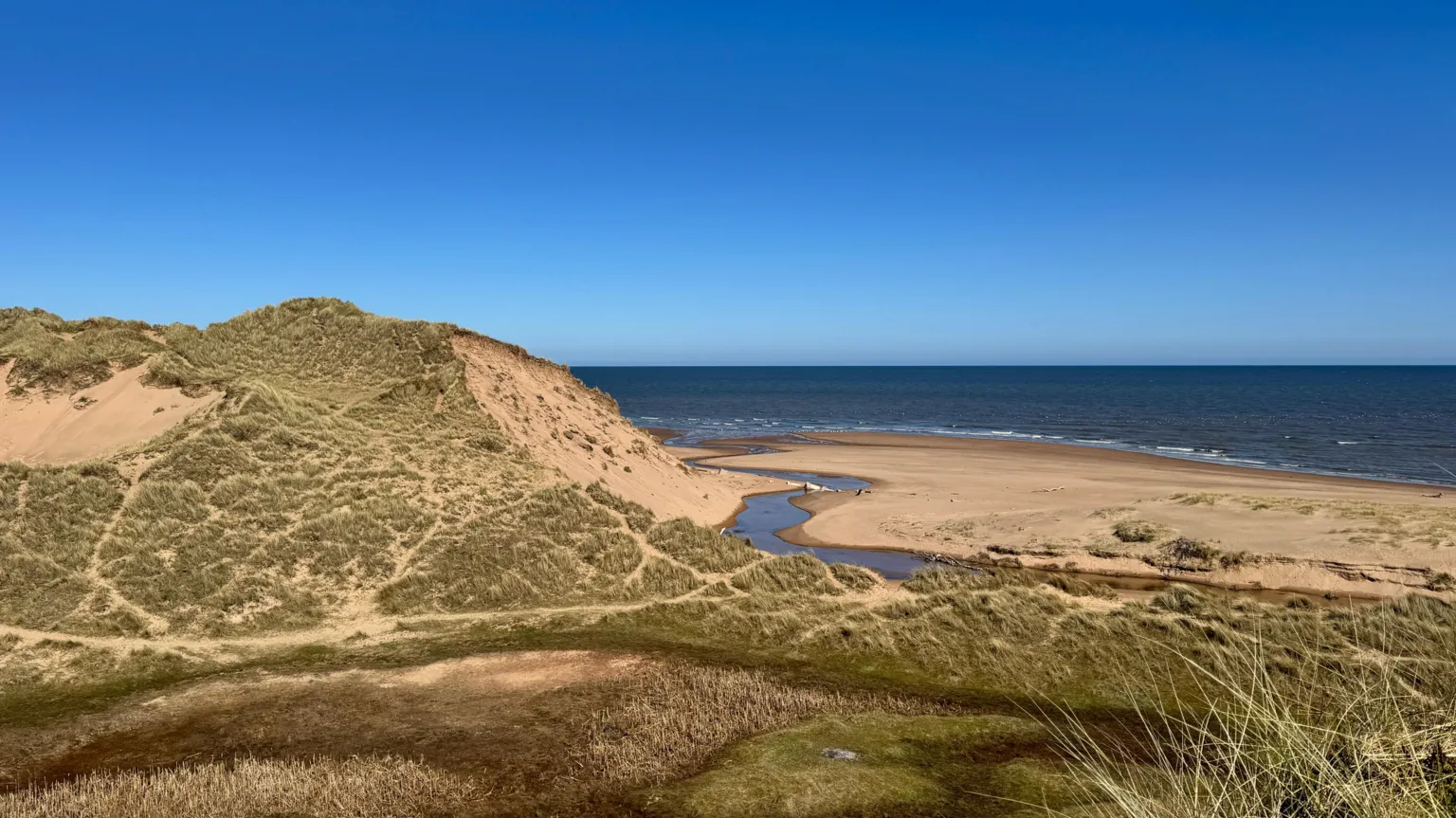
Hillier regions also experience greater temperature swings, as humidity significantly influences temperature variation.
Moist, cloudy air slows both heating and cooling since water vapor absorbs heat, reducing temperature differences especially in coastal areas.
What are the UV levels in spring?
Ultraviolet (UV) levels are expected to be high in Scotland over the weekend. However, temperatures may not be as warm as those typically seen later in summer.
Blanchett said: "Sometimes on a clear spring day, the sun in April can be just as strong as it is in August."
While moderate exposure to UV radiation is essential for vitamin D production, overexposure can adversely affect the skin, eyes, and immune system.
UV levels in spring usually peak around 13:00 and are stronger at higher elevations.
What is the forecast for next week?
High pressure is expected to persist over the weekend, bringing frosty mornings and pleasant afternoons.
"It will be cooler over the weekend with more cloud but the largely dry and settled conditions will hold on into next week," said Blanchett.
"Temperatures should climb back to the high teens or 20°C again inland by Tuesday or Wednesday."
The warmest day of 2026 so far was 7 April, when Kinloss in Moray recorded 22.5°C.
But there's still snow on the hills
Two of Scotland's mountain snowsports centres reported suitable conditions for skiing and sledging enthusiasts.
Cairngorm Mountain, near Aviemore, stated that overnight temperatures dropping to -1°C firmed up the snow.
The resort noted it had "great snow cover" in its Ptarmigan Bowl area.
Glencoe Mountain reported having snow available for sledging, with chairlifts operational for ski tourers to access higher snow levels.
In 2010, skiing at Cairngorm Mountain was possible until midsummer in June.


