

Devastating Wildfire Impact on Dartmoor
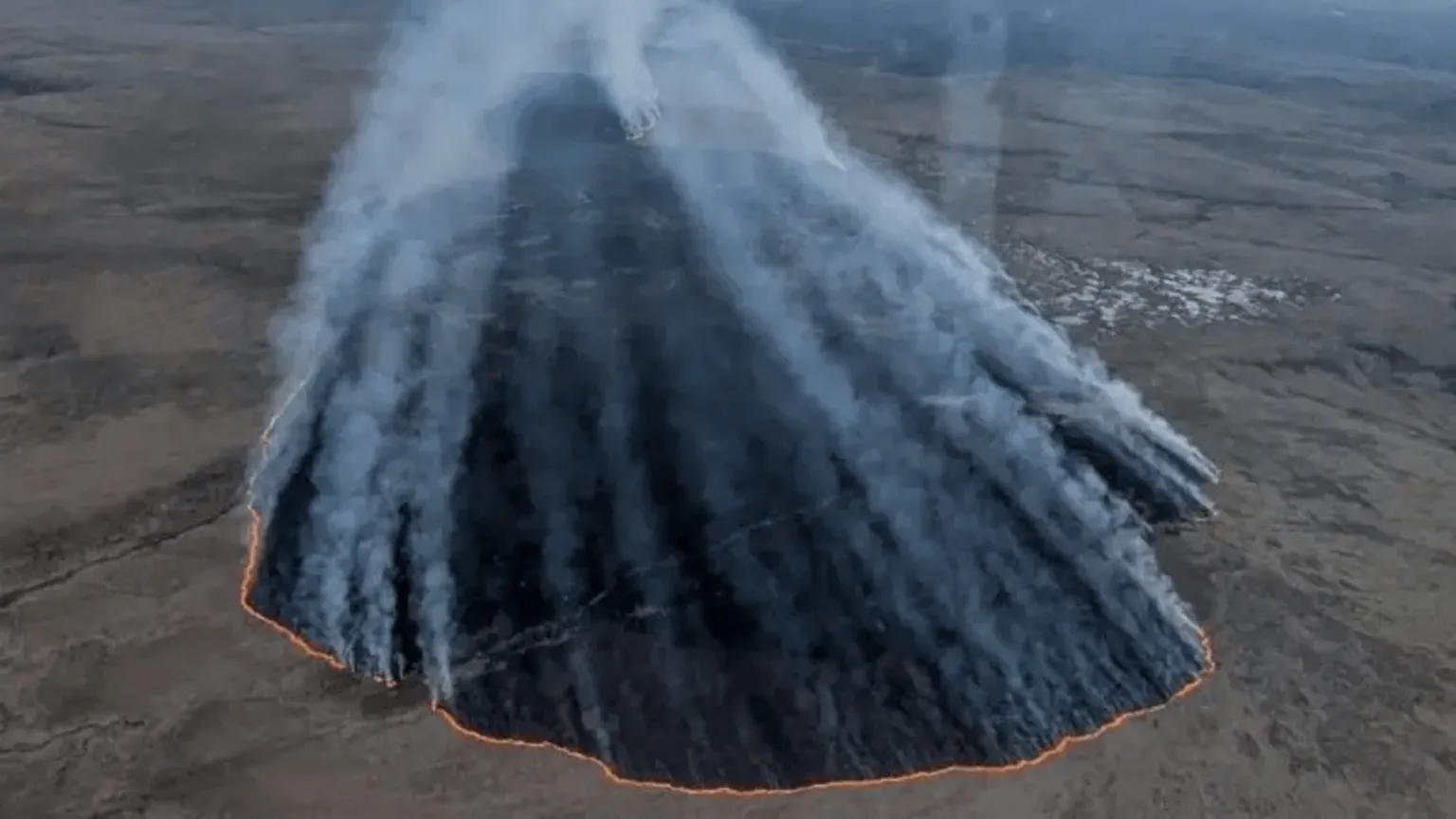
"It was absolutely devastating," farmer Tracy May reflected on the extensive wildfire that consumed more than 1,000 acres on Dartmoor last May.
Discussing the intense blaze that raged in Devon for nearly 24 hours, May, who also serves as chair of the Dartmoor Commoners' Council (DCC), stated:
"Ground-nesting birds, animals with their young - everything - they couldn't get away from the fire."
Improving Wildfire Preparedness on Dartmoor
Over the past year, efforts have been made on Dartmoor to enhance wildfire readiness. These include cutting an additional 25 miles (40km) of firebreaks and improving access routes for emergency vehicles.
Cornwall Fire and Rescue Service has reported a rise in wildfires in recent years, aligning with warnings from the National Fire Chiefs Council (NFCC) that wildfire risk is increasing due to climate change.
Expert Insights on Fire Risk and Prevention
Simon Lee, head ranger at Dartmoor National Park Authority (DNPA), explained the current situation:
"We are at quite a high level of fire risk.
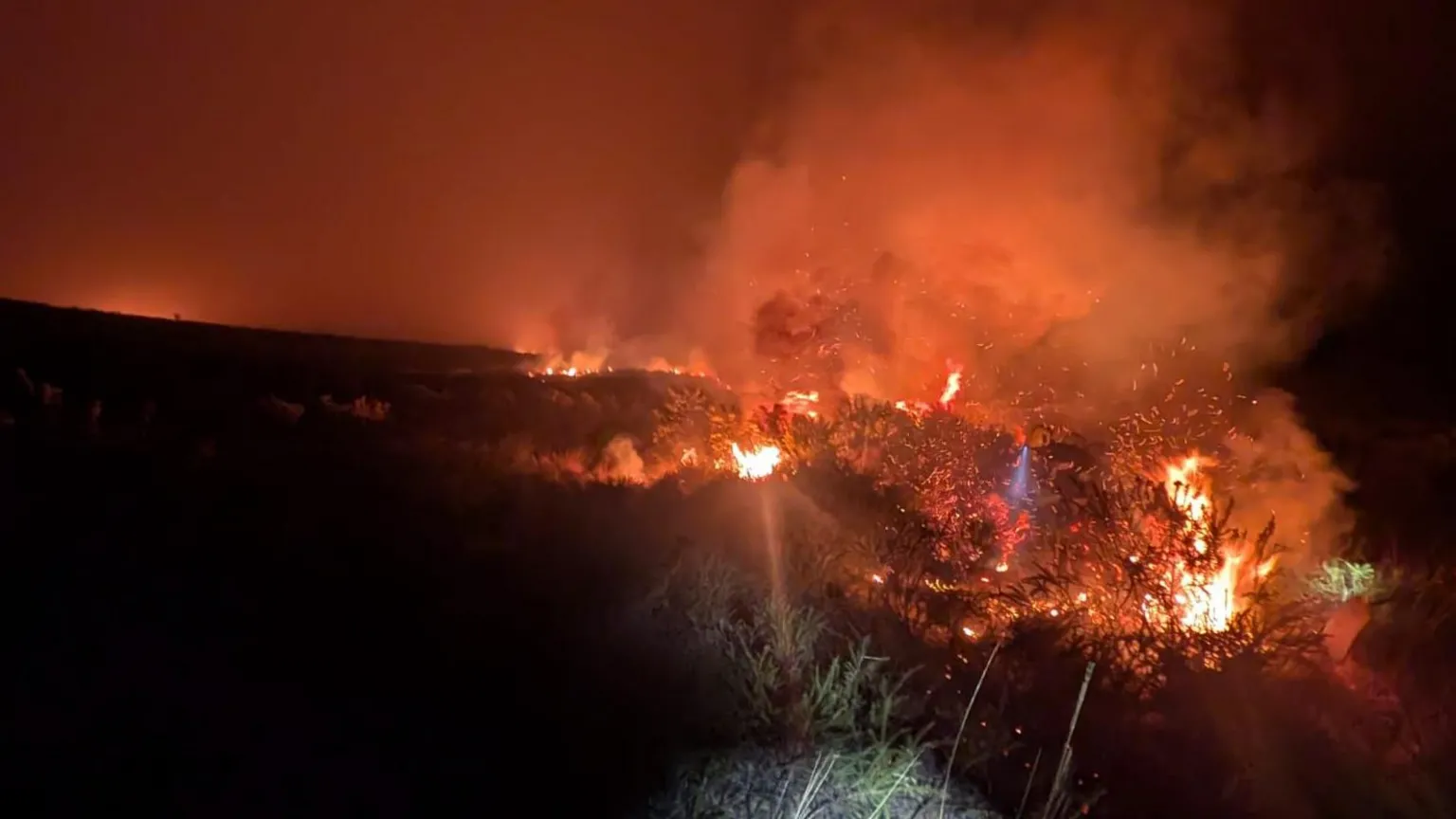
Wildfires can spread through vegetation very rapidly and cover a very large area. It can permanently damage the ecology of the area, as well as putting people and ground-nesting birds at risk.
We're asking people during these drier months to leave the barbecue at home and picnic instead.
It's also really important to remind people that there are no open fires permitted on Dartmoor at any time of year."
Callum Deveney, head of nature reserves at Cornwall Wildlife Trust, highlighted concerns beyond individual fires, emphasizing the impact of repeated burning on habitats:
"Good habitation on a moorland site usually has structure.
You have short vegetation, then you'll have taller heathers and gorses, and a variety of plants.
If that burns year after year after years, you'll just have a very uniform habitat, and that doesn't attract a variety of wildlife."
Fire Service Challenges and Causes
Ian Donovan from Devon and Somerset Fire and Rescue Service (DSFRS) noted the complexities of wildfire management:

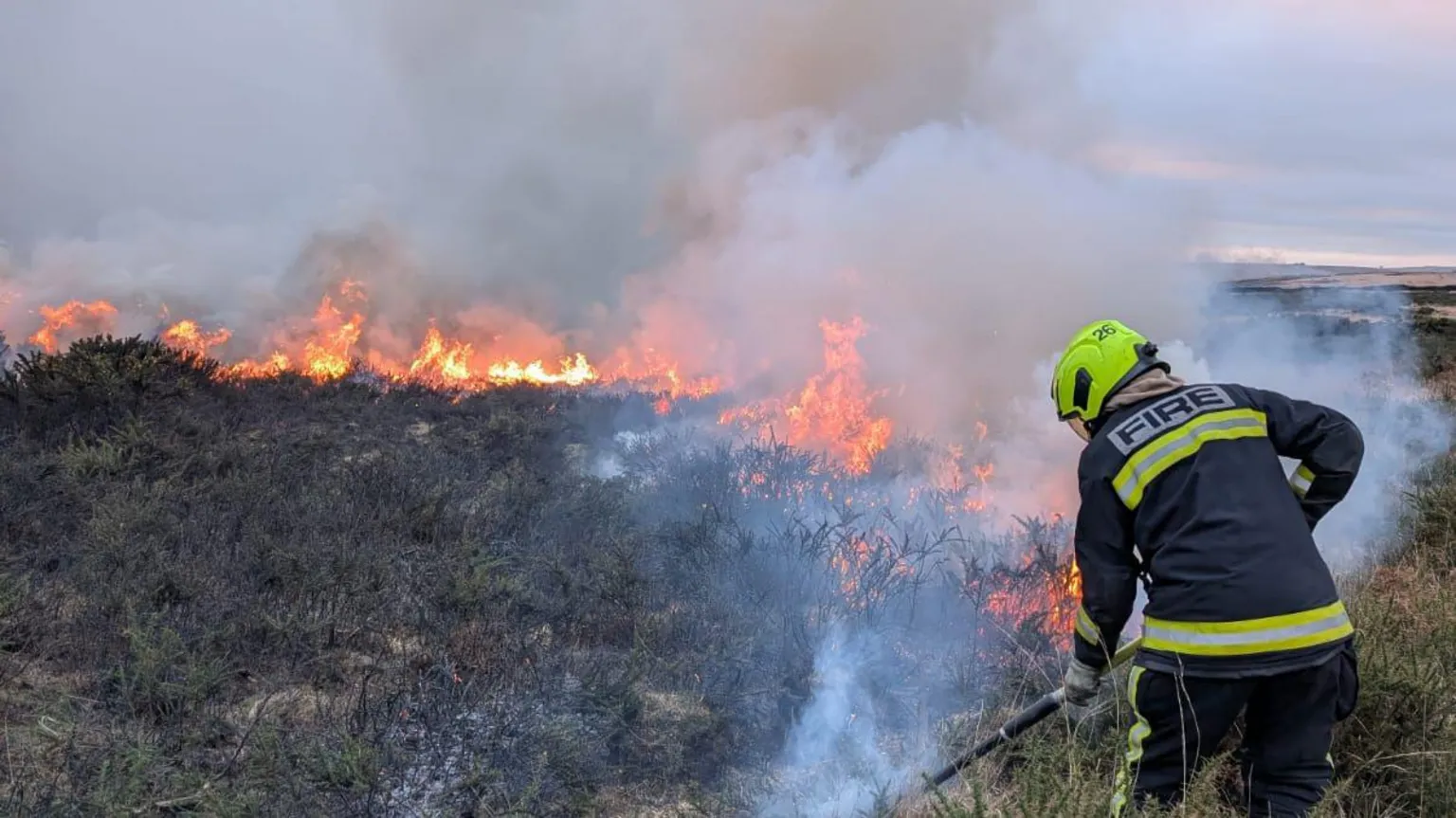
"Wildfires can be extremely difficult to manage and extremely dangerous."
Donovan has collaborated with DNPA and DCC to bolster wildfire preparedness. He explained factors influencing wildfire spread include wind conditions, vegetation type, temperature, and humidity.
He added that most wildfires stem from "human intervention," such as open fires, barbecues, or discarded cigarettes.
Dave Swallow, wildfire deputy lead for NFCC, commented on climate change effects:
"Recent examples have show us the impact of climate change, with hotter drier summers.
In the South West and on Dartmoor, where there are peat bogs, in those really dry conditions, the fires can burn into the peat and that's what can take a long time to extinguish."
Wildfires definitely put pressure on fire services."
Strategic Fire Plan and Ongoing Efforts
Tracy May and other farmers are collaborating with Dartmoor National Park Authority and partners to develop the Dartmoor Strategic Fire Plan. The plan aims to reduce wildfire risk and improve response times when fires occur.
Measures include mapping land to identify firebreaks, water sources, and vegetation types. Improvements are also being made to access roads and river crossings. Additionally, members of the Dartmoor Commoners' Council are receiving training and equipment to assist in firefighting efforts.
May expressed cautious optimism about the current state of preparedness:
"Dartmoor is in a much better position than it was," May said.
"But, whenever we have dry weather, I have half an eye on the horizon, looking for smoke."
Follow BBC Devon on X, Facebook, and Instagram. Send your story ideas to spotlight@bbc.co.uk.


