

Protecting Bluebell Woods
A charity is urging visitors to "stick to the path" when exploring bluebell woods to ensure the flowers remain for future seasons.
The Woodland Trust has expressed concern that individuals seeking the perfect photograph in south-west England may inadvertently walk into bluebell copses, damaging the plants by stepping on them.
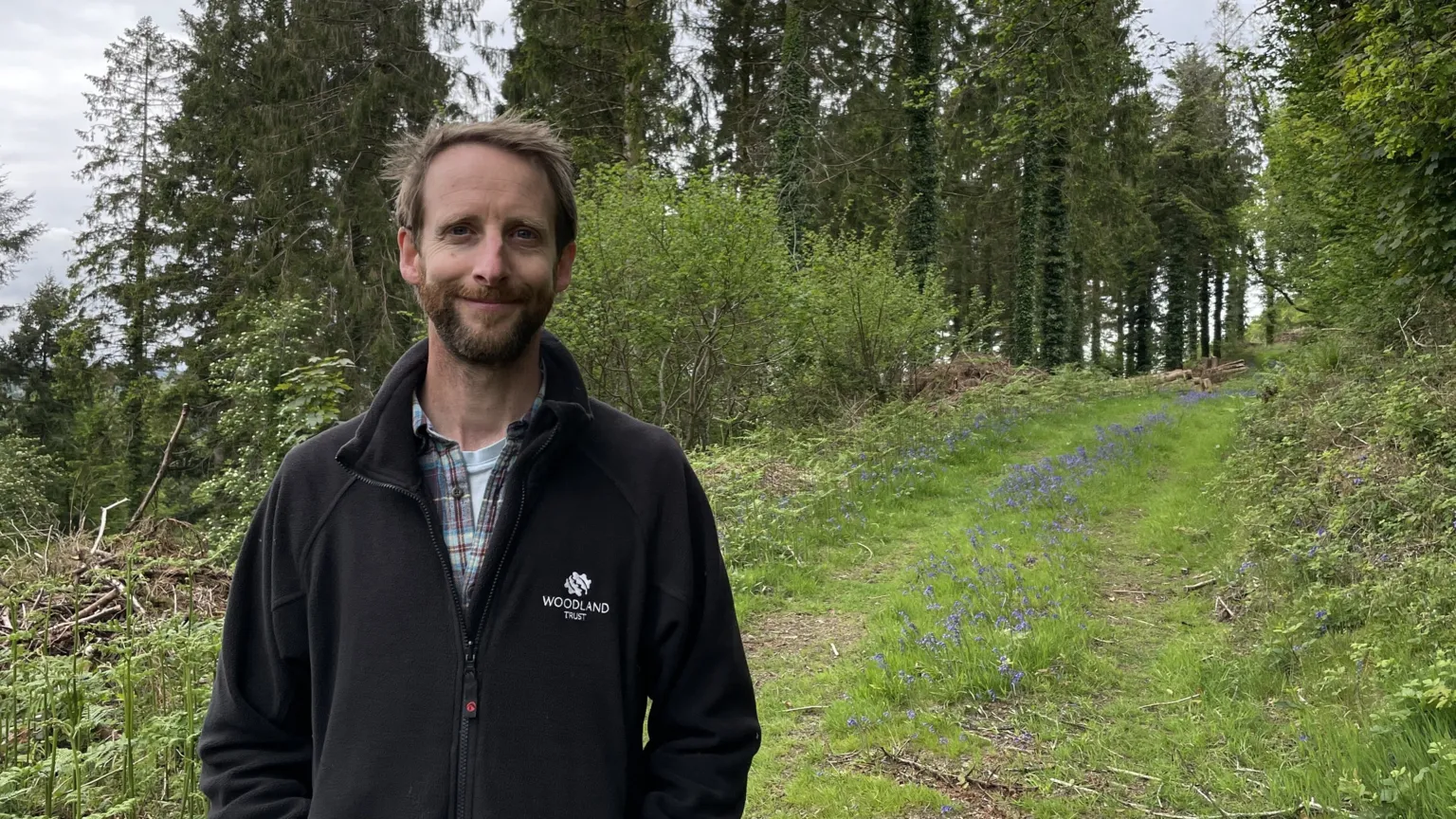
"Stay on the path, keep your dog on a lead, use the zoom on your camera, don't trample all over them,"said Joe Middleton, Devon site manager for the Woodland Trust.
He explained that trampling not only breaks the flowers but also compacts the soil beneath, hindering the growth of new plants.
Impact on Wildlife
The charity has also highlighted the effects on insect populations.
"We don't need humans trampling flowers to add to the list of pressures that our wildlife is already facing,"Middleton added, emphasizing that bluebells provide essential pollen to emerging insects in early spring, which in turn support birds and other animals.
The Woodland Trust encourages people to visit and appreciate the flowers but to do so in a manner that safeguards all species within the habitat.
"There are not just fragile flower populations, there's also birds trying to nest on the ground."
Bluebell Characteristics and Legal Protection
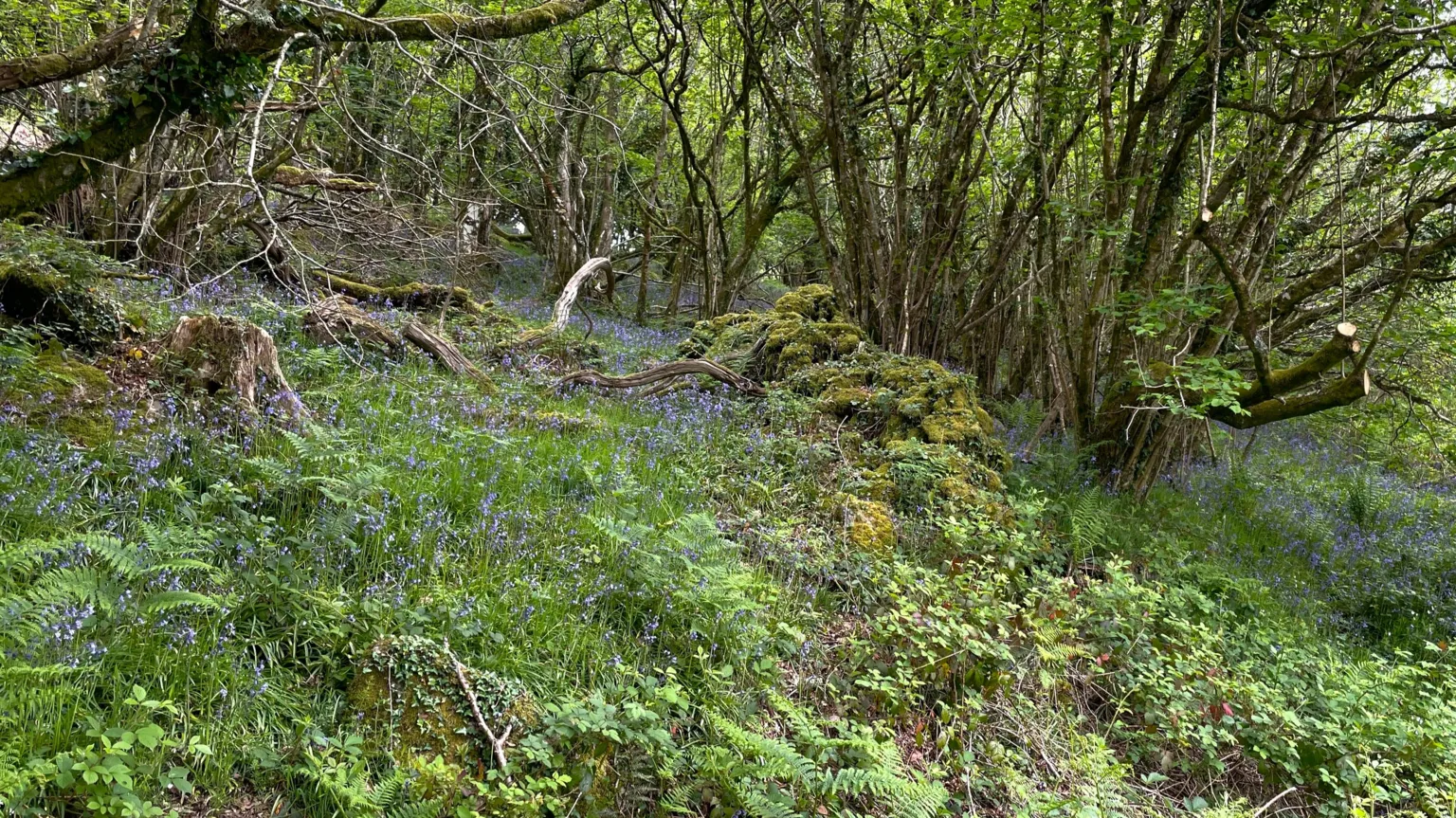
Bluebells are native to western Europe, with south-west England serving as a stronghold for the species, according to the trust. They are commonly associated with ancient woodland and often used alongside other species as indicators of such woods.
These flowers can reach their highest densities in UK woodlands, where thousands of bulbs may create the striking blue carpets seen in spring.
The bluebell is protected under the Wildlife and Countryside Act (1981). This legislation prohibits digging up the plant or its bulbs in the countryside and forbids landowners from removing bluebells from their property for sale.
Community Engagement
For further updates, follow BBC Devon on X, Facebook, and Instagram. Story ideas can be sent to spotlight@bbc.co.uk.


