

Public Urged to Help Protect Scotland's Only Natterjack Toad Colonies
A call has been issued to the public to assist in protecting Scotland's sole colonies of natterjack toads located along the Solway Coast by paying attention to their distinctive calls.
The natterjack toad, known as the UK's loudest amphibian, is also the rarest in the country. A coalition of nature charities is collaborating to ensure the species' survival.
Wildlife charity Amphibian and Reptile Conservation (ARC) is encouraging local residents to listen for, note, and if possible, record the toads' calls.
This data will aid in assessing the population's status in the region and contribute significantly to conservation efforts aimed at securing the species' future.
Distinctive Calls and Breeding Season
Male natterjack toads emit loud, rasping calls to attract mates during the breeding season, which typically begins in April and can extend through July.
Their calls are notable for their volume and can be heard up to one kilometre (1,090 yards) away.
These toads are most active on warm evenings following heavy rainfall.

Habitat and Population Decline
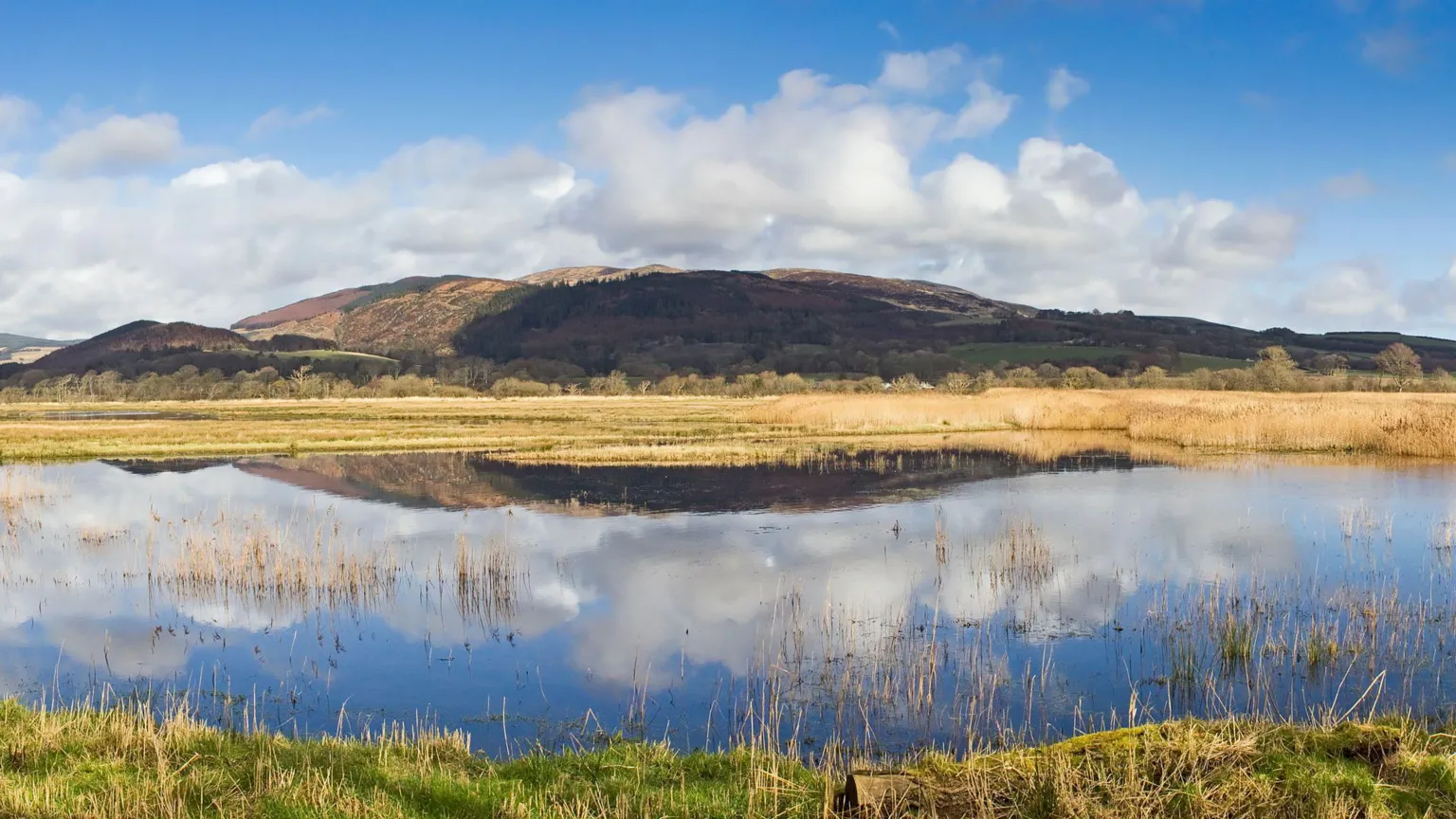
Natterjack toads are found exclusively at a limited number of sites in Scotland, all situated along the Solway Coast. These include the Royal Society for the Protection of Birds' (RSPB) Mersehead Reserve near Southerness.
In recent years, their numbers have suffered a steep decline, primarily due to habitat loss driven by rising sea levels, coastal erosion, intensified agriculture, urban development, and commercial forestry.
Their breeding habitats are particularly vulnerable to extreme weather events such as prolonged droughts and severe winter storms, occurrences that have increased in frequency as a result of climate change.
Conservation Efforts and Species on the Edge Programme
Efforts to bolster natterjack populations are underway through the Species on the Edge programme, a partnership involving NatureScot and seven conservation charities.
Liam Templeton, the Species on the Edge project officer for the area, highlighted the precarious situation of the toads.
"The natterjack toad is truly a 'species on the edge' - in more than one sense.
Here in Scotland the natterjack is at the very edge its range; the Solway Coast is the most northerly place on earth you'll find it.
And with its coastal habitat now being at almost constant risk, whether from storms, droughts, or sea level rise, its future in Scotland is teetering on the brink."
He emphasized the importance of understanding the species' current status to ensure its survival and encouraged local residents to contribute to monitoring efforts.
How to Help
Individuals who hear a natterjack toad are asked to inform ARC by providing the date, time, and location of the sighting or hearing. If possible, they should also submit an audio recording of the call.
Reports can be sent to sote@arc-trust.org.


