

Project to Save Rare Black Poplar Trees Begins in North Yorkshire
A conservation initiative aimed at preserving one of the United Kingdom's rarest native tree species has commenced in North Yorkshire.
Under the Forgotten Flora project, the Howardian Hills Partnership and North York Moors National Park are collaborating to increase the population of black poplar trees, whose numbers have declined to approximately 7,000 across the UK and Ireland.
"Of the 7,000 or so trees left, only about 600 are female and the rest male. This severely limits natural seed reproduction,"said project leader Ambrose Greenfield.
Saplings propagated from the few surviving black poplar trees in the county are currently being cultivated in Terrington, near Malton. These young trees are expected to be planted in the wild within the next two years.
"We've taken cuttings from the two mature trees we do know of in the Howardian Hills, one of which is female,"Greenfield added.

For natural reproduction to occur, male and female black poplar trees must be in close proximity, as fertilised seeds require damp environments such as wetlands to take root successfully.
Black poplar trees are identifiable by their deeply fissured bark and triangular-shaped leaves. Mature specimens often exhibit a characteristic lean to one side.
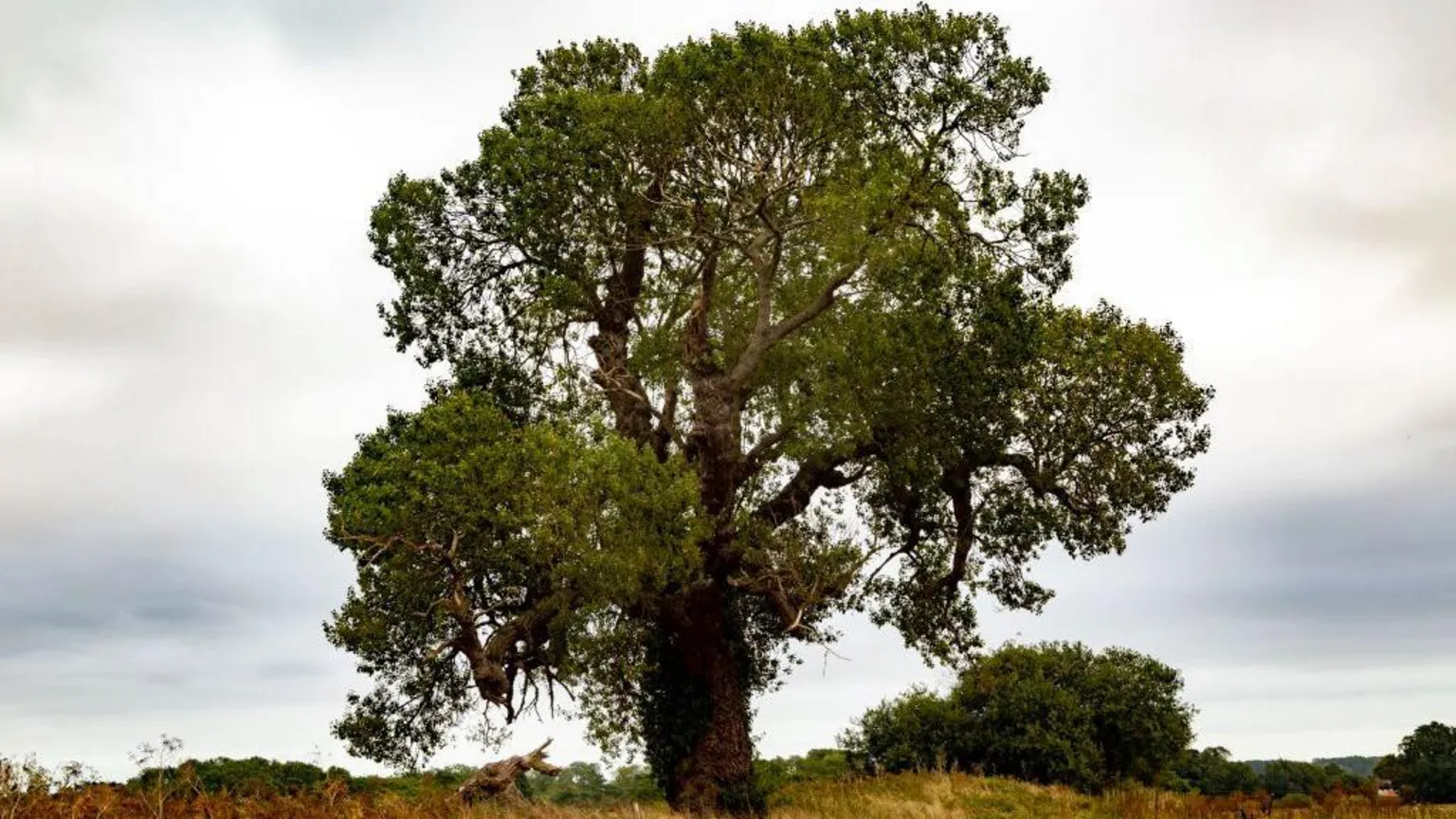
Historically, black poplar timber was valued for its natural springiness and was used in the manufacture of floorboards, cart wheels, and wagon bottoms.
Forgotten Flora Project's Broader Conservation Efforts
The Forgotten Flora project was initiated three years ago with the objective of reviving threatened plant species in North Yorkshire. This initiative has resulted in the planting of thousands of lesser-known wildflower species across the region.
Listeners can access highlights from North Yorkshire on and catch up with the latest episode of Look North for further information.


