

The Death of the Major Oak
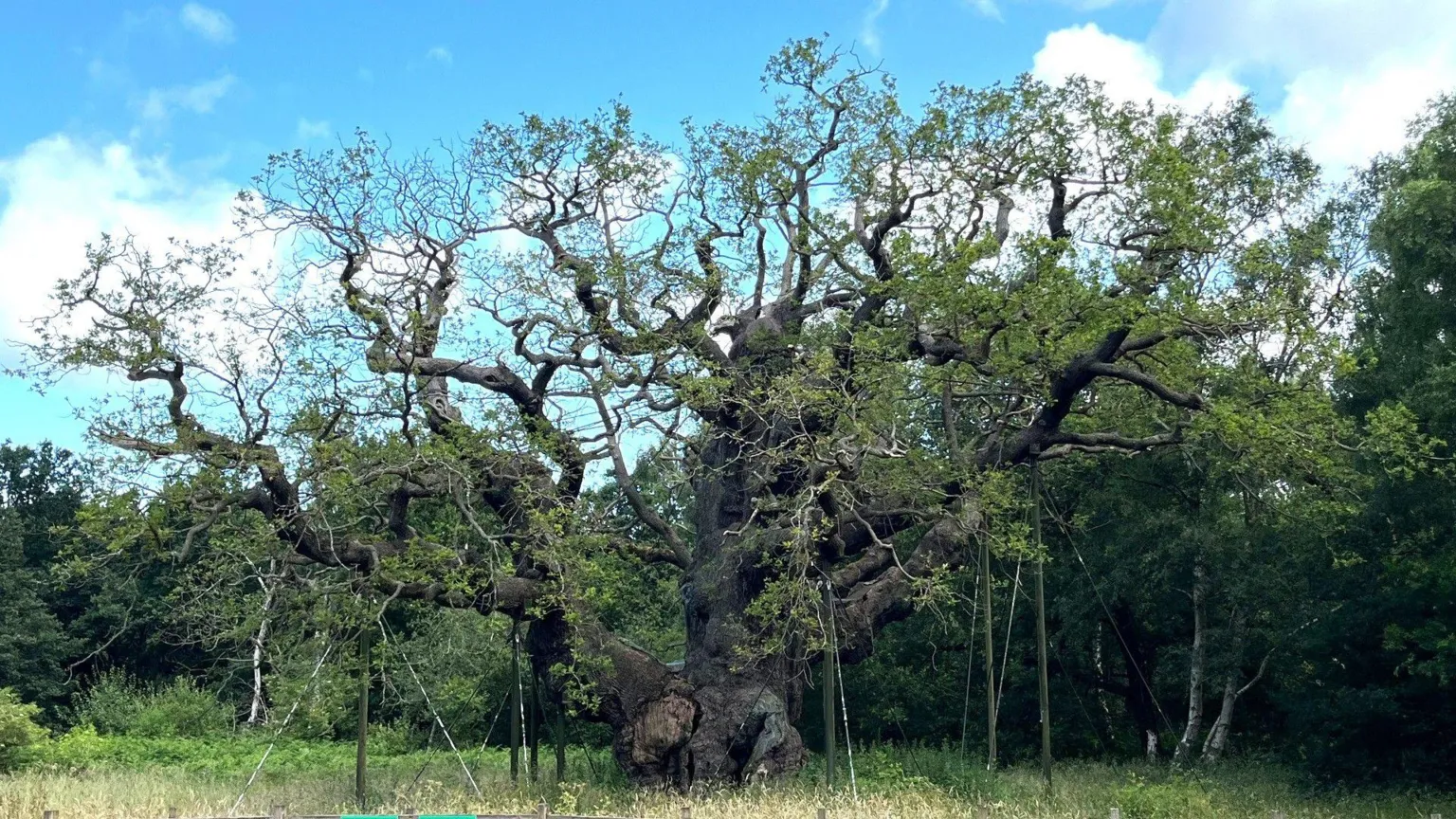
The Major Oak, one of the United Kingdom's most renowned trees due to its immense age, size, and association with the Robin Hood legend, is believed by experts to have died.
Located in Sherwood Forest, Nottinghamshire, the ancient oak is estimated to have lived for up to 1,200 years and is considered among Britain's largest oak trees.
Conservationists had long worked to protect the tree, which attracted millions of visitors throughout its life. However, in recent years, the natural giant showed signs of decline.
The Royal Society for the Protection of Birds (RSPB), the conservation charity managing Sherwood Forest, announced that following the tree's first spring without leaves this year, scientific experts concluded the Major Oak had died.
Causes of Decline
While pinpointing the exact cause of the oak's death remains challenging, the RSPB indicated that a combination of factors contributed significantly. These include years of "well-intentioned structural intervention and huge amounts of human activity" surrounding the tree.
The charity also highlighted the exacerbating effects of climate change, such as recent heatwaves and droughts, which compounded the natural challenges faced by a tree of such advanced age.
Legacy and Conservation Efforts
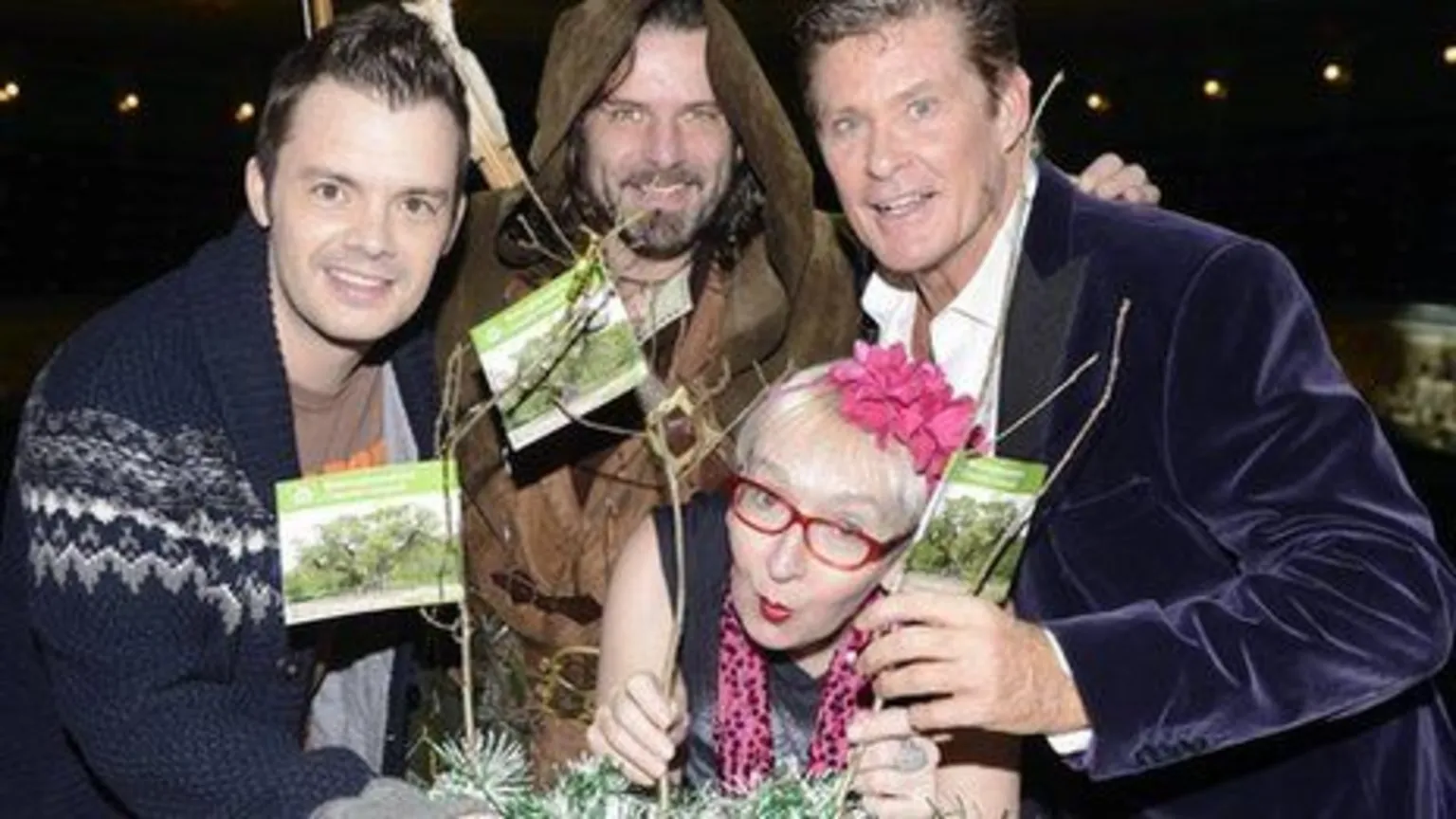
The Major Oak will remain standing in Sherwood Forest as a monument for both people and wildlife, the RSPB confirmed. Additionally, saplings derived from the tree have been planted worldwide.
Historical and Cultural Significance
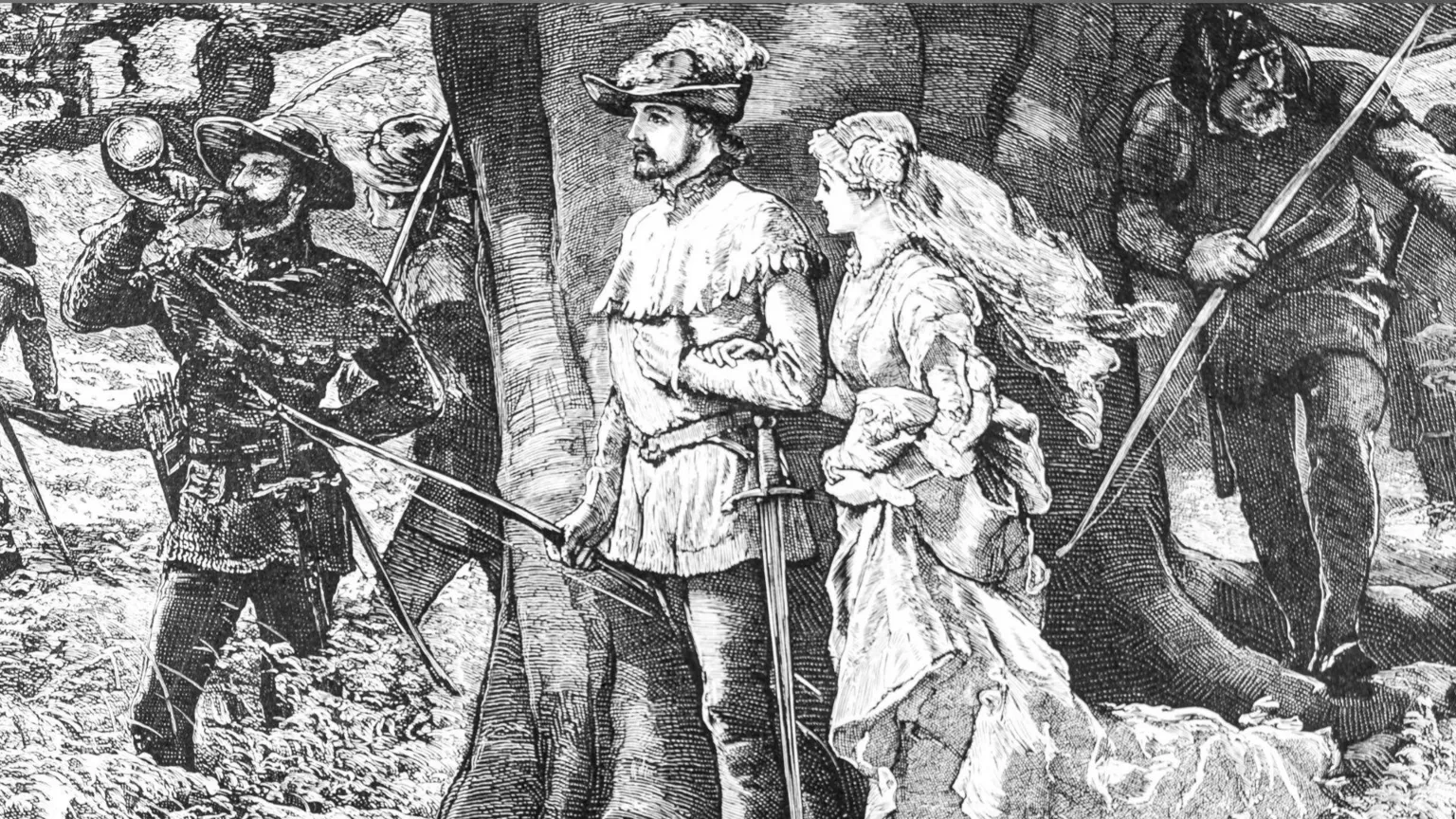
Legend holds that the outlaw Robin Hood used the Major Oak's hollow trunk as a hideout. The hollowing, in reality, was caused by fungi.
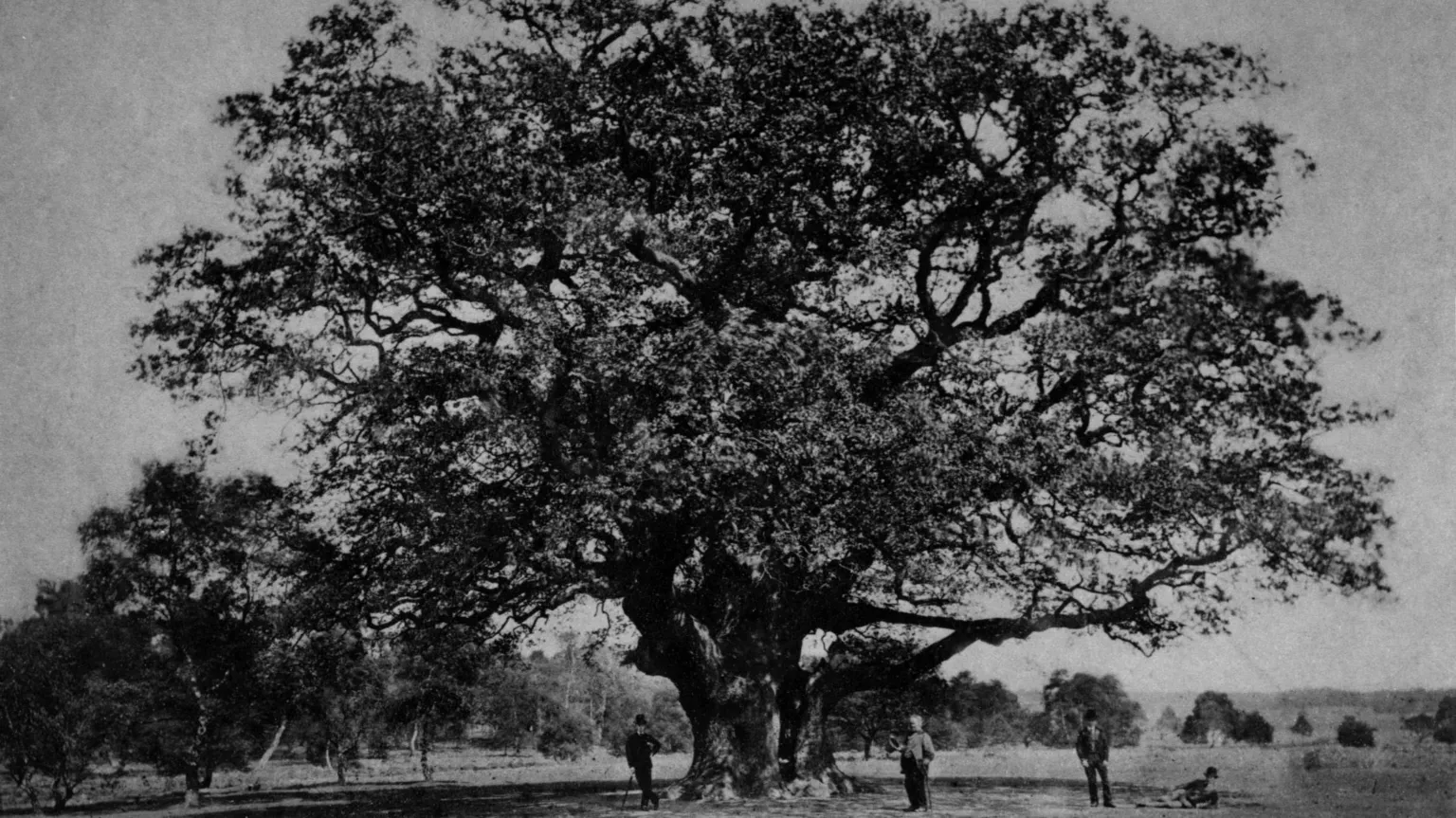
The tree has been known by many names, but the name "Major" became established after it was mentioned in a 1790 book by Major Hayman Rooke, a former British Army soldier residing in Mansfield Woodhouse, near Sherwood Forest, after his military service.
According to the RSPB, Rooke's book initiated the first waves of tourism to the forest and the "world-famous" tree.
Tributes from Notable Figures
Renowned actor Dame Judi Dench, known for her admiration of ancient oak trees, has paid tribute to the Major Oak.
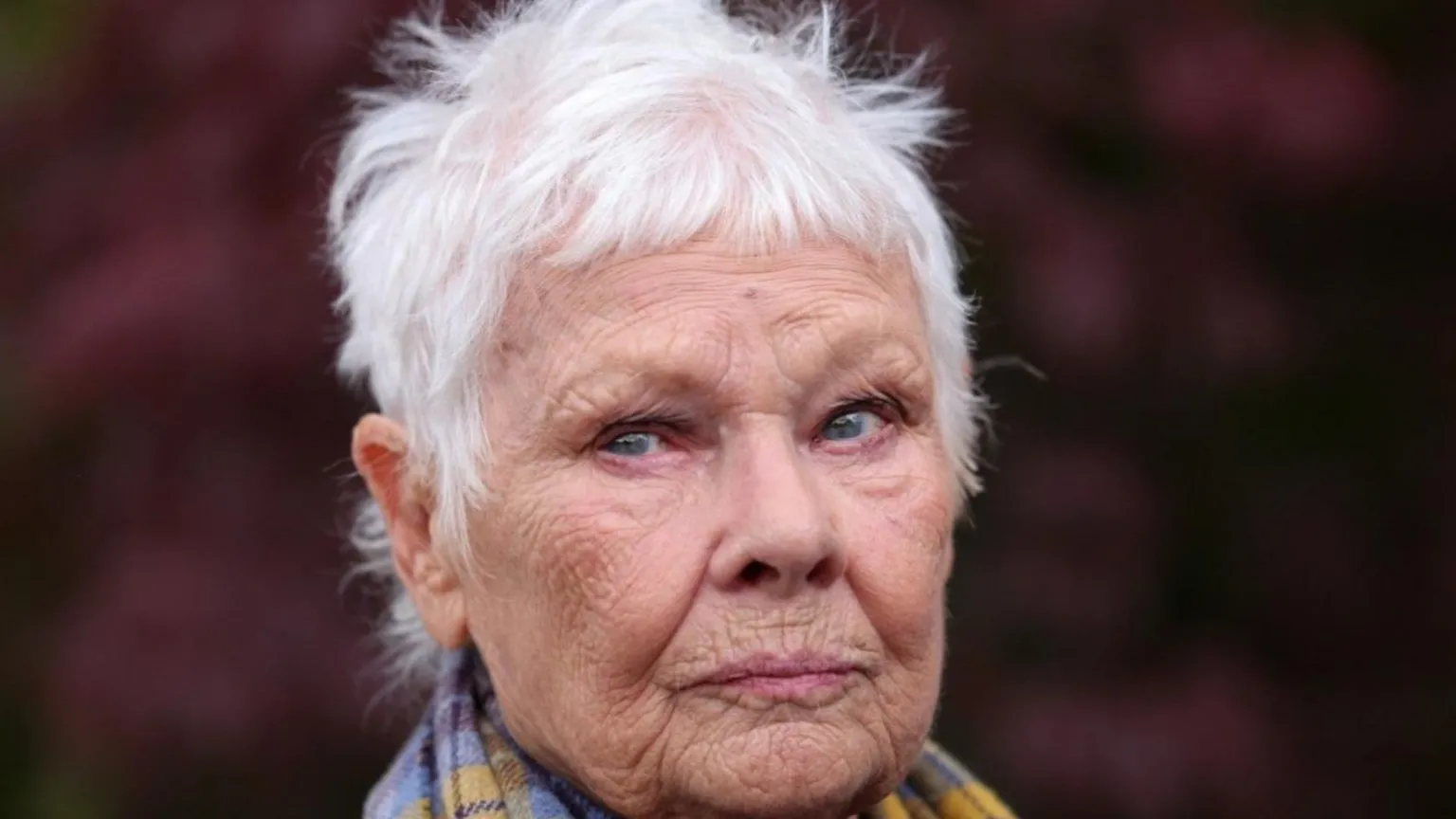
"The Major Oak has provided inspiration for countless stories, poems, paintings and people for more than 1,000 years - all the while itself teeming with life and providing a home to an enormous range of wildlife."
"I was lucky enough to plant an oak sapling from Sherwood Forest with Woodland Trust CEO Darren Moorcroft in my garden recently. It has a special place alongside the cutting from the Sycamore Gap tree."
"I hope everyone who has been inspired by the Major Oak or another ancient tree reaches out to their MP and asks them to improve legal protections for these iconic and vital elements of our national landscape."
Physical Characteristics and Visitor Interaction
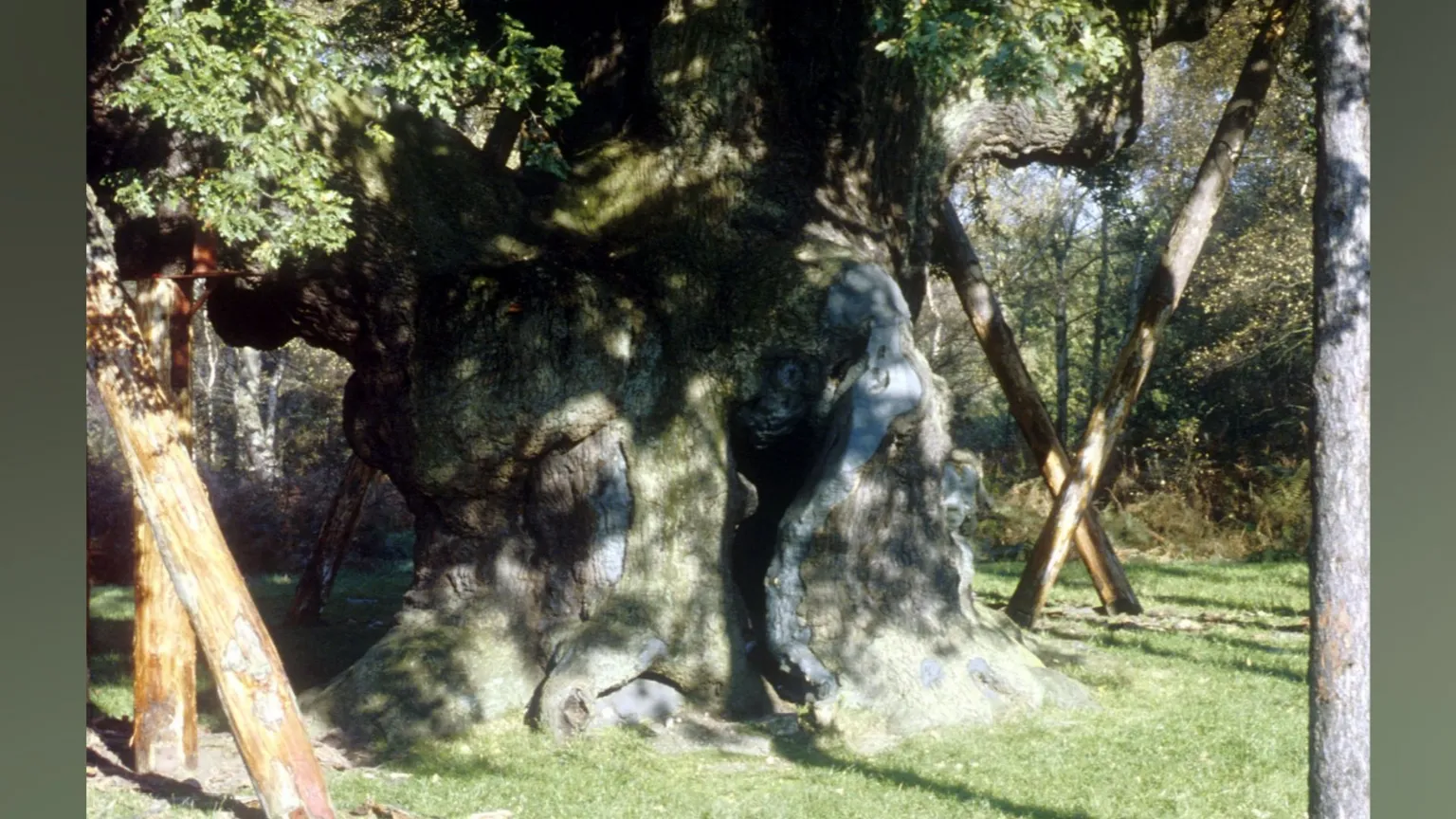
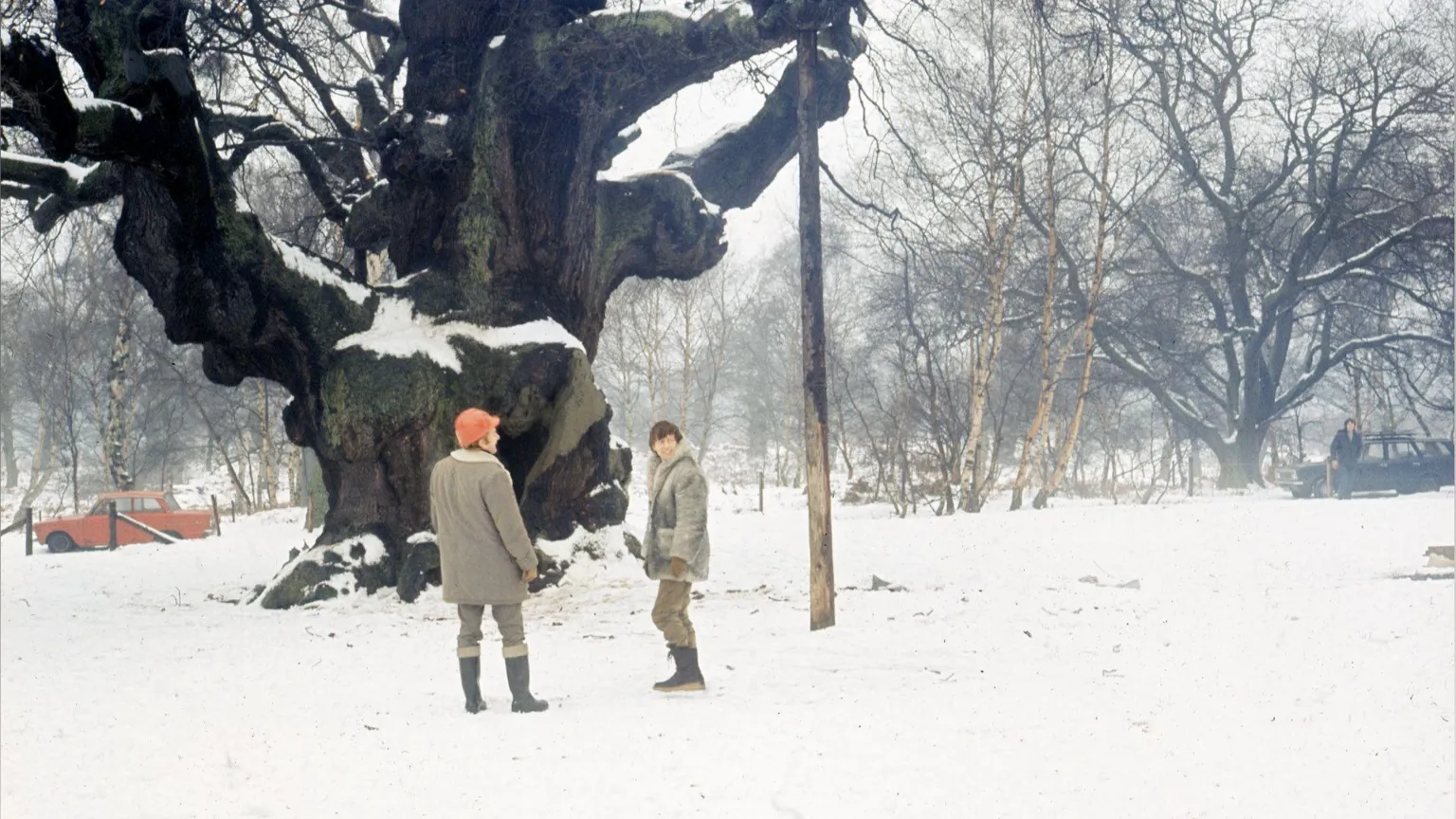
Beyond its legendary associations, the Major Oak's distinctive long limbs, expansive canopy, and hollow trunk—with a circumference of approximately 11 metres—have made it an iconic landmark in Nottinghamshire.
Historically, visitors were permitted to climb inside the hollow trunk. However, from the 1970s onward, when a fence was erected around the tree, it has been appreciated from a distance.
Preservation Challenges
Early preservation efforts included installing supports for some of the tree's larger branches. Although intended to aid the oak, these interventions likely contributed to its decline, according to the RSPB.
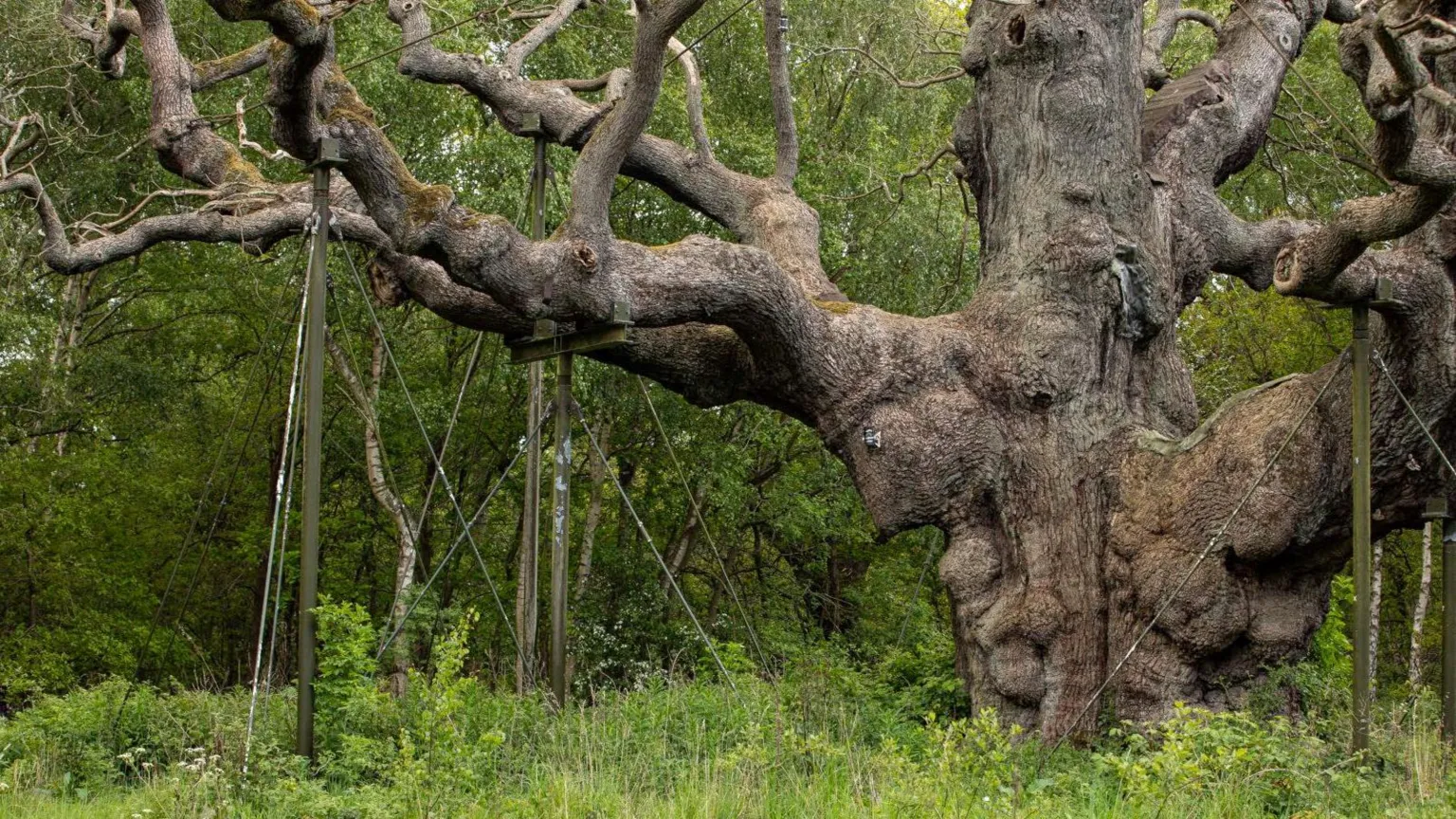
In recent years, observers noted a "noticeable reduction" in both the quality and quantity of the Major Oak's leaves.

Conservation work focused on the soil beneath the tree, which had become compacted due to the heavy foot traffic from visitors.
The RSPB explained that soil compaction hindered rainwater penetration and limited the root system's access to oxygen and nutrients essential for the tree's health.
Expert Perspectives
Ed Pyne, senior conservation adviser at the Woodland Trust, described the Major Oak as "one of the country's most important trees."
"To see the loss of a tree like this is always incredibly tragic,"
"The Major Oak is perhaps the most famous ancient tree in the UK.
"We've learned so much from the work that we've done... that we could go and apply to other trees across the country."
"Had it not been for challenges like climate change and 200 years of visiting tourists compacting the soil around it, the tree could have lived for hundreds more years, as trees 'do not die of old age'."
Chloe Ryder, RSPB Sherwood Forest estates operations manager, acknowledged the complexity of the tree's death but concurred that tourism contributed through soil compaction.
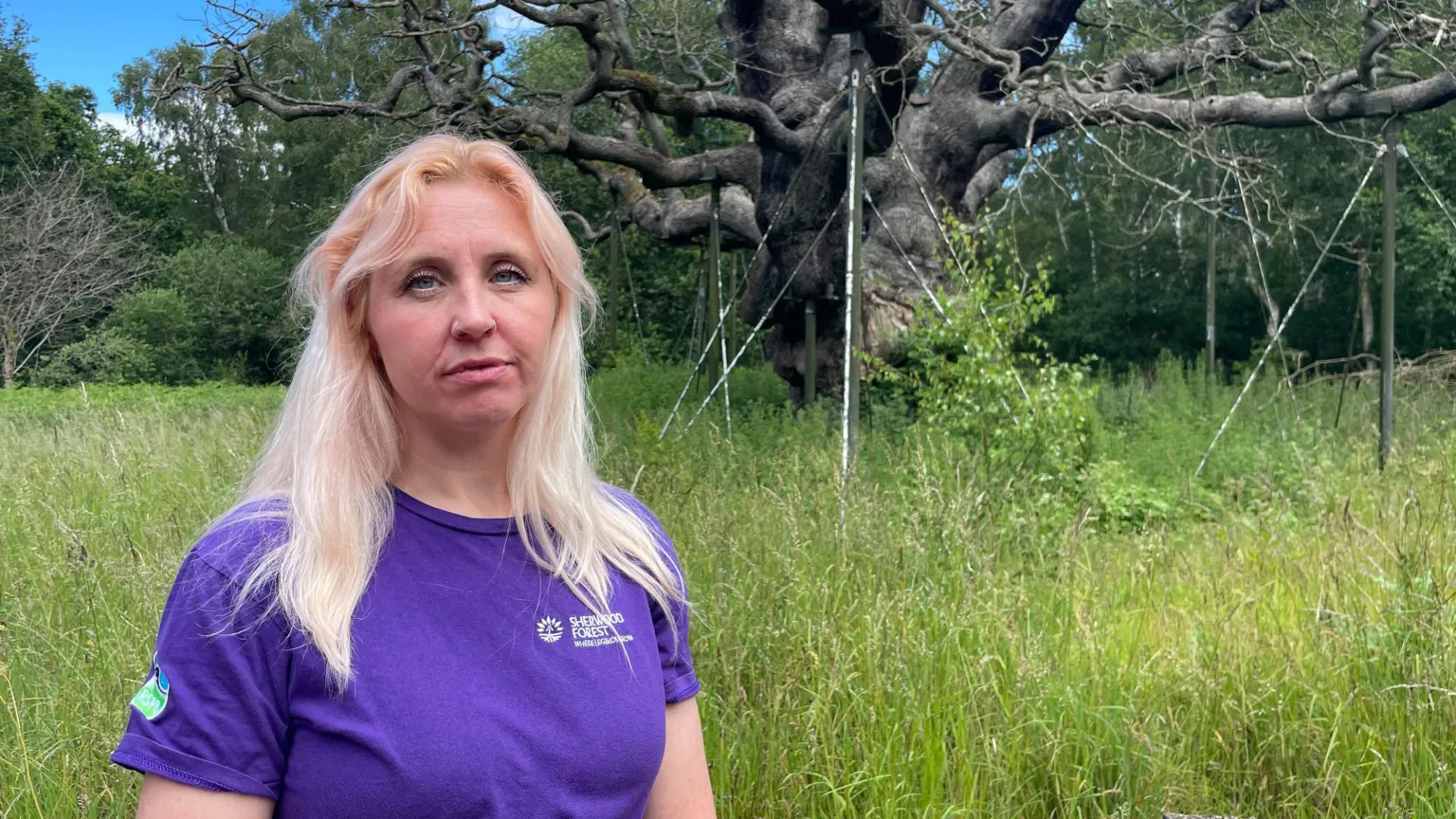
"Staff had done everything they can since taking over the site to keep it alive,"
"It is of such importance to Sherwood Forest."
"We now know that it's come too late, right at the end stages of its life.
"But there wasn't anything more that we could be done unless you invent a time machine, really."
Pyne added that the tree would not disappear immediately but would decay over the coming decades, providing habitat for numerous animals and plants.
Simon Parfey, a soil microbiology testing specialist who has been part of the expert team caring for the tree since 2021, noted that the soil around the Major Oak was "under far greater stress than anyone had initially realised."
"While the Major Oak team worked tirelessly to revive the environment around this iconic tree - and saw encouraging signs of life in some areas - the damage, it now seems, was already too deeply entrenched to fully reverse,"
Parfey emphasized that the lessons learned from the Major Oak will inform conservation efforts for other ancient trees across Britain.
"The Major Oak's true legacy is no longer just in folklore, but in the future of conservation,"
Clarifications and Historical Resilience
The RSPB dispelled rumors suggesting the oak tree would perish in the winter of 2024, though it acknowledged the tree had faced numerous challenges.
Throughout its extensive lifespan, the Major Oak survived fires, strong winds, snowstorms, and more recently, extreme weather events linked to climate change.
In June 2025, conservationists employed specialized irrigation equipment to water the tree's roots in an effort to protect it from soaring temperatures.
Reg Harris, director of a tree surveying firm who monitored the tree's health for the RSPB over the past nine years, remarked:
"The most recent decline has corresponded with five very hot and droughty summers, most notably in July 2022 when the UK experienced record temperatures of 40 degrees Celsius."
"However, it was impossible to pinpoint a single cause for the tree's decline."
Additional Historical Highlights
In June 2012, the Olympic flame passed by the Major Oak on day 41 of a 70-day relay, underscoring the tree's cultural significance.

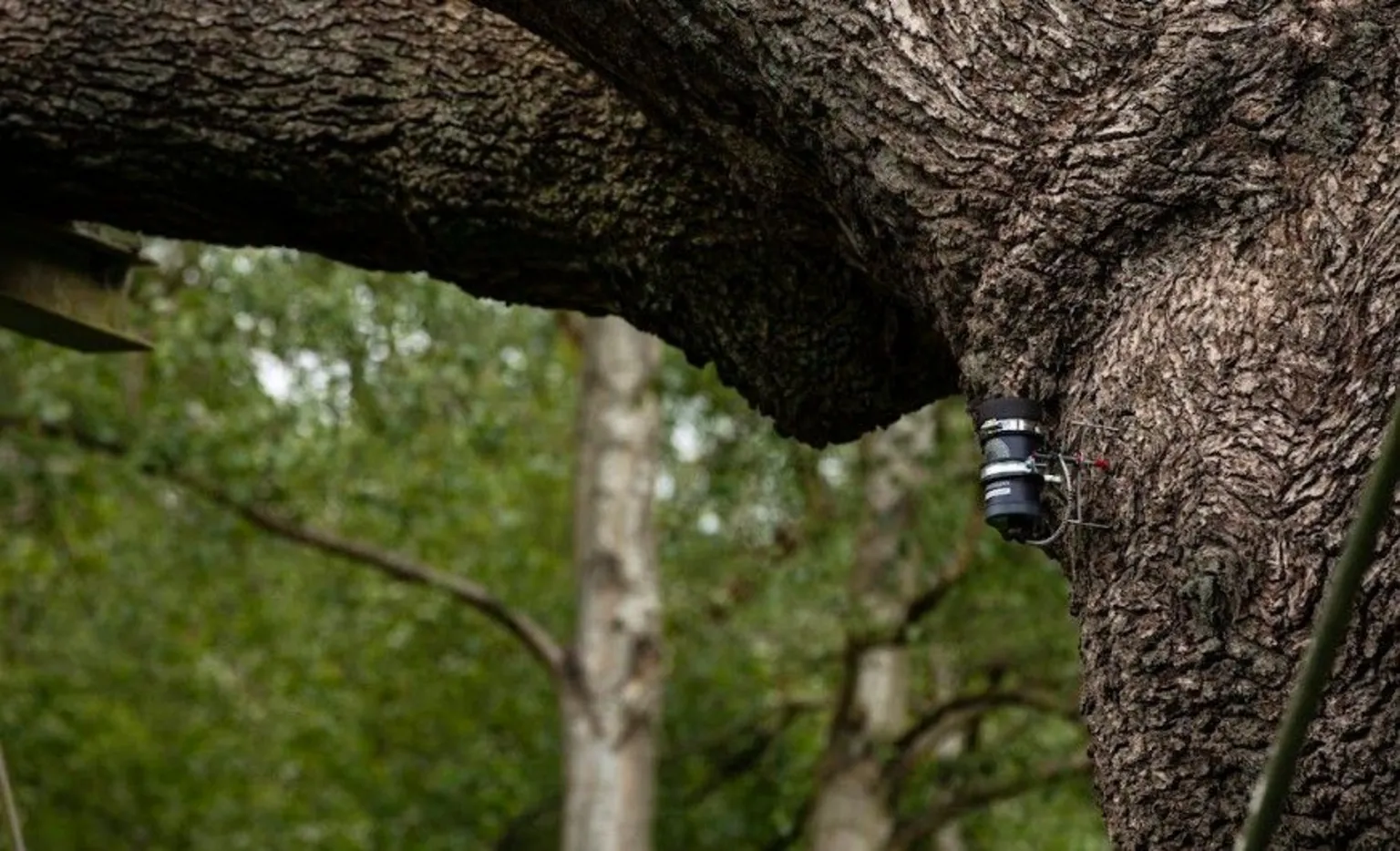
Over the years, experts have placed monitoring devices on the ancient oak to track its health and environmental conditions.
Despite the tree's death, its legacy continues through saplings distributed globally and the knowledge gained from its conservation.
Listeners can follow updates and stories related to Sherwood Forest and the Major Oak via BBC Radio Nottingham and social media channels.


