

Zoo Launches Effort to Reintroduce Black-Veined White Butterflies
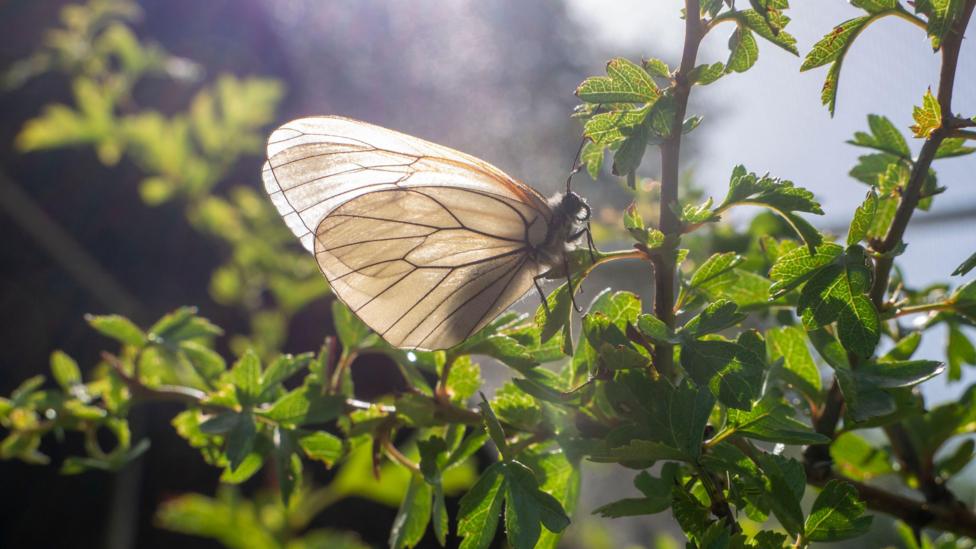
Dartmoor Zoo has initiated a project to reintroduce the black-veined white butterfly, a species that was considered extinct in the UK for nearly a century.
The zoo reported that nine female black-veined white butterflies arrived on Tuesday from Normandy, France. Remarkably, within ten minutes of their arrival, one of the butterflies had already laid a batch of eggs.
Chief Executive Officer Dr David Gibson emphasized the rarity of the species, stating that black-veined white butterflies are among "the rarest animals in the UK at the moment" and expressed hope that the project would help increase their numbers.
Historical Context and Recent Sightings
Black-veined white butterflies were first recorded as a British species during the reign of King Charles II. The species was officially declared extinct in Britain in 1925, with contributing factors including the increased use of pesticides and the removal of native hedgerows following World War One.

Despite this, there were reports of sightings in June 2023 near hawthorn and blackthorn trees on the outskirts of London, suggesting the species may not be entirely lost from the UK.
Conservation Importance and Broader Context
Dr Gibson highlighted the broader environmental challenges facing the UK, describing it as "one of the most nature-depleted countries in the world." He stressed the importance of conservation efforts for all species, regardless of size.
"We have done an awful lot of damage to UK wildlife and biodiversity, and bringing one single butterfly back is just as important as reintroducing pine martens, lynx or even wolves and brown bears.
You've got to start somewhere - pollinators are the absolute foundation of food systems, and plant life, and nature as a whole."
Collaboration and Future Plans
The reintroduction project is a collaborative effort involving Dartmoor Zoo, Knepp Rewilding, Royal Holloway University, and Butterfly Conservation.
Dr Gibson indicated that some of the butterflies would be released into a designated site in east Devon as early as next summer, marking a significant step in the species' recovery in the UK.
For ongoing updates, follow BBC Devon on X, Facebook, and Instagram. Story ideas can be submitted to spotlight@bbc.co.uk.


