

Recovery of Dartford Warbler Population
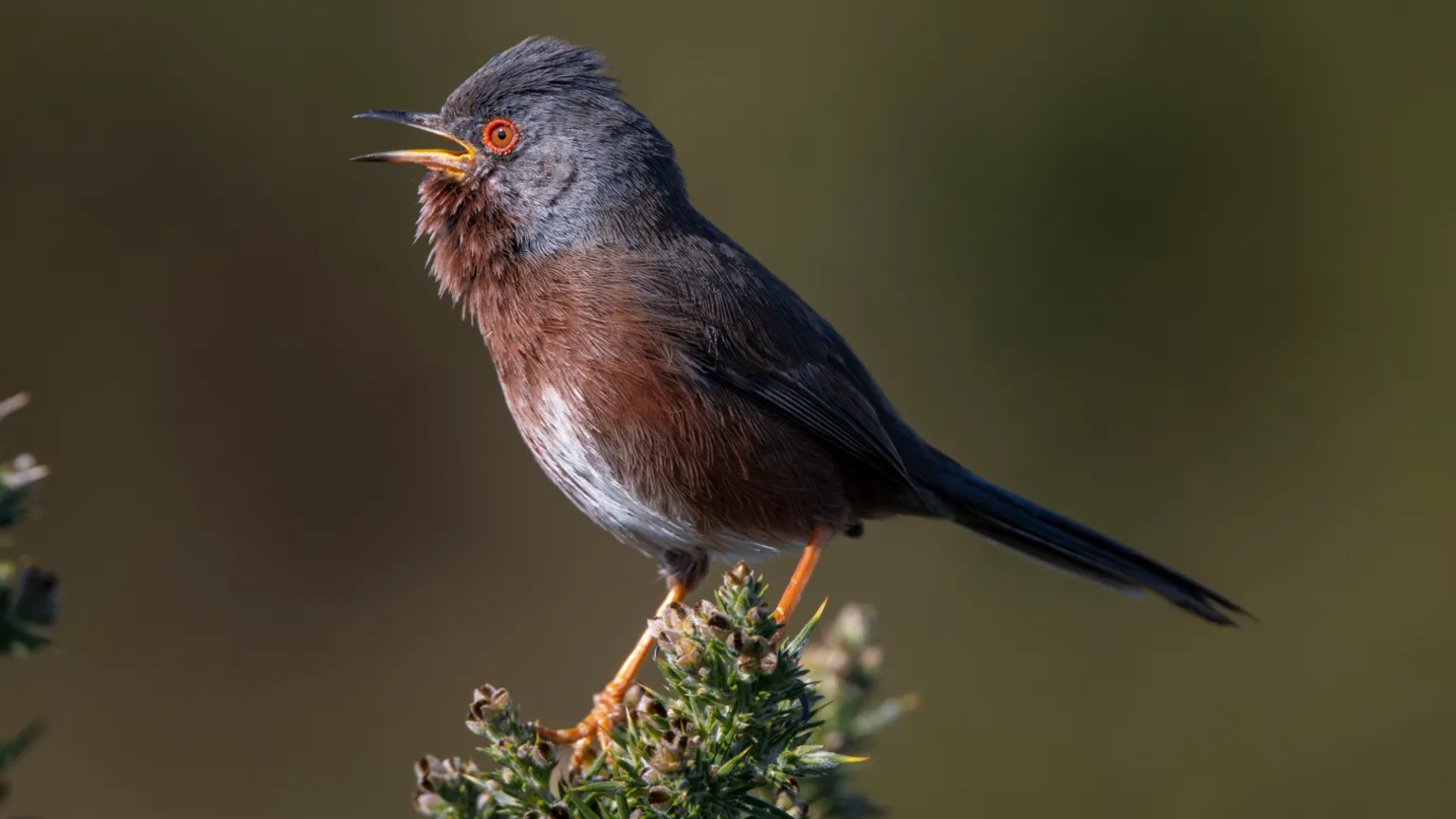
The Dartford warbler, a rare bird species once nearing extinction in the UK, is showing significant signs of recovery according to recent surveys. The species experienced a severe population decline during the 1960s, with only a few pairs remaining in Dorset at that time.
Recent national surveys have documented a 44% increase in the Dartford warbler population over the past five years, with 264 pairs counted in 2025. The Royal Society for the Protection of Birds (RSPB) reported a record 97 pairs at RSPB Arne, near Wareham, where extensive habitat restoration efforts have been undertaken.
Survey Details and Population Estimates
The Heathland Birds Survey, a collaborative effort by the British Trust for Ornithology (BTO) and the RSPB, was conducted across the UK and the Channel Islands. It focused on monitoring nightjars, woodlarks, and Dartford warblers. The survey estimates the UK population of Dartford warblers at approximately 4,100 individuals, an increase from 3,200 recorded in 2006.
Habitat and Conservation Efforts
Dartford warblers thrive in lowland heath habitats, where they nest within dense gorse bushes and forage for spiders and caterpillars. In addition to habitat restoration, the RSPB has converted an additional 15 hectares of farmland back into heathland to support the species' habitat needs.
Conservation Impact and Expert Insights
Peter Robertson, site manager at RSPB Arne, highlighted the scale and impact of the restoration work:
"Restoration of heathland across RSPB Arne has been on a truly landscape scale. Staff and volunteers have helped connect and enlarge fragmented patches of precious heathland to give wildlife, such as the distinctive Dartford warbler, the space to thrive. Visiting heathland during summer, the sound of Dartford warblers singing is everywhere."
Dr Greg Conway, senior research ecologist at BTO, emphasized the importance of volunteer involvement in the survey and ongoing conservation efforts:
"Volunteer participation is key to the success of such projects, and we are truly grateful to all the people who contributed to the Heathland Bird Survey in 2025. With the creation and improvement of more suitable sites, we can hope to see continued range expansion, and population increases in the future."


