Ecologist Warns River Lugg Will Take Decades to Heal
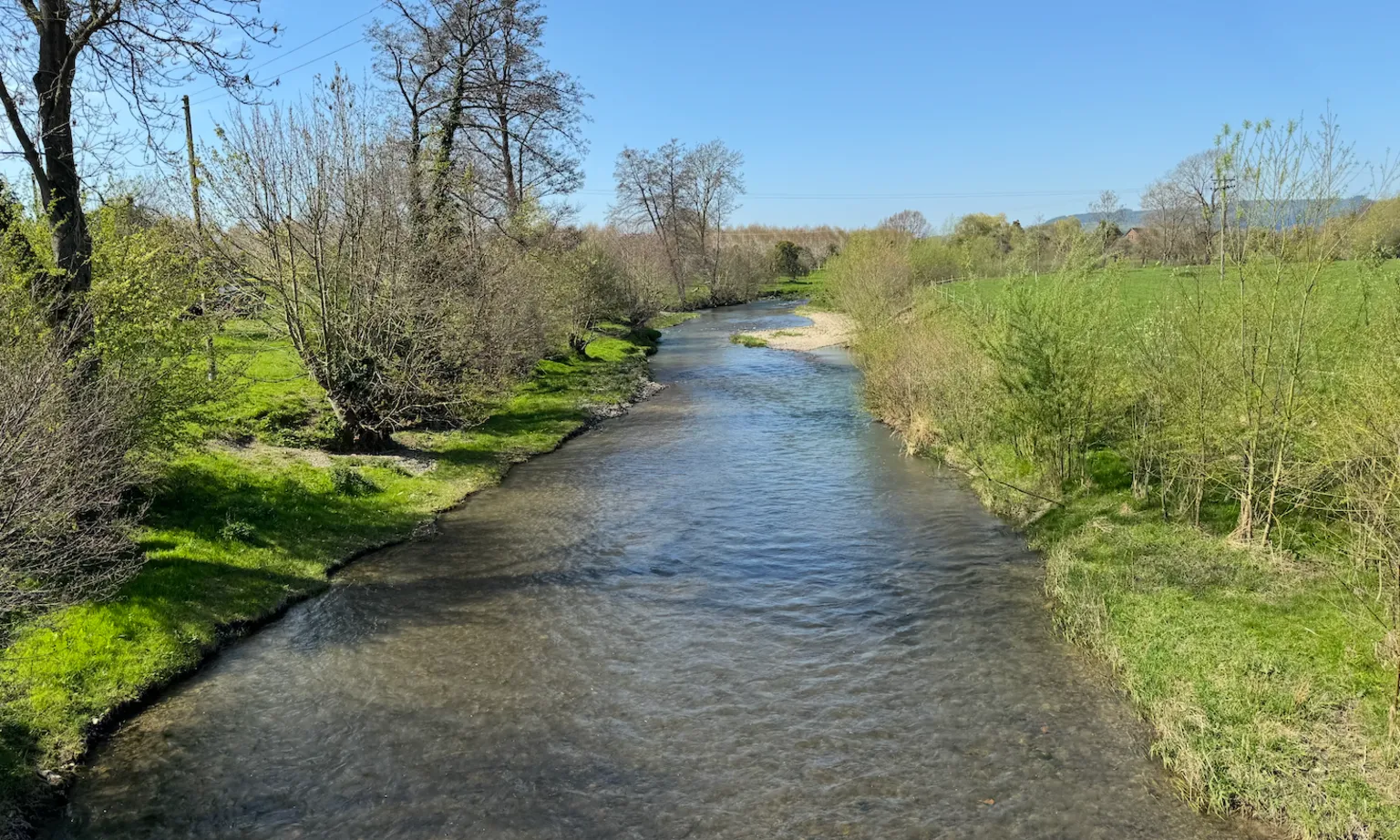
An ecologist has stated that it will require 20 to 30 years for a section of the River Lugg in Herefordshire to recover following significant damage caused by a local farmer.
John Price was sentenced to prison in 2023 after illegally extracting tonnes of gravel from the riverbed to construct a road and horse yard at his property, and for removing 71 trees.
He was also ordered to pay £600,000 and to undertake restoration of the environmental harm he inflicted.
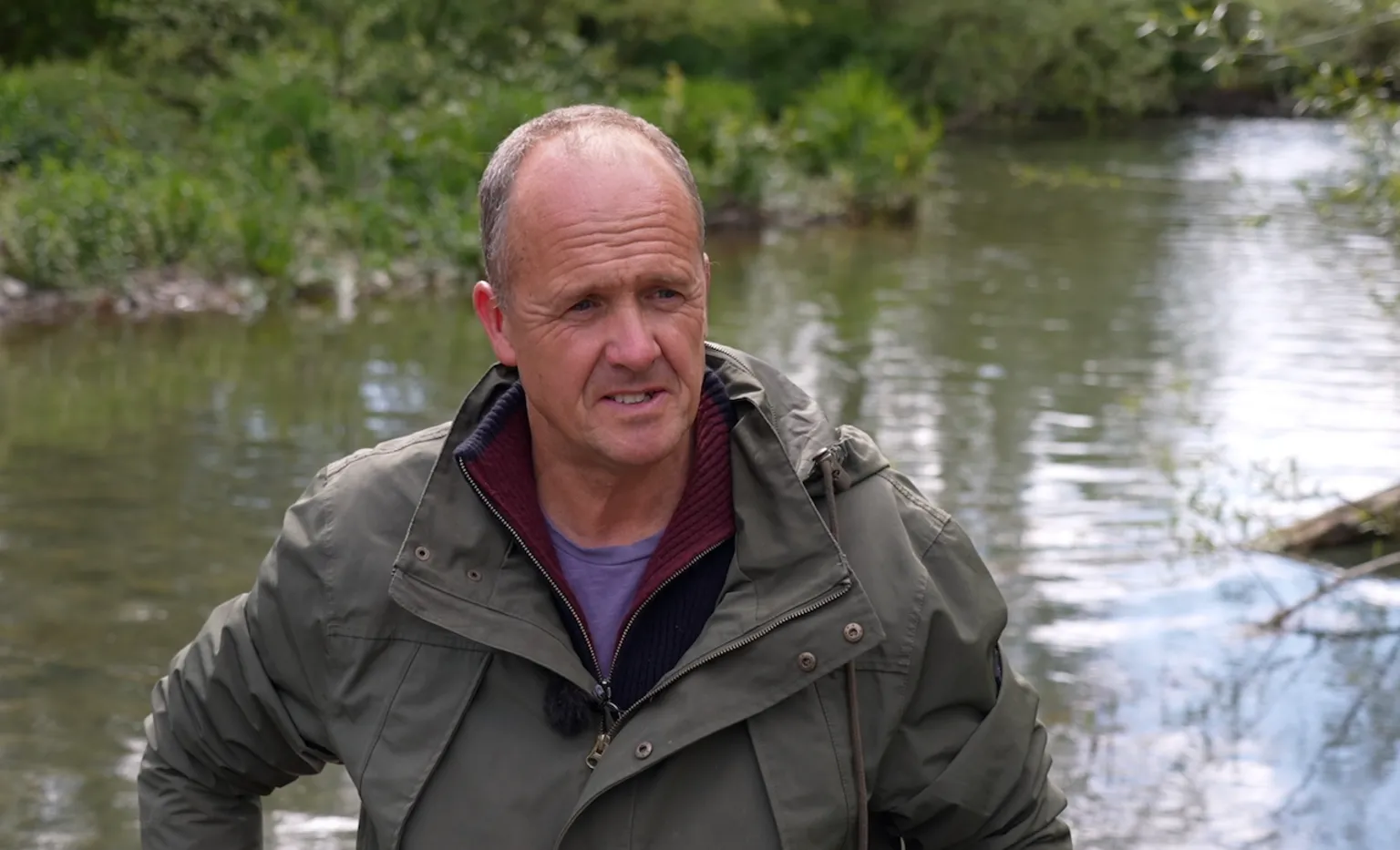
"It's amazing the damage that a human being can do in a very short amount of time," said ecologist Richard Fishbourne.
The River Lugg supports six protected and endangered species, including the common otter, Atlantic salmon, white-clawed crayfish, brook lamprey, shad, and bullhead.
The river flows into the River Wye and was designated a Site of Special Scientific Interest (SSSI) in 1995.
District Judge Ian Strongman described Price's actions as "ecological vandalism on an industrial scale" when sentencing him in May 2023.
Price admitted to using bulldozers and diggers to remove gravel from a one-mile stretch of the river adjacent to his farm during 2020 and 2021.
At trial, Natural England characterized the damage as the "worst case of riverside destruction" the organization had encountered.
As part of his sentence, Price was mandated to replant trees and restore the riverbed and banks under the supervision of the Environment Agency and Natural England.
We visited the site with Herefordshire ecologist Richard Fishbourne to assess the progress of the restoration project.
Fishbourne, an environmental designer who assists communities in restoring natural habitats and supporting wildlife, commented on the current state of the river.
"There's no sign of life, there's nothing in the water here now," he said.
"It takes tens of years, decades, to build up this wonderful community of species and habitat and it can all be destroyed in a moment.
It's going to take 20 or 30 years to come back to anywhere near the extent that it was."
Impoverished Landscape and Loss of Species
River gravel beds serve as critical spawning grounds where insects and fish lay eggs and where juveniles develop.
During a two-day observation at the site, no evidence of the protected species such as Atlantic salmon, wild brown trout, or grayling was found.
Fishbourne expressed concern over the absence of insects in and around the water.
"There's nothing here, it's an impoverished landscape really.
I'd expect to see fish moving, fish rising, in the old days you'd see fish topping all over the place, you'd see a lot more flies as well, none of that is here anymore."
Emma Johnson, West Midlands Deputy Director for Natural England, stated that the damage caused by Price represents a "serious environmental concern" and that the site and its wildlife will require a prolonged period to fully recover to a healthy condition.
The Environment Agency and Natural England reported that monitoring indicates some improvement in the river's condition, with the presence of trout, bullhead, and minnows, along with kingfishers and sand martins.
Price declined to comment on the restoration efforts.
The agencies have placed logs in the river to aid in forming gravel bars and banks conducive to fish spawning.
They have conducted four inspections of the site over three years, expressed willingness to collaborate with citizen scientists, and will continue ecological monitoring.
"Four visits isn't enough really," said Fishbourne.
"If we're going to commit to prosecuting someone who's degraded the landscape, then we should make sure that they atone by monitoring that landscape sufficiently afterwards."
"To make sure that things get back to a reasonable state, you need more effort in those after interventions, that monitoring is so important."
Legal Proceedings and Restoration Efforts
In court in 2023, Price admitted to using gravel from the river to construct a road and a horse exercise yard at his residence.
He defended his actions by stating that he also aimed to prevent flooding of nearby homes.
Since the damage, river levels through Kingsland have not reached previous heights, making it impossible to confirm or refute his claim.
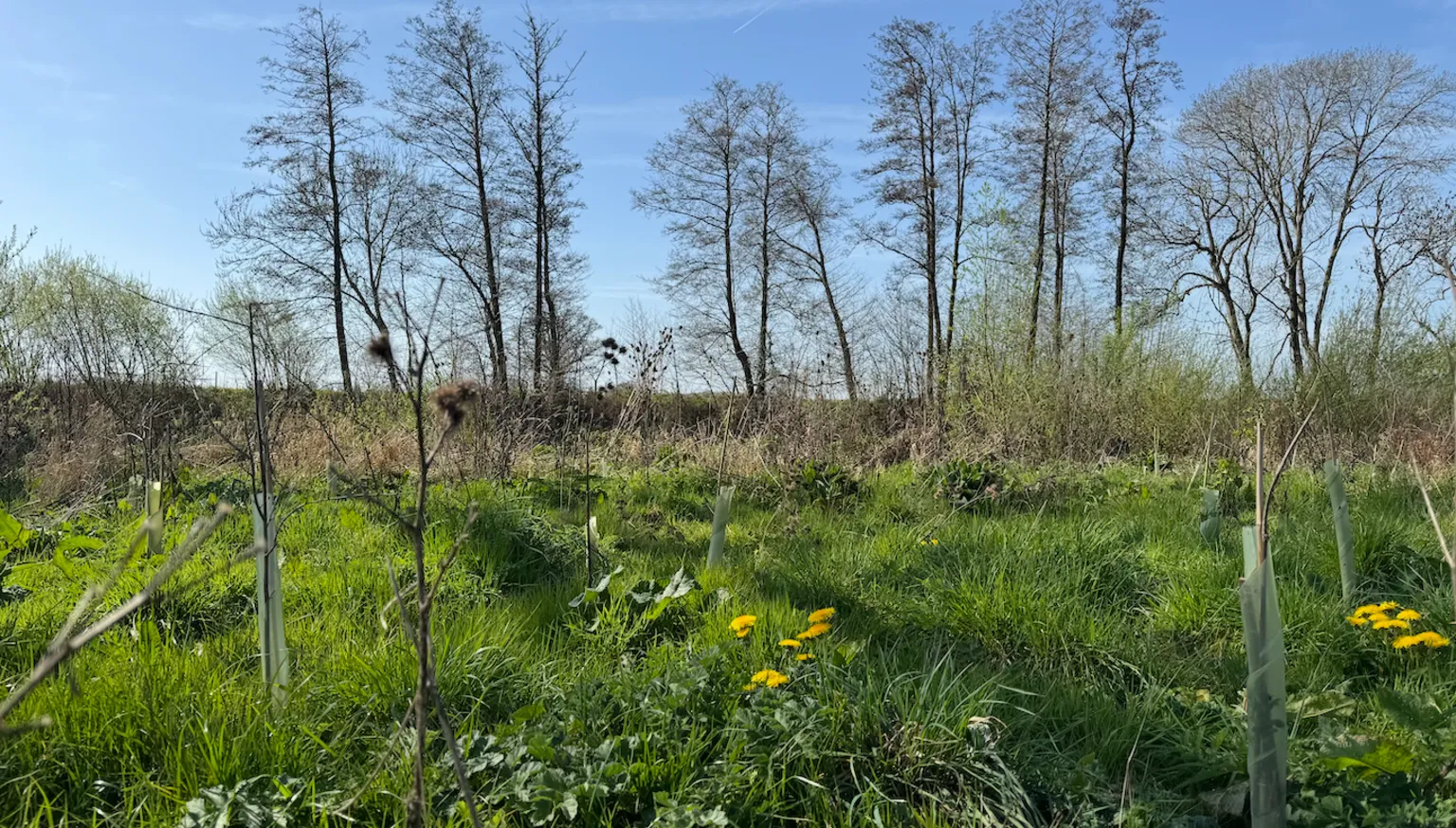
Price has replanted some trees and established buffer strips of grass and flowers between the ploughed farmland and the river.
The Environment Agency and Natural England noted that some newly planted trees died due to insufficient rainfall, indicating that additional planting will be necessary.
"Some of this new growth that's occurring is a really good sign, it means that there's natural regeneration there," said Fishbourne.
"It should help to bind the bank together so it's stopping erosion from some of these excessive floods that we're experiencing more and more."
"It's really important to have a mix of biodiversity in this space."