

Early Breeding Activity in Stranmillis Woods
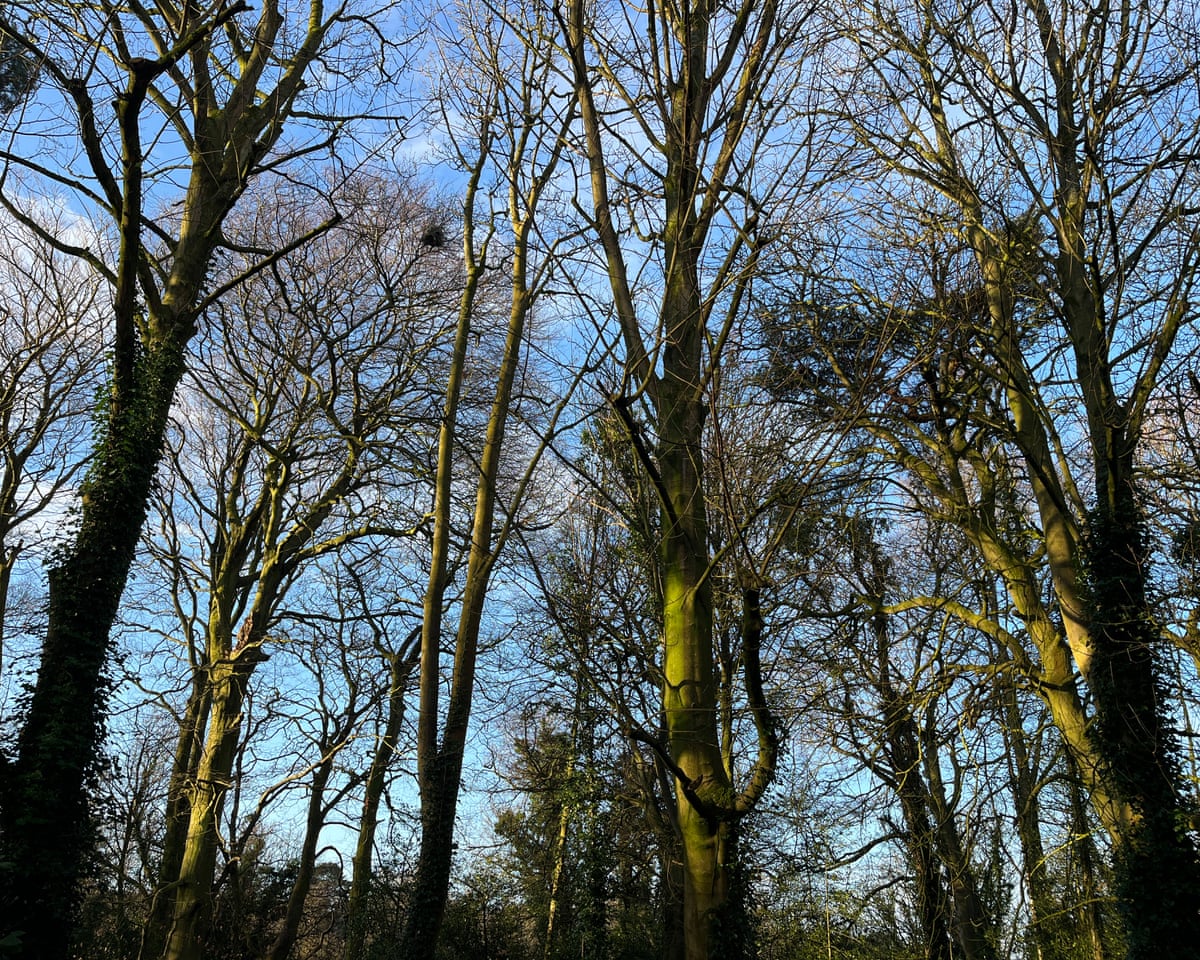
At Stranmillis University College in Belfast, activity is underway high in the trees as early-breeding grey herons have commenced this year’s nesting. A robin’s song fills the air, and moonlight filters through the branches of trees that serve as home to a colony of grey herons. Until recently, their persistent calls were part of the dawn chorus. Today, the quietness surrounding an established heron nest perched high in a beech tree signals positive news. Grey herons share parental duties, and one member of the pair is present, brooding a clutch of eggs, consistent with their early breeding schedule.
Challenges from Recent Storms and Nest Building
Another heron swoops through a gap in the trees. The severe storms preceding this breeding season caused the loss of several trees, including traditional nesting sites. The arriving heron settles in a nearby pine tree where its mate is guarding a disorderly collection of twigs, indicating ongoing nest construction. Grey herons are identifiable by their long black crest feathers and delicate plumes on the throat and back. In this instance, the sexes are distinguishable: the male preens the female before mounting her. This is followed by several seconds of wing-flapping, squirming, and tail-wagging. Afterward, the female tucks her bill into her breast feathers and closes her eyes.

Male Heron’s Nesting Efforts and Mate Interaction
The male heron attends to the nest before flying to the beech tree. He moves along a lower branch, breaking twigs to gather nesting material. The rising sun highlights the rosy hue of his legs and the burnt orange of his bill, colors that will fade to greyish-yellow after the breeding season. As he flaps back and forth carrying sticks of various sizes, his mate responds with loud screeches of approval. Meanwhile, she arranges the new materials within the nest. The male heron in the beech tree creates enough disturbance to raise concern for the safety of the egg-laden nest above. Eventually, the brooding heron stands, raising both wings above its back, and gently uses its bill to turn its clutch.
Arrival of More Herons and Parental Duties
As the sun climbs higher, loud cries echo through the woods, signaling the return of more herons to their nests. The brooding heron in the beech tree, still awaiting its mate, has long since settled back into the nest’s twiggy depths. Finally, its partner arrives. The pair greet each other by raising their crown feathers, but their duties allow no delay. The arriving bird steps directly into the nest, while the brooding bird departs to hunt, likely for the majority of the day.


