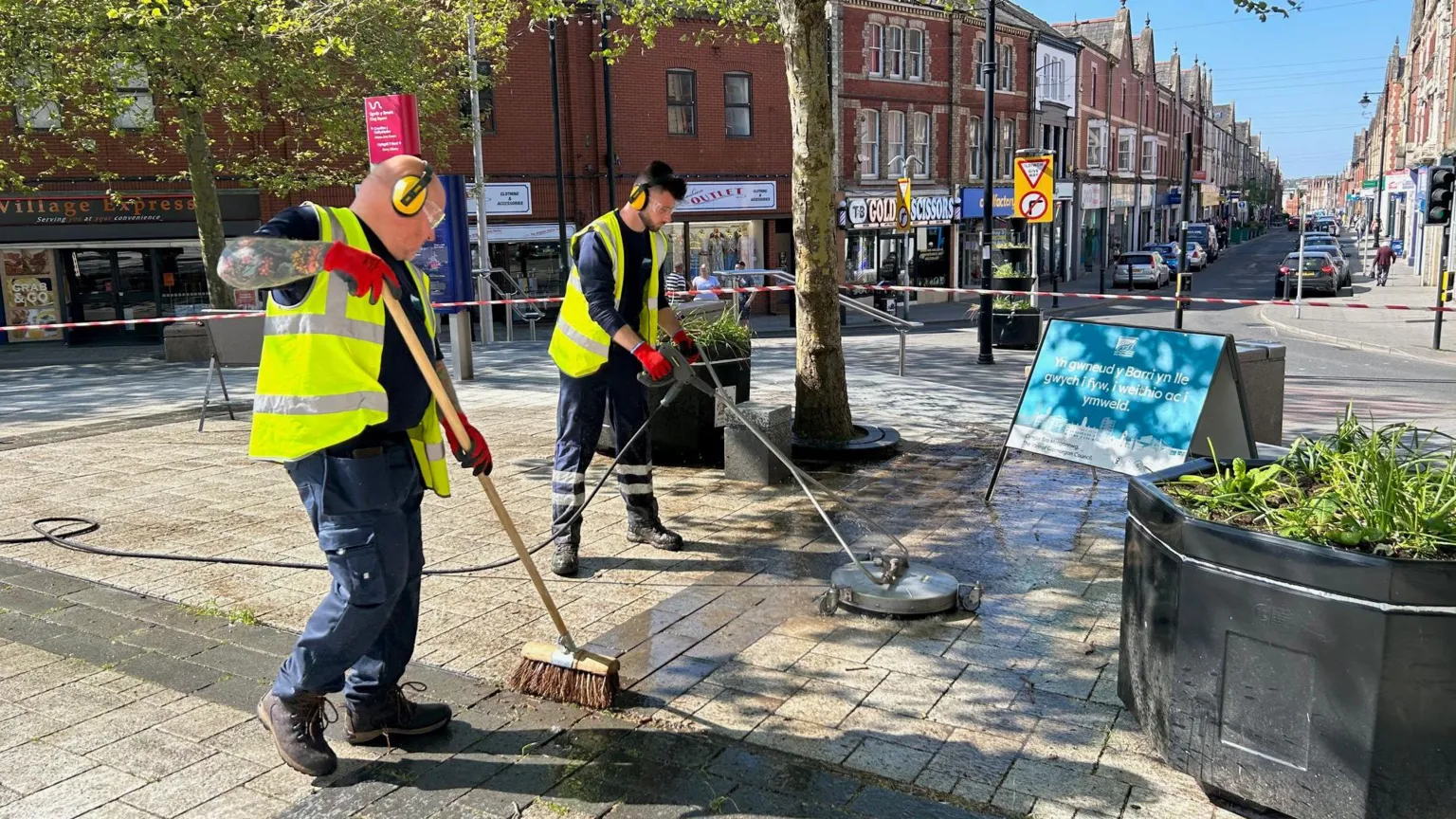
Widespread Litter on Welsh Roads
Campaigners have reported an "extraordinary rise" in roadside litter following a survey that revealed rubbish on 99% of main roads in Wales.
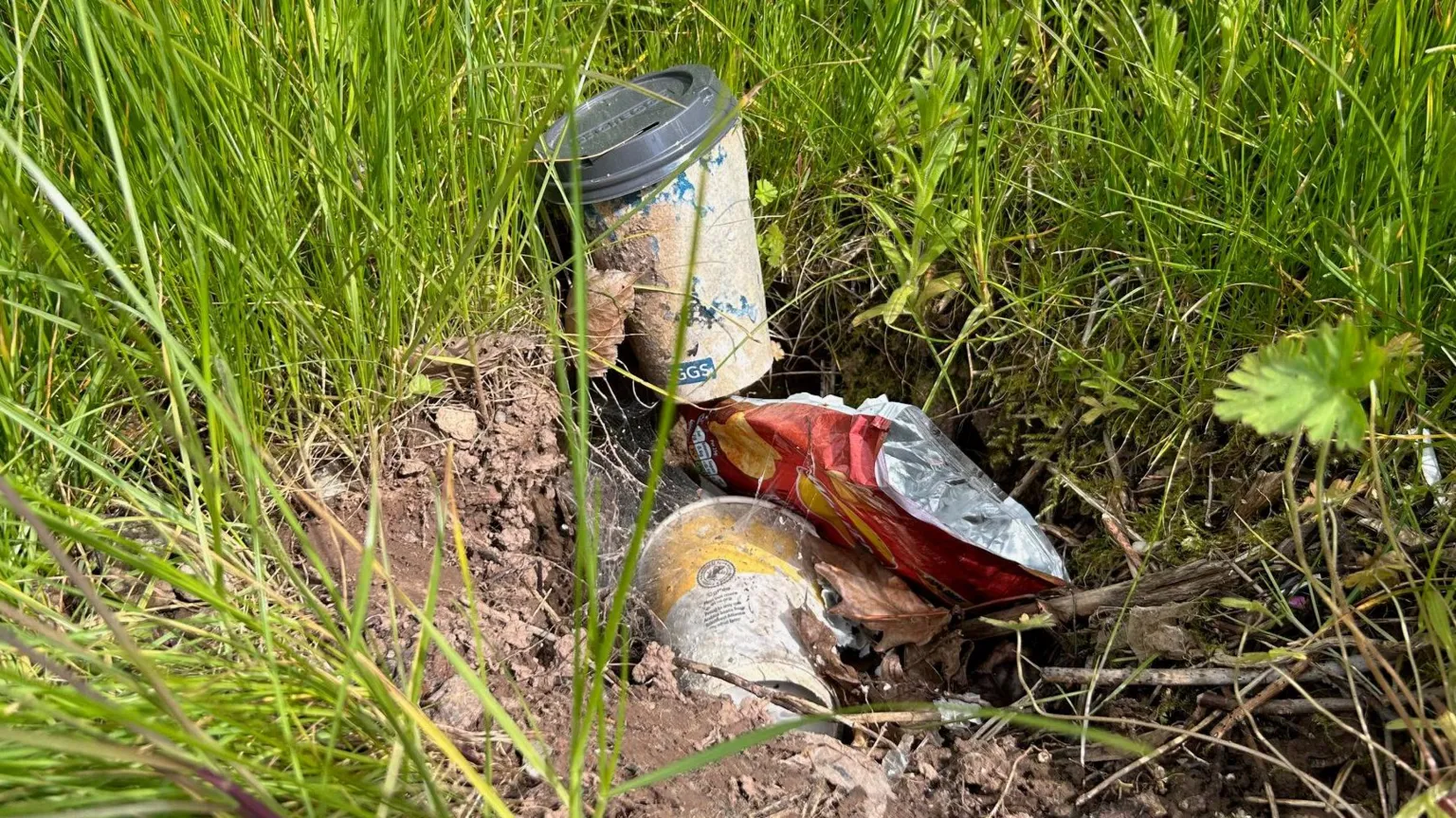
Keep Wales Tidy identified sweet wrappers, drinks containers, and fast-food packaging as the most frequently encountered types of litter along kerbs.
The charity’s chief executive condemned the behaviour of discarding items from vehicles, describing it as "ridiculous" and highlighting the dangers and costs associated with clean-up efforts.
Volunteer Efforts in Torfaen
Ron Ford, 75, a volunteer litter picker in Torfaen, described roadside litter as a "constant problem," with certain "grot spots" requiring repeated attention.
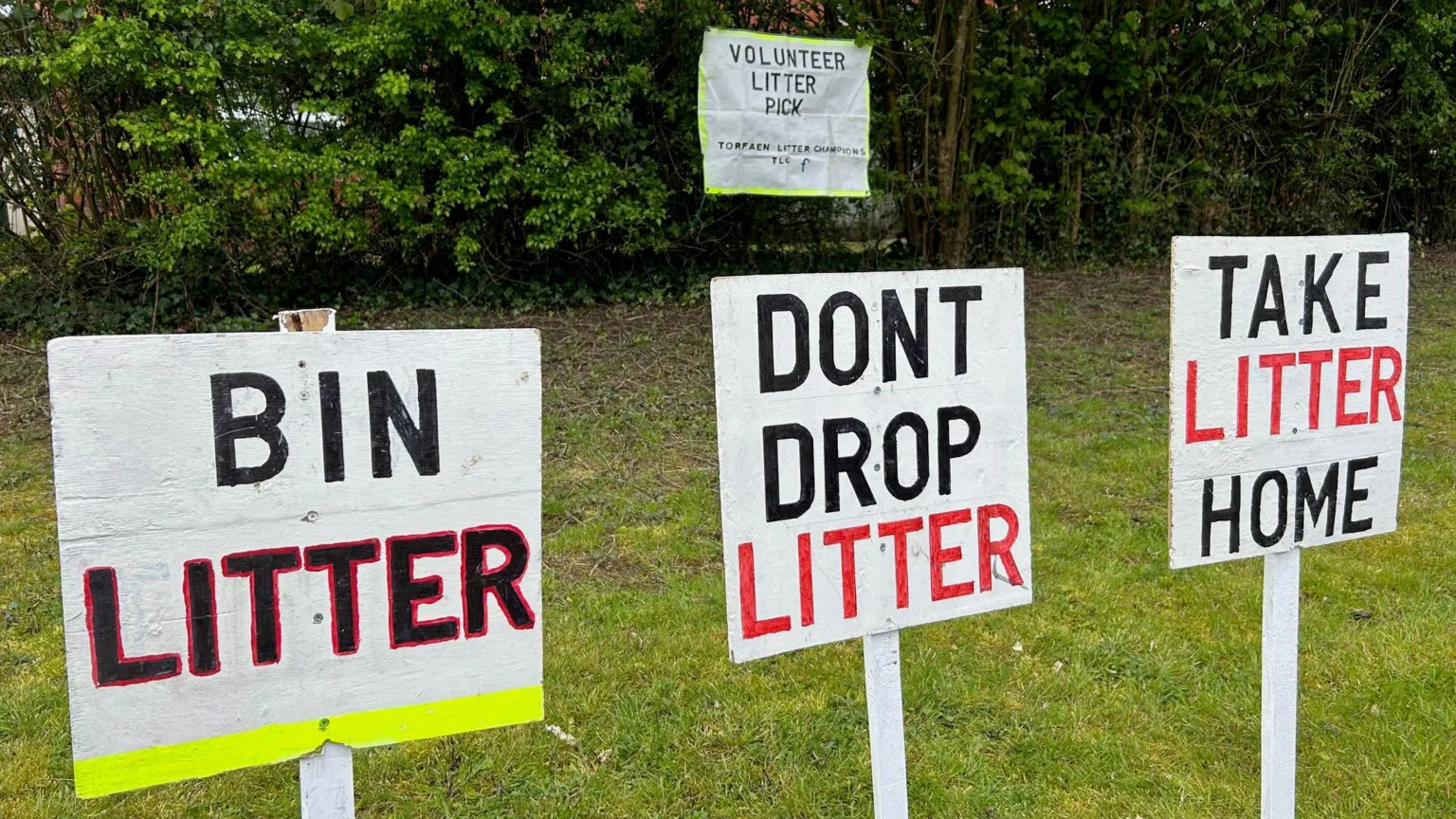
Ford’s group collects rubbish weekly in the Pontypool area and has amassed nearly 14,000 bags of litter since 2018, including over 650 bags since the start of the current year.
"We like to get back into what we call 'grot spot areas' every six to eight weeks,"Ford explained during a litter pick near New Inn.
"We get quite a lot of bags full of rubbish that have been kept in [people's] vans and cars – it's a constant problem to keep it all down.
It's the quick 'in the bush' kind of thing, which creates a problem for us then, we're clambering through to get it out."
Ford added that fast food outlets near their area contribute significantly to the litter problem.
"It is predominantly fast food outlets – not too far from here, we have two main ones. So this whole area here is littered all the time."
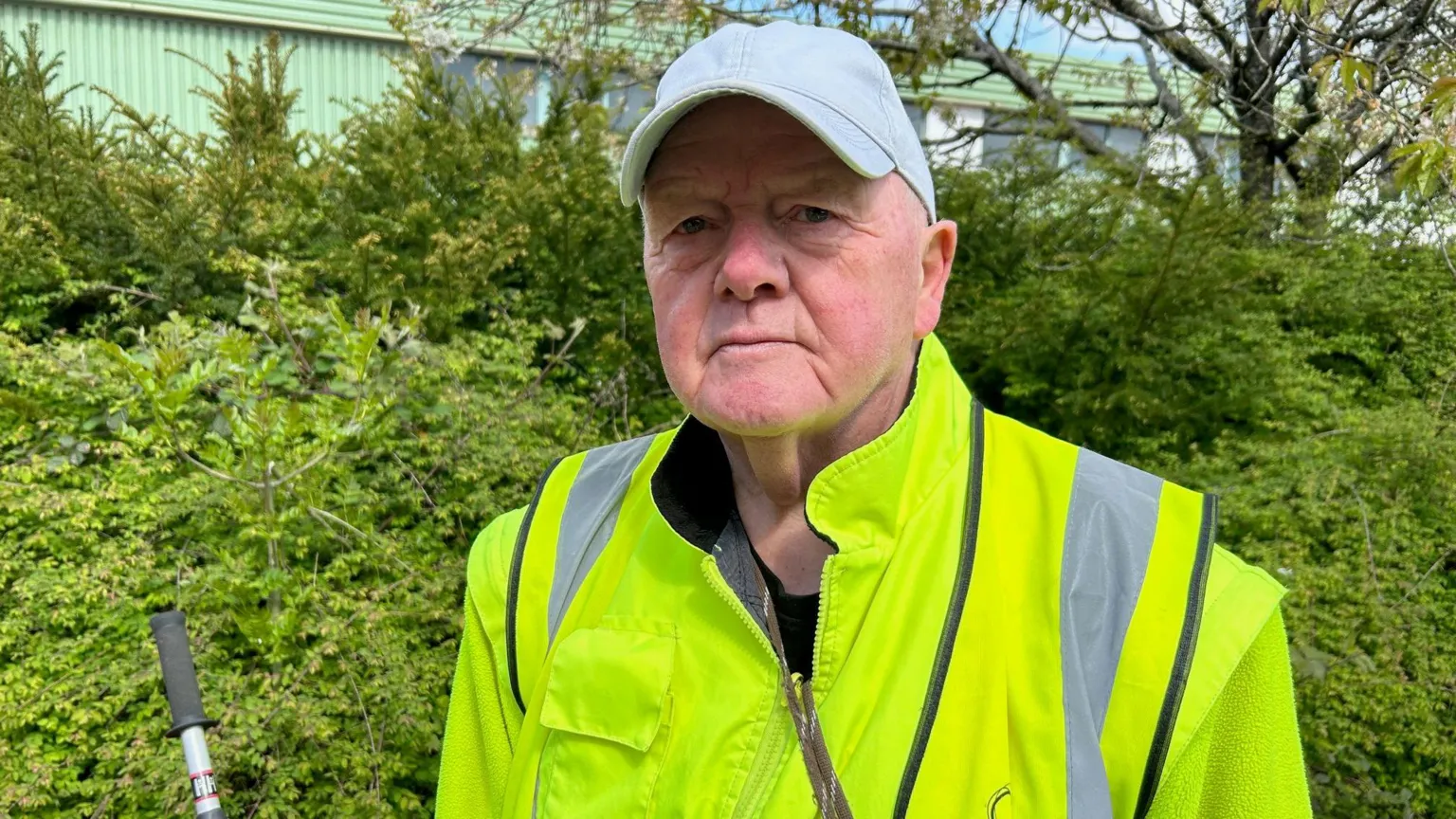
Alison Harrison, 59, a fellow volunteer from Cwmbran, noted the worsening situation over recent years.
"It has got a lot worse in recent years,"she said.
"It is disheartening, but we just go and we get on with it.
We know where the really bad areas are… but once you've done it, and it looks nice and clean and tidy, that's why we do it."
Survey Findings on Roadside Litter
A survey conducted by Keep Wales Tidy between April and December 2025 found litter present on 98.8% of A and B roads in Wales.
Smoking litter and cigarette butts were observed on 88.1% of roads surveyed, confectionery packaging on 80.7%, drinks litter on 72.1%, and fast food waste on 67% of routes.
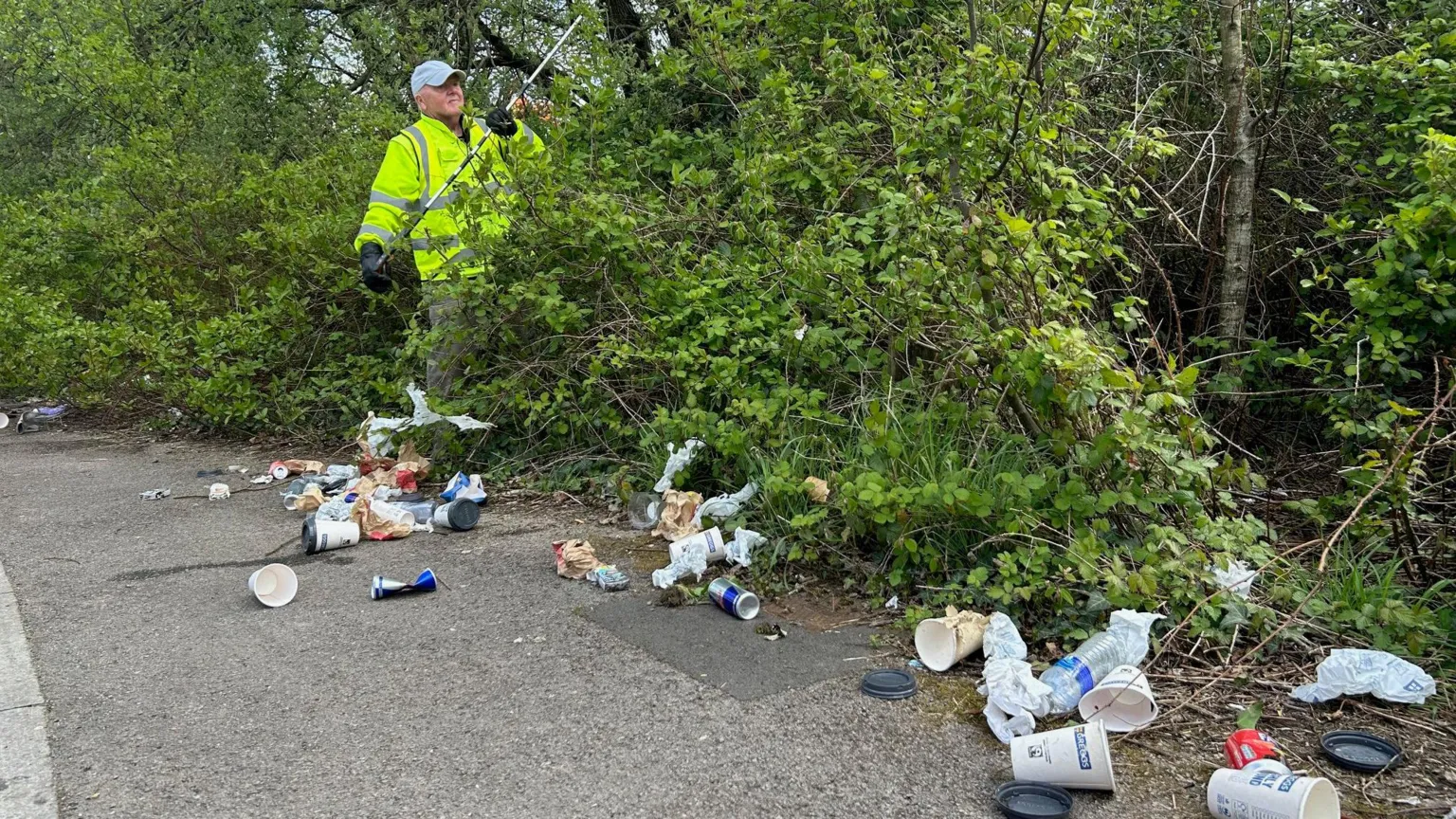
In one 50-metre stretch of road leading from an industrial estate in Torfaen to a nearby dual carriageway, the BBC counted more than 170 individual pieces of litter.
Chief Executive’s Perspective
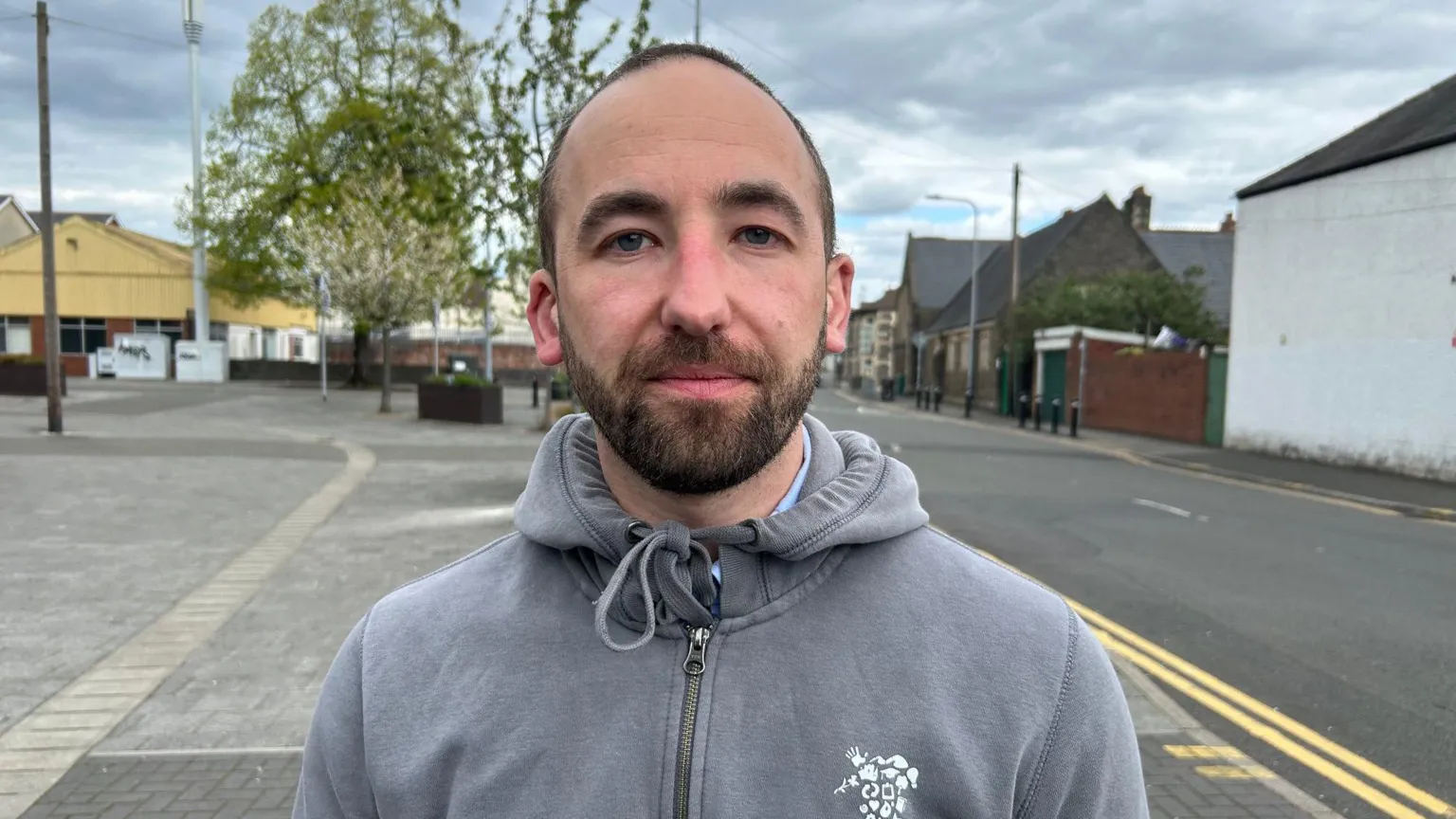
Owen Derbyshire, Keep Wales Tidy’s chief executive, highlighted the significant increase in "on-the-go" litter over recent years.
"We've seen an extraordinary rise in the amount of on-the-go litter – these are things that have absolutely increased hugely over the last couple of years,"Derbyshire said.
"And it's something that our volunteers are finding in their droves at the minute, across every single community in Wales,"he added.
"It feels easy to blame everyone else for these issues, but we need to take that individual responsibility as well.
It's ridiculous to me that anyone feels that it's appropriate to chuck stuff out of their window while they're driving. It shouldn't be acceptable in Wales in 2026."
Derbyshire also noted that some types of litter, such as discarded vapes containing batteries, could cause "real damage" to vehicles.
He emphasised the financial and safety burdens of litter clearance, stating that approximately £3 million is spent across Wales on tackling roadside litter annually.
"And that's obviously incredibly dangerous for the people doing the work as well."
Challenges for Local Authorities
Council teams often have to temporarily close busy roads to safely clear litter, which can inconvenience commuters.
Tony Spear, from the Vale of Glamorgan Council's Highways Maintenance team, explained the necessity of such measures.
"Sometimes we have to close it because there's no other safe way to do it, especially in more rural roads,"he said.
"I'd rather them not [have to clear up roadside litter], and concentrate on everything else, but unfortunately we have to do it.
So if people took it away a bit more, we could then use those resources on other things."