

Understanding Fungal Networks in Woodland Creation
New research is underway to investigate how underground fungal networks affect the establishment of woodland areas.
This initiative is part of a broader commitment to create approximately 260,000 hectares of new woodland across England. The project, located at Wild Haweswater in Cumbria, aims to support the establishment of resilient and ecologically diverse trees within upland landscapes.
Researchers will examine whether microscopic soil organisms can consistently enhance tree survival across different sites.
Significance of Fungi in Tree Support
Dr Mo Verhoeven, lead conservation scientist at the Royal Society for the Protection of Birds (RSPB), explained that Cumbria was selected for the study because the fungi that historically supported trees have shifted to fungi typically found in grasslands that have been grazed for hundreds of years.
The fungi involved, known as mycorrhizal fungi, form symbiotic relationships with tree roots, acting as underground support networks. These fungi assist trees in accessing nutrients and water, receiving carbon in return.

Samples will be collected from the site to analyze and identify the various types of mycorrhizal fungi present in the soil.
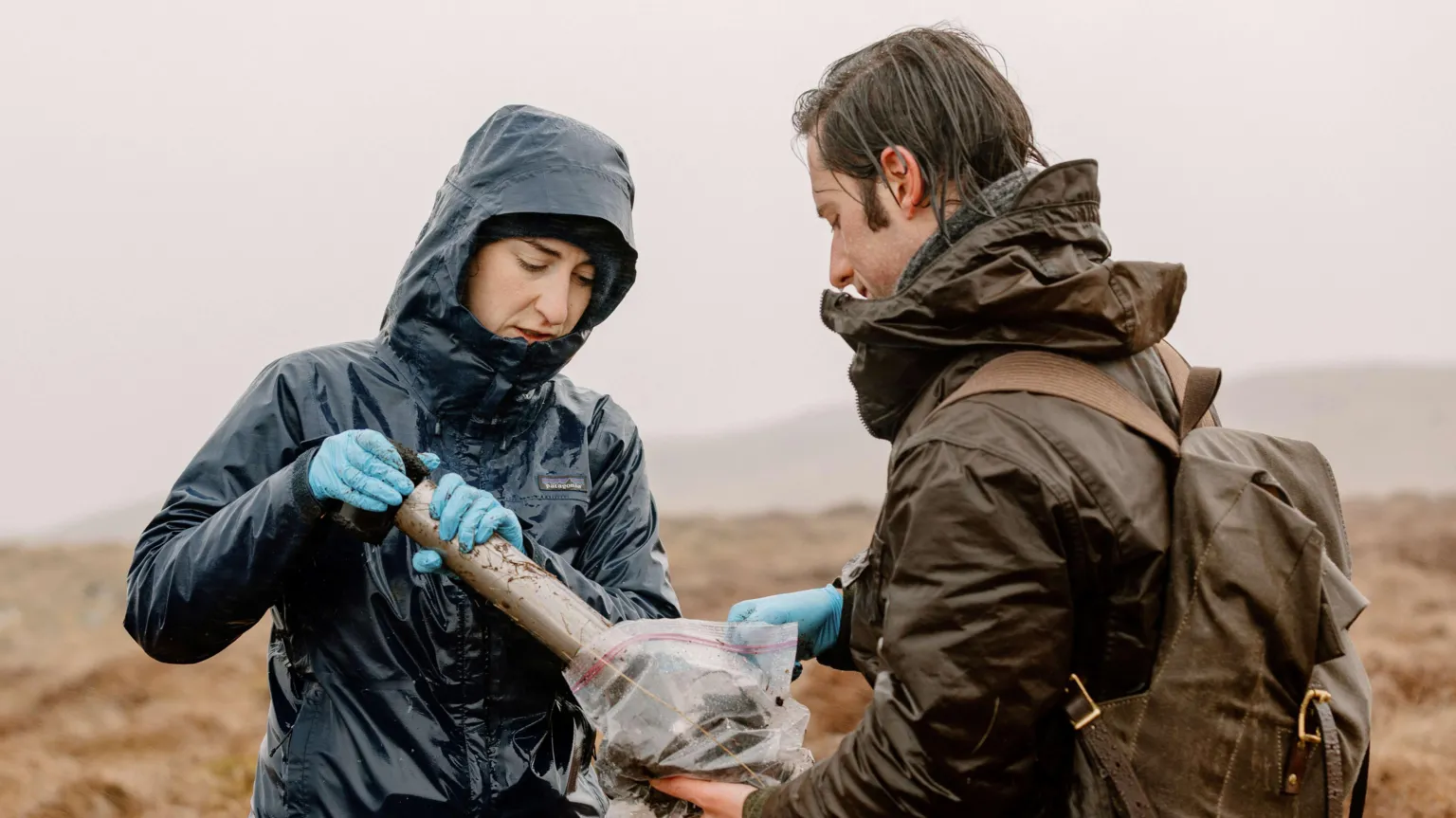
Dr Verhoeven noted that understanding which fungi are present
"could inform where and how we plant trees, and also which pieces of tree we plant".
He further emphasized that without the appropriate fungi, trees would face
"a much harder time"establishing themselves, potentially leading to
"the death of the tree".
Collaborative Landscape Restoration Effort
The landscape restoration programme is being led by Cumbria Connect in partnership with the RSPB, landowner United Utilities, and the Society for the Protection of Underground Networks (Spun).
Bethan Manley, lead computational biologist at Spun, stated that the goal is to
"improve confidence in woodland creation"by
"working with natural processes".
For ongoing updates, follow BBC Cumbria on X, Facebook, Nextdoor, and Instagram.


