

Major Hedgerow Restoration Project Underway at Wimpole Hall
A significant 10-year hedgerow restoration programme has commenced at a large National Trust farm. The conservation charity intends to plant or restore approximately 23km (14 miles) of hedges across its 1,000-hectare (2.5-acre) estate at Wimpole Hall in Cambridgeshire.
The Trust stated that this initiative will create habitats for wildlife while supporting the working farm by establishing firebreaks and protecting soil from erosion.
"Each section of hedge that we restore makes the whole network of bigger and better."
Wimpole's farm and countryside manager Dave Hassall explained.
"It would also improve how the landscape functions as a connected system and making it more resilient to our changing climate."
The Wimpole Estate encompasses a grand mansion, parkland, gardens, and a working farm.
The Trust reported that staff and a team of volunteers planted 30,000 trees and coppiced or laid 2.3km (1.4 miles) of hedgerow during this past winter.

The restoration work aims to encourage flowering and fruiting of the hedgerows, thereby providing food and shelter for wildlife.
These hedgerows serve as habitats for red-listed farmland birds such as corn bunting, yellowhammer, and linnet, as well as providing winter food for visiting species including fieldfares and redwings.
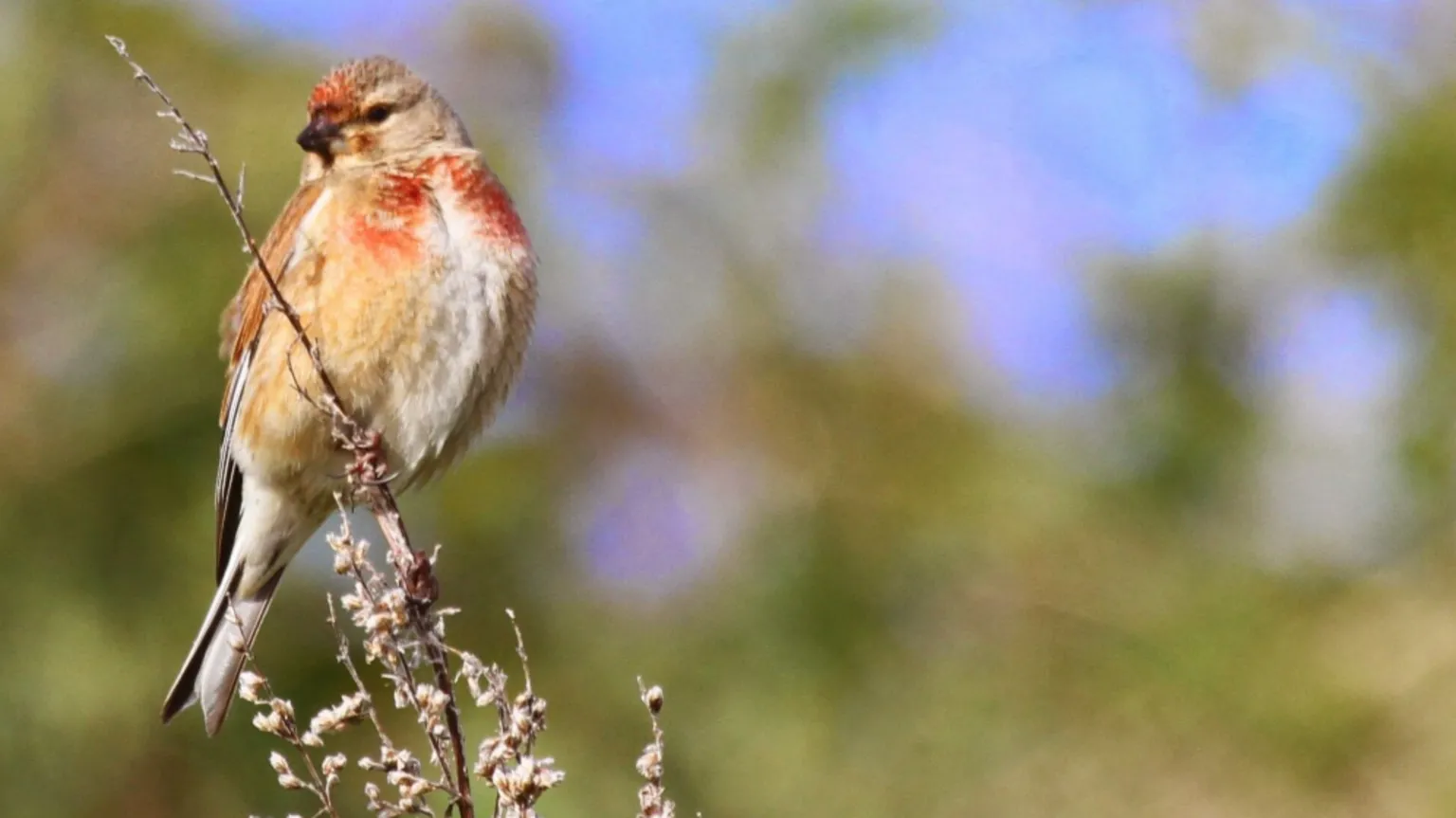
"We are using well-established, traditional techniques to restore our network of hedgerows.
"Laying and coppicing hedgerows can seem quite extreme, but the hedges quickly grow back bigger and better than before."
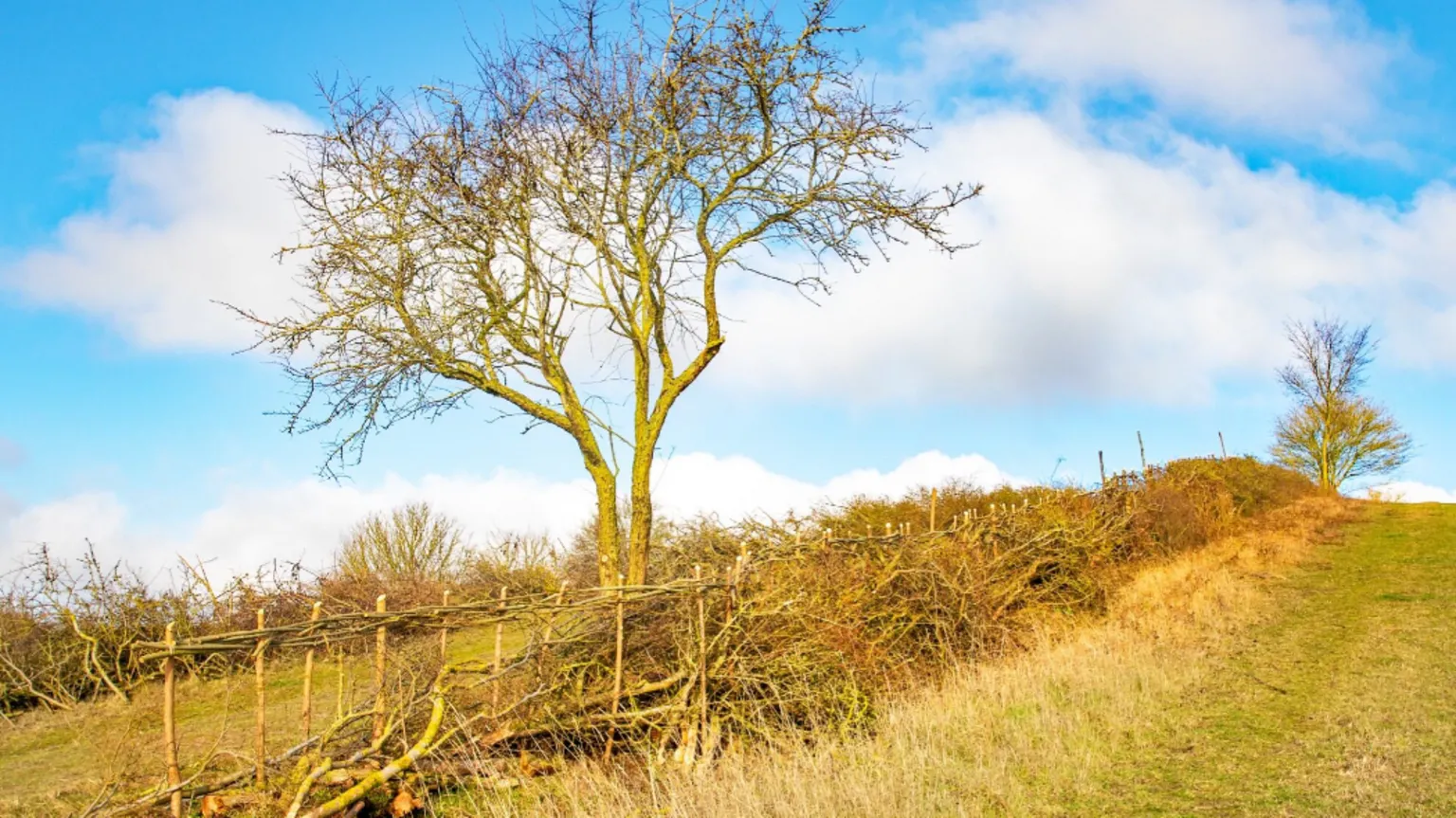
Many of the estate's hedgerows had become uneven with gaps and required restoration, according to Dave Hassall.
The long-term programme was developed in 2023.
Approximately 10% of the farm's existing hedges will be coppiced, 6.7km (4.1 miles) will be laid, and 13.8km (8.6 miles) of new hedgerow will be planted, equating to roughly 83,000 native trees and shrubs, the Trust added.
Follow Cambridgeshire news on , Facebook, Instagram, and X.


