

The Challenge of Protecting Nature in Britain
The importance of protecting nature is universally acknowledged. In Britain, numerous species face extinction threats. Since 1970, populations of various wildlife have declined in regions where they once thrived. For example, the hedgehog population, which was approximately 30 million in the 1950s, has now significantly decreased.
These alarming trends necessitate urgent action. However, much of the action taken, particularly through legislation, often fails to address the primary causes of nature loss. Instead, these laws tend to impede the development of infrastructure such as wind turbines, solar farms, railways, and nuclear power plants. This results in longer construction times, increased costs, or even the prevention of such projects.
Notably, these examples represent green infrastructure, which is essential to reducing dependence on fossil fuels. Fossil fuel use is a major driver of habitat destruction on a large scale. Expanding clean energy sources to power homes, transportation, and industry is one of the most pressing challenges. The only viable way to achieve this without triggering a severe cost of living crisis—and a potential backlash against environmental initiatives—is to accelerate construction efforts.
Currently, progress is hindered by well-intentioned environmental laws designed to protect habitats from unchecked development. These laws not only obstruct the green infrastructure urgently needed but also do not effectively safeguard nature. The funds allocated to these measures could be more efficiently used to enhance conservation efforts but are instead largely wasted.
One notable example is the construction of a 900-meter-long bat bridge intended to allow a population of approximately 300 rare Bechstein’s bats to safely cross four railway tracks. The cost of this structure could alternatively fund the creation of 4,500 hectares (11,000 acres) of new woodland, providing income to affected farmers and landowners.
Even assuming the bat bridge successfully protects every Bechstein bat near the HS2 route, its cost-effectiveness is questionable. More economical conservation projects exist. For instance, High Marks Barn in south Devon, a 19th-century agricultural building, now hosts one of the UK’s largest colonies of greater horseshoe bats. With targeted funding, the Vincent Wildlife Trust installed barriers to exclude predators such as barn owls and adapted the barn to withstand climate-related temperature fluctuations. These measures have helped protect over 1,100 bats.
Inflexibility of Environmental Laws
Why do environmental laws lead to such paradoxical outcomes? The issue lies in their rigidity. These laws are designed to prevent specific harms caused by particular developments. This approach is only logical if construction is a major cause of nature loss. However, this is not the case, primarily because the scale of building activity is insufficient to be a leading driver.
Currently, less than 10% of Britain’s land is built upon. Even if the Labour party achieves its goal of constructing 1.5 million homes, built-up land would increase by only a few hundredths of a percent. Tripling the construction rate would still require decades to cover even a tenth of Britain’s land. In contrast, nearly two-thirds of the land is used for agriculture.
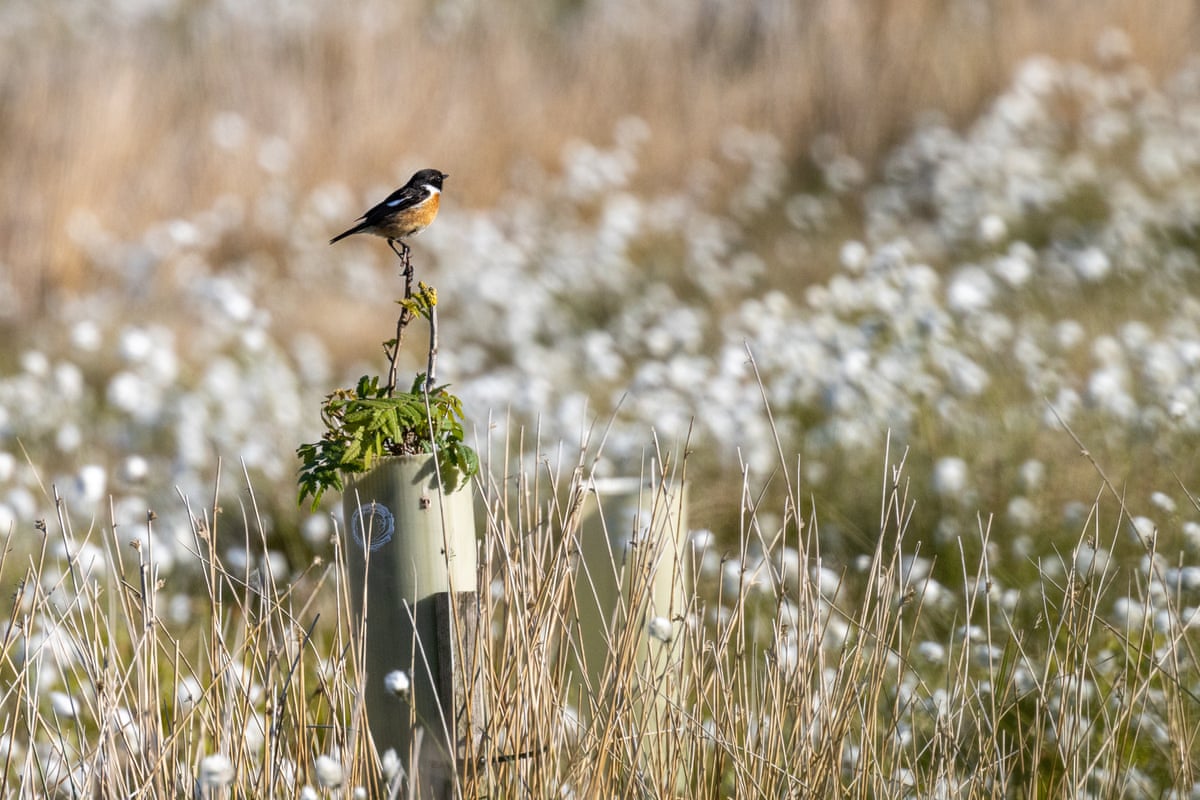
How and what is farmed has a far greater impact on Britain’s biodiversity than construction. For example, land dedicated to sheep grazing is twice the size of all built-up areas combined. Continuous grazing removes natural vegetation. Conversely, when farmers are incentivized to plant trees, wildlife returns. In the Yorkshire Dales national park, fencing off 1,000 hectares and planting tens of thousands of trees has led to a remarkable ecological recovery. Butterflies, bluebells, and birdsong have returned, with 11 new species of breeding birds observed, including meadow pipits, reed buntings, and stonechats.
This transformation has been achieved at an annual cost of just £25,600.

Meanwhile, an offshore wind farm plans to spend £170 million protecting seabirds such as the black-legged kittiwake. This species has experienced a 70% population decline during the author’s lifetime, primarily due to rising sea temperatures and overfishing, which have depleted sand eel populations—the birds’ main food source. Technologies capable of mitigating ocean warming are hindered by mitigation measures that fail to address the root causes of seabird declines.
Case Study: Fish Protection at Hinkley Point C
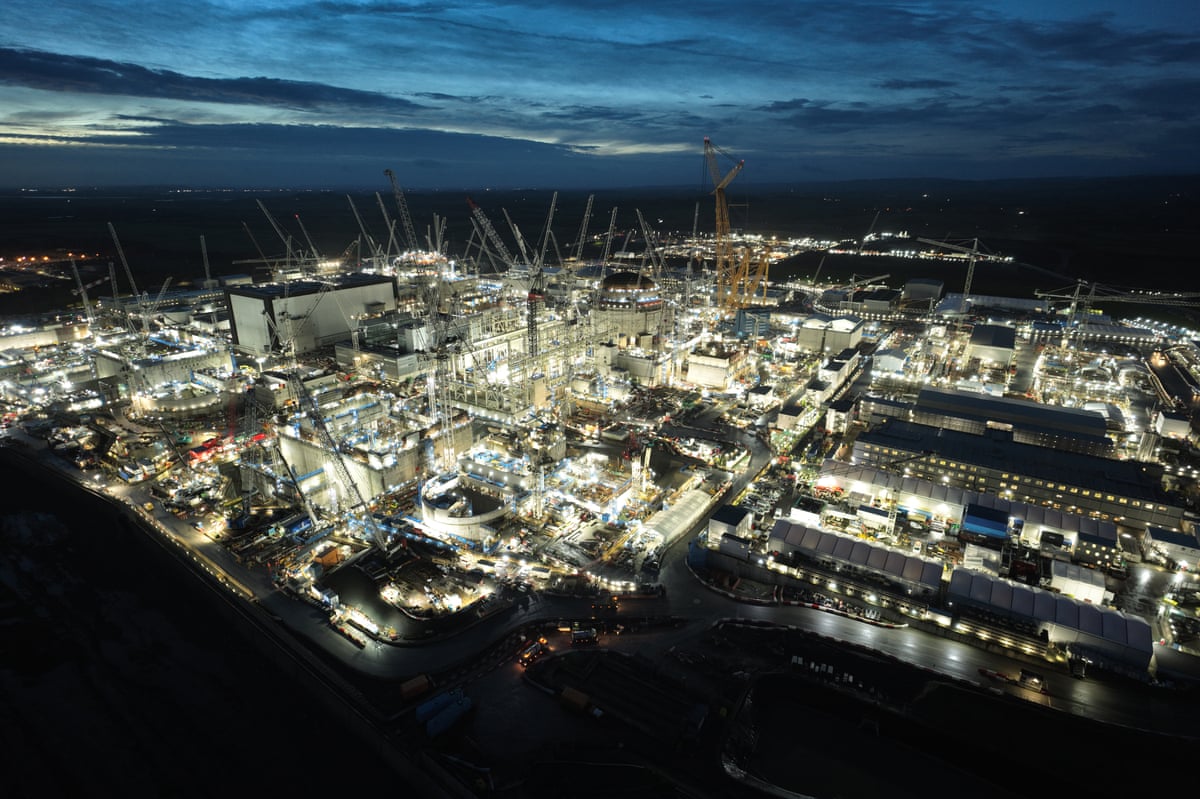
The situation at Hinkley Point C in Somerset exemplifies systemic issues. This is Britain’s first new nuclear power plant in over 30 years and will require substantial water usage. To cool steam from its two reactors, it will draw more than 4,200 Olympic-sized swimming pools’ worth of water daily through two 3.5 km (2.2 mile) tunnels. Although the water is returned to the Severn estuary, not all aquatic life survives the intake process.
The Environment Agency estimates that up to 250 million fish eggs, larvae, and juvenile fish may be destroyed annually. Most of these are unlikely to reach adulthood. While this impact is significant, it is comparable to the annual catch of a medium-sized fishing vessel.
EDF Energy, the plant’s developer, will invest over £700 million in fish protection measures. These include £500 million for “low intake velocity side entry water heads,” £150 million for a “fish recovery and returns” system, and £50 million for hundreds of underwater speakers emitting noise at levels comparable to jumbo jets to deter fish from approaching.
These features were not present at previous nuclear plants in the Severn estuary, nor are they included in Finland’s Olkiluoto 3 or France’s Flamanville 3 plants, which share the same reactor design as Hinkley Point C. The expenditure equates to approximately £250,000 per individual fish saved.
Compliance with environmental protections has also generated extensive costs: EDF prepared a 30,000-page environmental impact assessment, obtained over 100 environmental permits—many requiring separate assessments—and faced unsuccessful legal challenges that delayed construction.
These delays and increased expenses have environmental consequences. Higher costs for clean energy reduce the likelihood of its development and consumer adoption. Without affordable clean electricity, households are less inclined to purchase electric vehicles or heat pumps.
A recent government-commissioned review of nuclear regulation highlighted a project that removed a river weir, restoring 160 km of habitat for migratory fish, including Atlantic salmon. The cost of this project was only one seven-thousandth of Hinkley Point C’s fish protection expenditure.
The key difference is that the river project focused on habitat restoration. In contrast, many mitigation measures aim primarily to satisfy regulatory requirements rather than achieve meaningful wildlife conservation.
"Wouldn’t it be better if a chunk of the cash spent on HS2’s bat tunnel or Hinkley Point C’s fish deterrent went to schemes that do thousands of times more good? It can be tempting to resist anything that looks like the ‘watering down’ of environmental protections. But what if the protections themselves are part of the problem? If you really care about defending nature, you should care about what works."
Sam Dumitriu is head of policy at Britain Remade.
Further Reading
- How the Atom Will Save the World by Tim Gregory (Bodley Head, £25)
- How We Build a Better Future by Ezra Klein and Derek Thompson (Profile, £16.99)
- The Return of Nature to a British Farm by Isabella Tree (Picador, £10.99)


