Understanding Polyamory Beyond Sexual Stereotypes
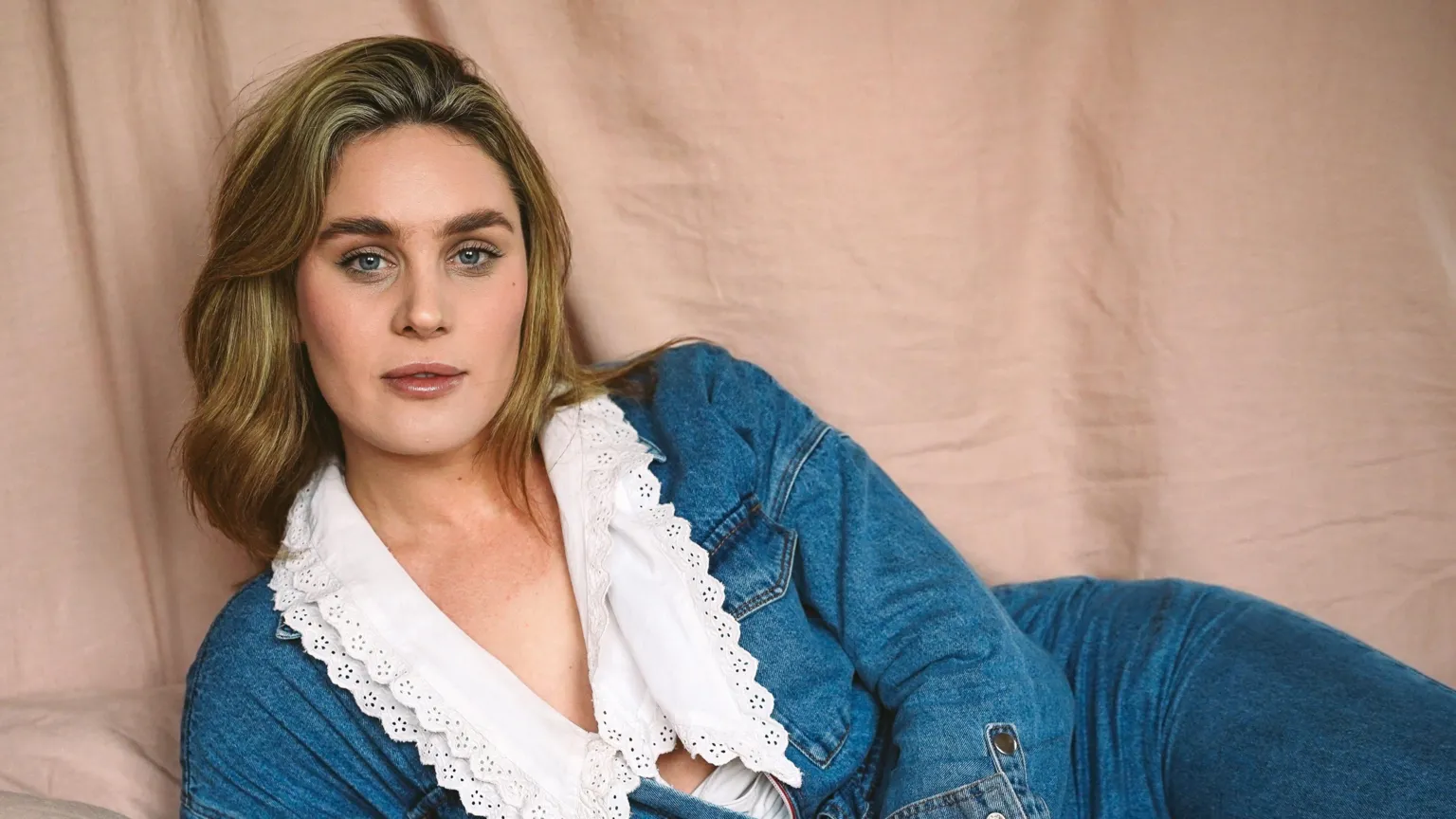
When people learn that Naomi Allsworth has multiple partners, their immediate association is often with sex. However, polyamory, the practice of loving multiple people simultaneously, is rooted more in honesty and organizational skills than sexual activity, Naomi explains.
Naomi, 30, from Pembrokeshire, has over a decade of experience in non-monogamous relationships and emphasizes the importance of having a reliable calendar to manage these connections. She also notes that, contrary to popular belief, polyamory can be lonelier than expected.
Naomi, who currently lives in London with her son and his father Christopher, describes polyamory as:
"For me, polyamory is the ability to have multiple meaningful relationships. It's not based around sex, it's about a lot more than that. It's the freedom of having multiple long-term relationships, should they arise."
Growing up, Naomi was monogamous and unaware of alternative relationship models.
"I was monogamous as a teen and didn't know any different growing up where I did. There was one example of what a relationship should look like, it's the same with movies and books. You don't see anything else."
She initially believed monogamy was the only way to be in a relationship, which led to several unhealthy relationships marked by infidelity.
"It was almost normalised and it just didn't feel right."
In 2016, Naomi moved to London to study fashion at university, where she encountered diverse relationship dynamics. After discovering her bisexuality, she began questioning monogamy.
"I didn't quite know how to explore that, but I'd started dating my son's dad and he was the person I wanted to marry. So it felt really strange to feel like I would have to end that just to explore this new part of myself. We discovered that I didn't need to, we could find a way to do both."
Naomi and Christopher agreed to open their relationship with clear rules to maintain trust. For example, if Naomi met someone new, she would discuss it with Christopher before pursuing anything further.
"If she met someone on a night out, she would get their number and discuss it with her partner before making a move."
Christopher added in the S4C documentary Cariad Heb Ffiniau: Poliamori a Fi:
"Before any new person meets our family, I have to meet them, and more than once. In a way, you become this person's friend."
Expert Insights on Consensual Non-Monogamy
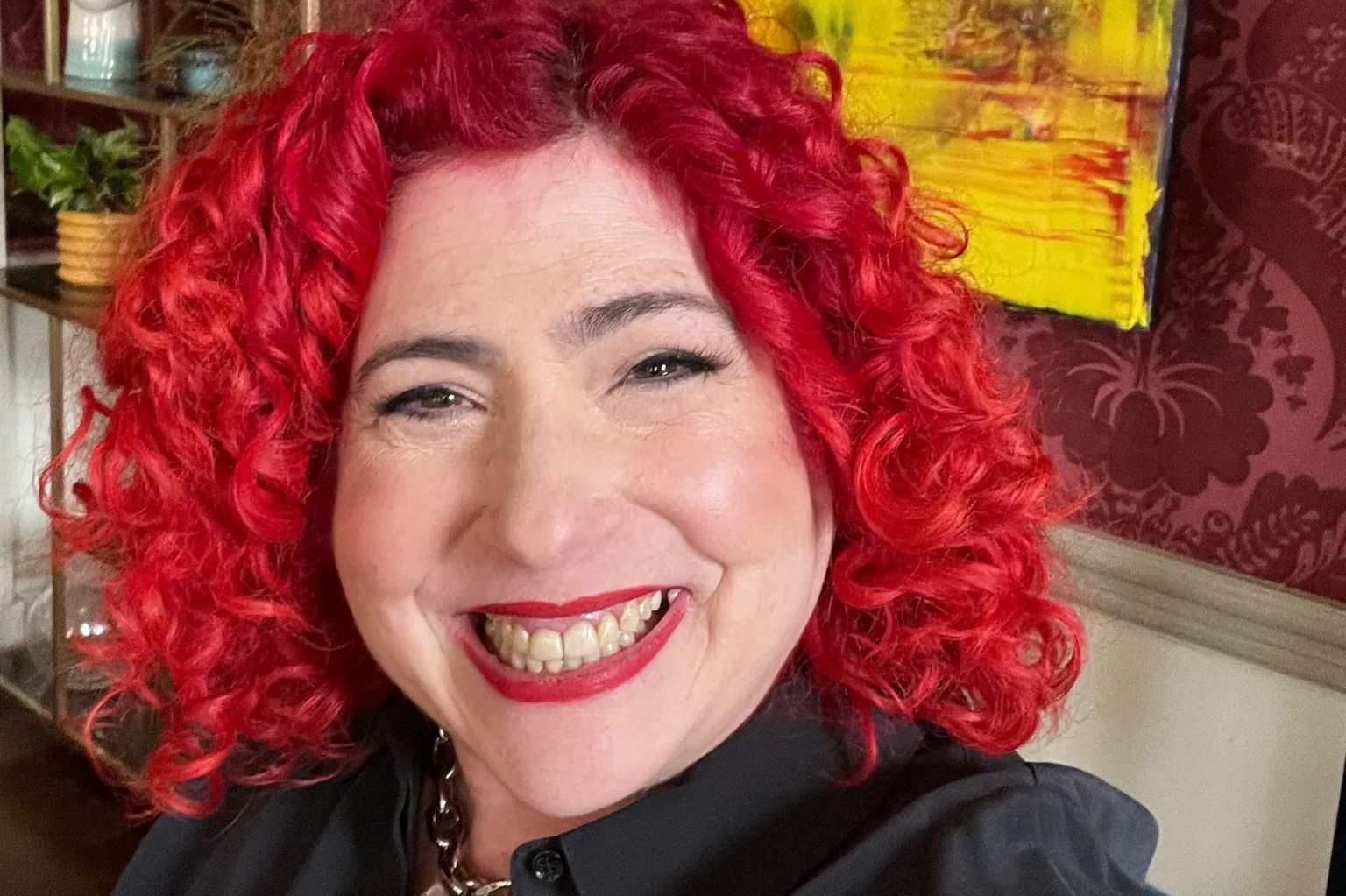
Dr Lori Beth, a therapist featured on 's Open House: The Great Sex Experiment, defines consensual non-monogamy as:
"When people in a romantic relationship agree that they will not be exclusive partners with each other, and that in some form, they are able to have other partners."
She clarifies that this does not always involve sexual relationships, as some people have deep emotional connections without sex.
"Now, often when people give this definition, they talk about sexual partners. That's not always the case, there are people who have very deep emotional relationships that don't include sex that they would still include under this rubric."
Dr Beth, an intimacy and sex coach, addresses common misconceptions about polyamory, including the belief that it is unsustainable.
"[That] is utter rubbish. I've been in a non-monogamous relationship for 17 years with my now-husband and 10 years with my other partner."
She advises that couples considering opening their relationship should ensure their partnership is strong, as non-monogamy is not a solution to existing problems and should not be pursued solely because a partner desires it.
"It's also not a good thing to go along with because your partner wants it. If you are insecure this will make you more insecure."
Challenging Stereotypes and Managing Emotions
Naomi highlights a prevalent stereotype that polyamory is primarily about sexual freedom.
"It's so ridiculous. Everyone instantly just assumes it's all about sex. For me, polyamory isn't about that. People will often go, 'I could never do that. I love my partner too much to do that', assuming that I don't love my partner to the same degree. I think that's quite hurtful. I love my partners more than anything and it's just a different way to navigate relationships."
She also addresses misconceptions about jealousy.
"I think a lot of people assume that I don't get jealous and that's not true, it gets quite bad. A lot of couples want to try it and don't realise how much more trust and honesty it takes than being in a monogamous relationship."
Setting boundaries is essential in polyamorous relationships, Naomi adds.
Balancing Polyamory with Family and Career
Naomi has balanced polyamory with family life and parenthood, emphasizing time management.
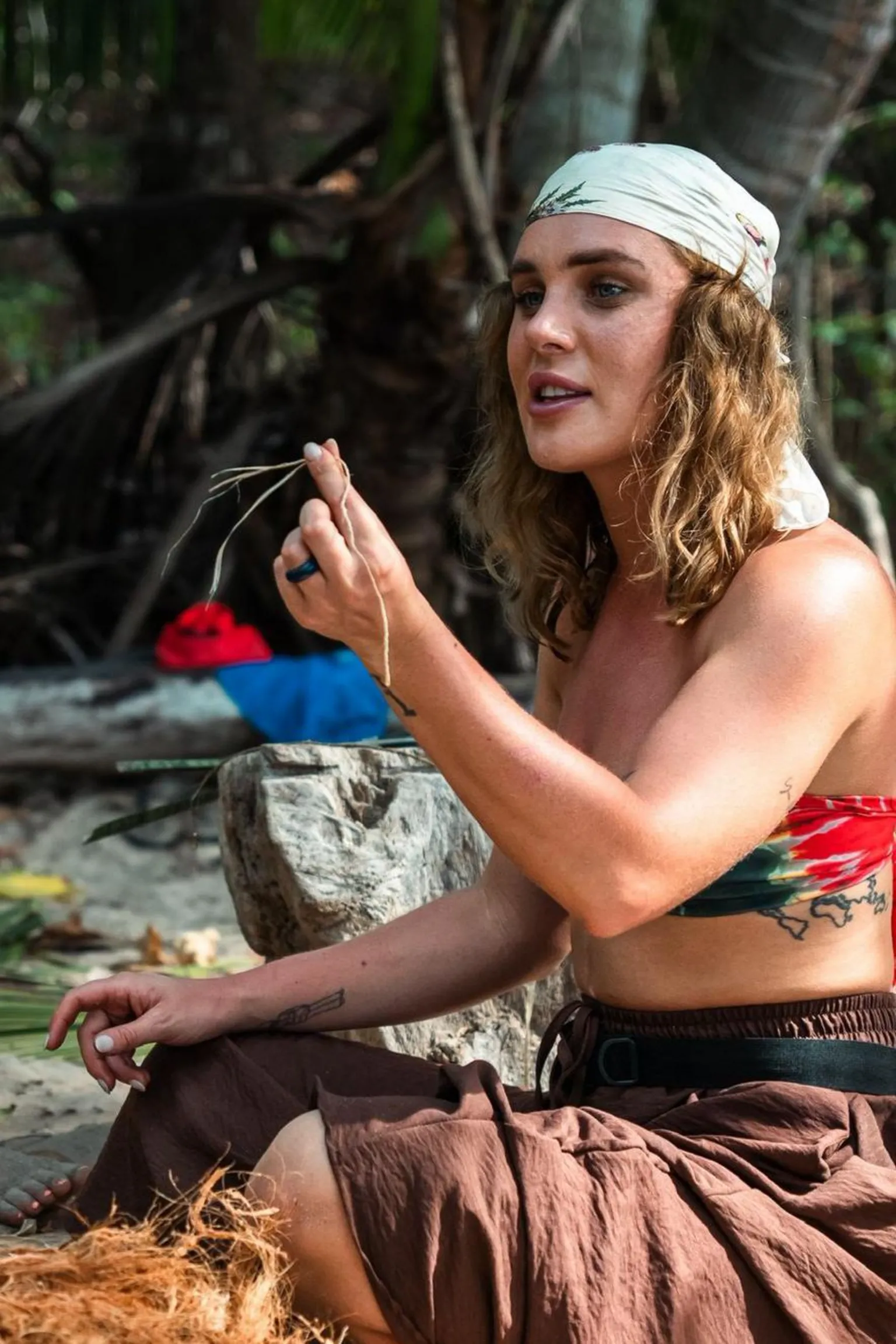
As a survival expert who travels extensively, often living off-grid in challenging environments, she must carefully prioritize her time at home.
When asked how she manages multiple relationships, Naomi explains:
"It's all about time management, intention and a really good online calendar that I just shove everyone in, and it's great."
Most of her time is dedicated to her son and his father, whom she considers her family. She does not believe she could maintain more than two relationships due to time constraints.
Naomi values friendships among her partners, ensuring they get along and spend time together.
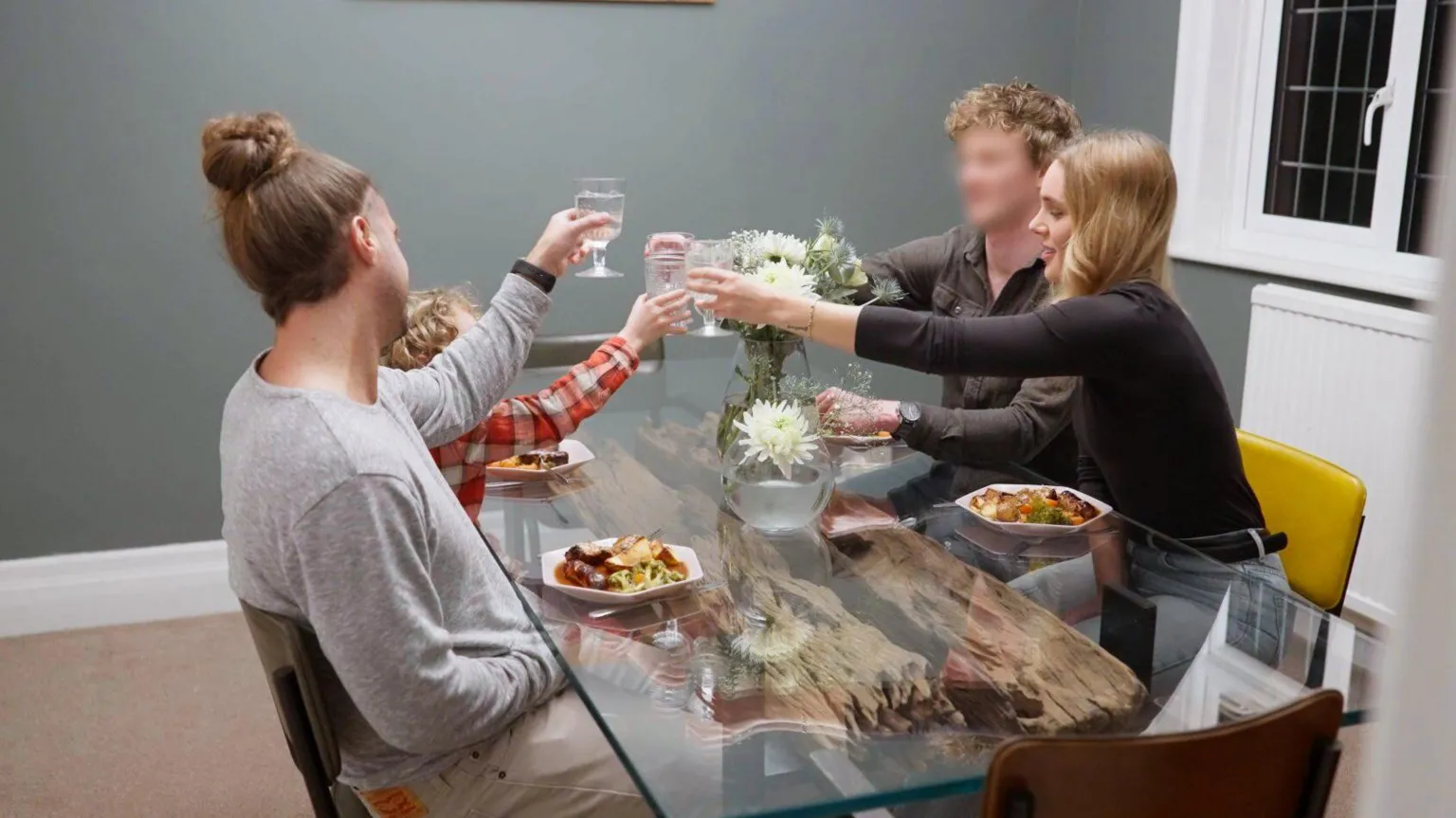
Despite the focus on connection, Naomi acknowledges that polyamory can sometimes be lonely.

"Friends and family often avoid asking questions altogether because they're not sure if they'll offend me... so they avoid the topic completely."
For Naomi, polyamory remains simply a different way to navigate relationships.
Community Perspectives on Polyamory
Gabriel Strange-Wood, 53, and his partner Christina Lydia Strange-Wood, 47, describe polyamory as liberating.
"Everybody seems to think it's, 'oh, you have your cake and eat it' but just like any monogamous relationship, you have your downs. A lot of the time they can be amplified because you're dealing with not just one other person, but sometimes three or four other people."
Gabriel emphasizes the logistical challenges involved.
"It can get very, very hectic at times, when you've got three or four on the go, it's logistics most of the time."
Both Gabriel and Christina administer the Cardiff and South Wales polyamory Facebook group, which organizes regular meet-ups.
Supporting Naomi's observations, Gabriel notes that a significant portion of the polyamory community identifies as asexual, prioritizing emotional support and companionship over sex.
"They're just looking for emotional support, companionship, people they can feel closer to. People they can fall in love with and feel safe."