Manchester's Musical Renaissance
In the late 1980s and early 1990s, Manchester underwent a significant transformation driven by its vibrant music scene.
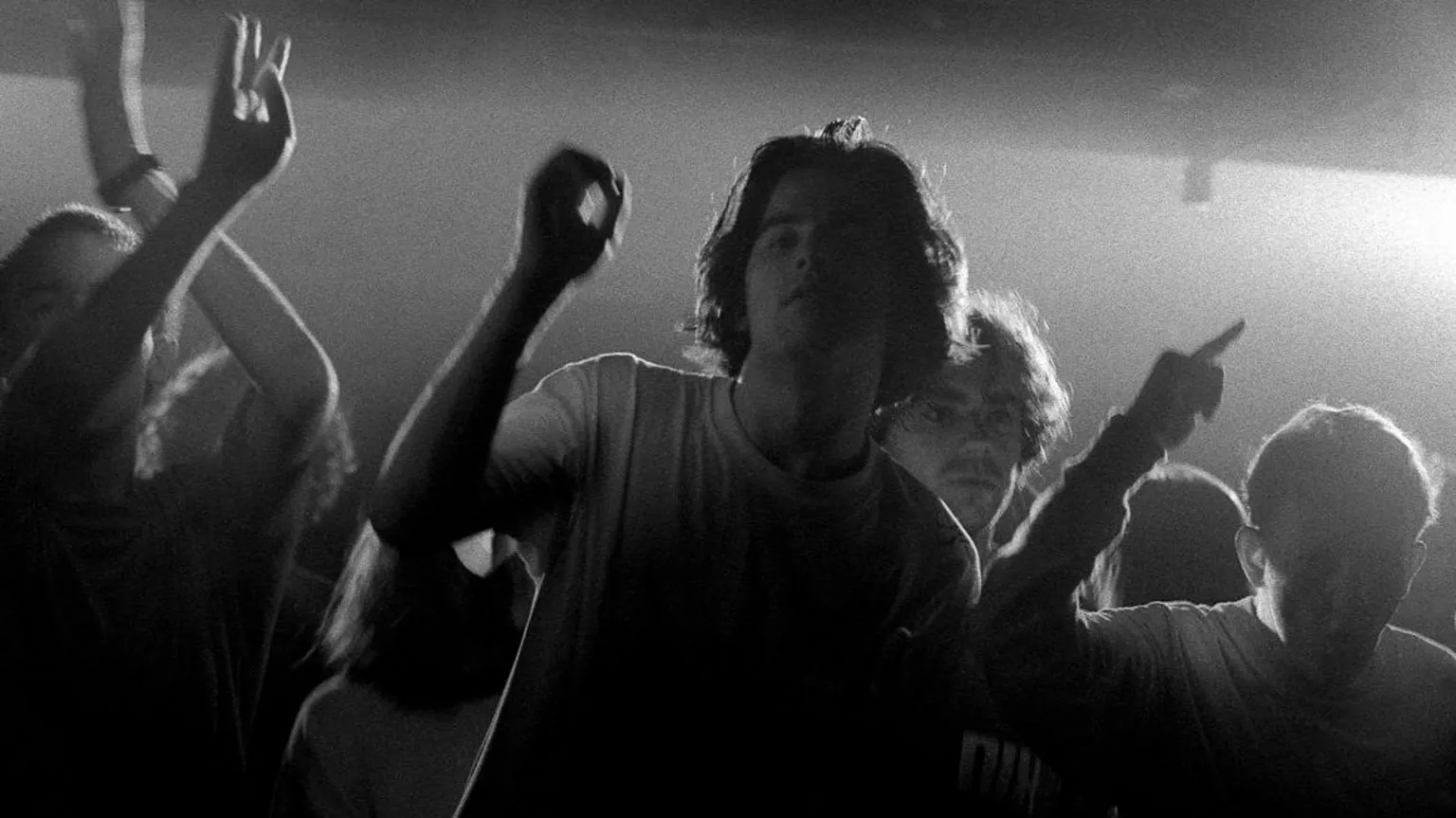
During this influential period, music, drugs, and fashion converged, earning the city the nickname Madchester and making it a cultural hotspot.
"There came a point where about a third of the office would go to Manchester every Friday night," said former NME journalist and BBC Radio 6 Music DJ Steve Lamacq while promoting his new podcast on the subject.
"They'd just decamp to Manchester and you wouldn't see them again until Tuesday or Wednesday the next week, looking like they'd had quite a good time."
This era, known as the second summer of love, shone brightly for several years with iconic venues such as the Hacienda and events like Spike Island before fading and paving the way for Britpop.
Now, 35 years later, Manchester is experiencing a resurgence in its musical prominence as artists, fans, and industry executives return to the city.
Last month, Manchester hosted the Brit Awards for the first time in nearly 50 years, where the newly nicknamed Olivia Deansgate dominated the event, marking a significant departure from its traditional London venue.
On Thursday, the new Co-op Live arena, which has already been secured for next year's Brits, will also host the Mobo Awards for the first time.
From Wednesday to Saturday, the BBC Radio 6 Music Festival will return to its permanent home in the 0161 area code.
These developments raise the question: is Manchester reclaiming its status as the UK's leading musical hub?
'Shift of power'
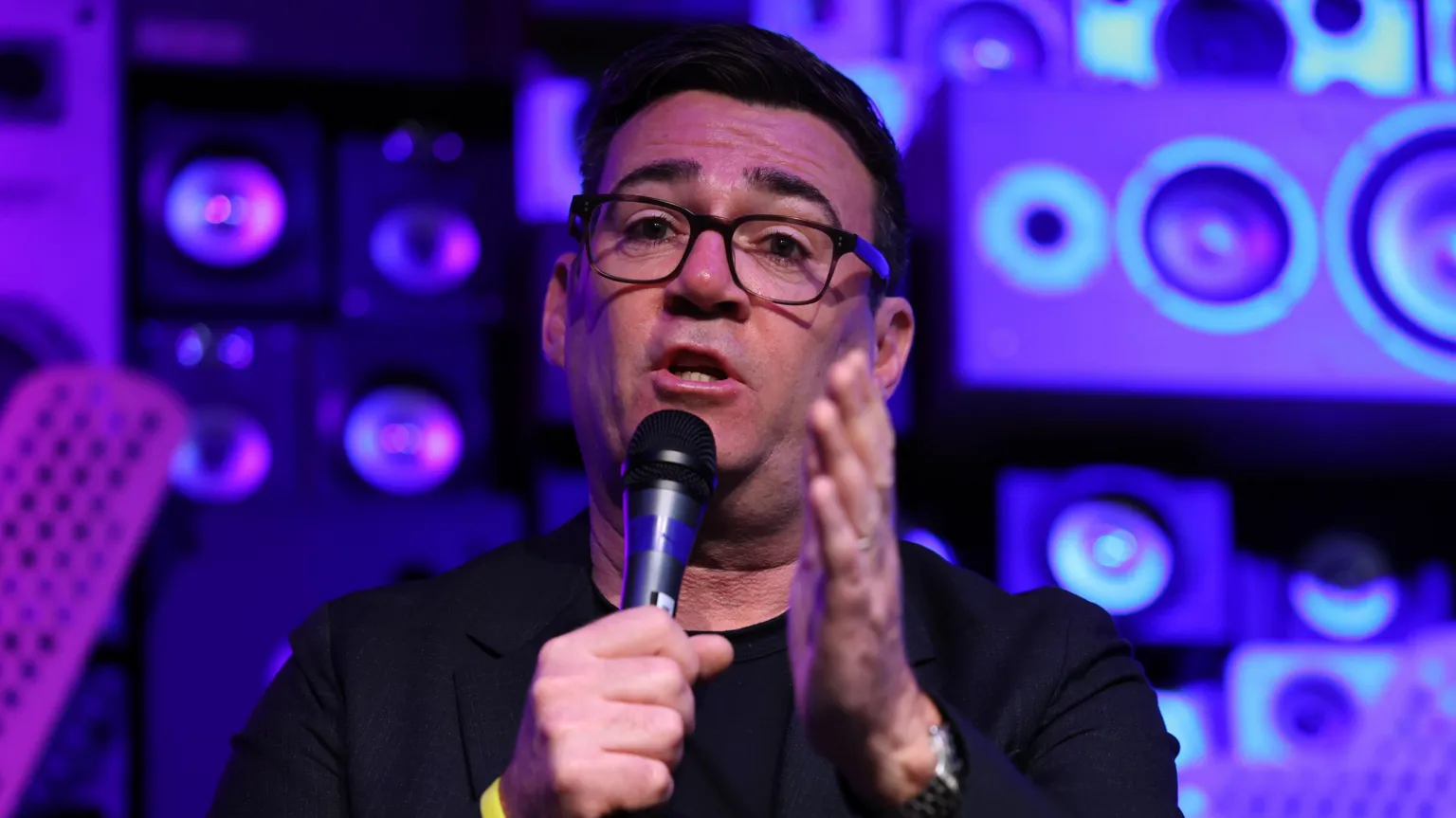
Andy Burnham, Mayor of Greater Manchester and occasional DJ, believes this is the case.
"Finally, we're seeing a shift of power, energy flowing into Manchester," Burnham told .
"It's not just those big events coming, more and more young talent is choosing to make Greater Manchester their home."
"I just feel the moment is with us right now. The Brits, in some way, symbolised that. But with the Mobos... there's just so much more to come."
Burnham credits the British Phonographic Industry (BPI), which organizes the Brits, for hosting numerous grassroots fringe events in Manchester.
"The Brits did more than just come and put on a show," he said. "They put ladders down into our communities."
Despite the UK's three major record labels—Universal, Sony, and Warner—remaining London-based, Burnham expressed a desire for a major label to establish a significant presence in Manchester.
His recent announcement of night buses connecting the city centre to all ten boroughs has been praised by Jay Taylor, England coordinator for the Music Venue Trust (MVT), as "the best thing" for music fans and venues.
Taylor noted that other regions now look to Manchester's music ecosystem as a model.
'Secret sauce'
While parts of Manchester and the North West remain among the UK's most deprived areas, the city region boasts one of the fastest-growing economies in the country.
Becci Thomson, Chief Commercial Officer of Co-op Live, relocated from London five years ago after working at the O2 Arena.
"Bringing the Brits to Manchester was the number one thing that we talked about" when launching Europe's largest new indoor arena, Thomson said at a recent Greater Manchester Good Growth event.
"It's given it, definitely, a new lease of life, being up here," she added, referring to the event, which attracted a record global audience according to BPI data.
Thomson explained that while large events can be less visible in a vast city like London, Manchester's unique elements—such as art trails and pop star tram announcements—enhanced the experience.
BPI Chief Executive Jo Twist emphasized the "off-the-scale impact" of the Brits being embraced by Manchester.
"The world-class facilities," she said, combined with the city's "legendary creative energy and musical heritage," made relocating the event north a "natural next step."
Alongside the Brits week, a series of Mobo fringe events have been held throughout Manchester, blending music with arts, fashion, and sport.
Elle Simionescu-Marin, Mobo Fringe Coordinator and former GRM Daily editor, described Manchester's current creative atmosphere as "London 10 years ago on steroids."
"There is so much happening," she said. "I think you've seen a lot of big brands have moved their HQs up to Manchester."
Events like the Black Sound Gala at the Whitworth Art Gallery have helped amplify and highlight the city's exceptional Black creatives, she added.
'Sustainable growth'
This is not the Mobo Awards' first experience outside London; over the past decade, the ceremony has toured northern cities including Leeds, Liverpool, Newcastle—where this year's Mercury Prize will also be held—and Glasgow.
North Manchester rapper Aitch, nominated for Best Hip-Hop Artist at this year's Mobos, will perform in his hometown.

Aitch was discovered as a youth by Michael Adex, founder of the talent management company NQ, after performing at a local open mic night.
"Hosting both the Brits and Mobos in the same year is a monumental mark for the city," said Adex, who moved to Manchester from Germany as a child.
"I decided early on to ignore the temptations of London and run my music business from Manchester, a place which has something special that no other city can replicate."
"The most important thing is that sustainable growth," he added.
"The recent buzz around the city has been testament to the decision I made to stay 10 years ago."

'Intergenerational'
Despite the positive momentum, Mancunian singer and musician Ellen Beth Abdi highlights ongoing challenges.
"It's great that Manchester is getting a light shone on it," she said. "But how many northerners are actually getting nominated?"
Only one of this year's Brit Award nominees in competition, Farnworth singer-songwriter Chrystal, hails from Greater Manchester.
Besides Aitch, only a few northerners are nominated for Mobos this year, including fellow Mancunian Nemzzz, Liverpool viral artist EsDeeKid, and Huddersfield drill star Booter Bee.
"There is still a discrepancy between investment in grassroots music infrastructure and people in the north and south," Abdi said.
"There is a danger of simply lifting something out of London and dropping it into Manchester and assuming it's going to work when the culture is completely different."
"If the music world is decamping from London again this week, then it needs to give back to the community," she added, cautioning against mere lip service.
Abdi will perform at Band on the Wall on Wednesday during the BBC Music Introducing night alongside local acts TTSSFU and Pyncher.
She has recently performed with local icons 808 State and A Certain Ratio and emphasizes Manchester's "really intergenerational" and "collaborative" music scene.
"I definitely feel part of new wave of Manchester, but that's been taken under the wing of the old guard, for sure," she said.
Events like last month's Brits Fringe Lab at New Century Hall have been praised for integrating into the city's grassroots culture.
The venue hosts gigs and runs music education programs, training individuals for careers in roles such as sound engineering.
Founding director Adrian Armstrong supports Manchester hosting major international events but notes the city's music scene has never truly faded.
"I'm not sure that so-called resurgence ever went away from Manchester," Armstrong said.
"There's been continuous development of entrepreneurial behavior in this city for 50 years."
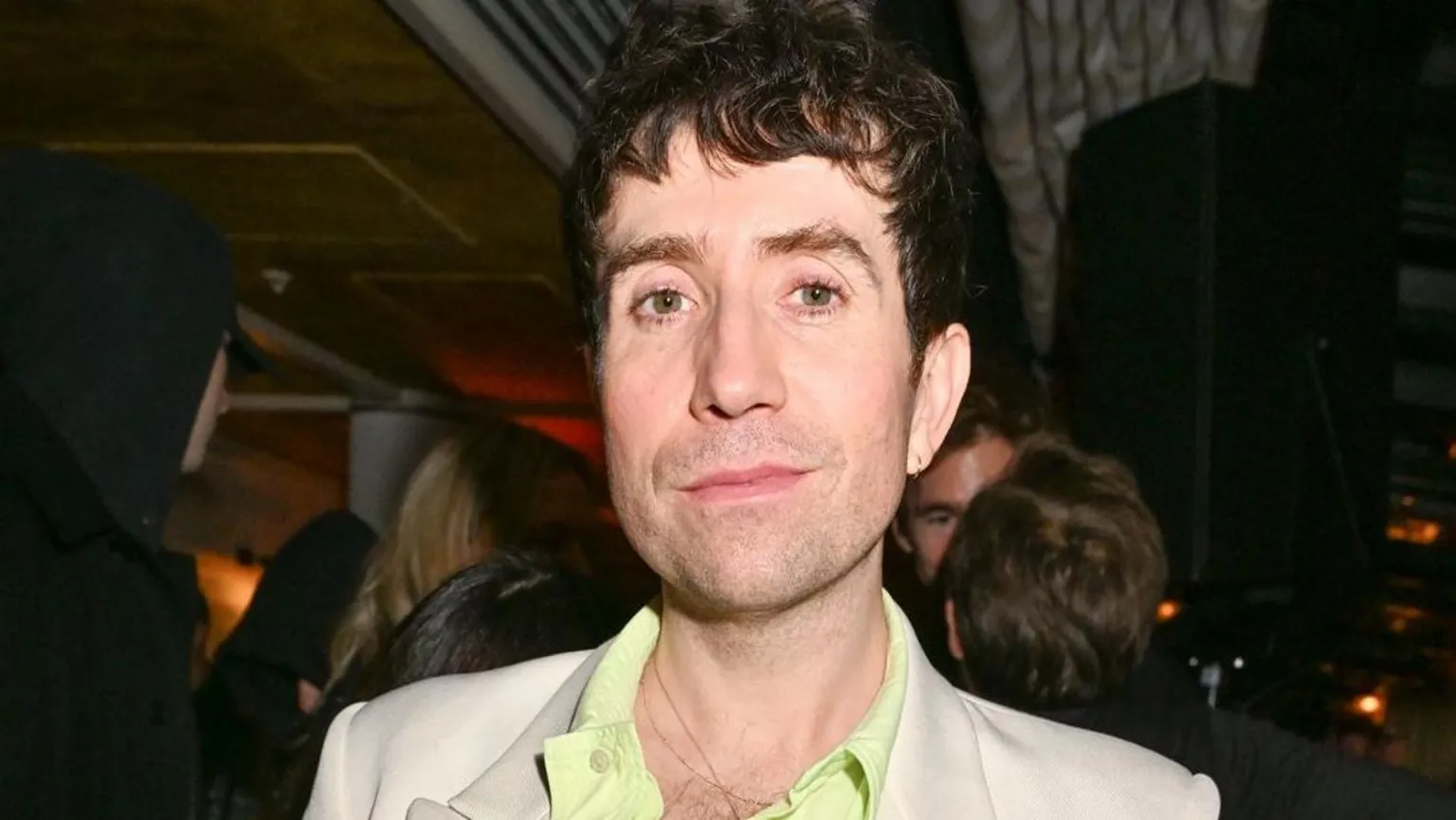
Nick Grimshaw, born in Moss Side and raised in nearby Oldham, will broadcast from the 6 Music Festival and DJ at Yes.
On Sunday, he plans to take fellow DJ and singer Beth Ditto of US band Gossip to his mother's house for a roast.
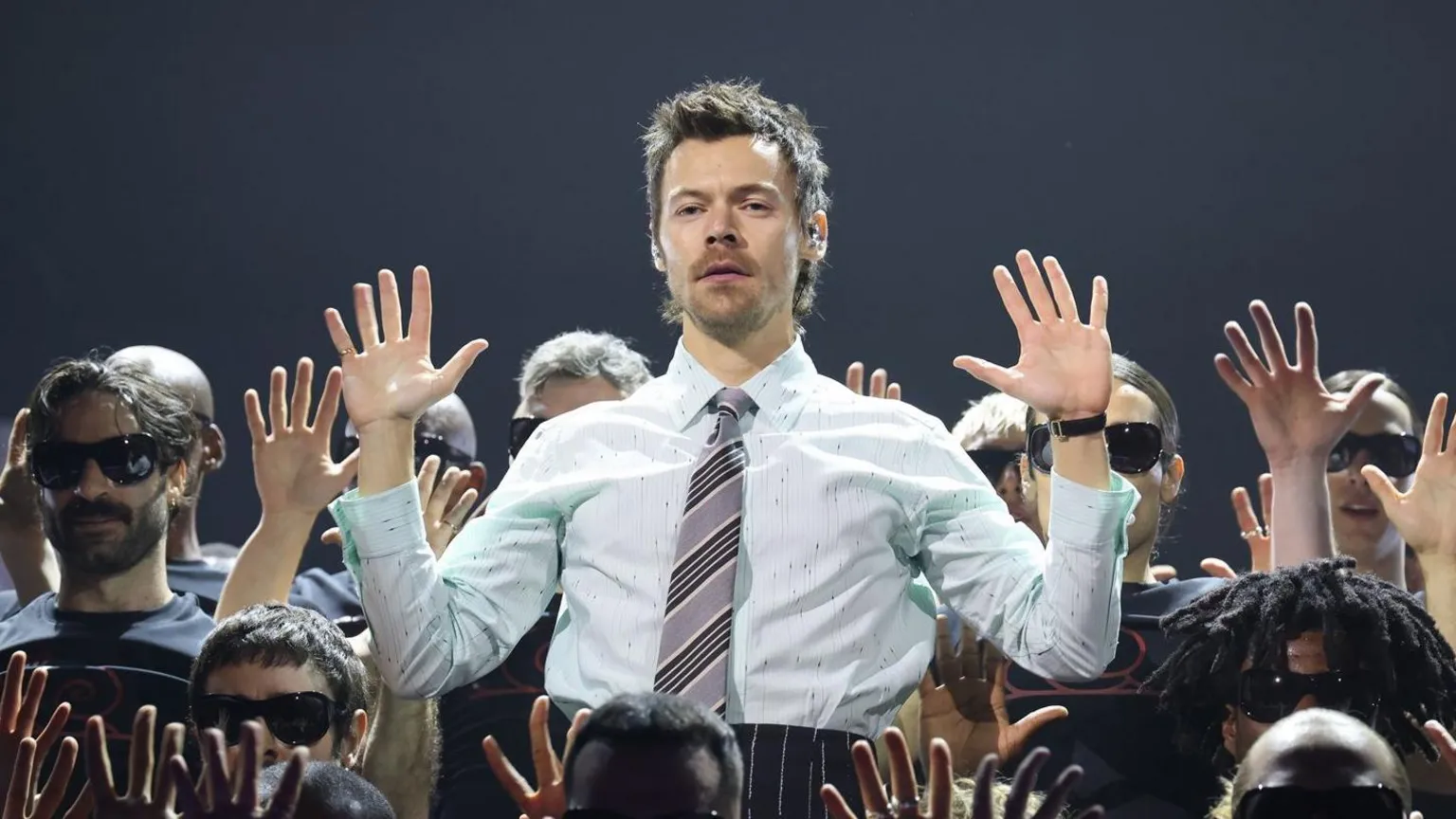
Grimshaw cites superstar Harry Styles' recent Netflix-filmed concert at Co-op Live as further evidence of northern musical vitality.
While Manchester's skyline and venues evolve, Grimshaw notes the enduring "northern hospitality."
"I think that's quite an exciting thing, that there's always a new spot or a new thing happening, and it still retains its own personality," he said.
The festival will utilize smaller independent venues around Manchester and Salford, which Grimshaw believes is essential to maintaining a vibrant music scene.
Though Grimshaw moved to London in his 20s to pursue his radio career, he recalls being inspired by northern voices like Mark and Lard and Sarah Cox on Radio 1 as a child.
"Why should you have to move to London?" he asked.
Compared to London, Manchester has roughly a quarter of the population and only one international airport versus London's six.
This disparity makes it easier for artists and fans to attend London's 6,000 gigs annually, more than three times Manchester's total, according to Songkick.
However, as Factory Records founder Tony Wilson once remarked, "What Manchester does today, London does tomorrow."
Manchester's Aviva Studios, home to Factory International and a nod to the city's musical heritage, offers a new state-of-the-art space.
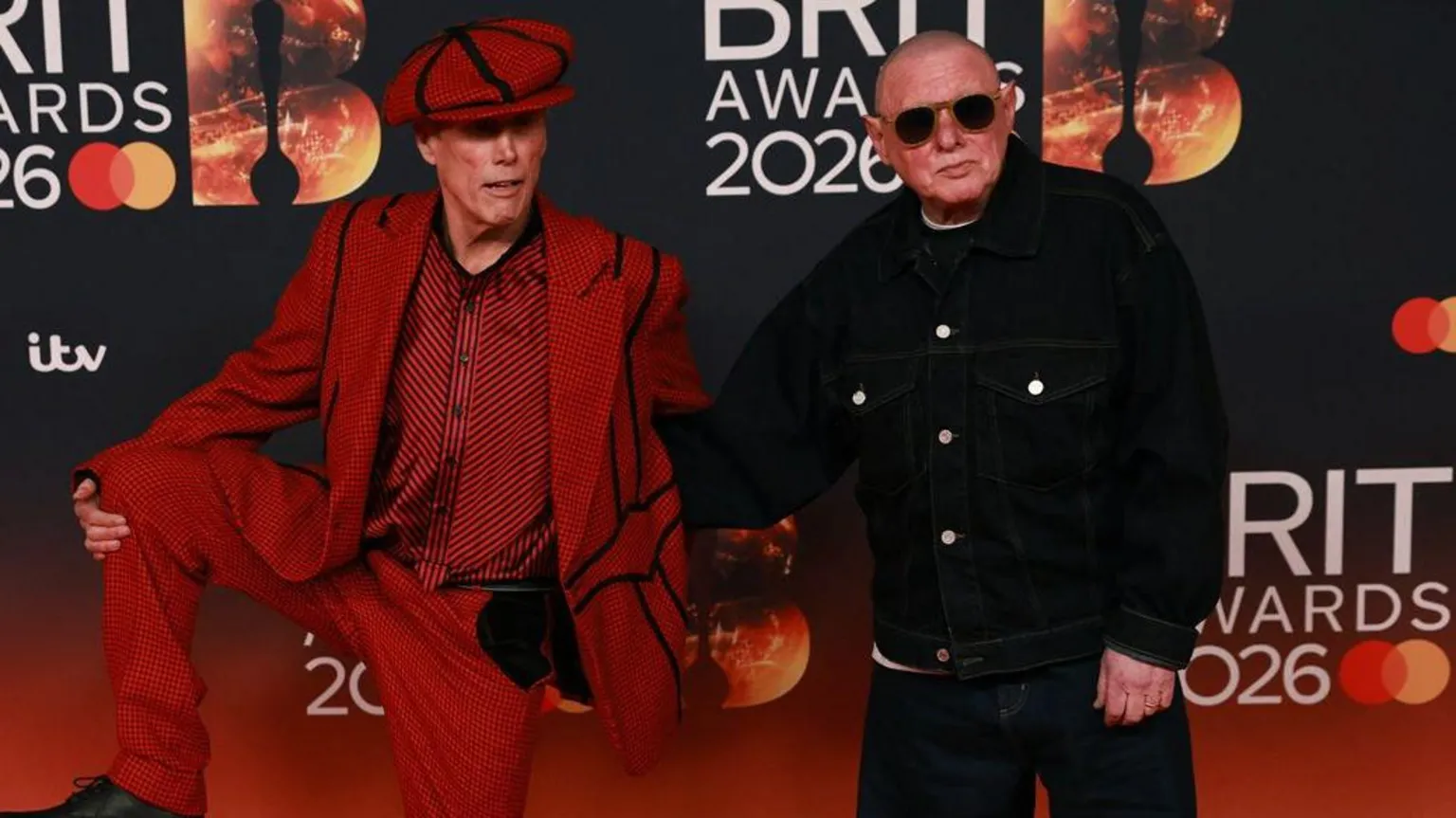
One of Wilson's seminal bands, The Happy Mondays, participated in presenting an award at the Brits.
Beforehand, Salford frontman Shaun Ryder told it was "brilliant that those lazy bastards from London have decided to get off their bums and come up north for an hour or two."
"Back in the early-mid 80s, we were told by talent scouts that we didn't have an image," Ryder recalled.
"Then a few years later you wouldn't get signed if you didn't have a pair of trainers and a hoodie on or whatever," he smiled.
"And a pair of flared jeans," added bandmate Mark "Bez" Berry, crucially.
The Mobo Awards will take place on Thursday, with highlights broadcast on BBC One on Friday at 23:35 GMT.
The BBC Radio 6 Music Festival runs from Wednesday until Saturday, with coverage on , , and BBC Music's YouTube channel.