

A Cultural Hub Emerges Around Strangeways Prison
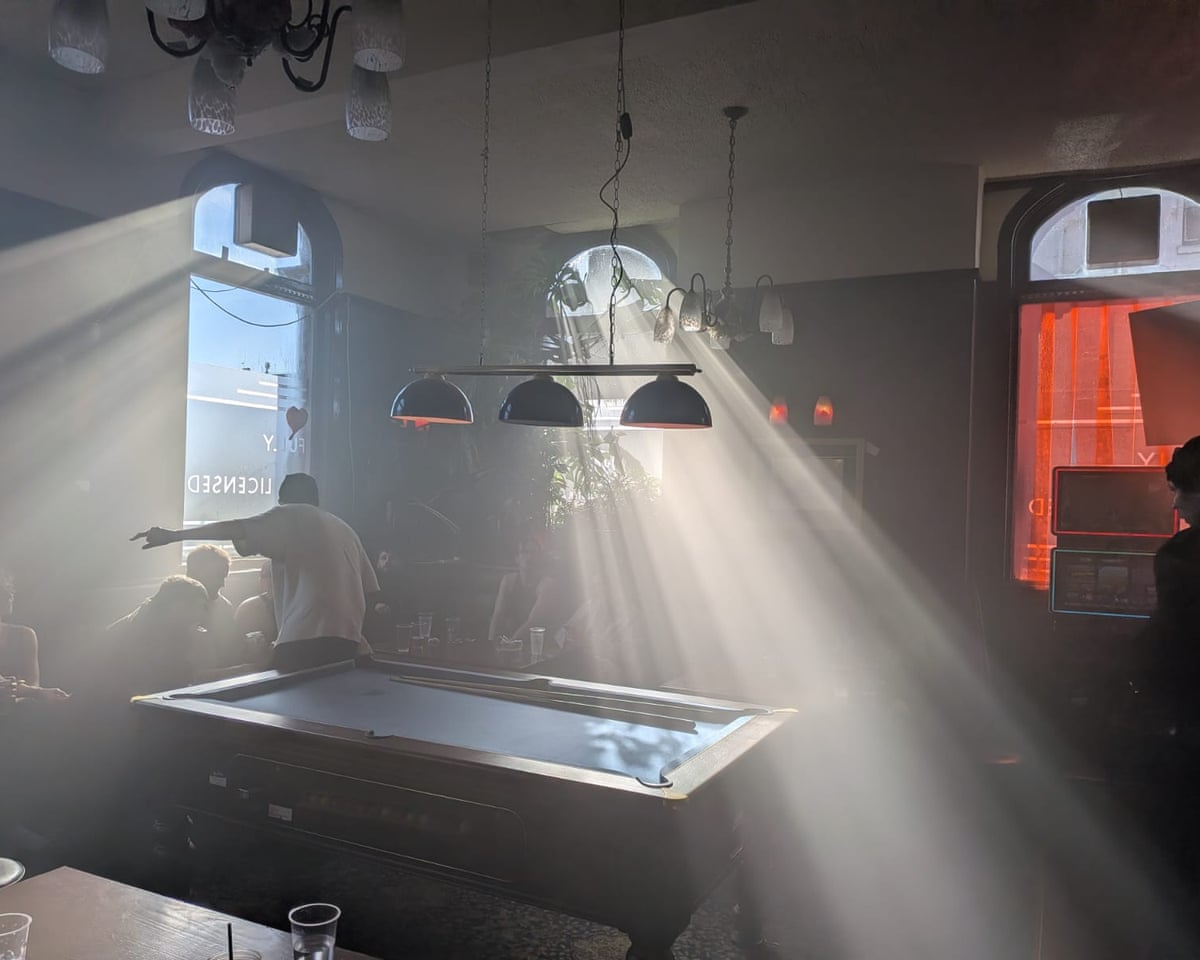
Walking across the so-called Strange Quarter takes 20 minutes but encompasses a vast array of artistic endeavour. Over the last decade this loosely defined district straddling Manchester and Salford, previously known for industrial estates and Strangeways prison, has emerged as a hotbed of DIY clubs, arts spaces and practice rooms.
The White Hotel programmes groundbreaking music in a defunct MOT garage. Around the corner, Hidden offers a multi-level club and large open-air dancefloor, with scores of studios split between the main Downtex Mill building and a more recent addition, Inca. The DBA is a historic pub reborn as a focal point for queer and electronic music communities, and the Yard is an intimate indoor-outdoor venue, with yet more studios. The list goes on.
Redefining Manchester’s Cultural Life
In a city still somewhat in thrall to its heritage, from the Haçienda to Oasis, many in the Strange Quarter say the area has redefined Manchester’s cultural life.
“The scene here will be remembered far beyond many of the histories celebrated today,”says Sam Rushton, who manages the events and studio space 1520. A creative hub with photographers, music producers and more working over various floors, its intimate blank canvas basement hosts everything from barefoot ambient gatherings to techno sessions. When we speak, Rushton is designing an “Art Attack meets Star Wars” stage for IDM artist Tommy 2000’s album launch.
Uncertain Future Amid Major Redevelopment Plans
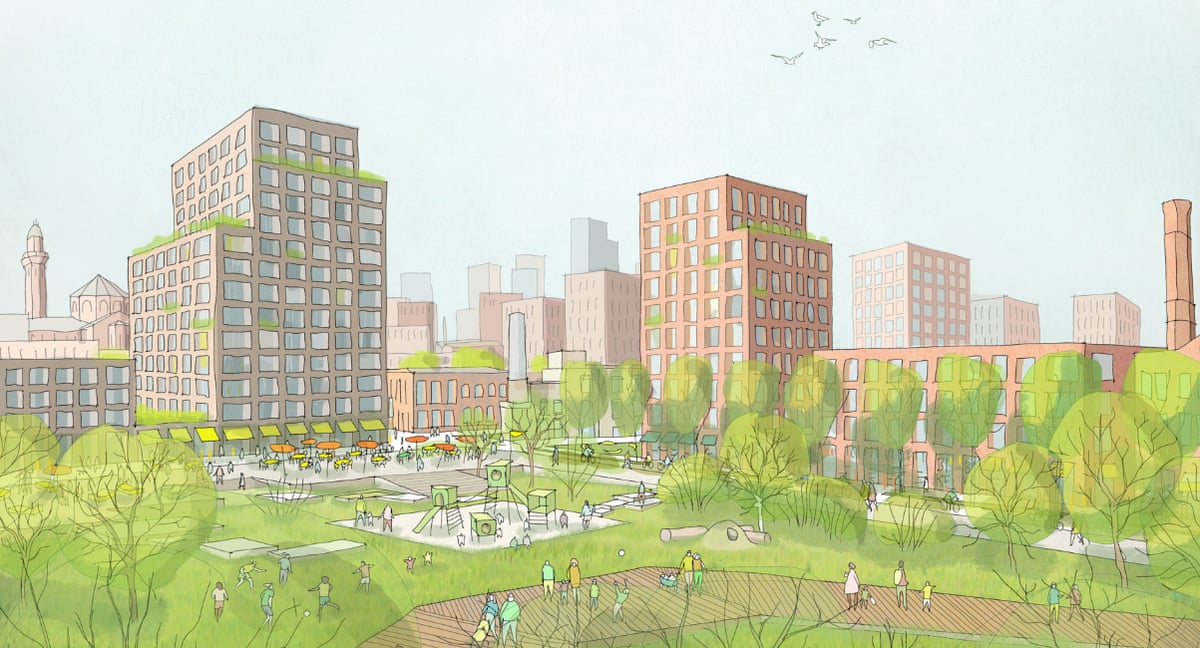
But the area’s future is far from assured. Sitting next to Britain’s fastest growing urban centre, until last year the neighbourhood was untouched by the vast developments dominating much of the surrounding city. Then in November, the Strangeways and Cambridge Strategic Redevelopment Framework (SRF) was finalised and put forward after consultations. A joint venture by Manchester and Salford city councils, it spans 20 years and aims to transform 130 hectares, including the Strange Quarter.
Details aren’t clear, but the SRF has overarching goals, including 7,000 new homes and up to 1.75 million square feet of commercial opportunities. Elsewhere, a new green space, Copper Park, could extend for 24 hectares on the banks of the River Irwell, reintroducing a flood plain lost to concrete decades ago, where the White Hotel stands today. No timeline has been confirmed for this, and a spokesperson for the SRF team says
“there is no requirement for the venue to relocate at present”.Support will be offered if a move is eventually necessary, but what that means is vague.
Voices from the Community: Concerns and Calls for Collaboration
Josh Fenton-Thomas founded 1520 Studios and was still involved when SRF consultations began, before passing the venue over to its current operators. He believes the Strange Quarter’s future now
“comes down to the existing organisations getting and working together”.The problem is, venues don’t know how and when changes will play out in the short or medium term, pointing to shortcomings in communication from planning authorities.
“My experience so far is completely not being included or involved,”he says.

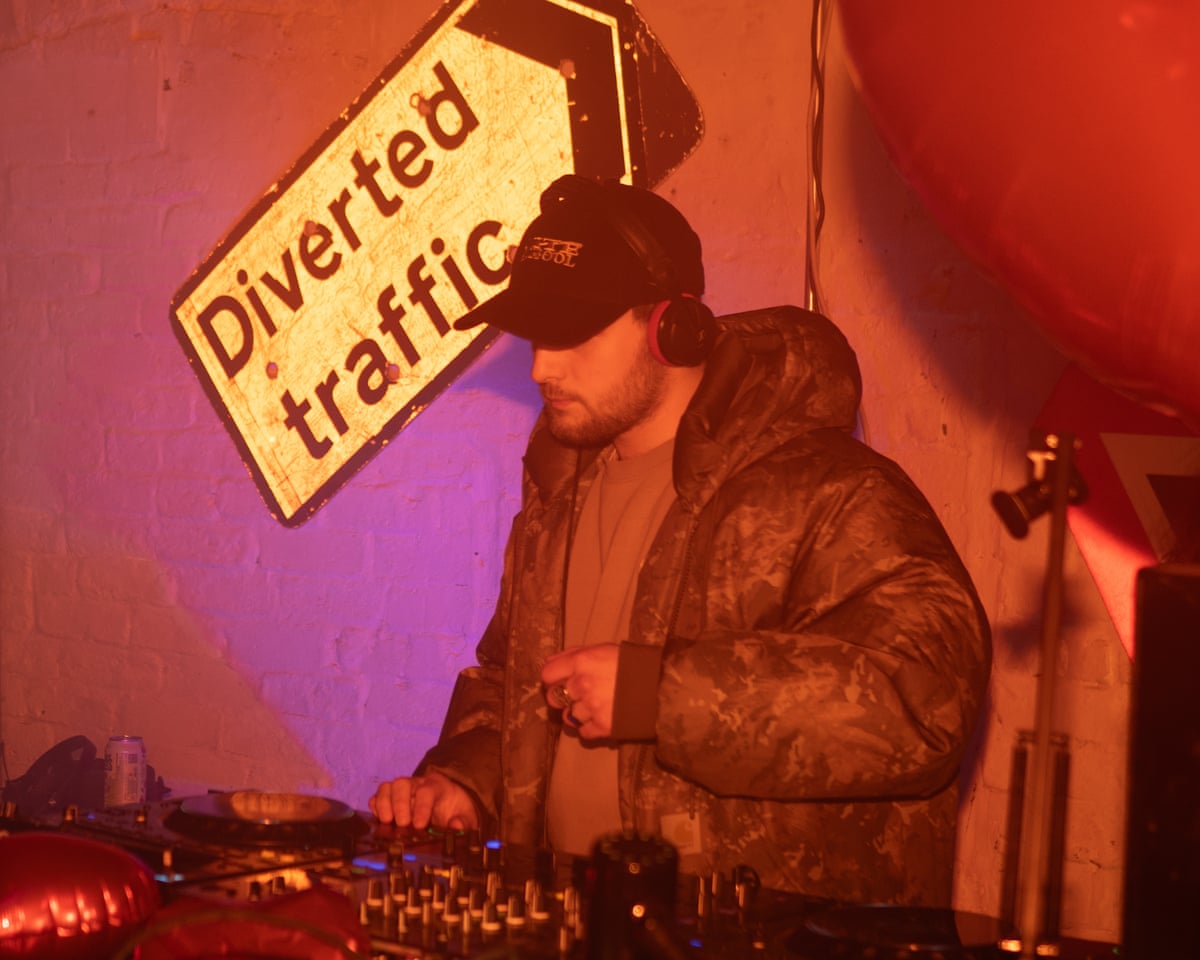
Francesca Melia is a town planner by day at Susan Jones Consultancy, and part of the team at the Bag Factory, a 60-capacity venue approaching its first anniversary, which is based where Copper Park will be. When I visit, the colourful handbuilt space inside an old workshop – all found road signage and luminous paintwork – is hosting a busy open-deck party showcasing amateur and emerging DJs. It’s indicative of how the Strange Quarter helps people establish a presence in the local scene, with several attendees enthusiastically emphasising to me the club’s strong community spirit.
“When the SRF was first published, our response was largely one of uncertainty rather than outright opposition,”Melia says, adding that she and other DIY venue owners
“were either unaware of the consultation or unclear about how directly it might affect them”.As details on the volume of housing and commercial developments emerged, she says operators have become
“increasingly concerned about how grassroots venues and independent creative spaces will fit into the future of the area.”
Official Engagement and Ongoing Dialogue
Several spaces are cited in the SRF as culturally significant. And according to the SRF team there have been
“ongoing discussions with many of the venues”,with the intention
“for this dialogue to continue”.Officers from Manchester and Salford councils also confirmed they
“contacted a number of venue managers to offer briefings on the proposals”and
“encouraged them to provide written representations to the consultation”.
A source at another venue, who requested anonymity, says
“us and them” narratives are unwelcome. “The Strangeways regeneration team are doing a good job in trying to make a difference and taking on the needs and perspectives of the local venues and businesses,”they explain.
“It’s no help to us venues if people are saying that the council are doing nothing.”Grassroots charity Music Venue Trust is also engaged in the process, aiming to
“guarantee meaningful consultation”with the SRF, according to the organisation’s Jay Taylor.
Challenges of Coexistence: Housing and Nightlife
As is often the case with such redevelopments, other significant questions hang over how new homes and loud music from late night venues can coexist. Citing the “agent of change” principle, the SRF stipulates the
“assumption is that a person or business introducing a new land use is responsible for managing the impact”.In theory, that means sufficiently soundproofing residential blocks as they are being built. But the policy is not statutory planning law, something artists, promoters and club owners across the country have long campaigned to change.
“We are not opposed to regeneration in principle,”Melia says.
“Investment and improvement in the Strangeways area are needed and welcome. But our concern is that without explicit recognition and protection, regeneration could unintentionally displace the very cultural character that makes the area distinctive.”


