

Fairuz’s Song as a Symbol of Unity and Resilience
When Leila Milki first encountered Fairuz’s Bahebak Ya Lebnan, she recognized it as a powerful anthem of Lebanese unity and resilience. Milki, a Lebanese-American singer-songwriter and pianist based in Los Angeles, has incorporated covers of Fairuz’s extensive catalogue into her career. Fairuz, now 91, remains a rare figure who unites generations across Lebanon.
“I knew that, in terms of my parents’ generation and even my grandparents’ generation, the song was sort of this really cathartic, hopeful message of unity,”Milki explains.
The enduring narrative about Lebanon and its people is one of resilience amid tragedy, with the capacity to rebuild and emerge stronger. This message is central to Bahebak Ya Lebnan, released 50 years ago and now regarded as Lebanon’s de facto national anthem. The song opens with Fairuz singing in Arabic,
“I love you Lebanon, my homeland, I love you / Your north, your south, your plains / I absolutely adore.”The song debuted in 1976 during the early years of Lebanon’s 15-year civil war, a conflict that caused approximately 150,000 deaths, the displacement of nearly one million people, and foreign occupations by Syria and Israel.
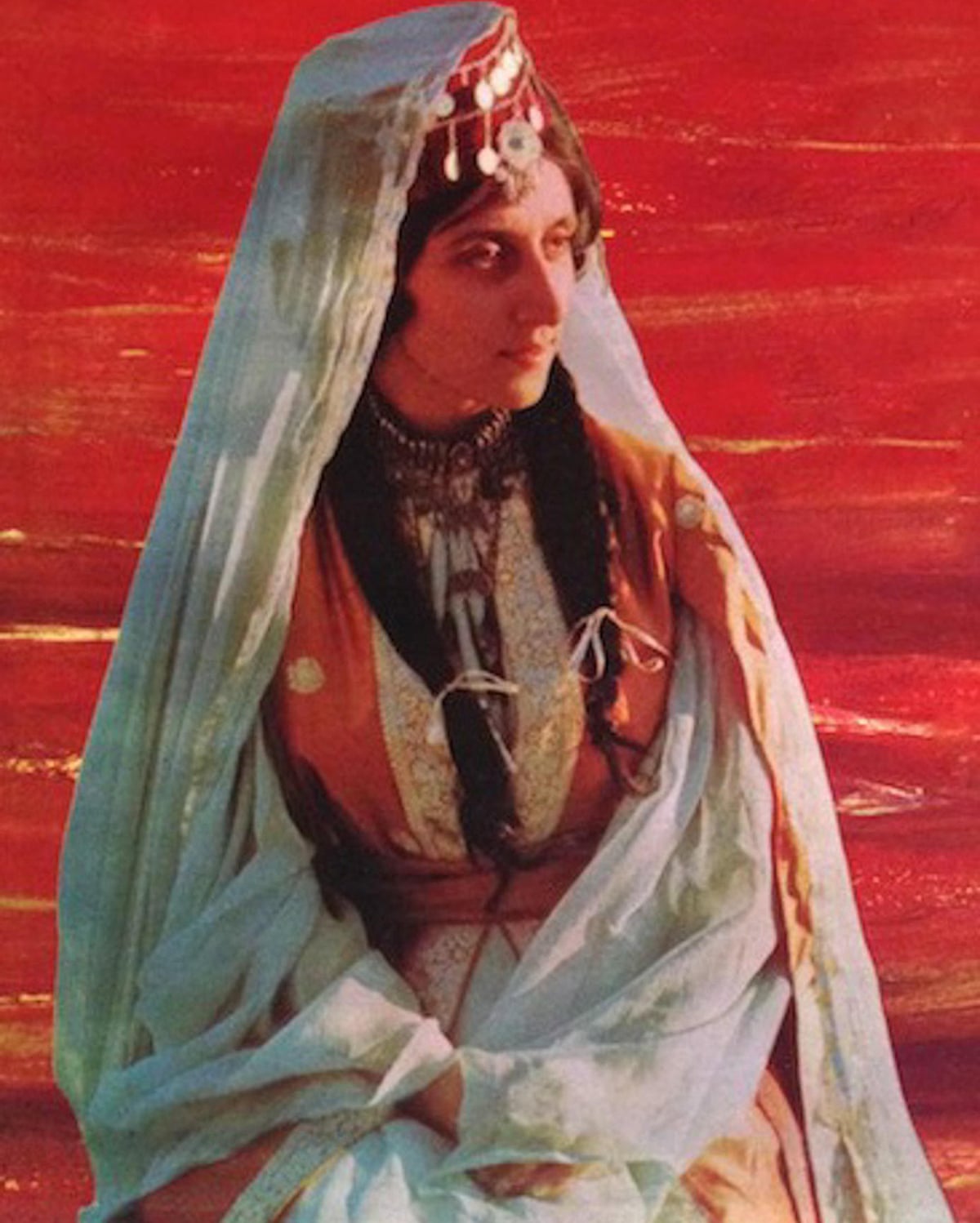
Recurring Symbol of Hope Amid Crises
Since its release, Bahebak Ya Lebnan has resurfaced repeatedly to inspire hope and national pride during various crises: conflicts with Israel, the Covid-19 pandemic, internal sectarian tensions, the financial collapse beginning in 2019, and the devastating 2020 explosion at the Port of Beirut that severely damaged parts of the capital.
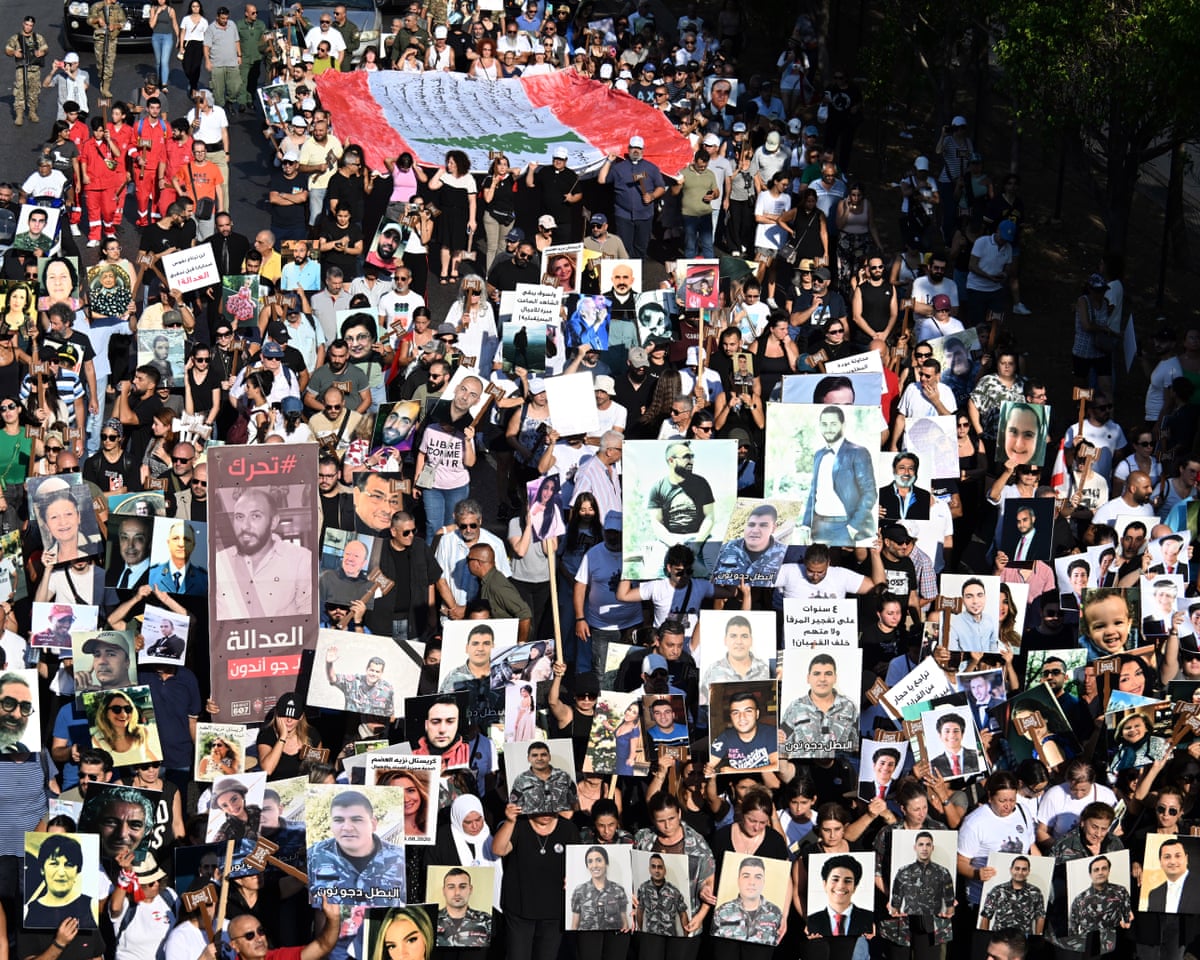
The song’s association with tragedy means that many Lebanese now experience it with ambivalence, especially as the current US-Israeli war involving Iran and the forced displacement of over a million people in Lebanon by Israel have brought the anthem back as a soundtrack to both despair and hope. Milki observes,
“It’s evolved into more of a lament. It feels like this moment of deep grief that truly captures the essence of what it feels like to be so exhausted, and to time and time again have to surrender to the rebirth narrative, knowing full well that nobody wants to be experiencing this.”
Generational Perspectives on the Anthem
For many younger Lebanese, the song evokes an idealized vision:
“I said, our land is being reborn,”Fairuz sings.
“The Lebanon of dignity / A people that perseveres / How could I help loving you? Even in your madness I love you.”Social media platforms like TikTok and Instagram feature numerous posts soundtracked by Bahebak Ya Lebnan, expressing nostalgia for a “golden age” of Lebanon in the 1950s and 60s—a period when Fairuz rose to prominence after her acclaimed 1957 performance at the Baalbeck international festival. Many users sharing this content have never personally experienced that era.
However, some young Lebanese find this nostalgic vision disconnected from reality. Sleiman Damien, a Lebanese music producer based in Dubai, states,
“I love the Lebanon I grew up in but it isn’t always the Lebanon that Fairuz talks about in this song.”

Lara Atallah, a Brooklyn-based artist and writer with family in Lebanon, suggests that the diaspora clings to Fairuz’s music as a link to an idealized, postcard version of Lebanon. Yet she admits she cannot listen to the song without distress:
“I wish I could listen to it without feeling rattled. I do not actively listen to it or much of Fairuz’s music as it’s come to connote war, devastation and endless mourning, all caught in the net of her heartbreakingly beautiful voice.”
Ethnomusicological Insights on Fairuz’s Impact
Dr. Nour El Rayes, an ethnomusicologist at Johns Hopkins University who grew up in Lebanon and studies the country’s alternative music scene, provides context on the song’s generational resonance.
“For people who were born in Lebanon in the 30s or 40s or 50s, and who lived through the ‘golden age’, Bahebak Ya Lebnan does capture something about the feeling of that moment,”El Rayes explains.
“Fairuz was theirs. She came up when they came up. This was the popular music of the moment.”
She notes that younger Lebanese may not share the same attachment to such songs.
“I also think the kids are angry. They inherited this world that’s on fire. Many of them just don’t believe there’s a future to be optimistic about.”These younger listeners often gravitate toward alternative musicians with explicitly political messages, such as rappers Bu Nasser Touffar and Nuj.
Current Realities Versus Nostalgia
The nostalgia for an imagined Lebanon contrasts sharply with the present-day reality, where residents in southern Lebanon face forced evacuations and must seek shelter from airstrikes amid the ongoing Israeli campaign against Hezbollah.
Even prior to the current conflict, the Lebanese government struggled with corruption and failed to provide essential services such as reliable electricity and unrestricted access to bank accounts. The gap between Fairuz’s idealized Lebanon and the country’s actual conditions widens with each generation. In a 1999 interview with the New York Times, Fairuz herself acknowledged that many Lebanese, especially those in the diaspora, cling to an idealized version of Lebanon through her music, despite its divergence from reality. She stated that this version
“bears no resemblance”to real life.
Dina Ikbal Yunis, a researcher based in Beirut, comments on this phenomenon:
“I think for those who still resonate with the song, it’s because Lebanese people are in love with the concept of nostalgia. We’re in love with this idea of what they think a progressive or a better Lebanon looks like.”
The Enduring Legacy and Complex Truths
Bahebak Ya Lebnan continues to maintain its influence, with covers by Arab artists across the region, including Emirati singer Hussain Al Jassmi, Lebanese artist Fadel Chaker, and various pop divas. However, questions remain about whether the song perpetuates an outdated stereotype of Lebanese resilience. Sleiman Damien reflects,
“It’s almost a cliche that Lebanese people are resilient and optimistic by default, but we are also exhausted. The truth is more complex.”


