

Bulgaria Claims First Eurovision Victory with Dara's "Bangaranga"
Bulgarian pop artist Dara secured victory at the Eurovision Song Contest with her energetic dance anthem "Bangaranga." The 27-year-old artist topped both the public and jury votes in a closely contested finale, amassing a total of 516 points. Dara outpaced Israel, which finished second, and Romania, which took third place.
Dara was not initially considered a front-runner, but her complex choreography and infectious chorus propelled her to the top, earning Bulgaria its inaugural Eurovision title.
UK's Continued Struggles at Eurovision
The United Kingdom experienced another disappointing result, with Look Mum No Computer's entry "Eins, Zwei, Drei" finishing in last place. The song received only one point, awarded by the Ukrainian jury.
The musician had anticipated this outcome earlier in the week, acknowledging that his synth-driven track was polarizing, describing it as "Marmite - you either love it or hate it."
"I always say to expect nothing, because if you expect nothing, you lose nothing."
Commentator Graham Norton reflected on the result, stating,
"He gave it his all. It just clearly didn't shine with the audiences across Europe."This marks the third time since 2020 that the UK has finished last in the contest.
Leaderboard Highlights
The top five countries were Bulgaria, Israel, Romania, Australia, and Italy. Dara is a prominent pop figure in Bulgaria, with over 80 million streams and views for her songs and videos, including the number one single "Thunder." She also serves as a coach on Bulgaria's version of the TV talent show The Voice.
While "Bangaranga" may appear to be a nonsensical Eurovision entry at first glance, its title means "uproar" in Jamaican patois. The lyrics reflect Dara's personal journey in managing anxiety and ADHD, diagnosed the previous year.
"Bangaranga is something that everyone's got in themselves," Dara explained. "It's the moment you choose to lead with love, not fear."
Her performance featured rapid choreography inspired by the ancient Bulgarian Kukeri tradition, where masked dancers ward off evil spirits. Prior to the grand final, Dara's staging was awarded the year's best, as voted by commentators including Graham Norton.
The UK was among the countries that awarded Bulgaria the maximum 12 points in the public vote.
After receiving the crystal microphone trophy backstage, Dara said:
"I want to thank everybody who felt the Bangaranga and felt connected to the force."
Bulgarian National Television confirmed that next year's Eurovision will be hosted in Sofia, Bulgaria's capital.
Controversies and Protests Surrounding the Contest
The lead-up to the contest was marked by protests related to Israel's participation, due to the ongoing conflict in Gaza. Five countries, including Spain, Iceland, and Ireland (a seven-time winner), boycotted the event. Demonstrations occurred in Vienna's city center ahead of the grand final.
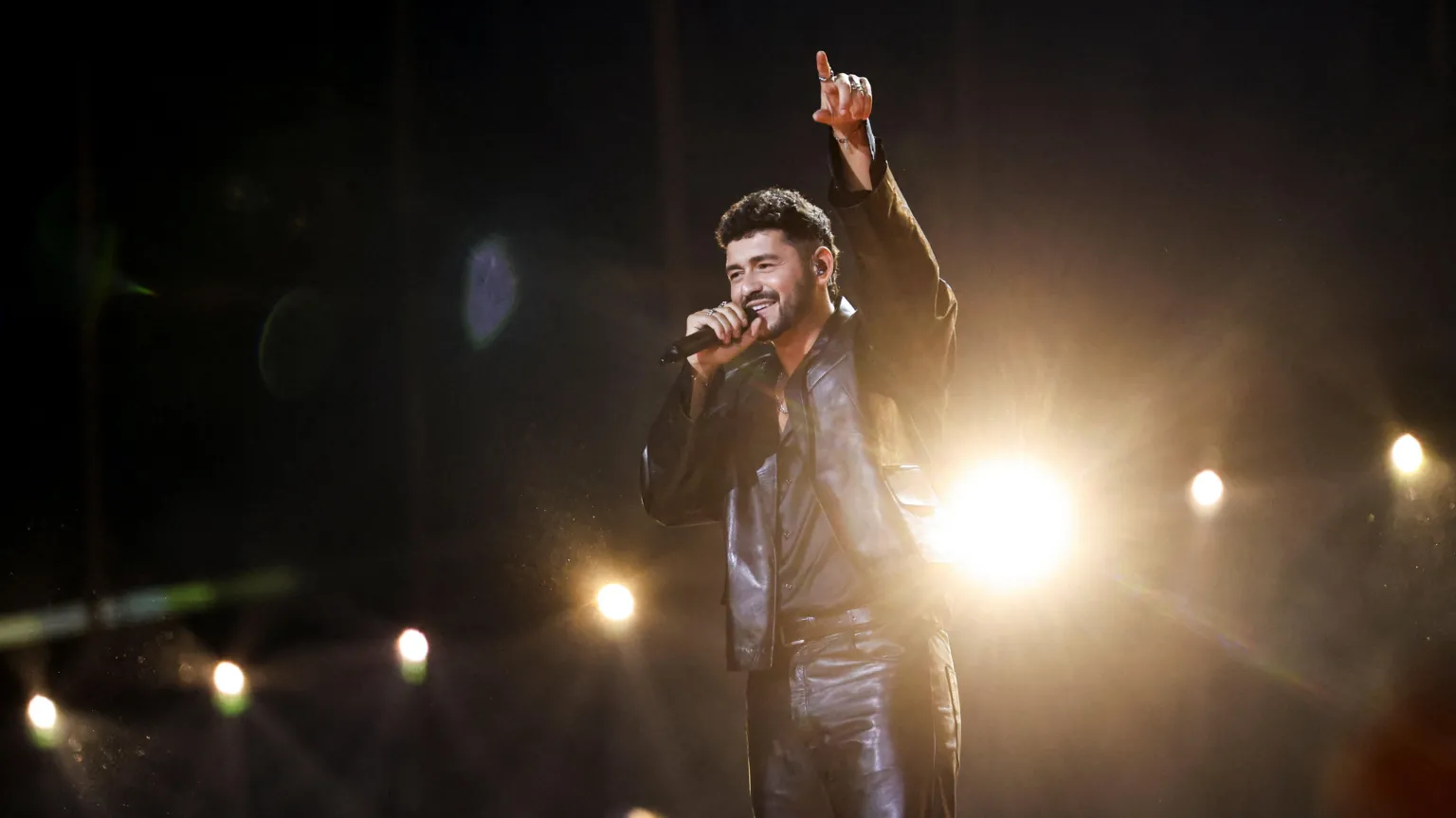
Protests were anticipated during Israel's performance, especially after singer Noam Bettan faced heckling with anti-Israel chants during Tuesday's semi-final. Despite this, his song "Michelle," a heartfelt Mediterranean love ballad, was performed without incident and secured second place.
Technical Issues and Performance Highlights
Czechia's performance was disrupted by a technical malfunction when the video feed was interrupted, causing singer Daniel Žižka to momentarily disappear from view. Graham Norton commented on BBC One,
"That did not happen at any of the rehearsals, the distorted picture. I think the camera[man] fell, I'm not quite sure."
Žižka requested a chance to perform again, but organizers declined, stating his "performance and audio were not affected" by the minor camera issue.
Unexpected Results for Favorites
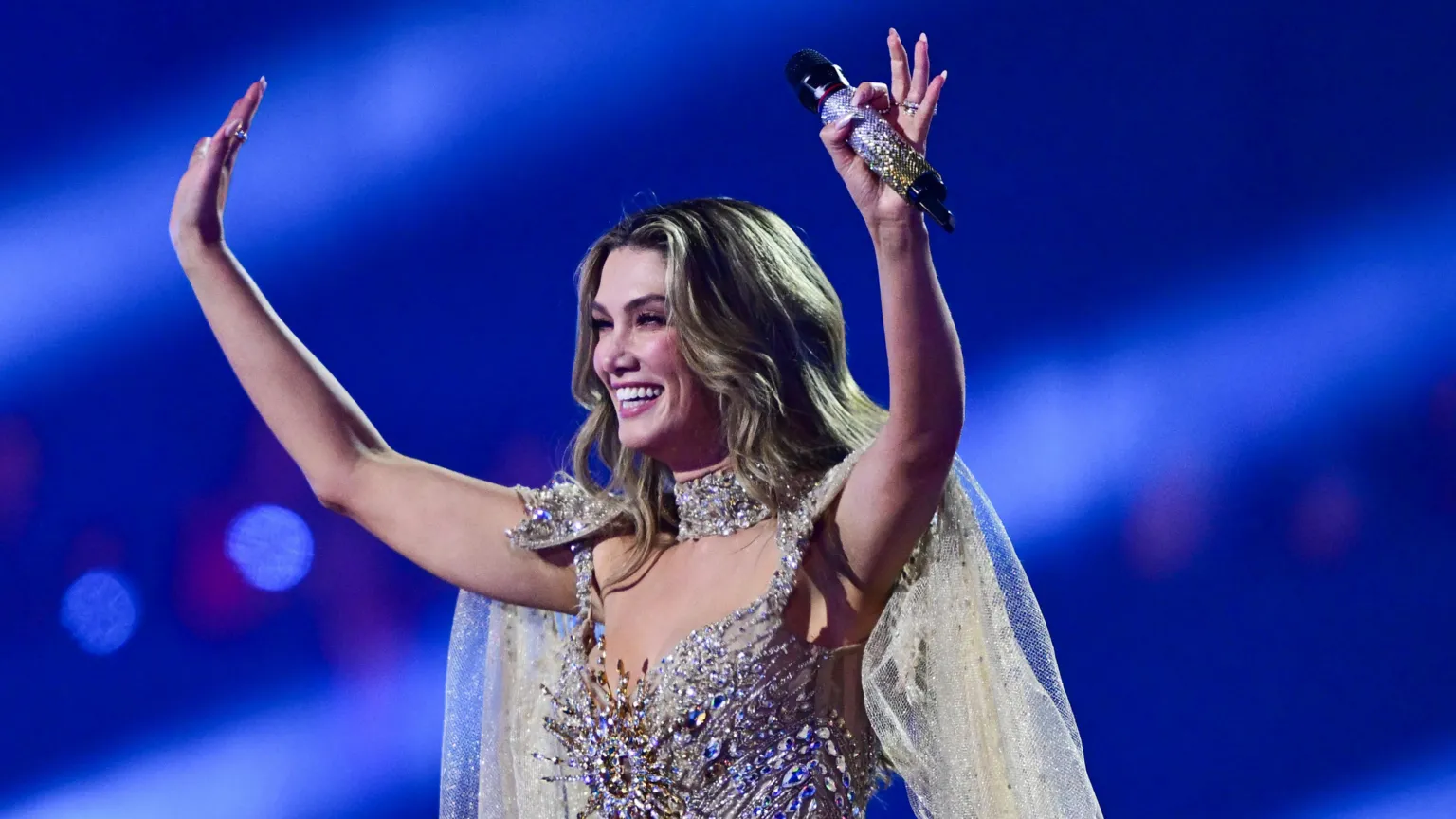
The contest's two favorites did not reach the top three. Finnish duo Pete Parkkonen and Linda Lampenius, who led bookmakers' odds with their duet "Liekinheitin" (Flamethrower), finished sixth. Meanwhile, Australian singer Delta Goodrem, considered a strong contender with her power ballad "Eclipse," delivered a remarkable vocal performance, rising on a platform reportedly borrowed from Beyoncé. Despite this, her song placed fourth.
Contest Overview and Performances
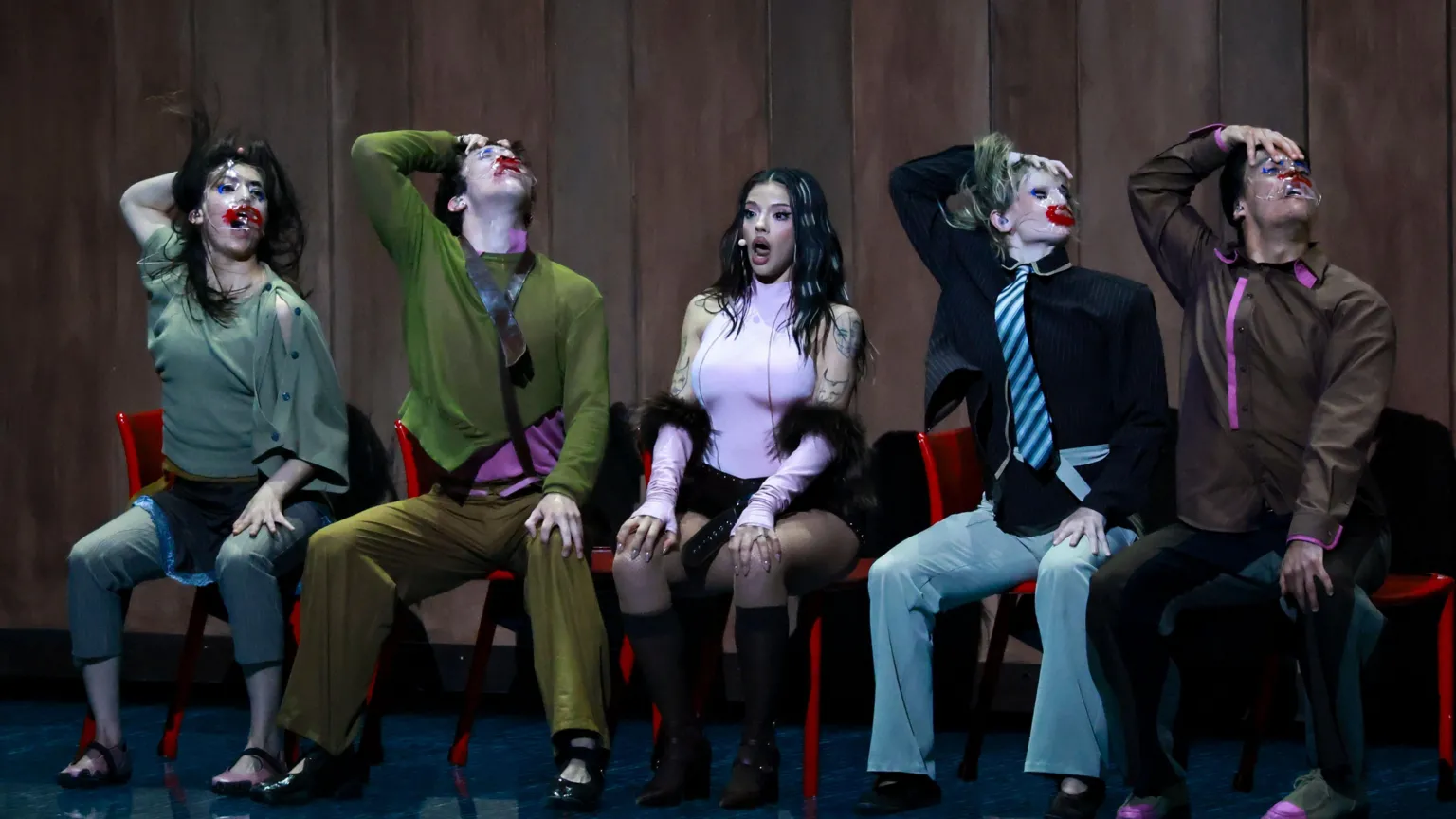
The 2026 Eurovision Song Contest took place in Vienna, Austria, following the previous year's win by 25-year-old JJ in Basel, Switzerland, with the song "Wasted Love." The show opened with a recap of JJ's winning song before Denmark's Søren Torpegaard Lund began the competition with a performance featuring dancers in a confined plastic box, setting a tone of intense emotion and passion.
Other notable performances included Germany's Sarah Engels, described as "on fire," Norway's Jonas Lovv exhibiting "no self control," and Sweden's Felicia delivering a memorable and intimate performance.
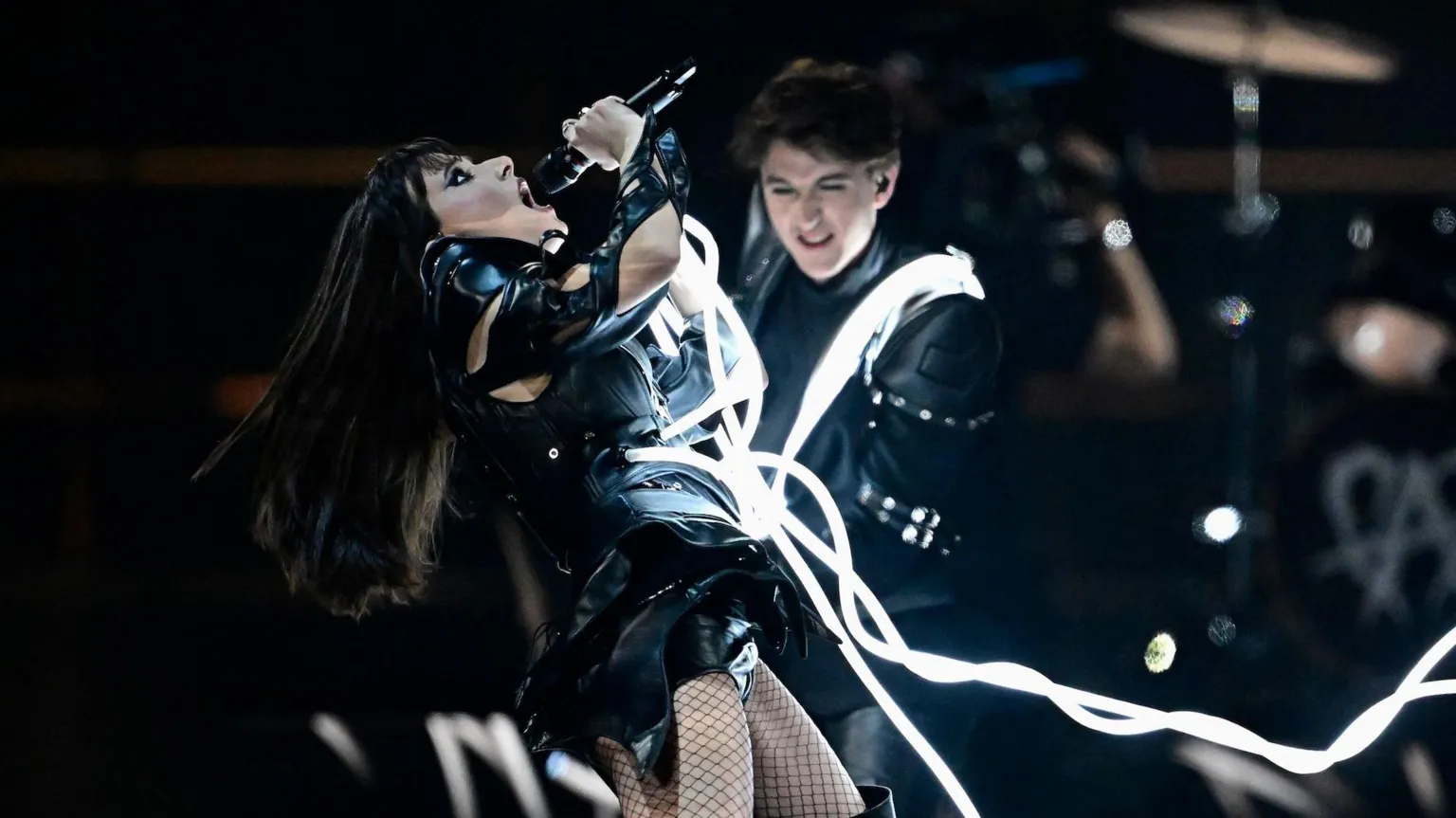
Serbia's rock band Lavina's lead singer portrayed emotional torment culminating in a blood-curdling scream. Romania's Alexandra Căpitănescu sparked controversy with her song "Choke Me," which some campaigners criticized for allegedly glamorizing sexual violence. Căpitănescu clarified that the song addresses feelings of suffocation under self-doubt. Her powerful performance, reminiscent of Lady Gaga fronting Evanescence, earned Romania third place.
Varied Musical Styles and Messages
Italy's Sal Da Vinci offered a nostalgic 1970s disco tribute with "Per Sempre," dedicated to his wife, finishing fifth. Greece's Akylas delivered a visually dynamic performance featuring a fireman's pole, a bank vault raid, and dancing with a Greek statue during his techno track "Ferto," which conveyed a message about working hard to improve his parents' financial situation.
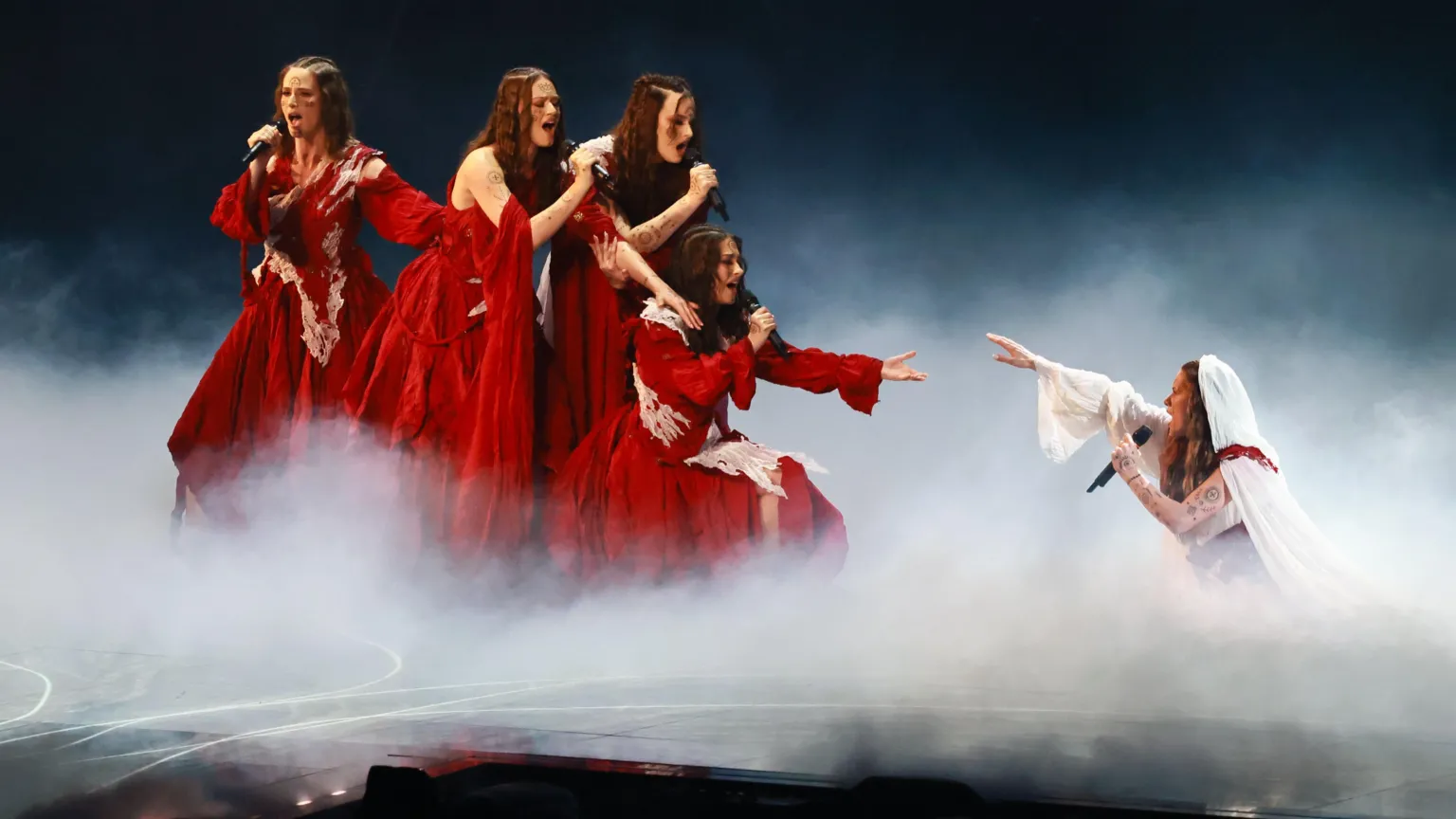
Lithuanian singer Lion Ceccah performed "Sólo Quiero Más" with a silver-painted body, symbolizing a struggle to break free from algorithms and reclaim humanity. Croatian band Lelek wore face paint representing the resistance of Catholic women during the Ottoman Empire, delivering haunting folkloric harmonies in their song "Andromeda."
70th Anniversary Celebrations
The contest also commemorated its 70th anniversary, having begun in 1956 as the European Grand Prix with seven participating nations. Swiss singer Lys Assia won the inaugural contest.
To celebrate the platinum anniversary, organizers presented a tribute featuring iconic songs from the past seven decades. Former winners Lordi performed a heavy metal rendition of Brotherhood of Man's "Save Your Kisses For Me," while Ukrainian comedian Verka Serduchka played Sandie Shaw's "Puppet On A String" accompanied by an Oompah band.
Erika Vikman recreated ABBA's 1974 winning song "Waterloo," and Alexander Rybak gave a hoedown version of Cliff Richard's "Congratulations." The segment concluded with a mass singalong of "Nel blu, dipinto di blu," originally by Italian singer Domenico Modugno, the third song ever to win Eurovision in 1958. This song remains the only Eurovision winner to top the US charts, selling over 18 million copies worldwide.
Whether any entry from this year will challenge that longstanding record remains to be seen.


