

Another Year, Another Eurovision Disappointment for the UK
The United Kingdom has once again faced a disappointing outcome at the Eurovision Song Contest. Look Mum No Computer, the stage name of musician Sam Battle, received only one point, finishing in last place. This marks the third time the UK has ended at the bottom of the scoreboard since 2020 and only the second time the country has reached the top 10 since 2010. This is the fourth consecutive year that a detailed analysis has been written on the UK's Eurovision shortcomings.
Despite the repeated failures, the UK continues to participate, though expectations were low for Sam Battle's entry, the energetic synth-pop track "Eins, Zwei, Drei." The song featured Battle performing in a bright pink boiler suit, singing about leaving his office job to travel to Germany and count to three, a concept that drew mixed reactions. As commentator Graham Norton described it, it was "a big swing."
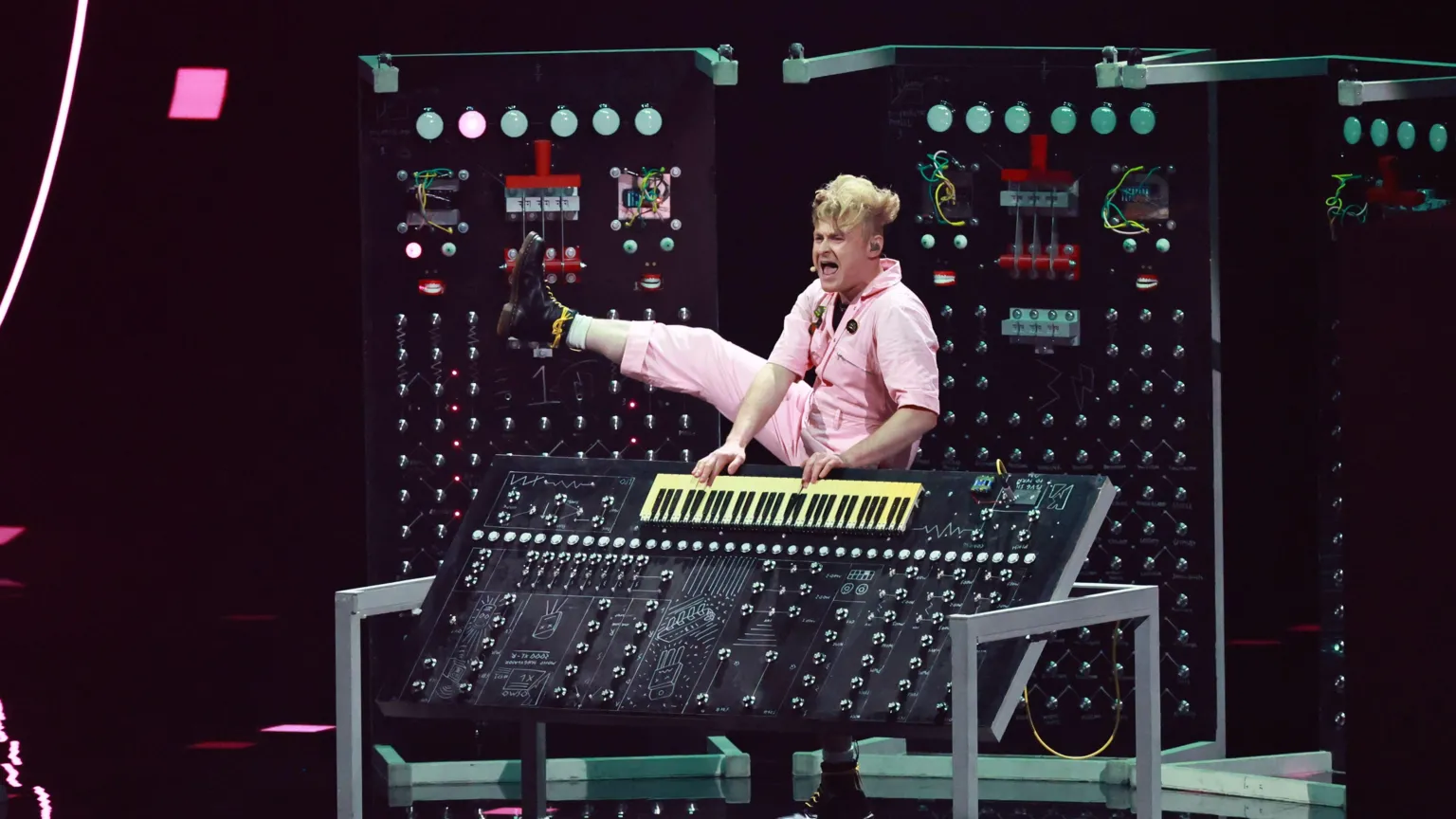
Marmite Music: Taking Risks with Unique British Sounds
There is support for taking creative risks at Eurovision, especially given that previous UK entries often played it safe with polished electro-pop clichés. Sam Battle's eccentric and lively performance was a departure from this trend, offering a song that sounded distinctly British and unconventional.
"I have to applaud the BBC for the ambition," says Adrian Bradley of the Euro Trip podcast, which tracks the competition's highs and lows. "They took a risk on something that maybe people won't like, but which some people might pick up the phone and vote for."
"I think it's a very interesting song in terms of production," agrees Satoshi, Moldova's representative at this year's contest. "The distortion on the voice, the synths that he uses. Everything has that British imprint - but I can definitely see that it's not everyone's cup of tea."
Sam Battle himself acknowledged the polarizing nature of his song before the contest:
"What we're doing is Marmite," he told . "You either love it or hate it - but I think there's a slot open for our sort of thing."
However, the song's quirky beat and unusual references to jam roly poly and custard left many European viewers confused. The professional juries awarded it a single point, while the public vote gave none.
"I think the song, honestly, is not a great song for the UK," says Filippo Baglini, a journalist for Italian station London One Radio. "The UK is the best at music all around the world. You have the Beatles and everything. So this is not good enough."
"I really wish the BBC would take it more seriously," agrees Thomas Tammegger, an Austrian Eurovision fan living in Denmark. "They look at it through a lens of it being a funny event and then you have to send novelty entries or joke entries and it never really does well. When they do make an effort, like with Sam Ryder, voila! It's second place and it works."
Sam Ryder's 2022 entry, "Space Man," a 70s glam rock-inspired song, was a rare success for the UK, finishing second. His approach of writing a strong song and delivering a compelling performance was widely praised.
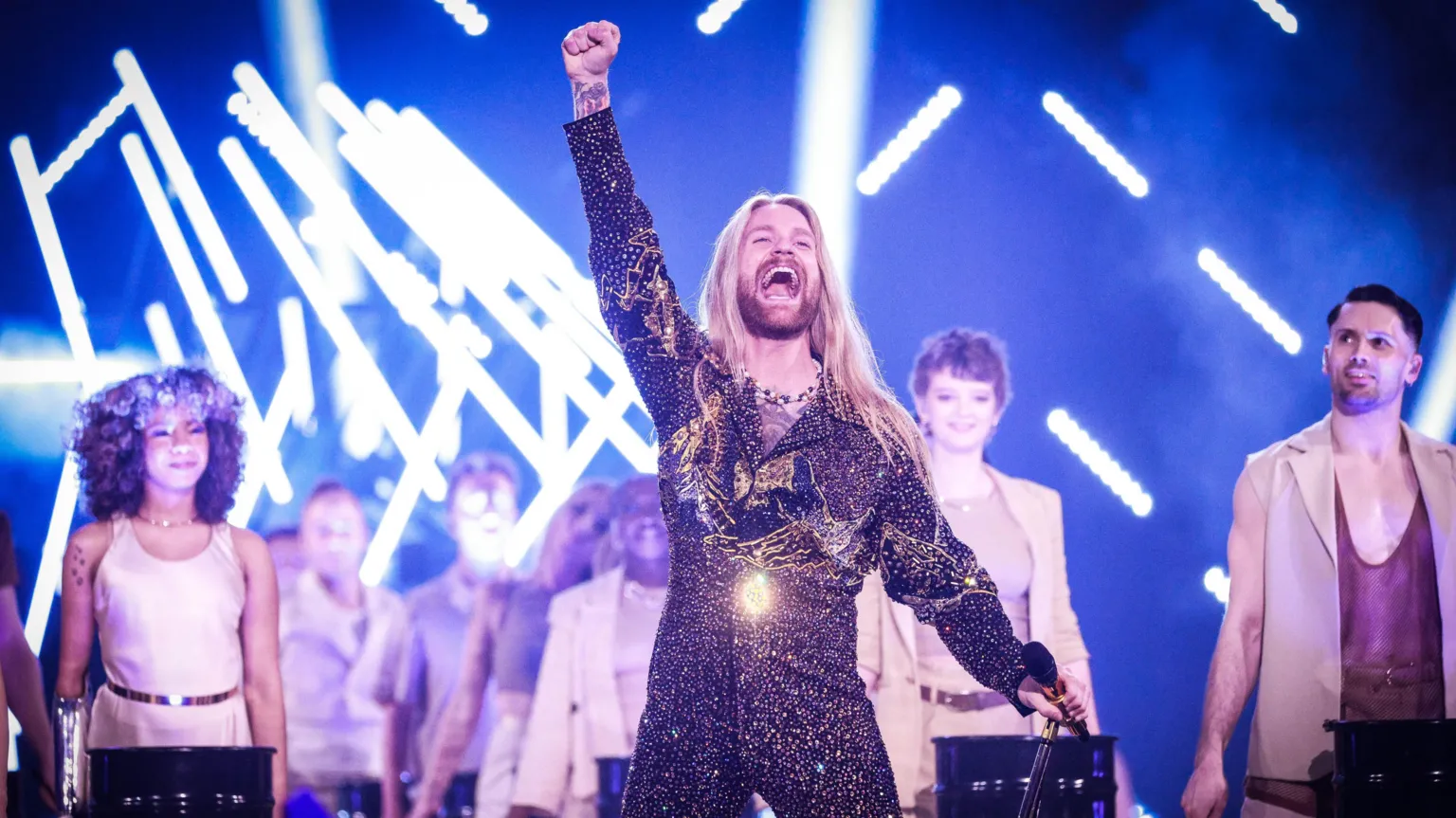
The Challenges of Attracting Established Artists
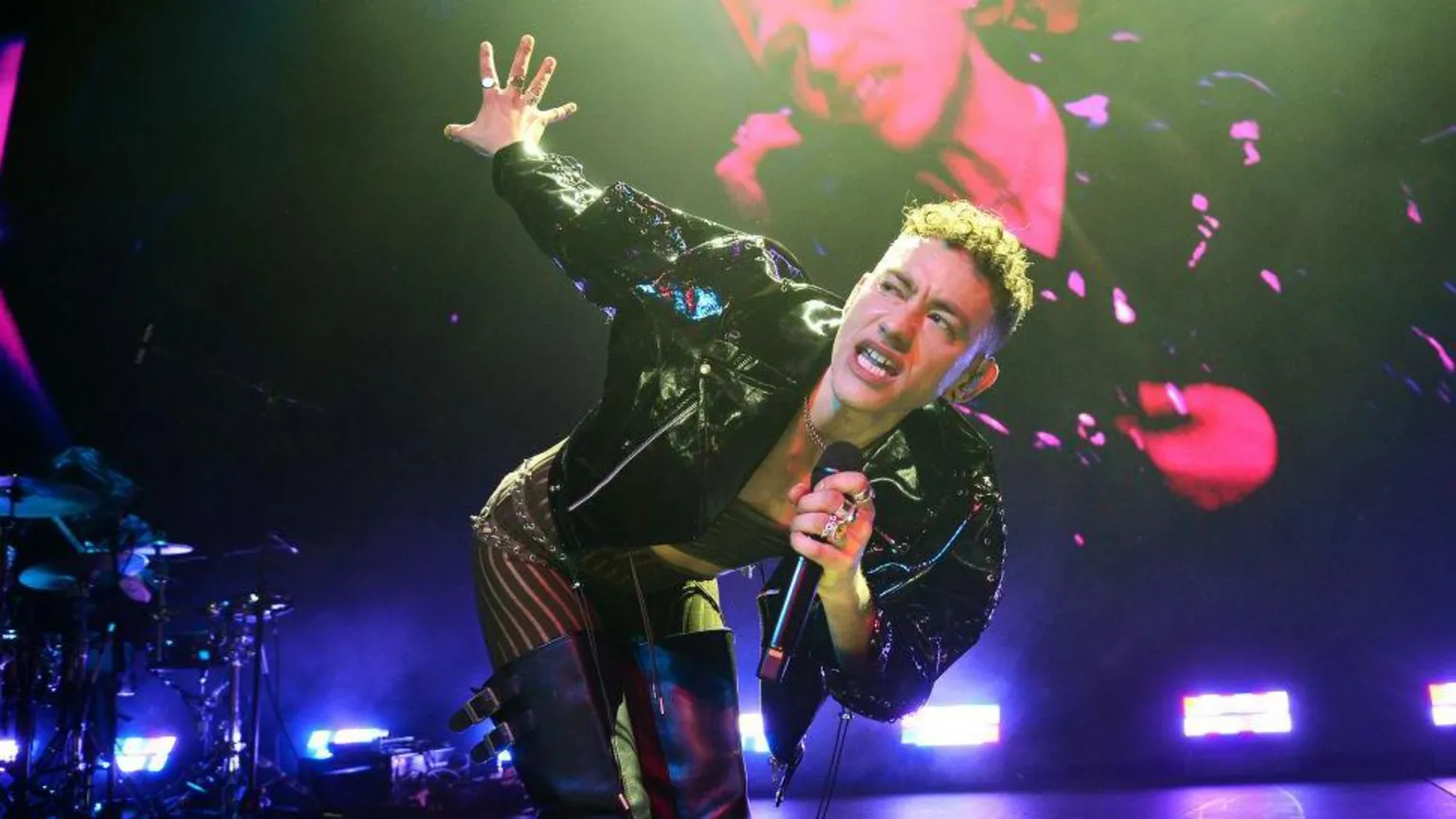
Despite Ryder's success, the BBC has not replicated this approach. Will Young, who declined to represent the UK in 2015, described Eurovision as a "poisoned chalice," noting that established artists fear potential damage to their careers by participating. When artists like Olly Alexander of Years & Years do compete, they often face harsh criticism.
In 2024, Olly Alexander's song "Dizzy" earned 46 points and placed 18th. He personally financed the staging by going into debt with his record label and described the experience as "brutal," advising future contestants to "get a good therapist." Since then, the BBC has turned to less-established independent artists, such as Look Mum No Computer and the 2025 entrants Remember Monday, both without major label backing.
International Perspectives on the UK's Eurovision Approach
Other Eurovision participants expressed surprise at the UK's negative perception of representing the country in the contest. Satoshi commented on this attitude:
"In the UK there's a bad perception of representing your country at Eurovision? Well, that's not good. I can understand that the UK has delivered so many powerful acts to the world that you don't have to rely on Eurovision to get awareness, but I think it's a wonderful contest to emphasise your musical potential."
Dara, the Bulgarian winner with "Bangaranga," also encouraged established artists to reconsider their views on Eurovision:
"I don't know what's stopping them from experiencing this amazing place," she said. "You might be from a bigger country than Bulgaria, but whatever. Don't be afraid to jump into a new reality, into risk, and to try new things. That's what makes life fun, and you will feel alive."
Lessons from Finland's Eurovision Revival
Finland faced similar challenges before its resurgence. After Lordi's victory in 2006, the country endured a 15-year slump, failing to reach the top 10 again and missing qualification from semi-finals seven times. Katariina Kähkönen, a reporter at Finland's MTV Uutiset, reflected on the national mood:
"We were pessimists for many years. People were always like, 'No, it doesn't matter – the Eurovision thing. Finland will never win.'"
Since the pandemic, Finland has improved, with entries like Käärijä's "Cha Cha Cha" (second place in 2023) and the 2024 entry "Liekenheiten" by Linda Lampenius and Pete Parkkonen placing sixth.
To understand the change, the article interviewed Matti Myllyaho, Finland's show producer and organizer of Uuden Musiikin Kilpailu (UMK), the national selection contest since 2012. He credits pop diva Erika Vikman for initiating the turnaround with her 2020 UMK entry "Cicciolina," a quirky song that gained artistic acclaim and commercial success.
"She had this song Cicciolina, which was outrageously quirky – but it got artistic acclaim, and then it did really well commercially. That started a snowball effect. A lot of artists after that were like, 'Wait, this could be something for me'."
Following this, established rock acts like The Rasmus began considering Eurovision participation.
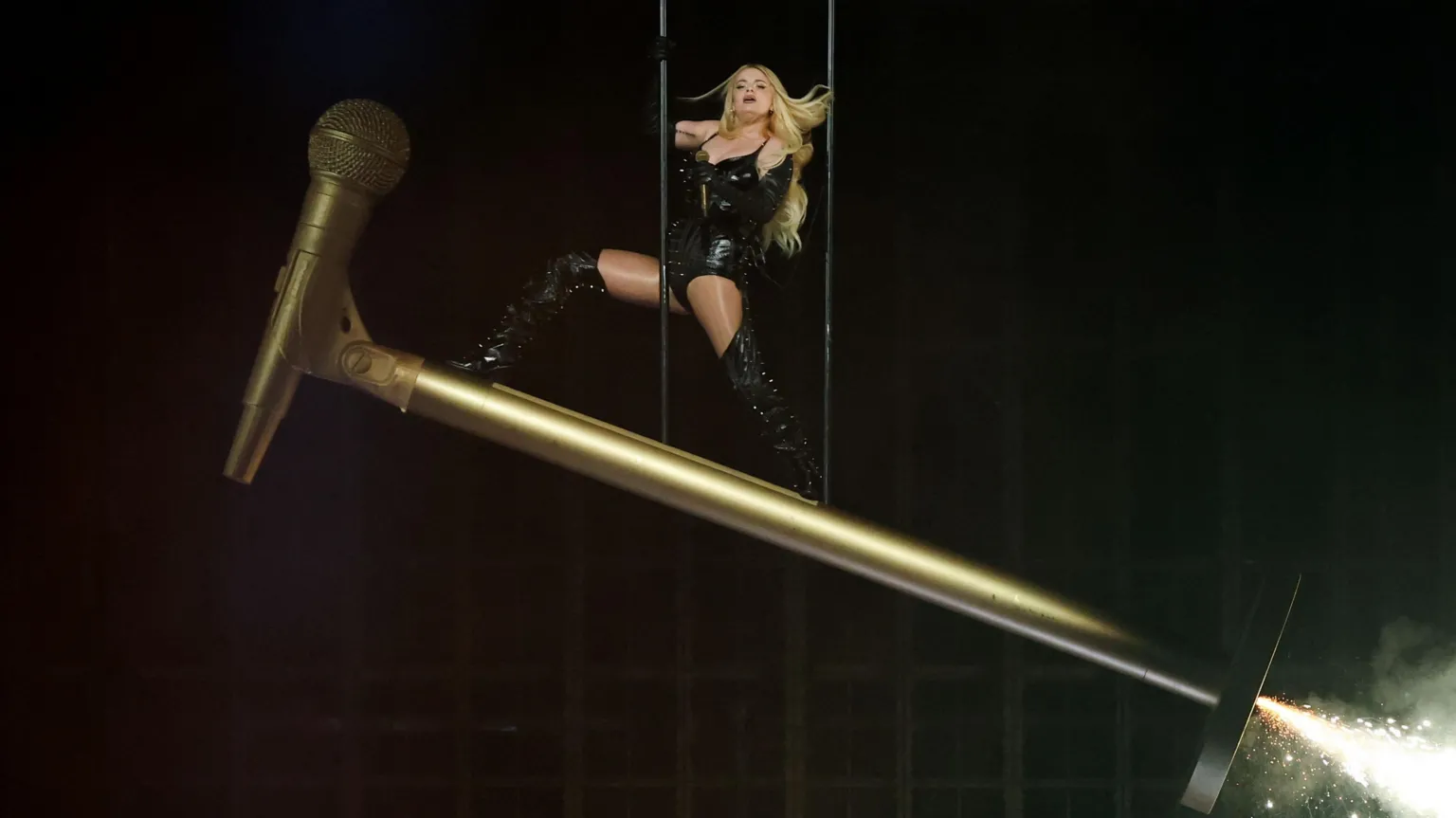
Embracing National Quirks and Creating Pop Culture Moments
Myllyaho also emphasized the importance of embracing Finland's eccentricity, exemplified by Käärijä's rave metal anthem "Cha Cha Cha," which became a breakout hit in Liverpool in 2023. Vikman returned in 2023 with the provocative "Ich Komme," performing atop a giant airborne microphone, securing 11th place despite expectations.
"When Olly Alexander received zero points from the public two years ago, he immediately came backstage and said, 'Honestly, that's kind of iconic'. There's virtue in owning that. Ultimately, success is about creating pop culture moments."
When asked what advice he would give if in charge of the UK's entry, Myllyaho said:
"In Finland, we started to realise our strengths, and own our slight weirdness. It's hard to speak for the UK, but I think the path I'd recommend any Eurovision project to follow would be to, like, just own your quirkiness."
The Complexities of Eurovision Success
Despite the BBC's attempt to take a wacky approach this year, the UK again failed to achieve success. Eurovision victory requires alignment of multiple factors: the right song, a live-capable and preferably recognizable artist with a relatable story, impressive staging, public support, effective promotion, a favorable running order, pre-show buzz, and a measure of luck.
The BBC often has most elements but misses some crucial pieces. Myllyaho acknowledged the difficulty of perfecting this balance:
"We're in touch with labels and artists all year round – but as more hits and stars and stories come out of Eurovision, it's a self-reinforcing loop. Because there's nothing quite like it. It's such a unique opportunity to put on a high-production performance in front of millions of people. You can't really get that anywhere else, can you?"
Looking Ahead to Eurovision 2026
Following the goodwill generated by Sam Ryder's 2022 success, the BBC now faces the challenge of rebuilding its Eurovision reputation. Suggestions include focusing on courting record labels and songwriters rather than relying on Thomas Stengaard, the Danish musician who co-wrote the UK's last two entries.
Involving heads of music at Radio 1 and Radio 2 could also be beneficial, given their industry influence, awareness of music trends, and knowledge of emerging artists willing to take Eurovision risks.
Adrian Bradley of the Euro Trip podcast emphasized the importance of selecting songs that resonate domestically:
"If we put forward a song that people at home aren't going to listen to, aren't going to buy, that's not going to get played on radio stations – then everyone else in Europe is going to think the same thing."
The BBC might also consider adopting a national selection process similar to Finland's UMK or Sweden's Melodifestivalen, although historically, public selections have not always yielded better results due to limited options.
Fan Perspectives on the UK's Eurovision Challenges
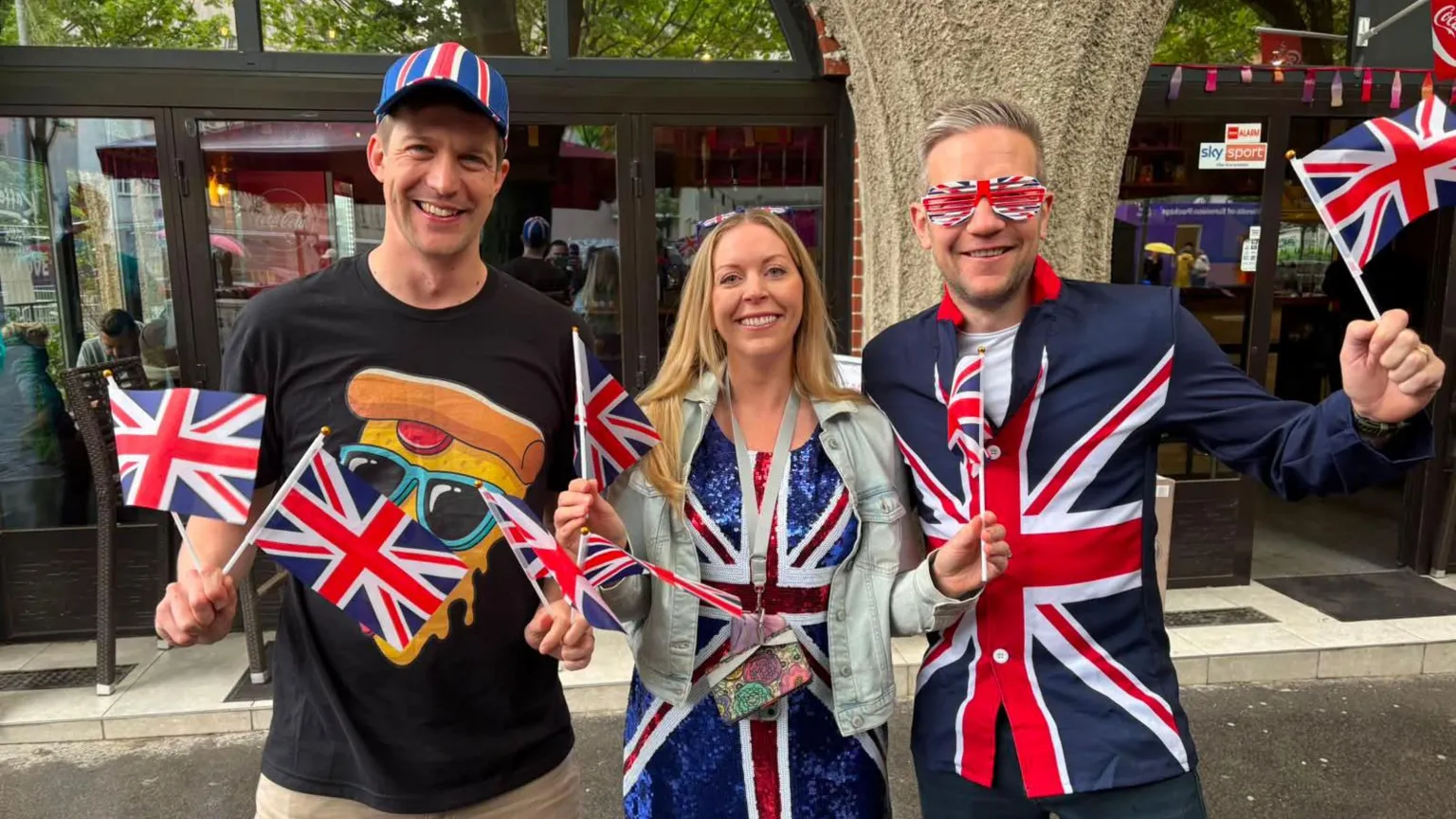
Fans attending Eurovision in Vienna offered their views on how the UK might improve its fortunes.
"Better geopolitics," says Liam Larke from London. "I genuinely think that's a factor, unfortunately, but I think we just need our performer to give it their all - to go out there and hit them hard."
"Look at Australia," says German fan Julia Arnolde, pausing from a bottle of rosé. "They have fireworks, a wind machine and a big performance."
"It's good to be in lots of languages - English, French, German," adds her friend Regina Schreckensperger, watching with her daughter Eva.
"There has to be a key change - 100%. You have to really build up the crowd, then shift into a big moment. And I think we need to have something that's a little bit viral - like a dance – and someone who's really established in the online community, like Sam Ryder was," says Emma Sparrow from Northamptonshire.
"Yeah, we need to go full beans," concludes Londoner Sam Watkinson.
Additional reporting by Pete Allison.


