

Raw Emotion and Authenticity Define 2026's Female Pop Stars
Raw emotion, confessional lyrics, and openness in online videos have become defining traits of pop stars in 2026. Fans increasingly seek honesty and unfiltered expression from their favorite artists.
Olivia Rodrigo, often regarded as the queen of this new, candid generation of female singers, is poised to dominate the charts with her latest album, which she describes as chronicling a "love story that falls apart." Alongside her, artists like Lola Young and Olivia Dean have also garnered millions of fans and numerous prestigious awards, largely attributed to their perceived authenticity.
This trend reflects a broader shift in the music industry, moving away from a landscape controlled by record labels and managers toward one where artists shape their own narratives. However, the extent to which these stories are genuinely personal remains uncertain; Olivia Rodrigo herself has acknowledged that some of her songs are not based on her own experiences. Nevertheless, there is a clear demand for this confessional style.
beat has engaged with artists and industry professionals involved in image-building to explore the opportunities, challenges, and demands associated with this trend.
Pop Music as a Platform for Personal Expression
British singer Alessi Rose, a BBC Radio 1 Sound of 2026 nominee, notes that pop music was not traditionally viewed as a medium for processing serious emotions and thoughts.
"Whereas now there are so many pop stars that speak about things that are so personal and so intricate and niche. It's so great that so many people relate to it," she tells Newsbeat.
The 23-year-old's poetic reflections on heartbreak and self-doubt have led some to dub her "Derbyshire's Olivia Rodrigo." Her latest single, Skin, delves into "feeling not quite myself and cycling through all these thoughts that the average teenager to 20-something is constantly going through."
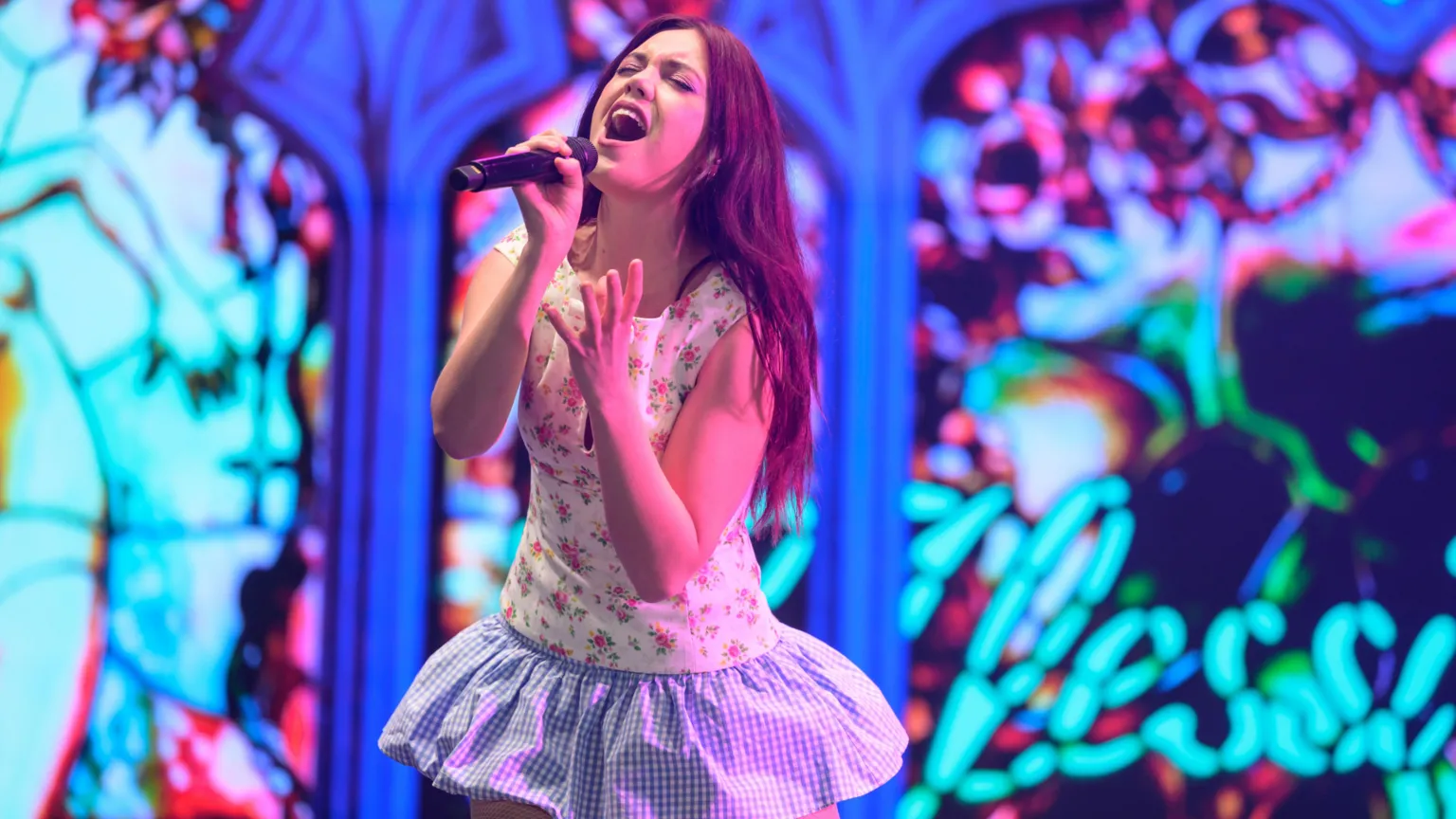
Stevie Red McMinn, a record label owner and artist coach, believes fans desire "more transparency" from artists and for their work to feel "real and raw." He explains that for a long time, the music industry felt "curated and almost to a certain degree manufactured."

"It was sort of very gatekeepery as the only way that you could get your music or anything in front of fans was by going through specific channels, which were record labels and the media," he tells Newsbeat.
"Whereas with social media, you don't have to sign to a record label, you don't have to do press interviews, you can basically just speak to your fans."
Alessi Rose emphasizes that her honesty extends beyond songwriting to her online presence, describing herself as "someone who's very myself online."
"It can bring excessive levels of both positivity, but also criticism," she says.
"But to be polarising is to be talked about and to be cared about, and I think I'd always rather that than be constantly treading on eggshells and trying to dictate how people perceive you."
Building a Brand Through Authenticity and Creativity
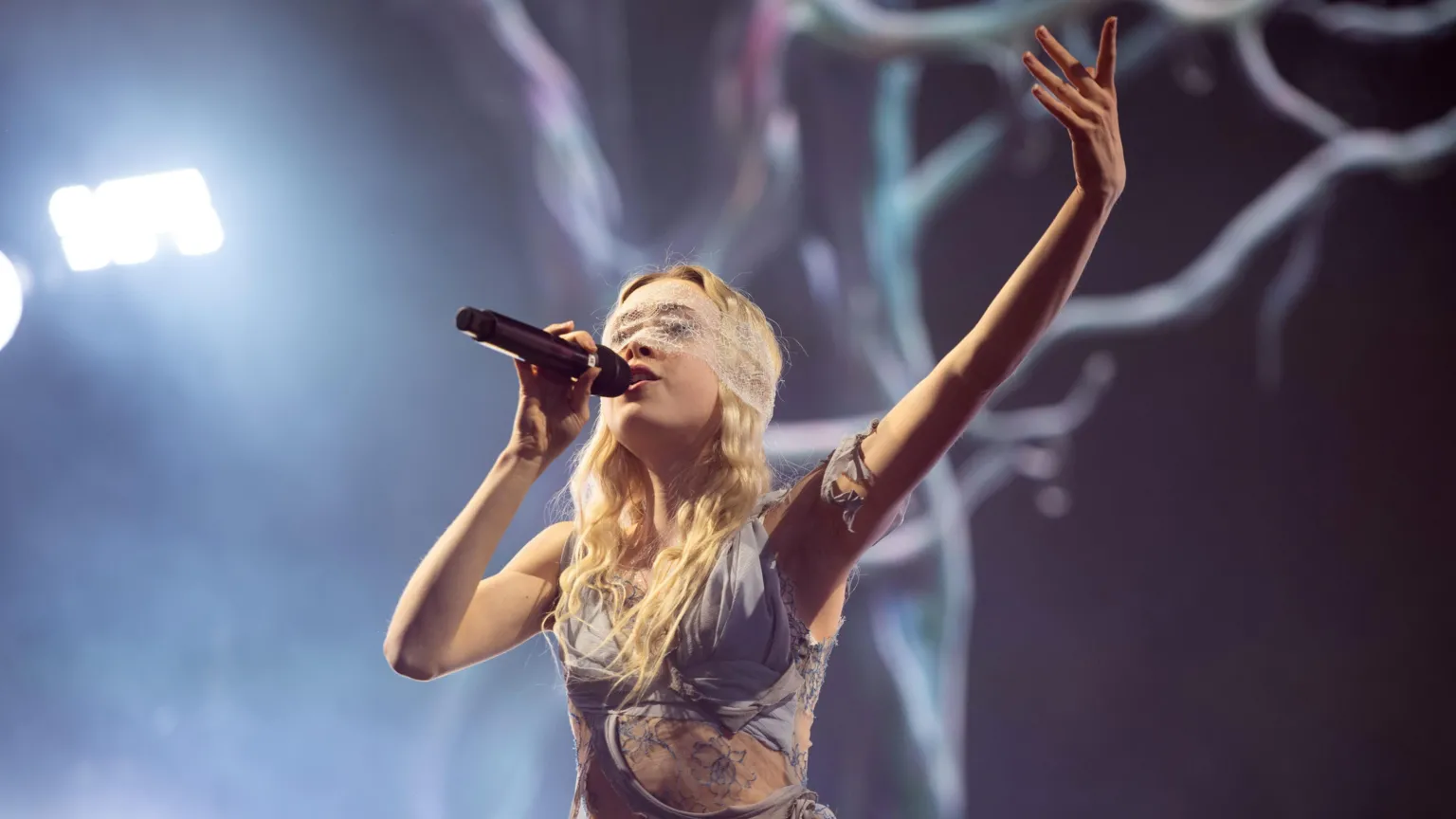
Singer-songwriter Erin Le Count has leveraged this shift by cultivating a young, dedicated fanbase through her alt-pop sound and selfie-style videos filmed in her bedroom.
Regarding her social media content, the 23-year-old states she does not focus on appearing authentic but rather on being "creative" and "joyful."
"Everything on social media is really just me having a giggle, which is the truth of it. And that's all it should ever be, I think," she tells Newsbeat.
While Le Count does not overanalyze her content, McMinn observes that she has effectively curated a brand and aesthetic by decorating her bedroom to match her gothic-pop style.
"It feels more human, more real," McMinn says, "and fans really, really resonate with it."
'Allowed to Keep Things to Yourself'
Extensive personal lyrics, numerous videos, and frequent social media posts may feel like a gift to devoted fans eager to explore every detail their favorite singer shares. However, some argue this dynamic fosters parasocial relationships, where fans feel connected to celebrities they do not truly know.
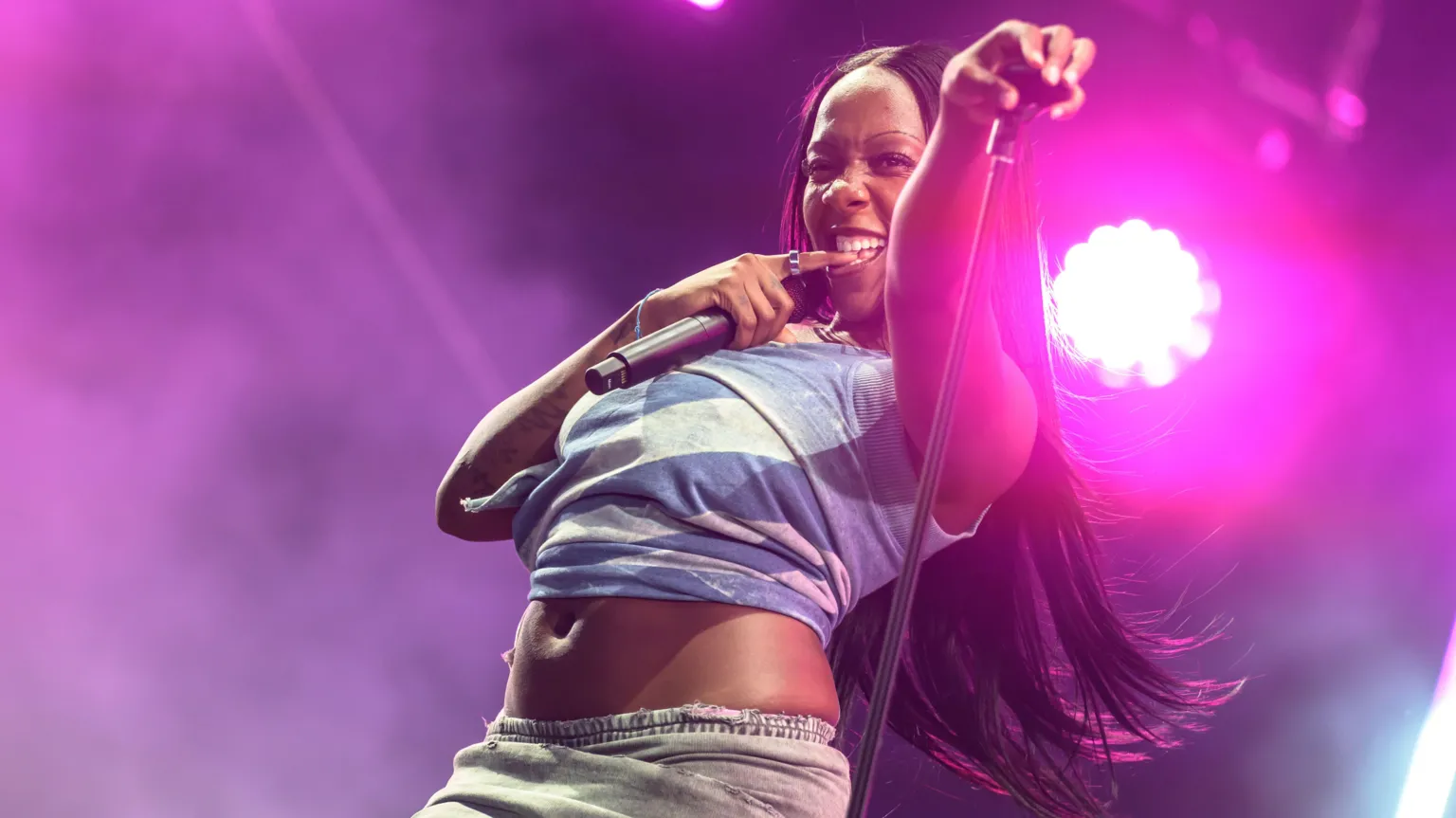
London-born singer-songwriter Rachel Chinouriri highlights the importance of authenticity while advocating for personal boundaries.
"I feel like we live in a time where everyone feels like they're obligated to post everything about themselves, but actually you're allowed to keep things about yourself to yourself and you owe yourself that," she says.
"So be authentic, but you don't have to put everything online as well."
This emphasis on authenticity coincides with the rising prevalence of artificial intelligence in online content and music. McMinn believes fans have become "more sophisticated" and "knowledgeable" about the music industry's inner workings as transparency increases.
"I just do think that the more unapologetic you are able to be, and the more honest you're able to be, I think it resonates," he says.
"If I'm ever working with an artist, I'm like: 'Only be authentic and vulnerable if that's what feels real to you'.
Because at the end of the day, I don't think it's going to do you any favours to be performative anyway."
Listen to Newsbeat live at 12:45 and 17:45 weekdays - or listen back here.



