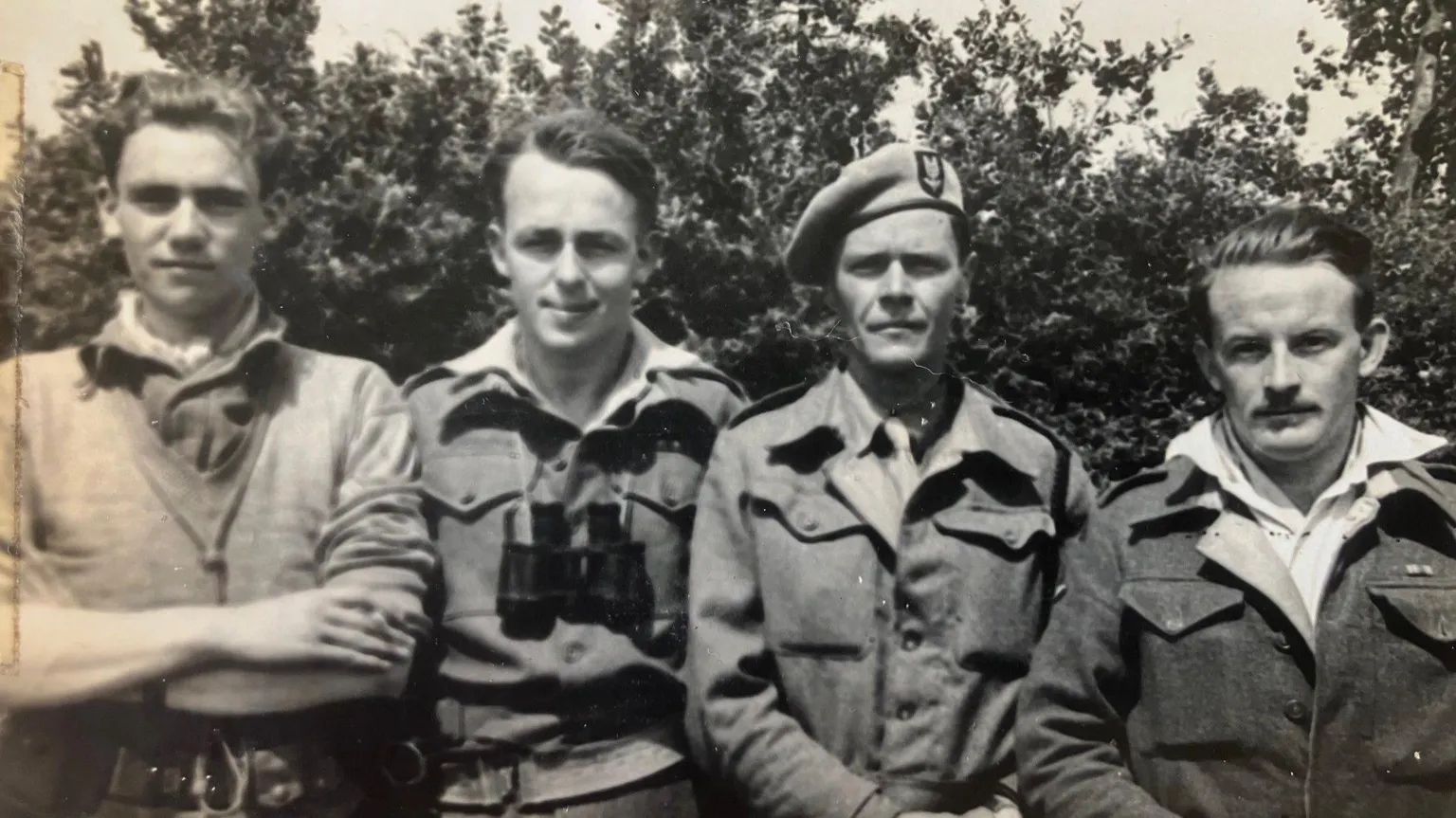
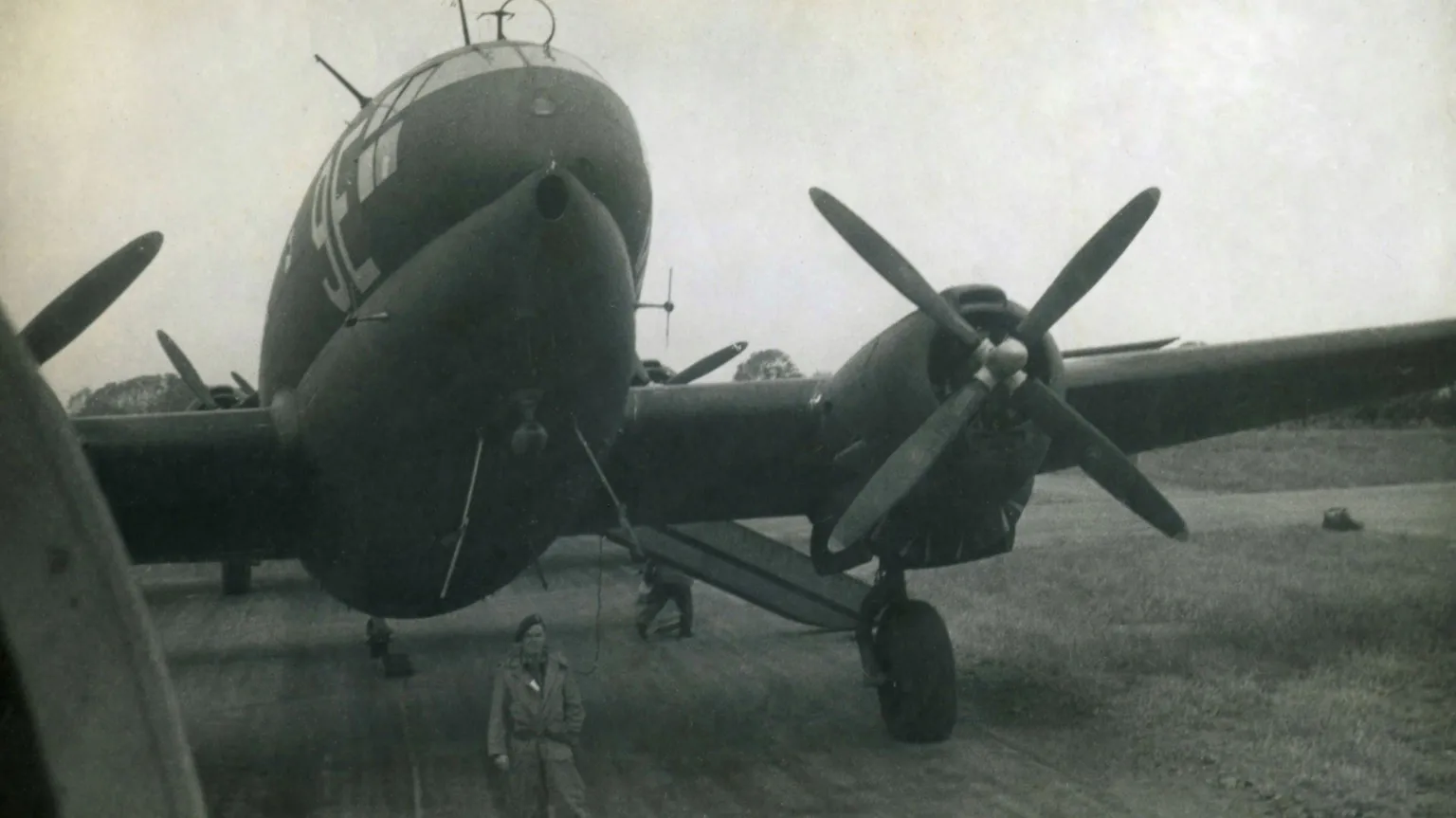
Introduction to Major Peter Weaver
Major Peter Weaver, a founding member of the Special Air Service (SAS), was recognized as a "loyal teammate but a trained killer." His remarkable wartime experiences are set to be featured in the upcoming series of the BBC's SAS Rogue Heroes drama.
His military career spanned critical operations, including missions in secret bunkers in Dorset, covert activities deep behind enemy lines in France, and participation in the liberation of the Bergen-Belsen concentration camp.
"My father was very courageous, totally reliable and had a high expectation of people,"reflects his daughter Joanna Burri-Weaver, who resides near Swanage in Dorset.
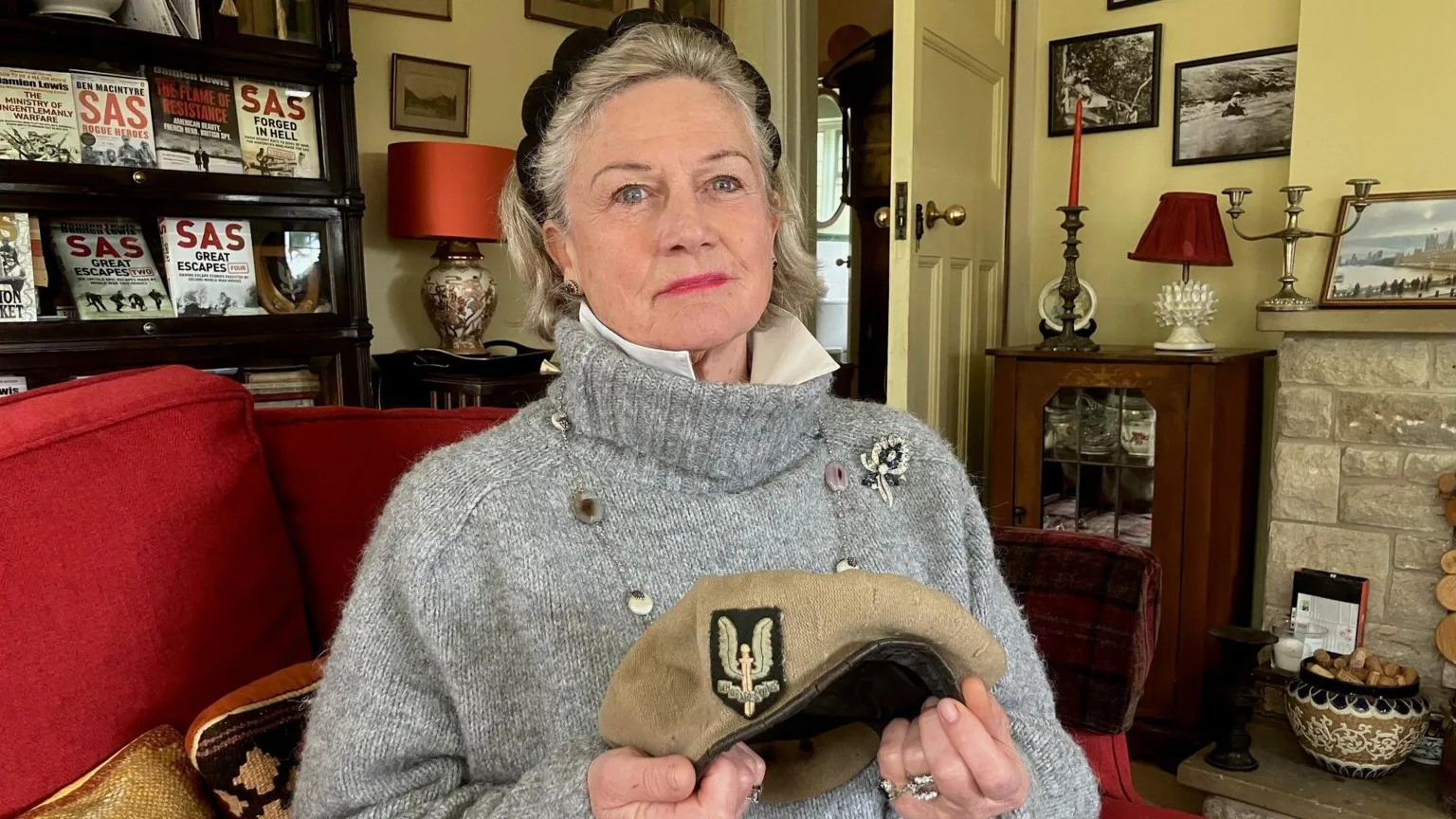
Early Military Service and Auxiliary Units
At the onset of World War II, Major Weaver served in the Dorsetshire Regiment and contributed to establishing the special Auxiliary Units. These units were trained in sabotage and silent killing techniques, operating from a network of secret bunkers designed to house soldiers prepared for covert resistance.
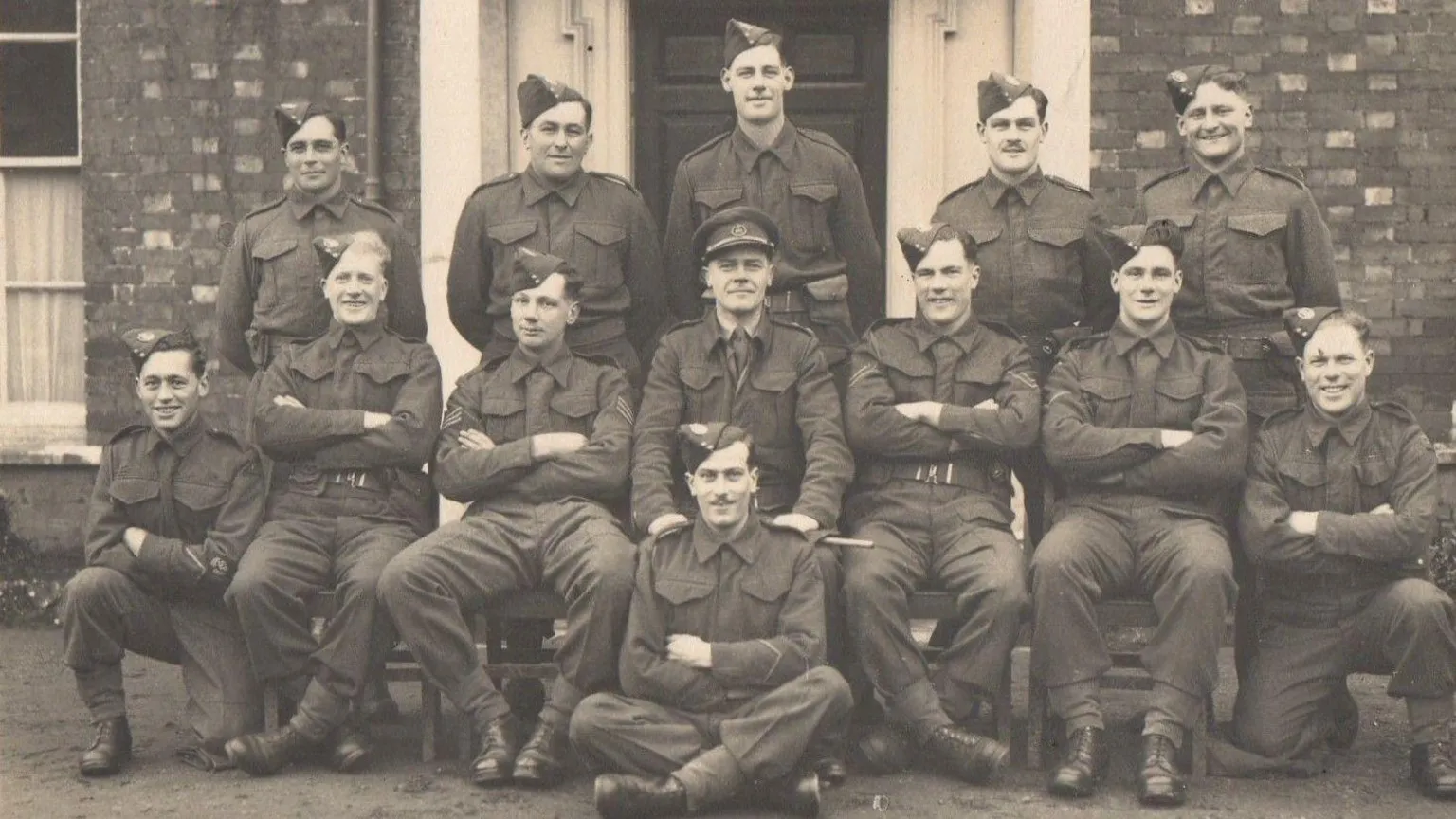
Author Dr Will Ward's Research
Author Dr Will Ward has recently published a book titled The Clandestine Life of Peter Weaver, drawing extensively from a family archive that includes "remarkable wartime photos."
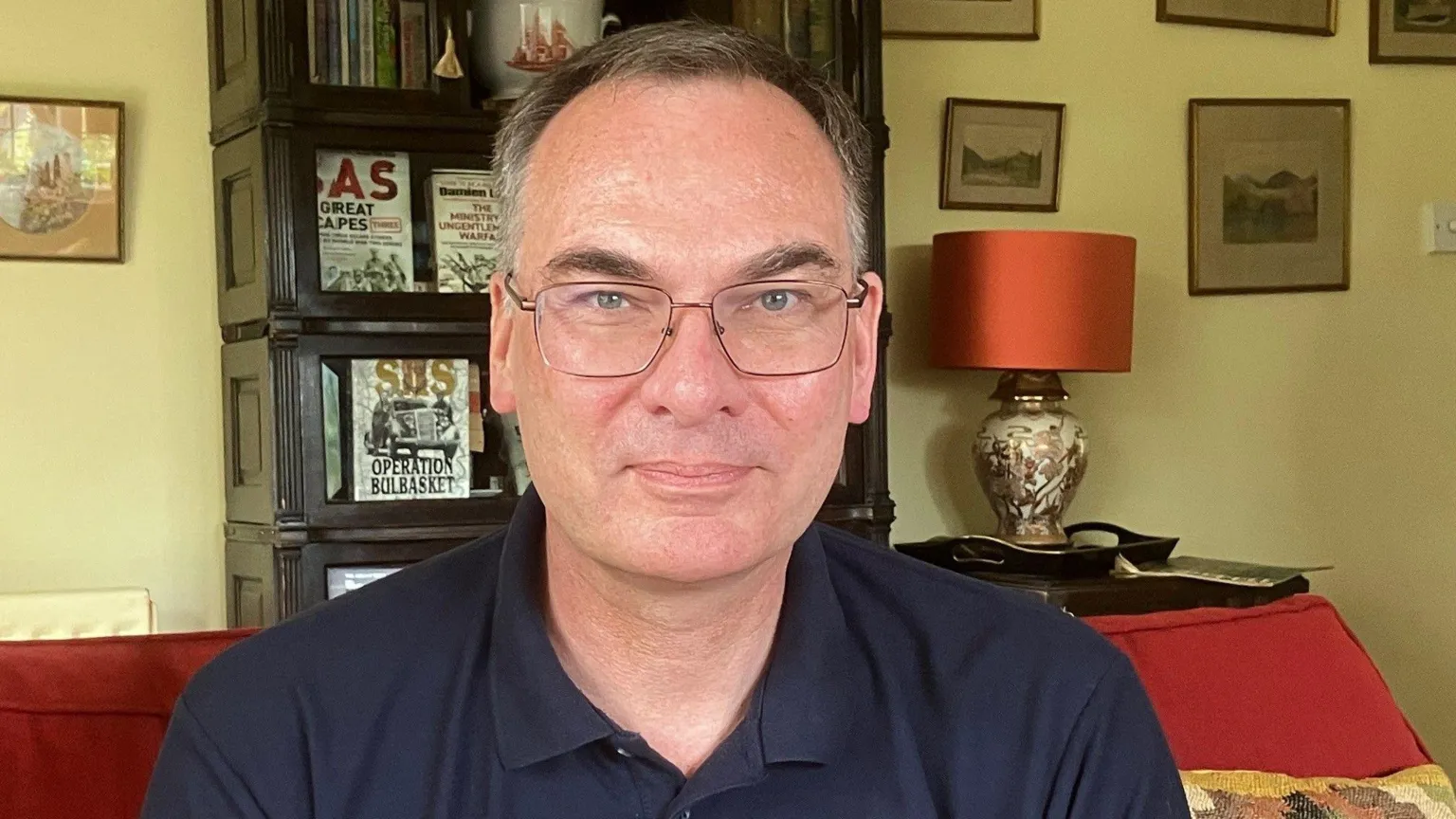
Dr Ward noted,
"I think what's fascinating was how he goes from being very sporty to applying that fitness to military service."
Before the war, Major Weaver was an accomplished sportsman, captaining the England hockey team in 1937 and playing first-class cricket twice for Hampshire in 1938.
Transition to the Special Air Service
The skills honed in the Auxiliary Units led to Major Weaver and other members being recruited by the SAS in preparation for D-Day, the Allied operation to liberate occupied Europe. Dr Ward explained,
"They needed men who were trained, and the Auxiliary Units provided an ideal source."
He further added,
"The first SAS going into France had one man in five from the Auxiliary Units."
Operations in Occupied France and Narrow Escape
Major Weaver was parachuted into German-occupied France prior to D-Day. During a German attack on an SAS camp, he experienced a miraculous escape. Joanna recounted,
"Only eight of them escaped. 34 of them were captured. 31 were killed three days later. Murdered. He told me how lucky he was and how he escaped."
Participation in Liberation of Bergen-Belsen
Following his escape, Major Weaver continued to engage in further operations and was among the Allied troops involved in liberating the Bergen-Belsen concentration camp.
Dr Ward remarked,
"The SAS were the first troops to enter Belsen and really were stunned by what they saw. There was no preparation for this."
Joanna recalled her father's description of Bergen-Belsen as "awful" with a "terrible smell." She found recalling his experiences at the camp very emotional.
She explained,
"My father was driving past and he saw these old gates, he said he 'didn't like the look of what was going on behind there'. So, he sent his man in to investigate and he relayed that it was a concentration camp."
Major Weaver took photographs to document the horrors he witnessed. Joanna added,
"I think it must have affected him, but he never talked about it."
Later Life and Legacy
After leaving the army, Major Weaver returned to Dorset, choosing to live near one of the secret bunkers he had helped establish. He passed away in 2007.