

Exploring Cuban Cinema Beyond the US Blockade
At a crowded trade union meeting in Havana, workers express frustration over management’s delay in sending a technician to fix malfunctioning machinery. One worker suggests that perhaps the specialist needed has yet to be born. Lina, one of the few women employed at the dockyard, stands up to criticize the deteriorated condition of the facility.
Meanwhile, Oscar, a bourgeois theatre director, observes the scene, searching for characters for his next creative project. This setting is from Hasta Cierto Punto ("Up to a Certain Point"), a 1983 film by Tomás Gutiérrez Alea that examines gender relations in post-revolutionary Cuba.
The popularity of films like Hasta Cierto Punto at the Screen Cuba festival, which features sold-out screenings, indicates sustained interest in Cuban culture, especially amid ongoing aggressive US intervention in the region.
Historical Context of US-Cuba Relations and Cinema
Washington’s hostility toward Cuba is longstanding. In October, for the 33rd consecutive year, the UN General Assembly passed a resolution condemning the US embargo on Cuba. These sanctions, in place since the early 1960s, are among the longest-running modern embargoes.
Under the shadow of a dominant imperial power and with severe restrictions on trade and resource access, Cuba’s cinema may appear enigmatic to international audiences curious about its development under such constraints.
The Cuban Revolution of 1959 marked a significant turning point in the nation’s cinematic history. While filmmaking existed prior to this period, it largely imitated Hollywood styles. Jessica Gordon-Burroughs, a lecturer in Latin American studies at the University of Edinburgh, notes that the decade following the revolution was "a very exciting and innovative time, both politically and aesthetically in Cuba."
Within a year of overthrowing the Batista dictatorship, Fidel Castro’s revolutionary government established the Instituto Cubano del Arte e Industria Cinematográficos (ICAIC) to foster new cinematic practices aligned with the broader revolutionary project, which Aimé Césaire later described as "tropical Marxism."
Evolution of Cuban Cinema and Key Figures
Tomás Gutiérrez Alea benefited from this new cultural infrastructure. His body of work reflects Cuban cinema’s evolution, from the sharp social satire of Death of a Bureaucrat (1966) to international co-productions like Strawberry and Chocolate (1993), which emerged due to funding shortages during economic crises.
Now in its third year, Screen Cuba aims to introduce UK audiences to a film culture that produced works such as Humberto Solas’s 1968 triptych epic, Lucia, which portrays three major historical events through the lives of female protagonists sharing the same name but presented in different formats.
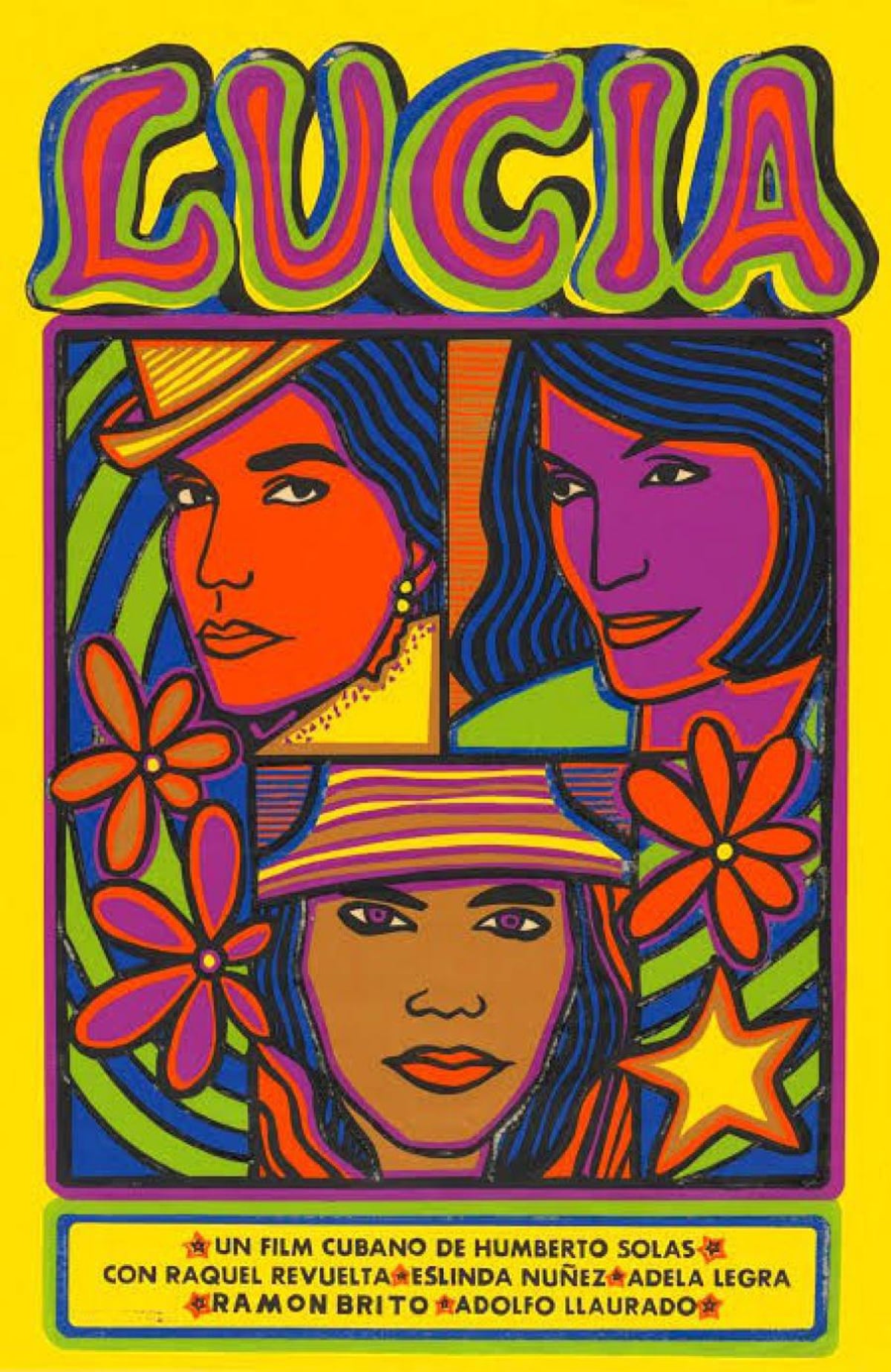
Dodie Weppler, one of the festival’s organisers, acknowledged the rarity of access to these films and described the US blockade as a "catastrophic siege."

“It has affected us [with] getting films sent electronically. You have outages in electricity [so] you start having a discussion on WhatsApp and then [the] electricity is out.”
The festival also focuses on restoration and distribution challenges faced by Cuban filmmakers, with distribution being a particularly overlooked issue in global cinema.
Trish Meehan, co-organiser of Screen Cuba, explained that the festival has contributed modestly to restoring short films by Juan Padrón, known as the Cuban "godfather of animation." She also highlighted the difficulties in obtaining international distribution for Cuban films, citing issues such as wiring payments for submission fees as "just a tiny little bit of the blockade, but it’s endless."
Alternative Platforms and Cinematic Movements
Beyond the established festival circuit, which includes the Oscars held simultaneously with Screen Cuba’s launch, the Havana Film Festival offers another platform. Founded in 1979 as the International Film Festival for New Latin American Cinema, it builds on radical cinematic movements like "third cinema" and "imperfect cinema," which originated in Latin America but have global influence.
Gordon-Burroughs remarked on the significance of "imperfect cinema," noting its inspiration for filmmakers worldwide, including those in Africa and India. She described it as "a powerful oppositional concept in terms of thinking about alternative ways of producing cinema outside Hollywood, big productions and normative capitalist value systems."
Films like Hasta Cierto Punto, which won the festival’s Grand Coral award for best film in 1983, introduced a new openness in discussing topics such as gender, while still confronting existing societal limitations.
In one scene, Lina challenges Oscar about the lack of women in his profession, a critique that resonates with the experiences of Sara Gómez, Cuba’s first female director.
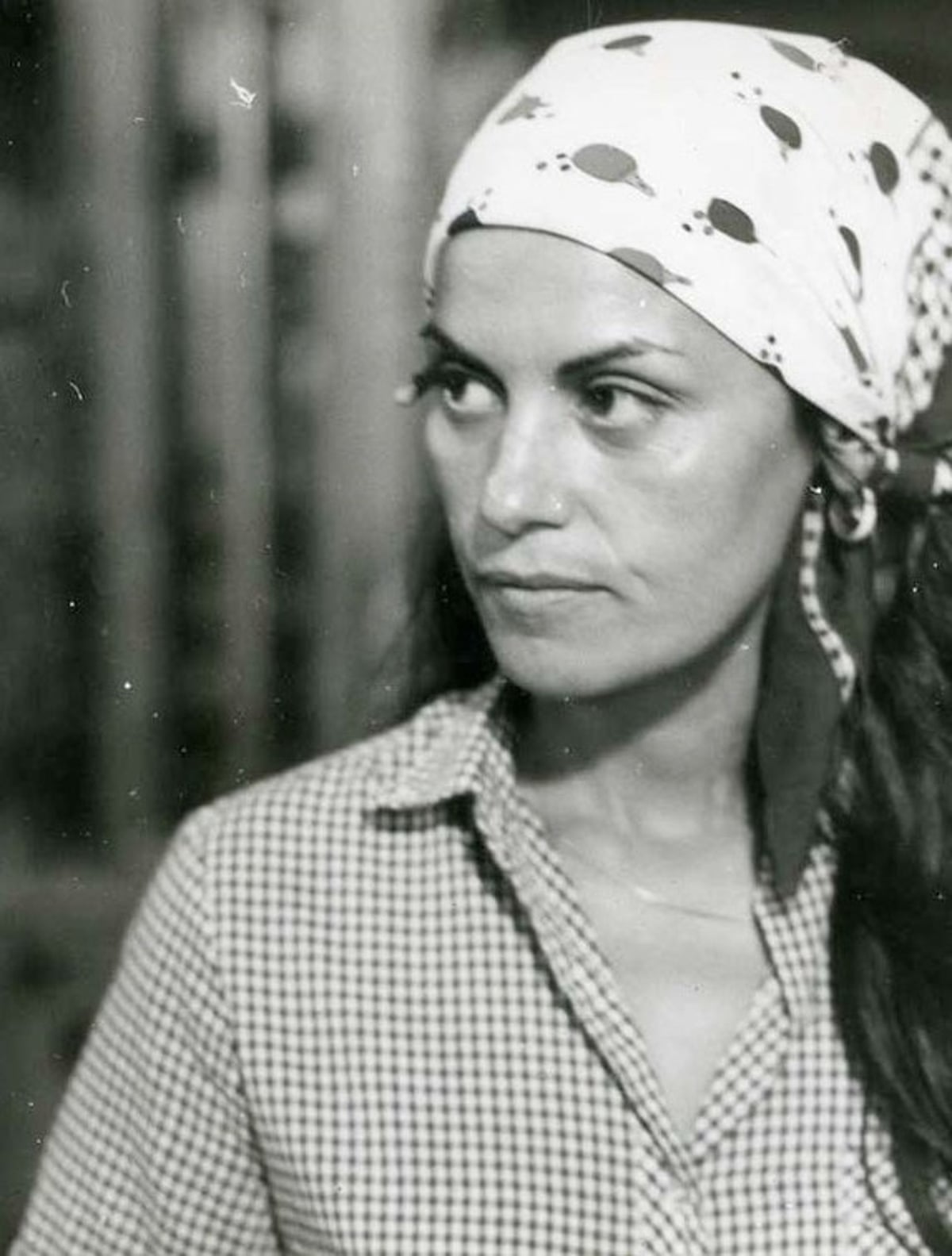
Gordon-Burroughs described Gómez as "this incredible early female director" who has "definitely been overlooked" in Cuban film history. Gómez was a pioneering filmmaker whose first feature, Da Cierta Manera, was released posthumously but already presented a working-class feminist critique of sexism predating Hasta Cierto Punto. Screen Cuba’s programme also includes several of her short documentaries.
Contemporary Cuban Cinema and Social Themes
Tania Delgado, director of the Havana Film Festival and former vice-president of ICAIC, characterized Cuban cinema as "very honest" and "very poetic," emphasizing its strength in imagery and thematic content.
Internationally, Cuba is often perceived through ideological lenses. It is known as the host of the 1966 Tricontinental Conference and for its role in Africa’s postcolonial struggles, as depicted in Jihan El-Tahri’s documentary Cuba, an African Odyssey. Conversely, it is also viewed as a one-party state from which many have emigrated, contributing to a diasporic cinema marked by frustration and loss.
Gordon-Burroughs observes that Cuban films have "become less politicised in recent years," while Delgado notes that contemporary filmmakers address daily realities such as familial relationships, violence, and LGBTQ+ topics, which are recurrent themes in Cuban cinema.
Ongoing Challenges Amid Political Tensions
The threat of renewed US efforts to instigate regime change in Havana remains topical. As President Trump warned of a "very strong" approach, Cuba entered a period of intensified hardship this month. Recently, an international aid convoy, accompanied by figures such as Jeremy Corbyn and the Irish rap band Kneecap, delivered supplies in a symbolic act of solidarity.
“We have a very hard embargo – blockade – and it affects everything, cinema is not an exception. We are a very resilient people and if anything, we are looking for solutions, and we are looking for maintaining the creation … [of] cultural life in Cuba … and what we cannot lose right now is the hope.
“The world is in a very complex situation and Cuba is not an exception. I like to think about all the solidarity that we bring to everybody that needed us, to be there to do something, and art and culture is not an exception within that.”


