A Virtual Battle for Survival
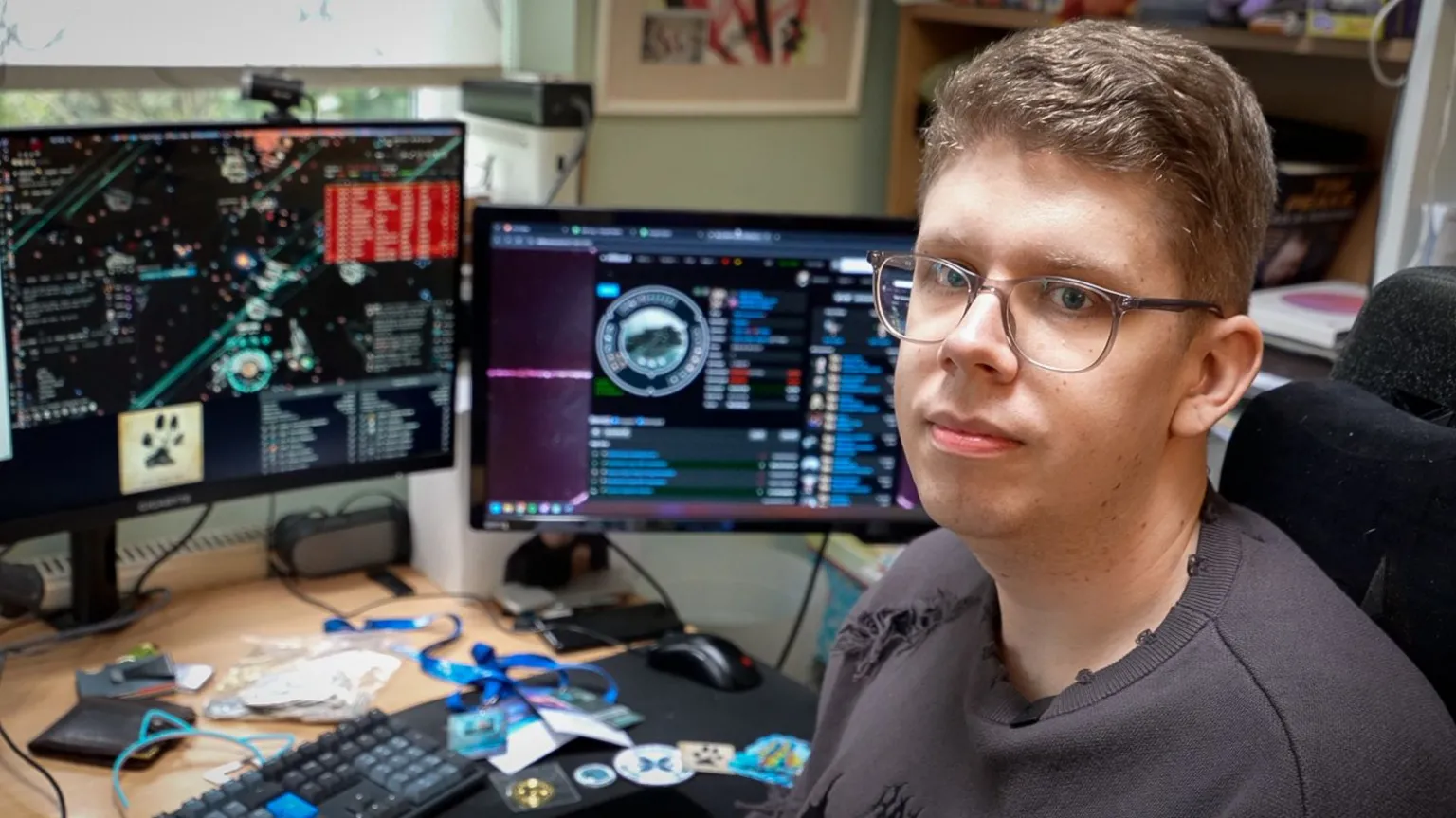
James Cunningham hadn't slept. He'd been up all night "fighting for his life".
The 27-year-old from Ware in Hertfordshire was striving to save a virtual empire from collapse—using only a keyboard and mouse.
James recalls,
"I didn't expect everything to go wrong,"reflecting on the intense conflict that erupted in June 2025.
"But it did."
He had dedicated thousands of hours—sometimes up to 16 hours daily—and spent approximately £6,000 playing EVE Online, a massively mult online game with tens of thousands of players worldwide.
Last year witnessed one of the most dramatic and costly episodes in the game's history.
By the end, in-game assets valued at hundreds of thousands of pounds had been destroyed.
One participant reached out to BBC Your Voice to highlight this vast war, offering insight into EVE Online's immersive digital universe.
Within this universe, players create narratives of heroism, betrayal, and geopolitical strife—experiencing tangible real-world economic impacts.
A Distant Universe
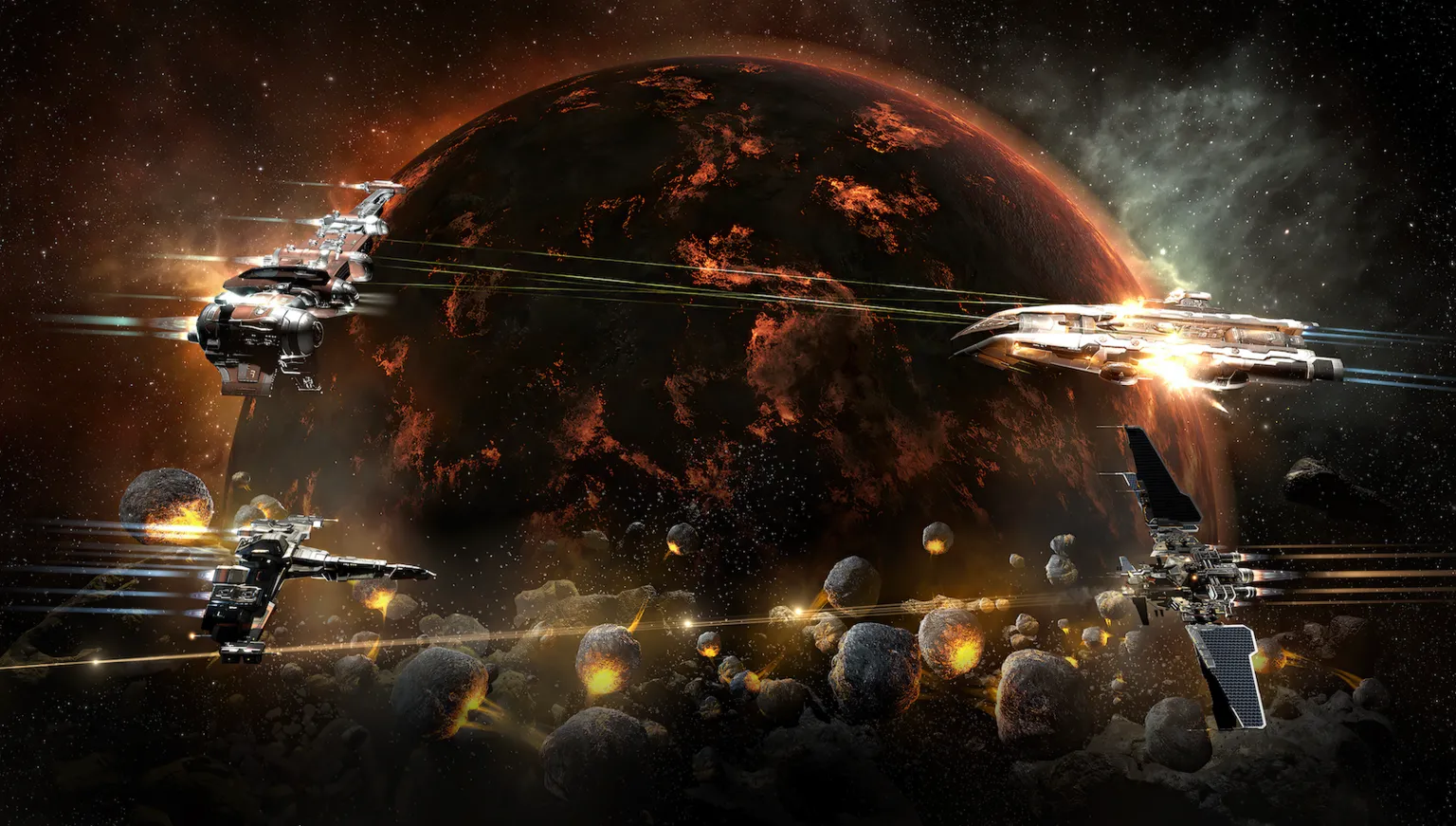
Launched in 2003, EVE Online is set in a fictional sector of space where players pilot ships freely without a fixed storyline.
Players can form corporations, which function like private militaries or commercial shipping firms.
These corporations may ally to form vast coalitions, orchestrating complex military and industrial campaigns spanning years.
While many players serve as soldiers or traders, a select few ascend to leadership roles, commanding thousands and wielding significant influence over the virtual environment.
Due to limited resources and territory, conflict is central to gameplay. Trade routes are ambushed, borders contested, and rival alliances engage in prolonged wars to control regions.
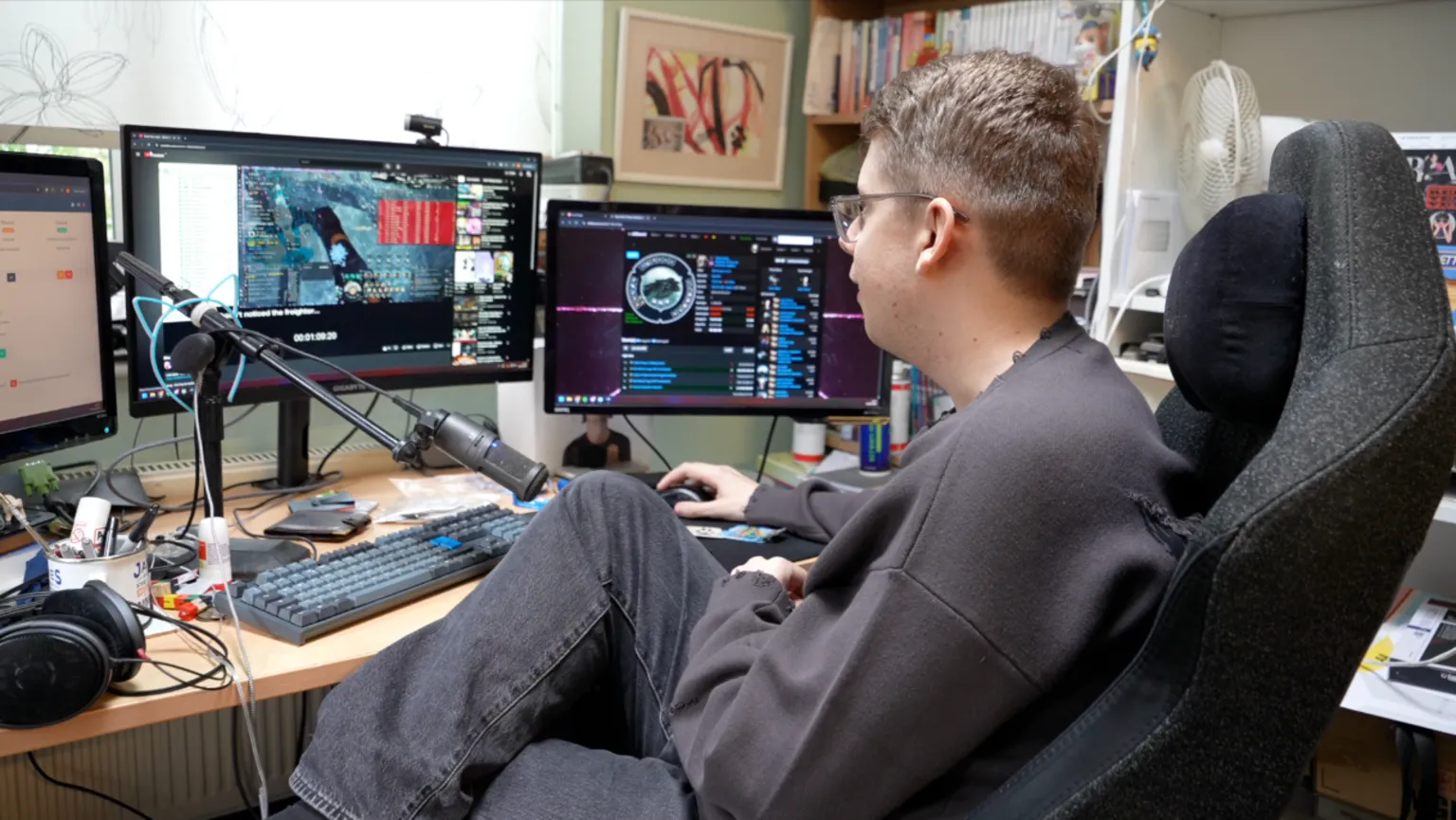
Battles can be fierce, yet some describe EVE Online as a "spreadsheet simulator" because much gameplay involves slow, strategic management—navigating maps and data panels to control ships and monitor threats.
Every game item—from ships and stations to weaponry—is player-manufactured and tradable for in-game currency. Creating these assets can require hundreds of hours, though players may also spend real money to obtain them, generating revenue for Icelandic developer Fenris Creations.
For instance, a Titan-class ship is valued at about £741. James estimates his total expenditure on the game since 2017 at around £6,000. A high-earning acquaintance claims to have spent nearly £30,000.
While spending money on games is common, EVE Online is notable because players' assets can be permanently destroyed, erasing their real-world investment in moments.
The game's financial system is so intricate that in 2025, Fenris Creations employed a former Central Bank of Iceland economist to oversee it.
Players can accumulate vast virtual wealth through mining or mercenary work but are prohibited from converting in-game currency back to real money.
Playing EVE Online can demand hundreds of hours. Some treat it like a second job, dedicating up to 35 hours weekly alongside their regular employment.
"It will absorb all the free time you're willing to give it,"James explains.
The Long Road to War
The 2025 player-versus-player war did not arise suddenly. Tensions had been escalating for years.
In 2020, rival factions clashed after a ceasefire abruptly ended, reportedly due to personal disputes among faction leaders. Fenris Creations described the event as "cataclysmic."
At one point, players engaged in continuous combat for 14 hours in what became known as The Massacre at M2-XFE.
This battle earned a Guinness World Record for the most costly video game battle, with over £280,000 worth of assets destroyed.
The conflict sparked a "cold war," as major alliances plotted against each other.
The Big Ambush
During this period, James advanced to fleet commander of Pandemic Horde, one of the game's largest alliances, responsible for directing thousands of players in combat.
He found the role highly rewarding but acknowledged that strategizing and issuing real-time commands could be
"more stressful than real life."

He soon observed The Imperium—Pandemic Horde's long-standing adversary—rapidly advancing toward his alliance's home territory.
Although The Imperium had been severely weakened in 2020, it had spent years rebuilding its forces.
Now, it was undertaking an epic journey across space, transporting an estimated £5 million ($6.7 million) in assets to launch an assault on its historic rival. Developers called this "the most ambitious move in EVE Online's history."
Leaders made bold choices. Several players reported telling their real-life employers they were too ill to work. James adjusted his sleep schedule as gaming shifts were organized across multiple time zones.
In June 2025, The Imperium's fleet confronted Pandemic Horde with full force, aiming to seize its territory.
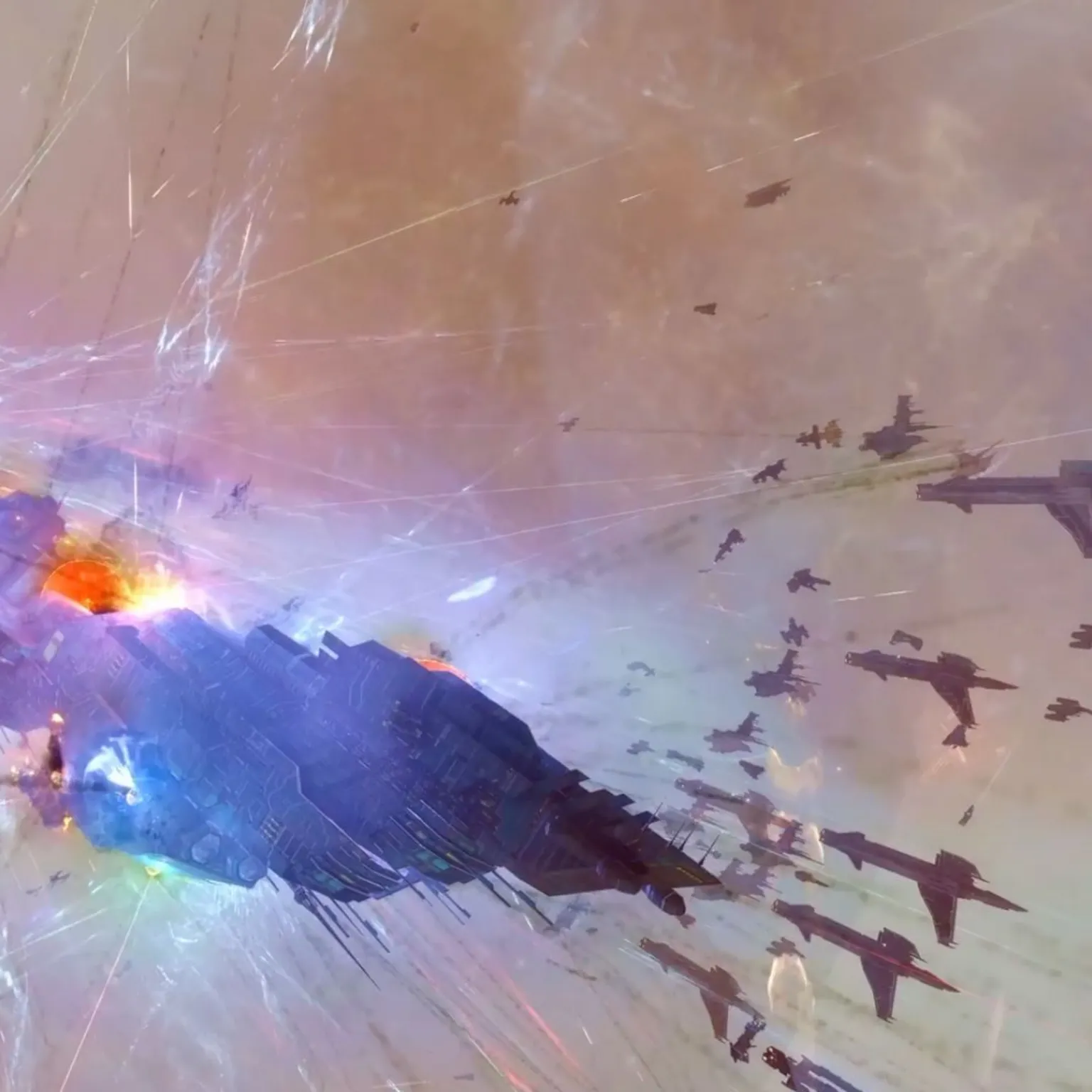
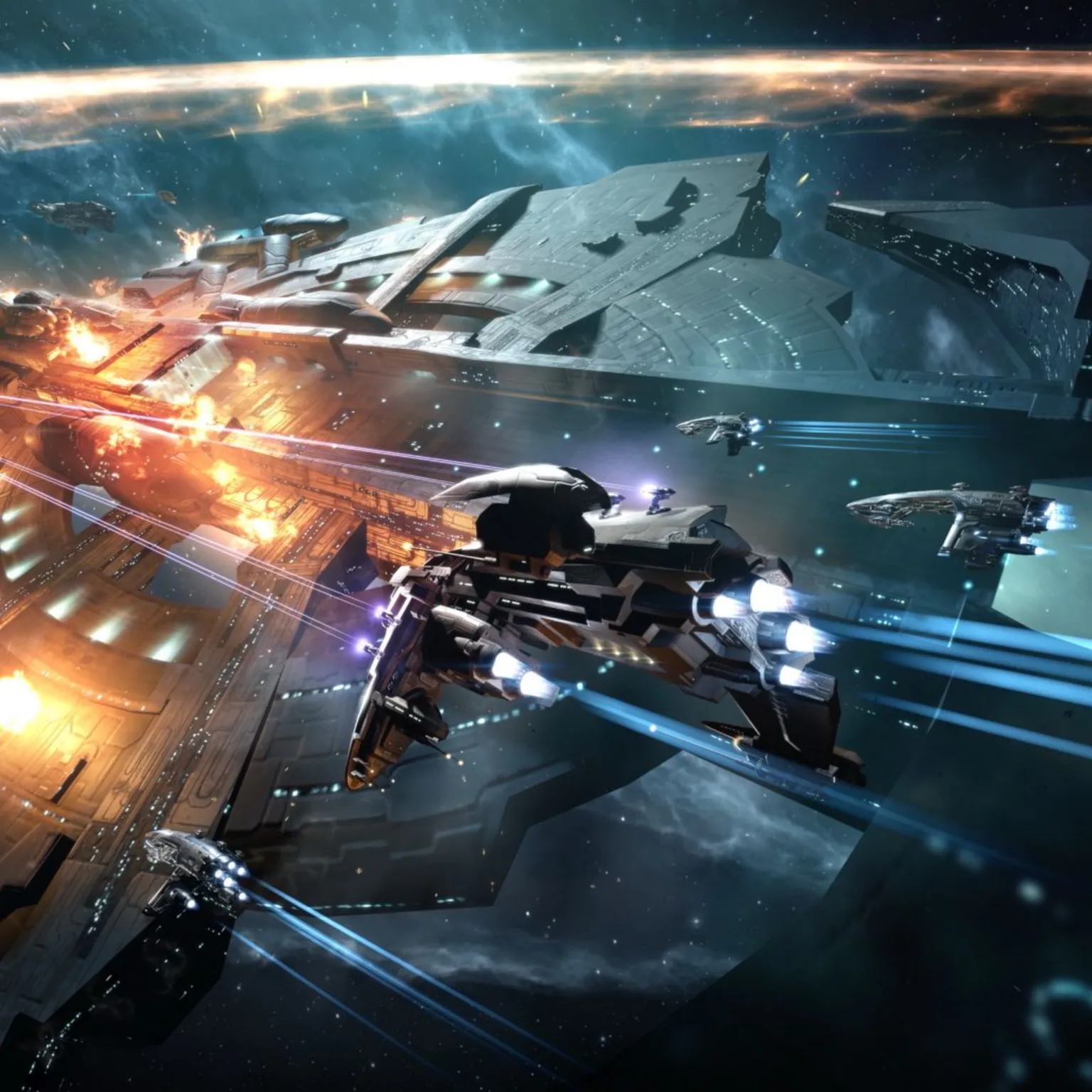
Military campaigns planned over months culminated in hours of intense combat, with rockets firing continuously. The darkness of space transformed into a vivid display of blue and orange as ships were destroyed and space stations exploded.
James worried that a single error could result in the loss of assets worth tens of thousands of pounds.
"It hurts to think about it as £50,000 rather than trillions of in-game currency."
The War of Ruses, as it became known, concluded with Pandemic Horde's retreat.
But this was only the beginning.
Months later, the player who had led Pandemic Horde for over a decade announced a surprising departure.
Not only was he leaving the game, but the alliance planned to relocate to a new region of space, seeking a fresh start under new leadership.
Rival groups seized the opportunity, attacking Horde members relentlessly—sometimes for 24 hours straight—as they scrambled to defend themselves and their assets.
Pandemic Horde suffered a devastating defeat and ultimately disbanded.
Estimates of asset losses vary.
The EVE Online enthusiast who contacted the BBC shared a detailed spreadsheet, estimating losses at £700,000.
However, Fenris Creations estimates losses closer to £400,000, emphasizing this is not an "official figure."
James focused on protecting his most valuable assets and successfully escaped, losing about £200 worth. Others were less fortunate, losing thousands.
The extensive destruction and the collapse of a major alliance made 2025 a pivotal year for EVE Online. Fenris Creations reports that November and December 2025 were the two highest-revenue months in the game's 23-year history.
Aftermath and New Beginnings
James says the fall of Pandemic Horde, which cost him his virtual role and home, remains painful.
"Building these assets and taking territory takes a lot of time… You'd log in and that's where you and your friends are. It's like our neighbourhood - and then one day it's gone."
Many players lost contact after dispersing across space in search of new adventures.
Currently, EVE Online's world is
"brimming with excitement,"says creative director Bergur Finnbogason.
"A leader steps down and all of a sudden, 40,000 people were without a home, without proper leadership,"he adds.
Smaller groups are now thriving in Pandemic Horde's former territory, which Finnbogason views as a "reset."
James now dedicates less time to EVE Online, enjoys regular sleep, and has returned to a normal routine.
Like many others, he has joined a smaller alliance as he adapts to the transformed universe.
He does not miss the sleepless nights but does miss the
"chef's-kiss moments"when he could execute complex battle plans he had spent weeks or months preparing.
Finnbogason states he is uncertain how the next chapter of EVE Online will unfold, but notes,
"It's a new era, and people are paying attention."