

Desmond Morris: A Life of Science and Art
Desmond Morris, the zoologist, author, artist, and television presenter, has died aged 98.
Morris was best known for his 1967 book, The Naked Ape, which portrayed modern humans as fundamentally ape-like despite technological and evolutionary progress.
He was also a surrealist painter who exhibited his work internationally alongside artists such as Joan Miró.
Morris's son Jason confirmed his death on 20 April, describing his father as "a great man and an even better father and grandfather," who lived "a lifetime of exploration, curiosity and creativity."
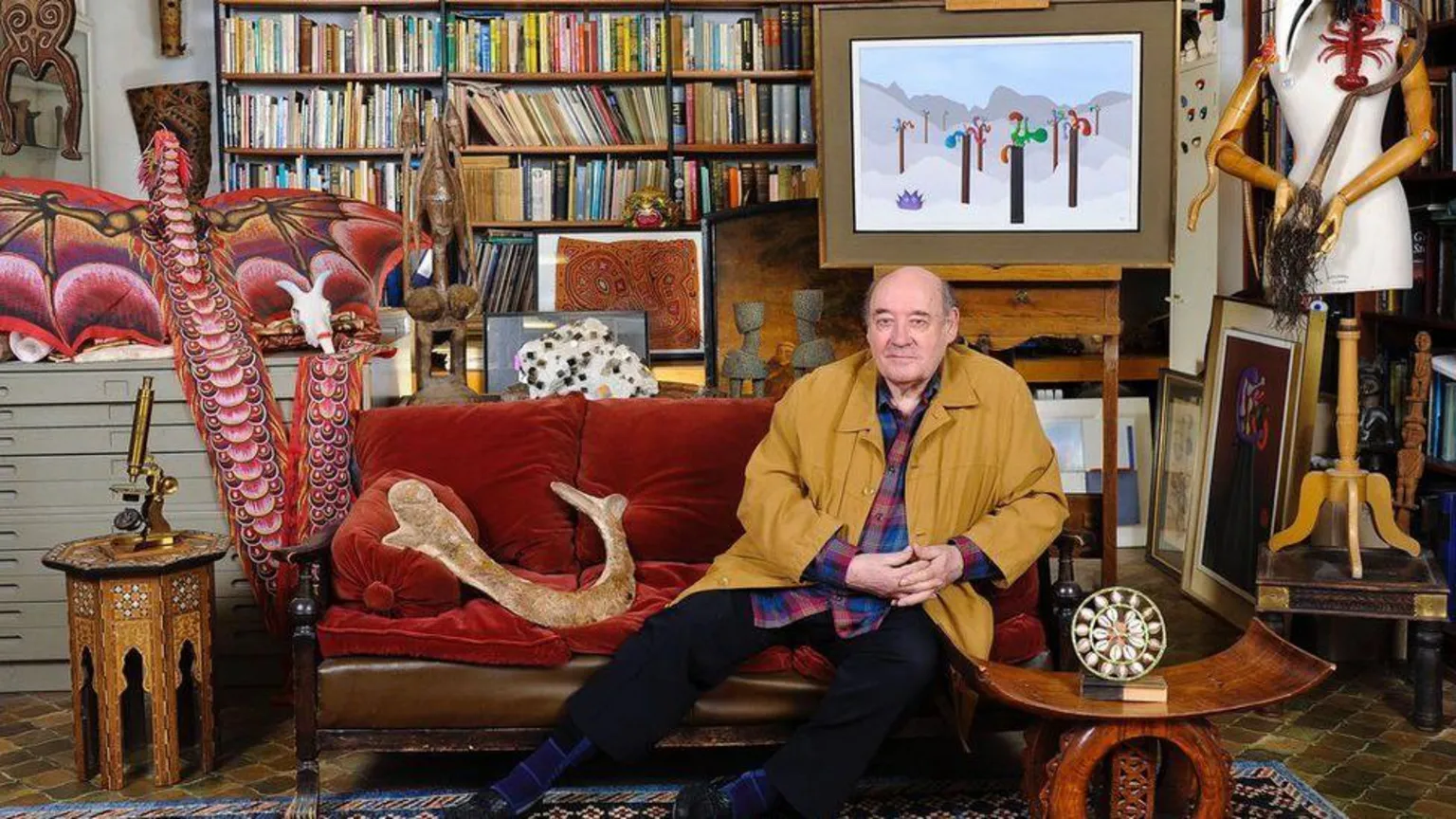
The Cultural Context of The Naked Ape
"Sexual intercourse began," wrote Philip Larkin, "in 1963... between the end of the [Lady] Chatterley['s Lover] ban and the Beatles' first LP."
Following the sexual revolution, numerous books found eager audiences among the newly liberated, including Germaine Greer's The Female Eunuch, Alex Comfort's The Joy of Sex, and in 1967, Desmond Morris' The Naked Ape.
Morris wrote the book in four intense weeks. It explained human habits and rituals with the provocative term "naked" and the evolutionary thrill of "ape."
The work viewed mankind through the lens of a zoologist rather than an anthropologist, framing human behavior in evolutionary rather than cultural terms.
While the thesis was controversial, the book was wildly popular and influential.
It became a guide to human actions during the Age of Aquarius, offering insights into modern sexual practices.
Early Life and Academic Pursuits
Desmond John Morris was born on 24 January 1928 in Purton, near Swindon. As a child, he witnessed his father slowly die from wounds sustained in World War One, which instilled in him a deep hatred for human violence.
He distanced himself from humanity by observing animals, fish, and waterfowl at the family lake.
At Birmingham University, he studied zoology but refused to conduct animal experiments. Instead, he embraced "ethology," an objective study of animal behavior.
His doctoral thesis involved years of observation of the aggressive mating dance of the 10-spined stickleback.
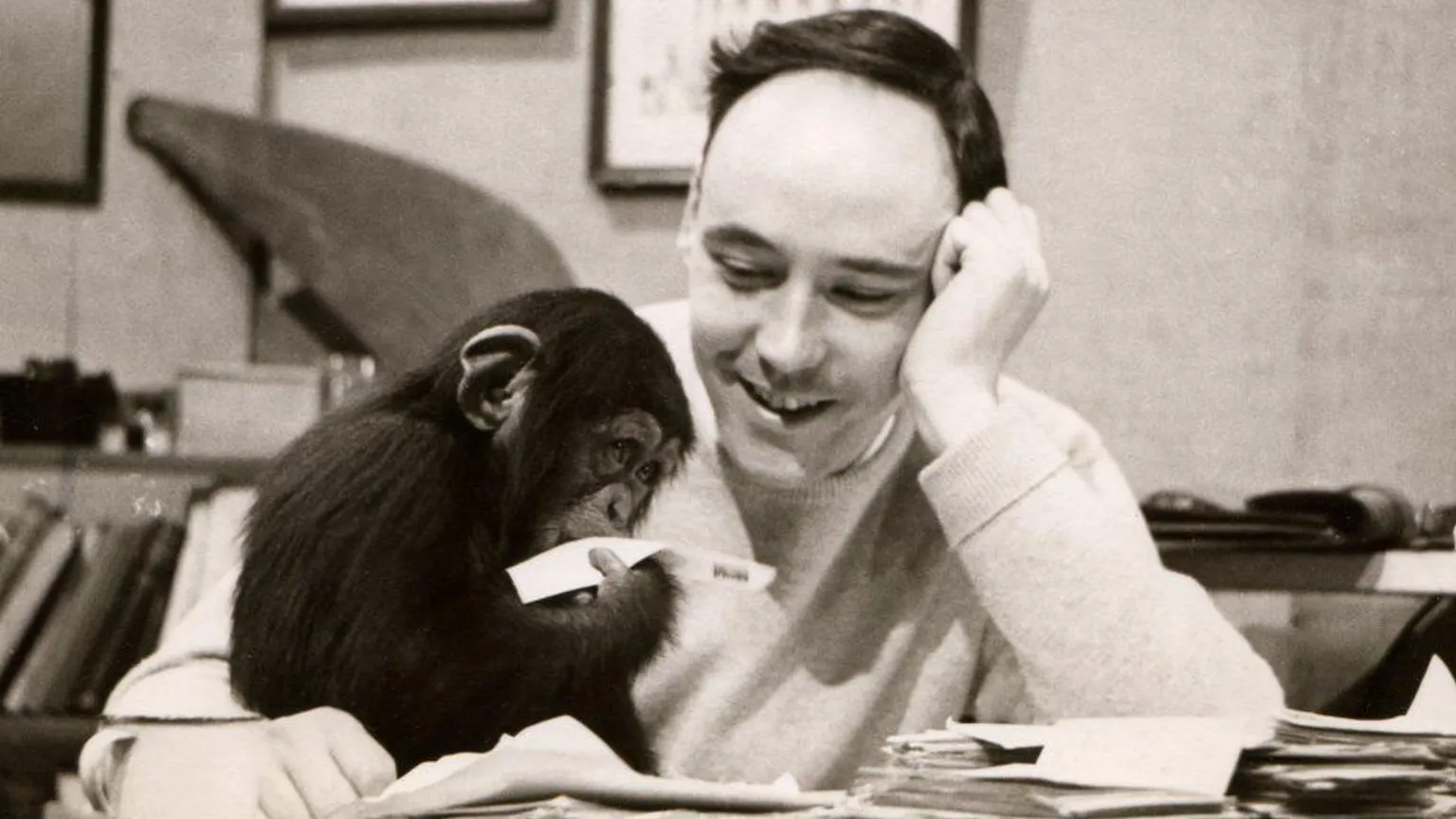
Broadcasting and Work at London Zoo
Granada Television recognized Morris's natural broadcasting talent, positioning him as a competitor to David Attenborough's BBC natural history programs.
A studio was constructed inside London Zoo, which initially irritated Attenborough, who had a relationship with the zoo, but the two eventually became friends.
Morris served as the zoo's curator of mammals.
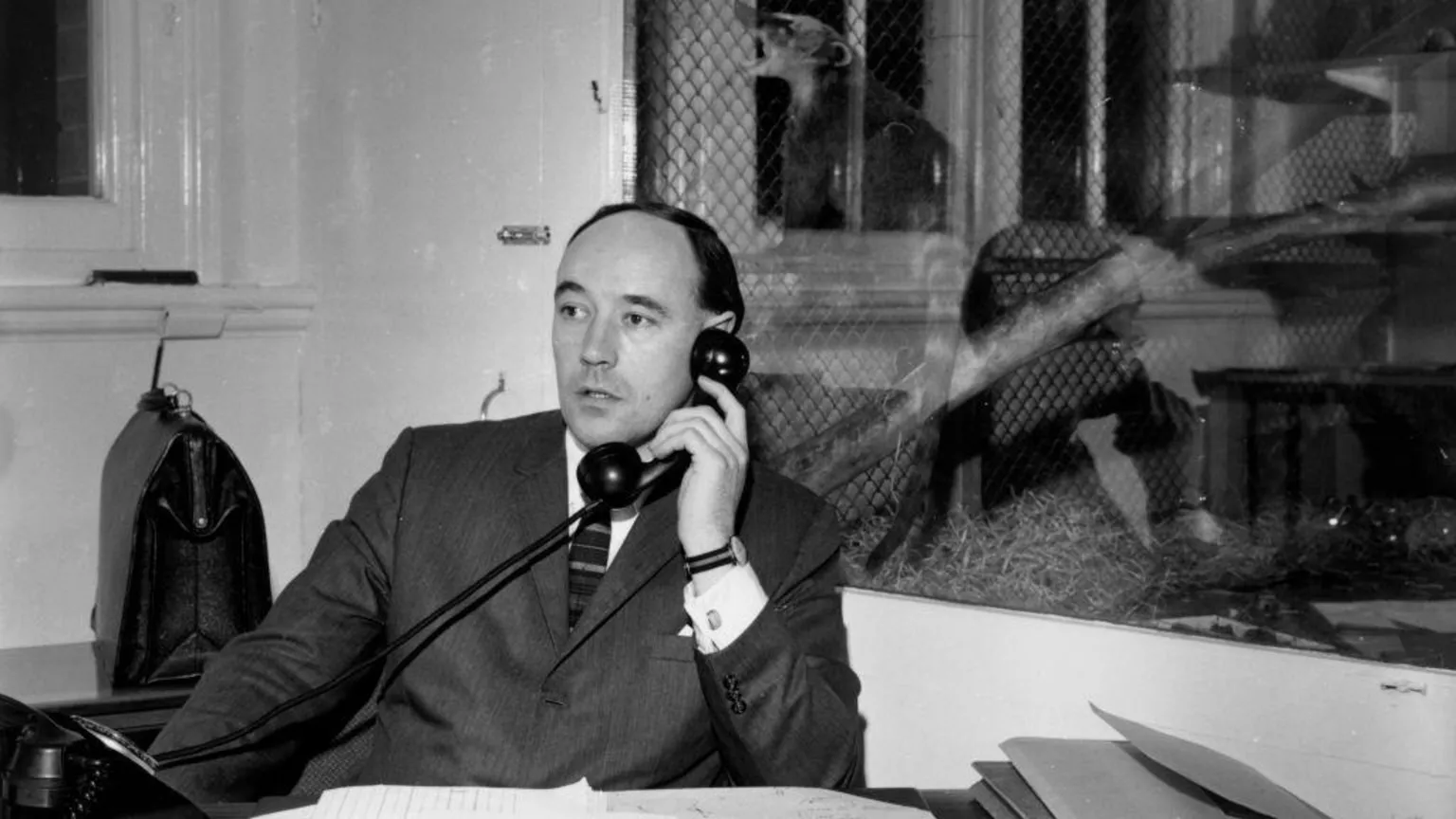
He initiated efforts to breed pandas in captivity, but London's panda Chi Chi repeatedly rejected Moscow's An An. Raised in isolation, Chi Chi identified as human and was uninterested in mating with a bear.
Artistic Endeavors and Experiments
A talented artist, Morris had lectured soldiers in fine arts during his national service and exhibited surrealist paintings alongside Joan Miró.
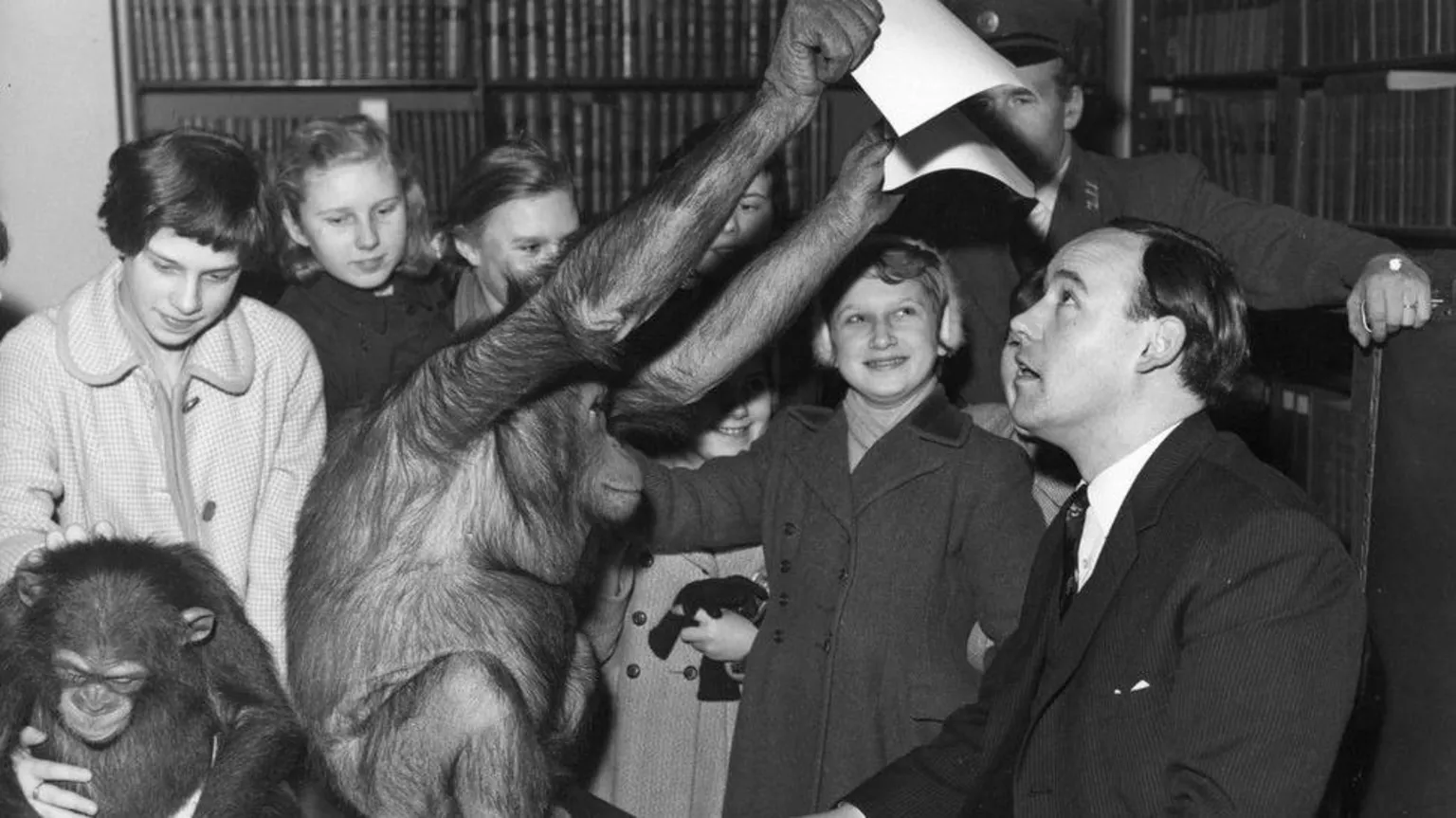
He explored animal aesthetics by giving a paintbrush to a chimpanzee named Congo to test if artistic expression was uniquely human.
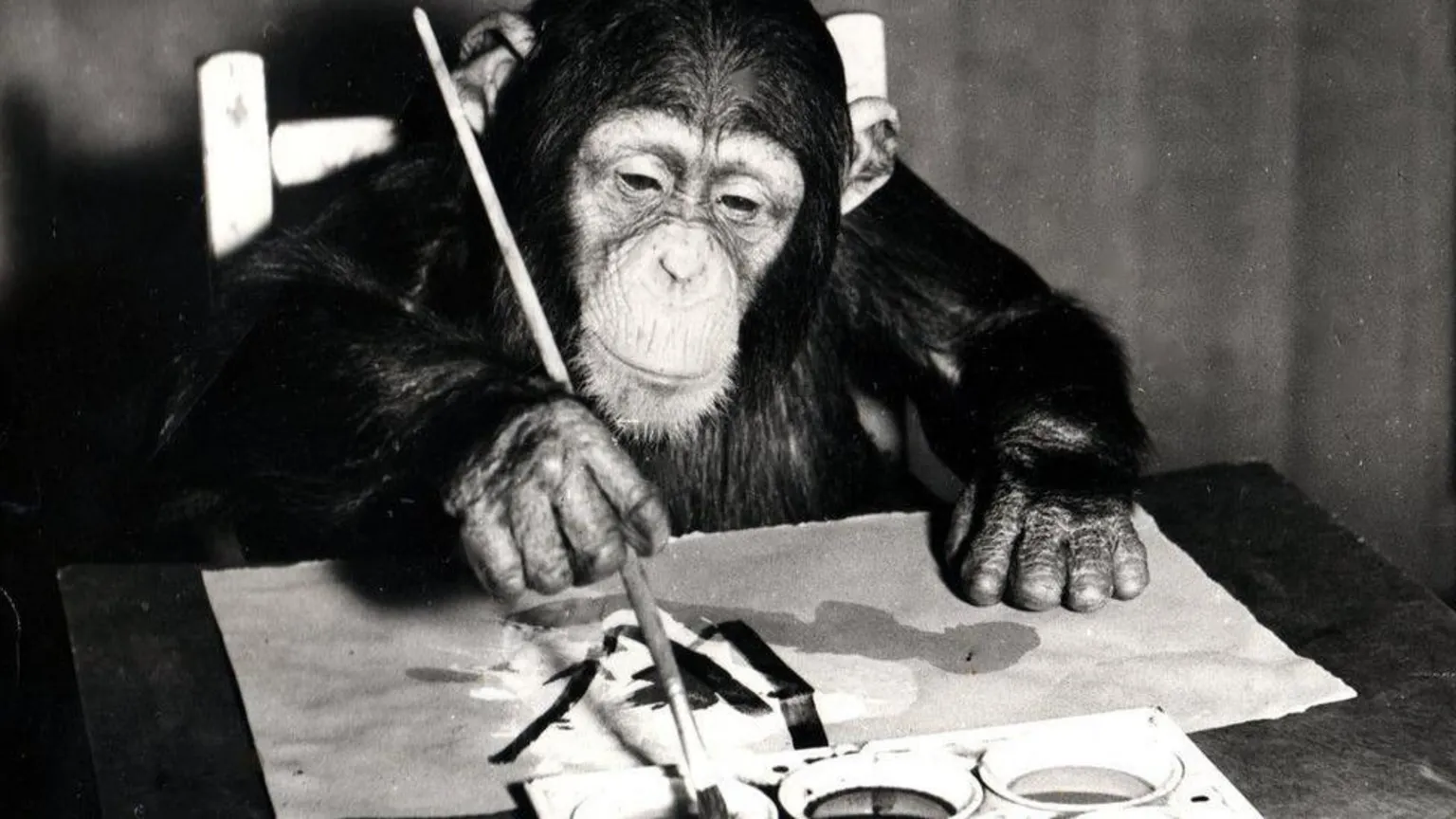
This experiment demonstrated that artistic expression was not exclusively human.
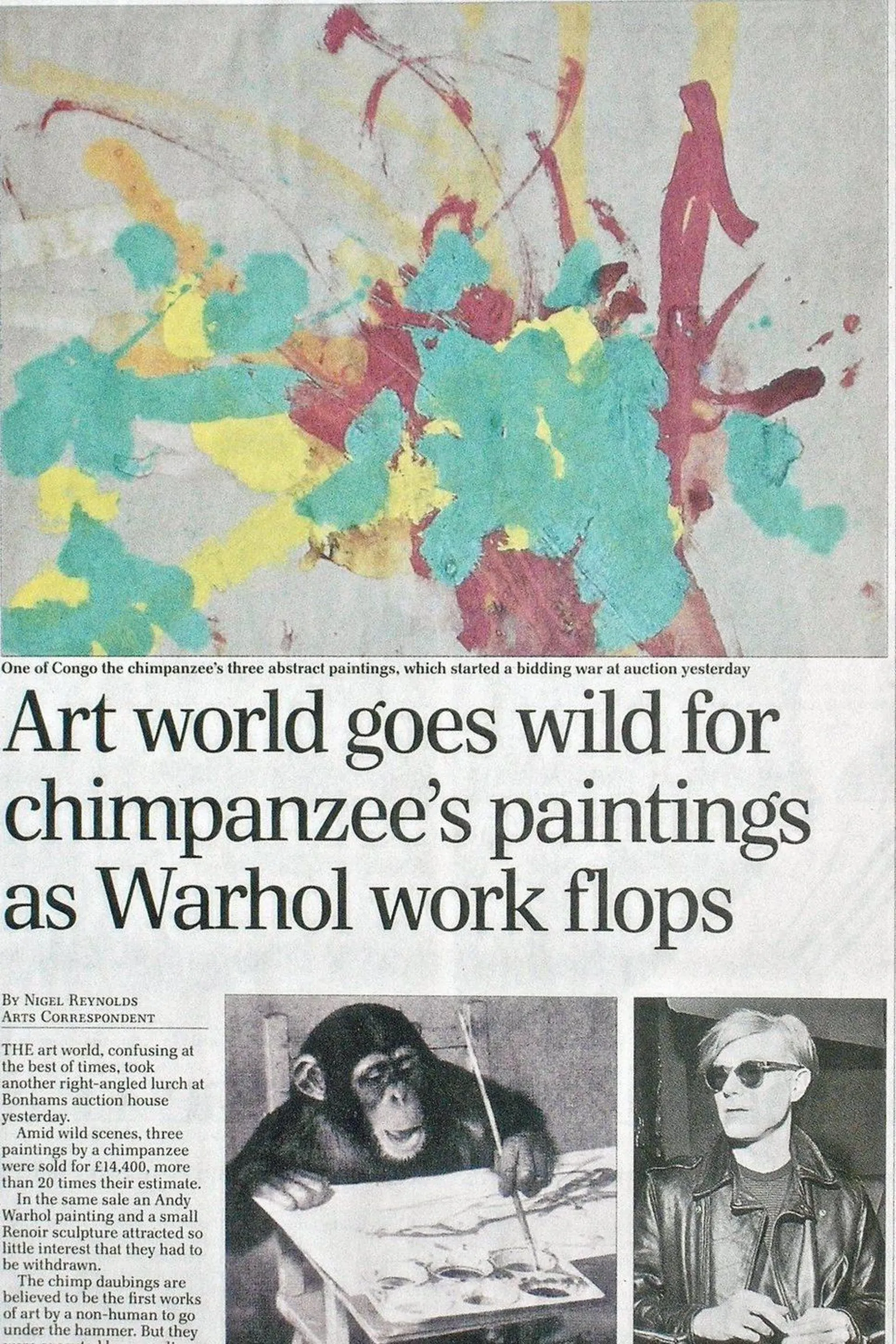
The chimp's paintings delighted Pablo Picasso, who thereafter amused himself by biting visitors. Congo's artworks later sold for thousands of pounds.
The Creation and Impact of The Naked Ape
At a party, Morris met publisher Tom Maschler and proposed the book that would define his career.
- Why humans are the only hairless apes
- Why men are proud of their large brains but conceal their relatively large penises
- Why women's breasts serve both to attract partners and produce milk
Maschler sent Morris monthly telegrams urging him to write the book. Morris completed it in a month of intense writing, producing a work that shocked and fascinated readers.
The Naked Ape became an overnight sensation, eventually selling 20 million copies.
The book applied Darwinian logic to human behaviors such as fighting, feeding, comfort, and sex.
Morris asserted that copulation was not primarily for reproduction but to strengthen pair bonds by providing mutual reward.

We were, he said, "a very sexy ape."
After taking a position running the Institute of Contemporary Arts, Morris quit following his financial success.
Ignoring his mother's advice to save his earnings, he purchased a 27-room Mediterranean villa, enjoying sailing in summer and writing in winter.
Controversies and Further Works
Back in the UK, the book sparked controversy.
Some criticized his dismissal of religion as a biological tendency to submit to an alpha male.
Feminists objected to his portrayal of men as "risk-taking" hunter-gatherers driving evolution, while women remained at home.
Critics argued that human self-consciousness and language elevate Homo sapiens beyond what could be explained by observing other apes.
Morris wrote The Human Zoo and Intimate Behaviour in Malta, developing an interest in Mediterranean body language.
He studied the meanings behind gestures and arm movements, describing his approach:
"You look at people the way a bird-watcher looks at birds," said a friend. "Yes," said Morris, "you could call me a man-watcher."
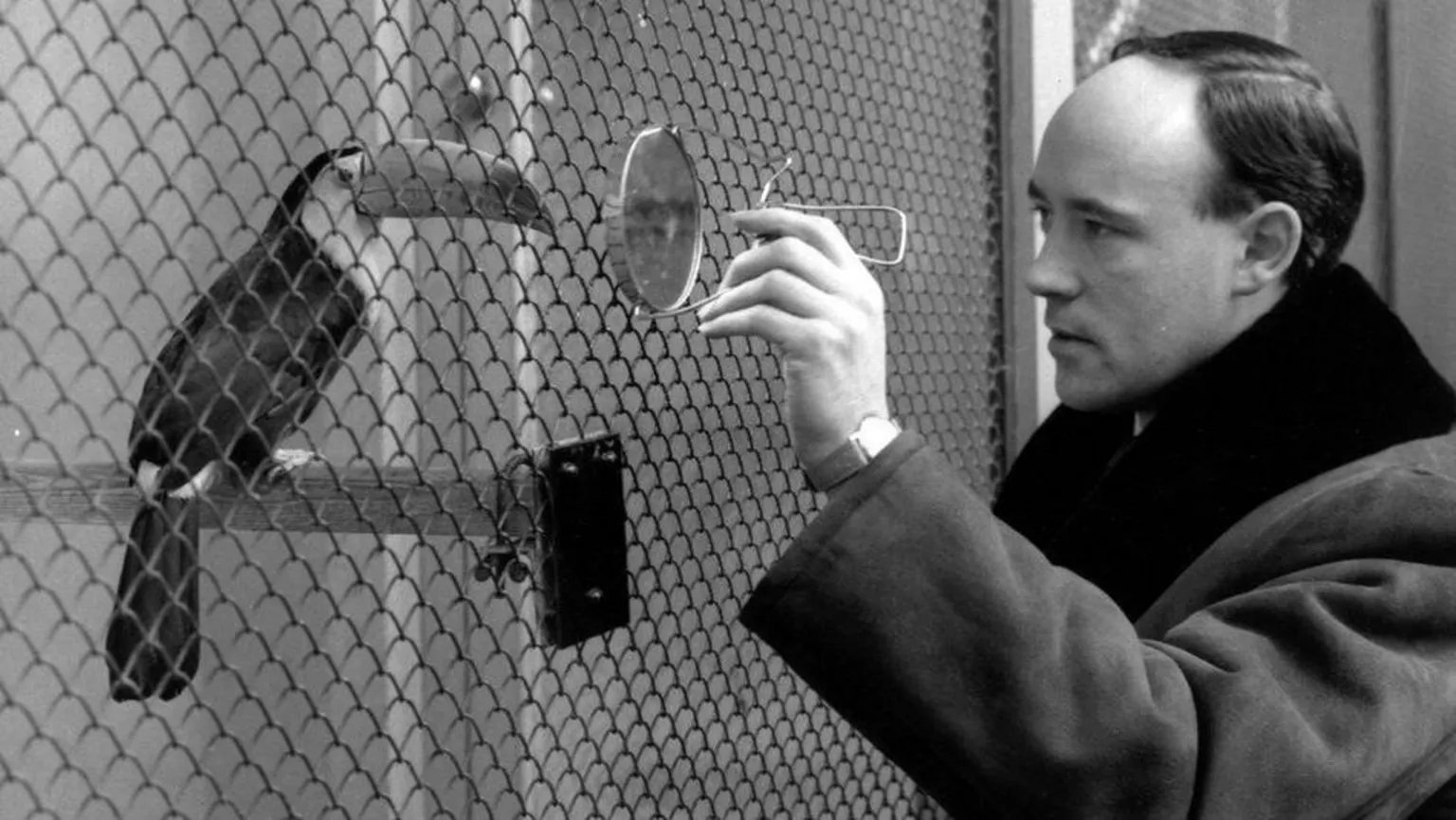
It took him three years to research his new book and television program on the subject.
Later Career and Interests
Having spent much of his fortune, Morris returned to Oxford as a research fellow and traveled globally applying his techniques.
Encouraged by his son, he attended football matches and became fascinated by fan passion.
He analyzed rituals such as chanting and synchronized clapping, interpreting them as male arena displays beyond mere sport.
He continued painting surrealist "biomorphs," abstract life-forms engaged in complex, often sexual, rituals reflecting primal human desires.
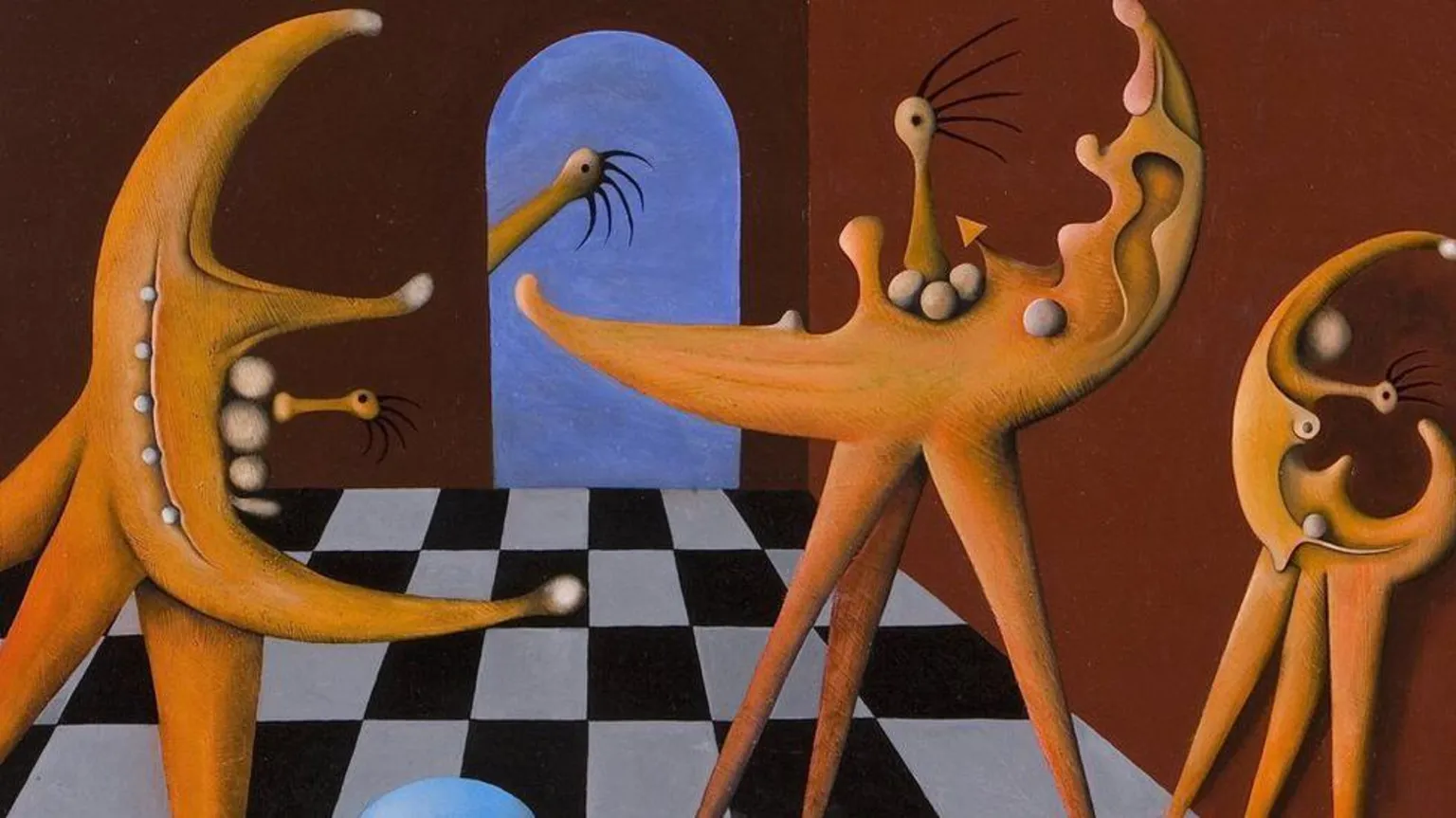
Morris expanded into light entertainment with shows like The Animal Roadshow and Animal Country, co-hosted with Sarah Kennedy.
He exhibited paintings in London, Amsterdam, and Brussels, and authored popular books on observing babies and cats.
The TV company Endemol approached him with the concept for the reality series Big Brother. Initially intrigued by observing human interactions on a large scale, Morris declined due to the show's game-show format.
A "Personal View" on Human Nature
In 1994, nearly 30 years after The Naked Ape, Morris produced the television series The Human Animal.
Filmed in exotic locations, it showcased diverse customs and suggested common biological roots.
The BBC added a disclaimer to the title, indicating the content was "a personal view" rather than mainstream science.
At the end of the first episode, Morris addressed critics directly:
"I've sometimes been accused of degrading mankind, or insulting human dignity, of making man beastly," he said. "This surprised me because I like animals and I feel proud to call myself one. I've never looked down upon them, so to call human beings animals is not, to me, degrading."
Criticism extended beyond this point.
Many disputed his claim that only men left the cave to hunt, acquiring "risk-taking" genes that made them better at business and art than women.
While some scientists found his work inspiring, others, like writer Adam Rutherford, dismissed it as "salacious guesswork and erotic fantasy."
Rutherford argued that although men might find breasts attractive, that did not define their purpose.
Scientific knowledge has advanced considerably since 1967, particularly in genetics.
When invited to update The Naked Ape, Morris only revised the Earth's population from three billion to six billion, leaving the rest unchanged.
Legacy
Despite controversies, Desmond Morris is remembered as a remarkable popularizer of science who helped place humans within the natural world.


