

Remembering Marylyn and the Aberfan Disaster
This story contains upsetting details that some may find distressing.
In her school exercise book, 10-year-old Marylyn Minett had been documenting significant events of the 1960s, including a rocket launch, a volcanic eruption, and a shopping trip to Merthyr Tydfil with her auntie Pam.
"This is not news," her teacher noted in the margin of her book.
Weeks later, Marylyn and her teacher became victims of a tragic event that captured global attention: the collapse of a colliery spoil tip that slid down a mountain, engulfing the village's primary school and nearby houses.
The disaster, which occurred on 21 October 1966, claimed the lives of 116 children and 28 adults, leaving a profound impact on Wales.
As the 60th anniversary approaches, Marylyn's family has donated her school books to Amgueddfa Cymru, Wales's national museum. These books are part of a collection of items preserved to tell the stories of those who perished in the tragedy.
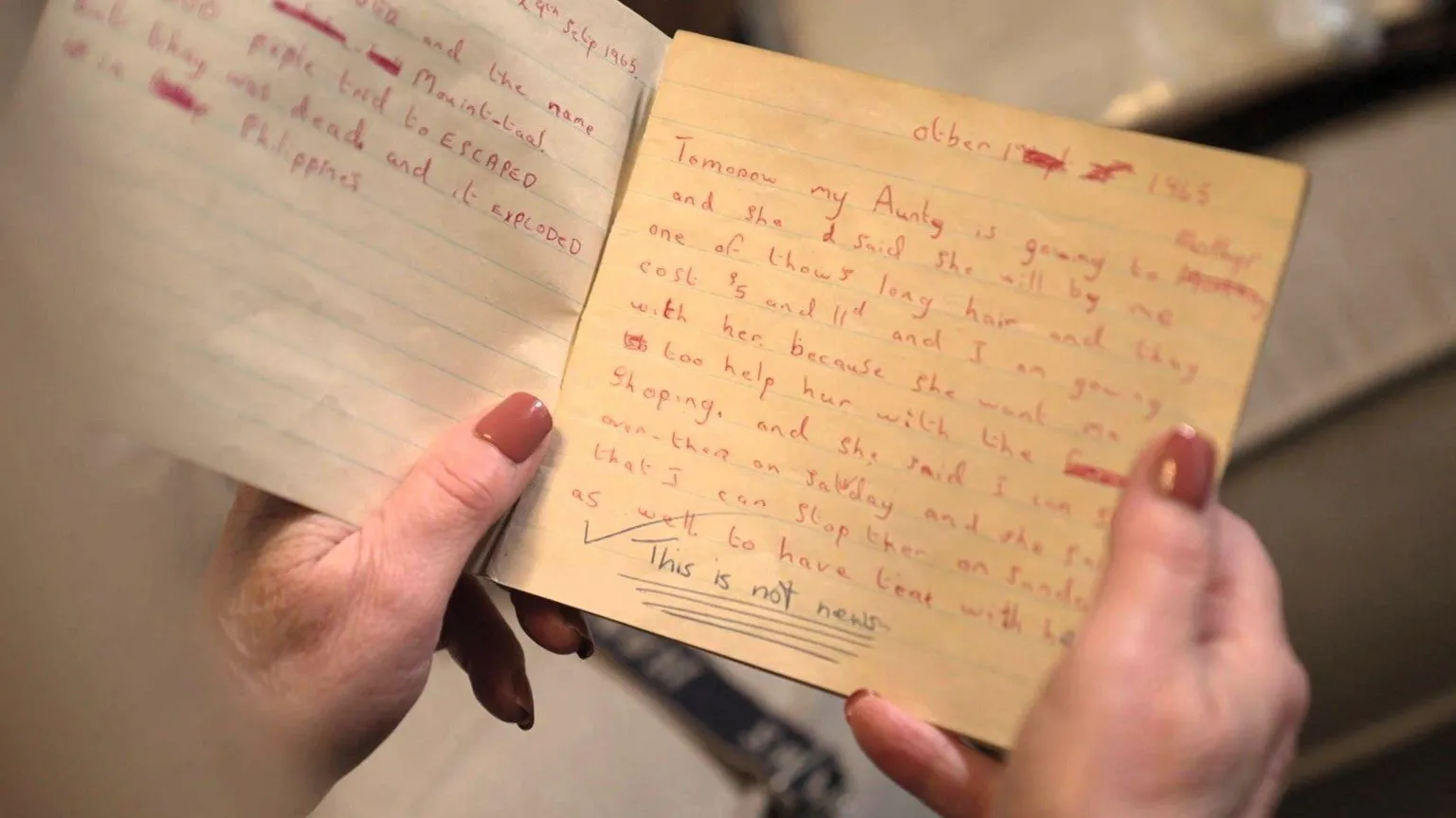
Marylyn's sister, Gaynor Madgwick, emphasized the importance of these personal belongings in remembering the victims.
"Each of these things shows who they were," Gaynor said.
Alongside Marylyn's books, the family is also donating items that belonged to their younger brother, Carl, who was seven years old when he died alongside Marylyn.
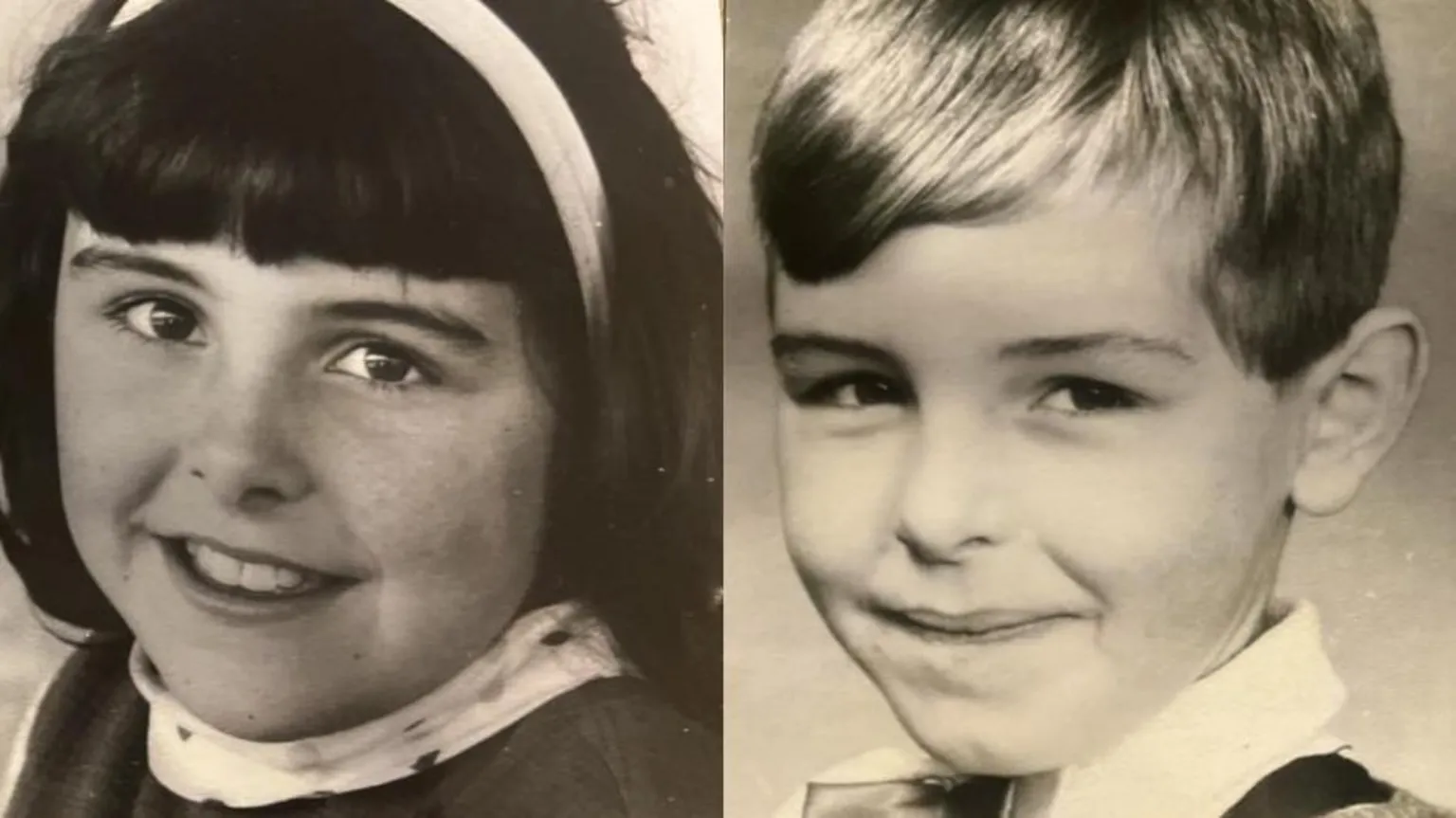
"They weren't just names in a list, they were children with personalities, with lives, with things they loved," Gaynor explained.
Among the items to be entrusted to Amgueddfa Cymru are Carl's football and the belt he regularly wore with his jeans.
The family also decided to donate a recently discovered dress believed to have belonged to Marylyn. This dress was found in 2025, wrapped in paper and hidden inside the kitchen wall of their former family home.
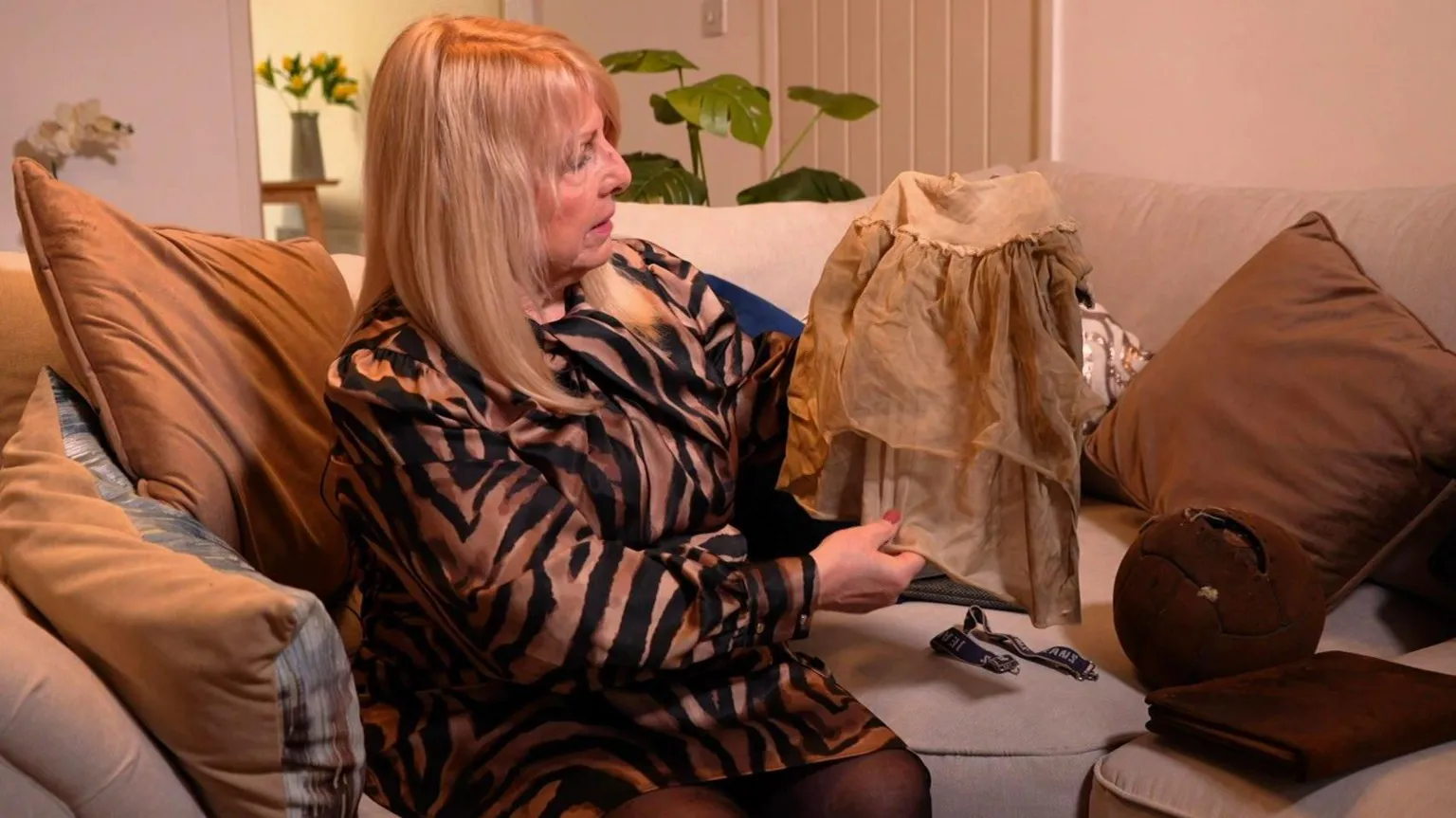
Their father, Cliff Minett, was constructing the bungalow at the time of the disaster. By concealing Marylyn's dress within the walls, he sought to preserve a part of her, symbolically keeping her memory alive within the home.
"Preserving Marylyn, wanting something to last forever," Gaynor said, adding that their father’s act was a way of coping with the tragedy and keeping Marylyn close.
"It's the same as these [school] books, Carl's belt, the football. They will be preserved forever."
The donated items will initially be housed at the museum's collection centre in Nantgarw, where they will be preserved, made available for research, and potentially prepared for public display.
"People want to see, people want to touch.
Because when you touch something that belonged to a child, it makes their story real," Gaynor said.
The Bunford Family Bible: A Surviving Relic
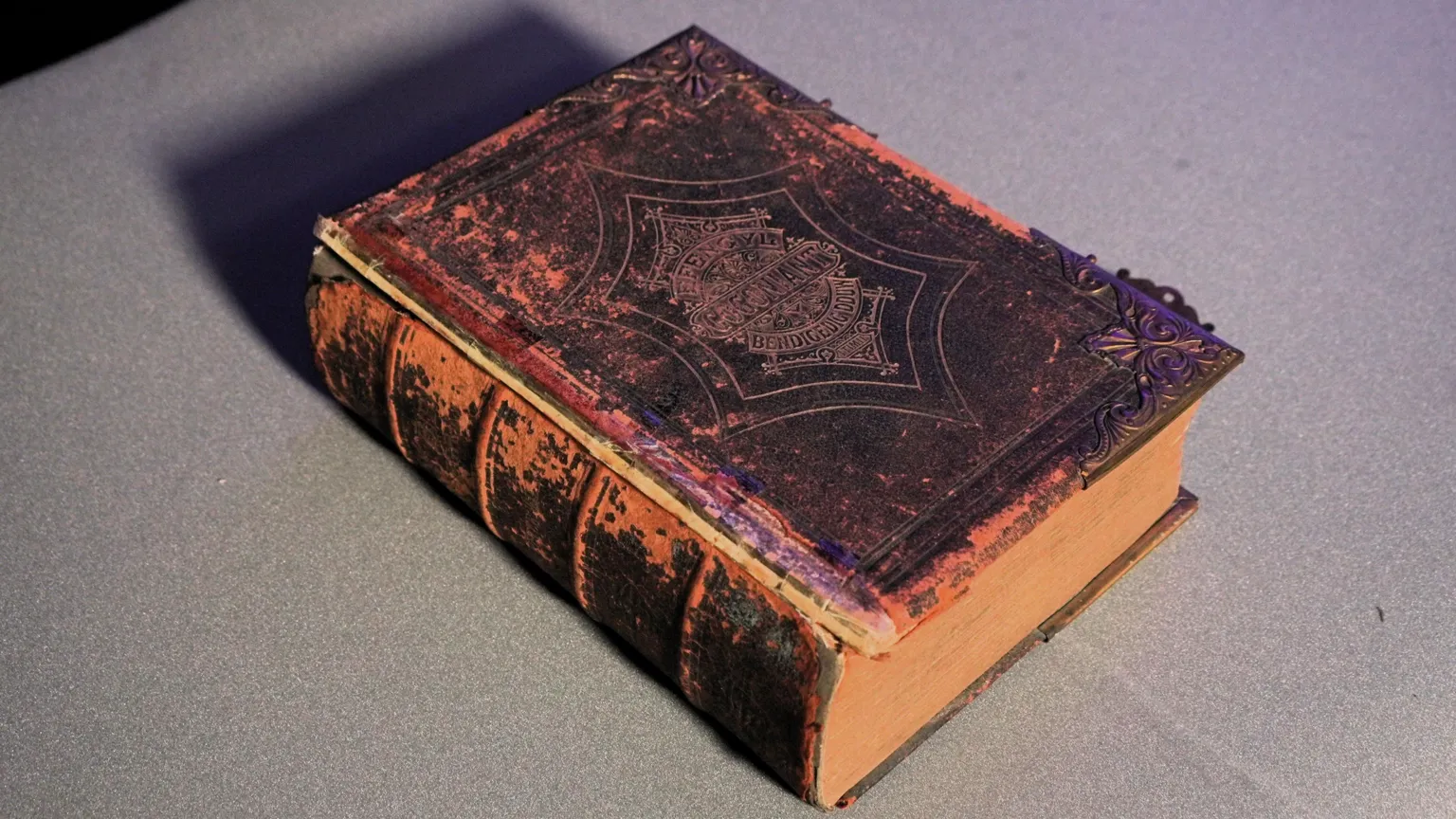
Among the poignant artefacts recovered from Aberfan was a Welsh language Bible that belonged to Cliff and Anne Bunford.
The Bunfords, residents of Cardiff, owned a house on Moy Road in Aberfan that was rented to a young family at the time of the disaster.
When the disaster struck, the couple traveled to the village and witnessed the devastation firsthand.
Police permitted Cliff to enter the restricted area, where he discovered that the house had been destroyed by the slurry.

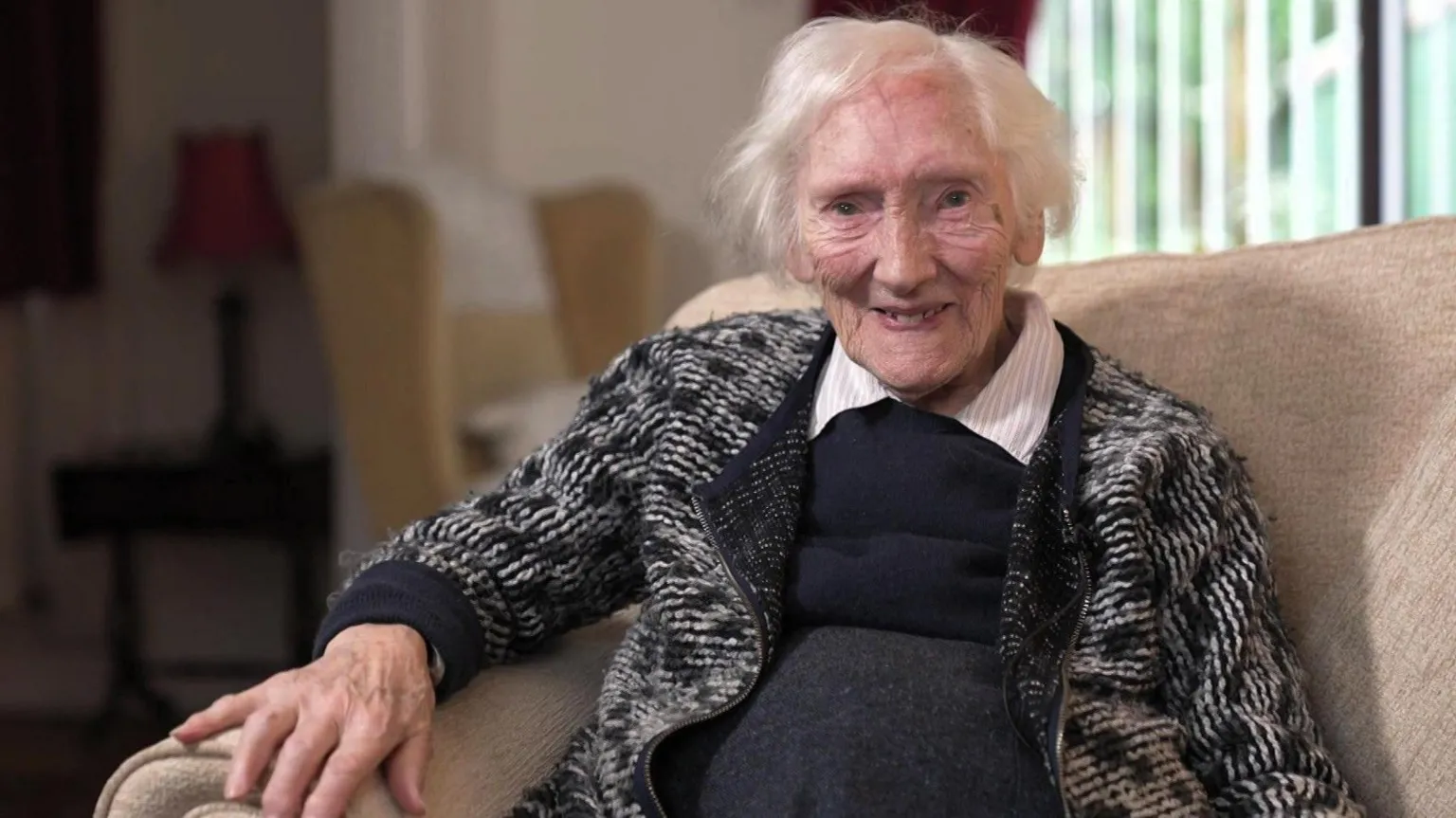
"When he came back to the car, he was in tears," Anne, now 92, recalled, adding that Cliff urged her to see the site for herself.
"The house wasn't there, it was just bits of bricks and a chimney."
The young mother and baby who lived there had been killed in the disaster.
"[Cliff] said to me 'the husband's gone to work and when he comes back there's nothing'," Anne said.
In the days following, Cliff returned to the site and climbed the heap of slurry. Among the splintered furniture and ruined papers, one item remained intact.
"The Bible was whole, stuck at the top," Anne said.
"Other things were broken up... but the Bible was whole."
The Bible had belonged to Cliff's father, who had inscribed family names inside its pages and would gather his children every Sunday after lunch to read a chapter aloud.
Anne remembers her husband's reaction upon finding the Bible.
"It sounds sentimental, but he said: 'dad had the last word'."
For decades, the Bible remained in the family's music room in Cardiff. Anne refrained from drawing attention to it, as it evoked painful memories for Cliff.
After Cliff's death in 2018, Anne donated the Bible to the museum, recognizing it as one of the few items to survive the disaster intact.
"It should be somewhere for other people... as a memory of the terrible disaster," Anne said.
Expanding the Aberfan Collection
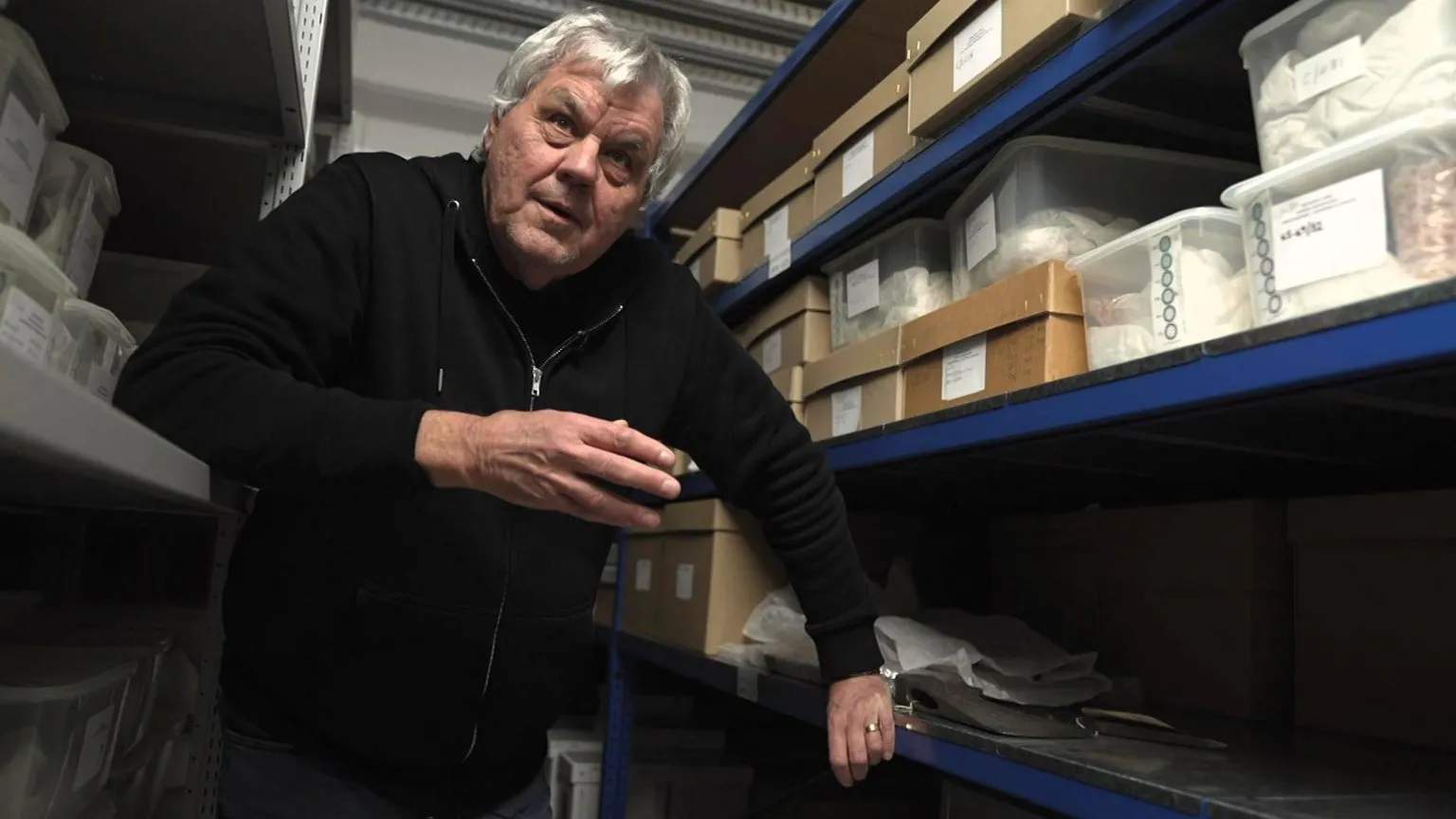
Ceri Thompson, curator at Amgueddfa Cymru, oversees the Aberfan collection, which has expanded significantly in recent years.
"Up until five or six years ago, there wasn't anything 3D," Thompson explained.
"We had the reports and the paperwork, but actual items from the disaster simply weren't there."
For a long time, tangible objects to tell the story of the victims were lacking. This changed in 2019 when a rusted school clock, stopped at 09:13—the time of the disaster—was discovered in a wardrobe and sent to St Fagan's for conservation.
Thompson believes this discovery encouraged other families to consider the future of items they had kept for decades.
"People start asking themselves what will happen when they go," he said.
"Is something going to end up stuck in a drawer or thrown away?
Donating means the story is preserved."
The museum provides appropriate conditions to preserve these donations and already holds a significant number of such items.
Among them is a bundle of letters from a school in California, discovered a few years ago in an attic in Rhydyfelin near Pontypridd. These letters illustrate the global impact of the disaster.
Children at Madrone Elementary School in Santa Rosa, California, wrote notes of sympathy to pupils at Pantglas Junior School after hearing the news.
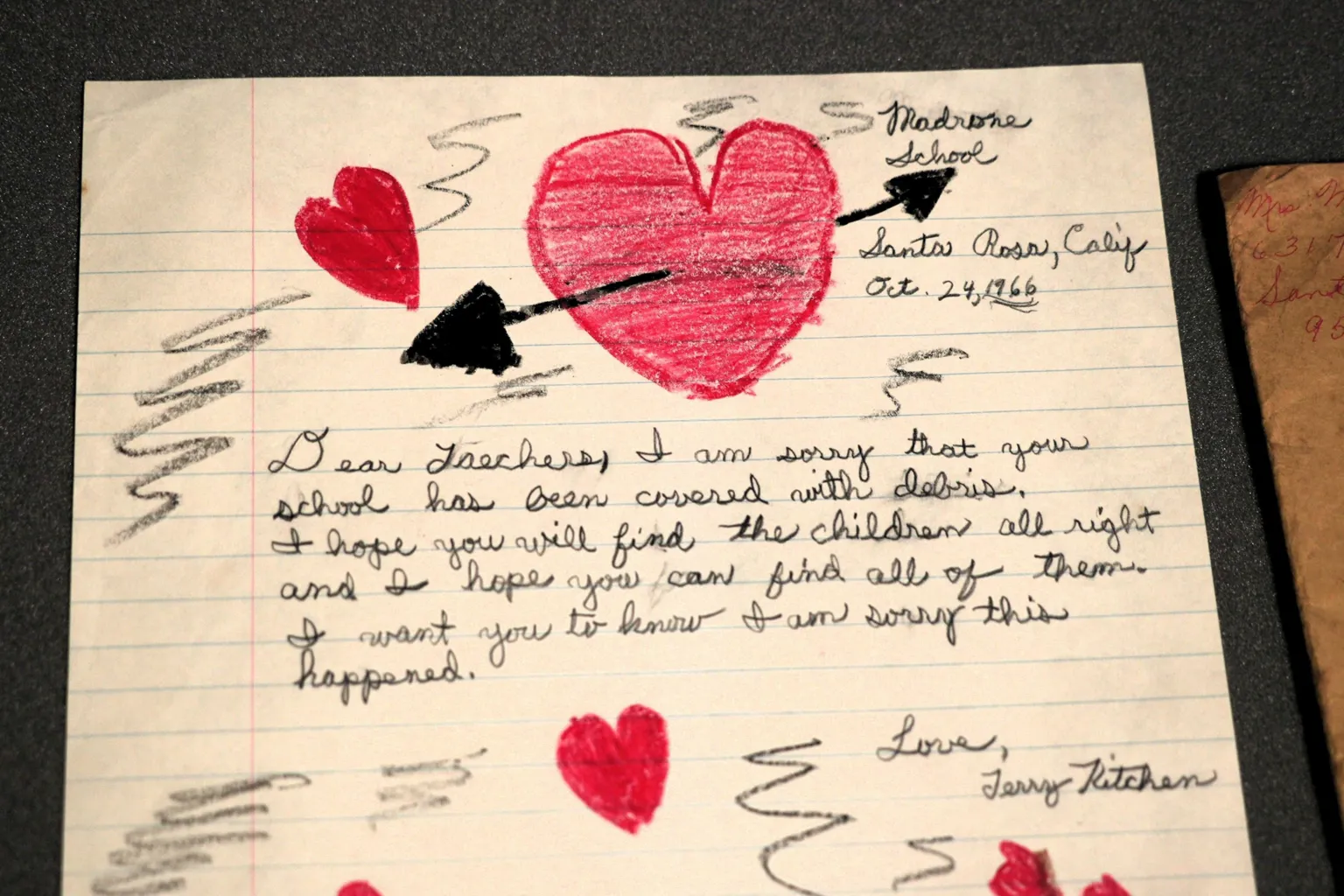
"I'm very sad that avalanche covered the school," one child wrote, addressing a teacher who had already died.
Another child, who decorated her message with flowers, wrote: "I wish that I could help you."
In a cover letter dated three days after the disaster, the American teacher expressed:
"Please convey to your children's parents our heartfelt feelings of compassion."
Other items in the museum's collection include a doll belonging to a girl who died in the disaster and delicate white gloves worn by a young bridesmaid a week before she was killed.
These objects collectively build a vivid picture of a community devastated by tragedy and profoundly affected for generations.
Thompson emphasizes the importance of remembering the victims as individuals rather than statistics.
"The answer I've always had from families is that they want the objects to give life to the person who was lost.
We remember for the community."


