

Natural History Museum Tops UK Attraction List
London’s Natural History Museum (NHM) emerged as the most visited attraction in the UK during 2025, achieving record-breaking visitor numbers. The museum’s renovated gardens, new exhibitions, and free entry contributed to this success, attracting over 7.1 million visitors—a 13% increase compared to the previous year and the highest attendance ever recorded for any UK museum or gallery.
Bernard Donoghue, director of the Association for Leading Visitor Attractions (Alva), which compiles the annual rankings, attributed part of the NHM’s popularity to its upgraded outdoor spaces.
“It’s an astonishingly fun, joyful day out and it’s free,” Donoghue said. “Even in a cost of living crisis, it’s clear that the last thing that people are prepared to sacrifice are day visits and spending special time with special people in special places.”
The NHM’s Fixing Our Broken Planet gallery, which addresses solutions to the climate crisis and attracted more than 2 million visitors, also played a significant role in the museum’s third consecutive year of visitor growth.
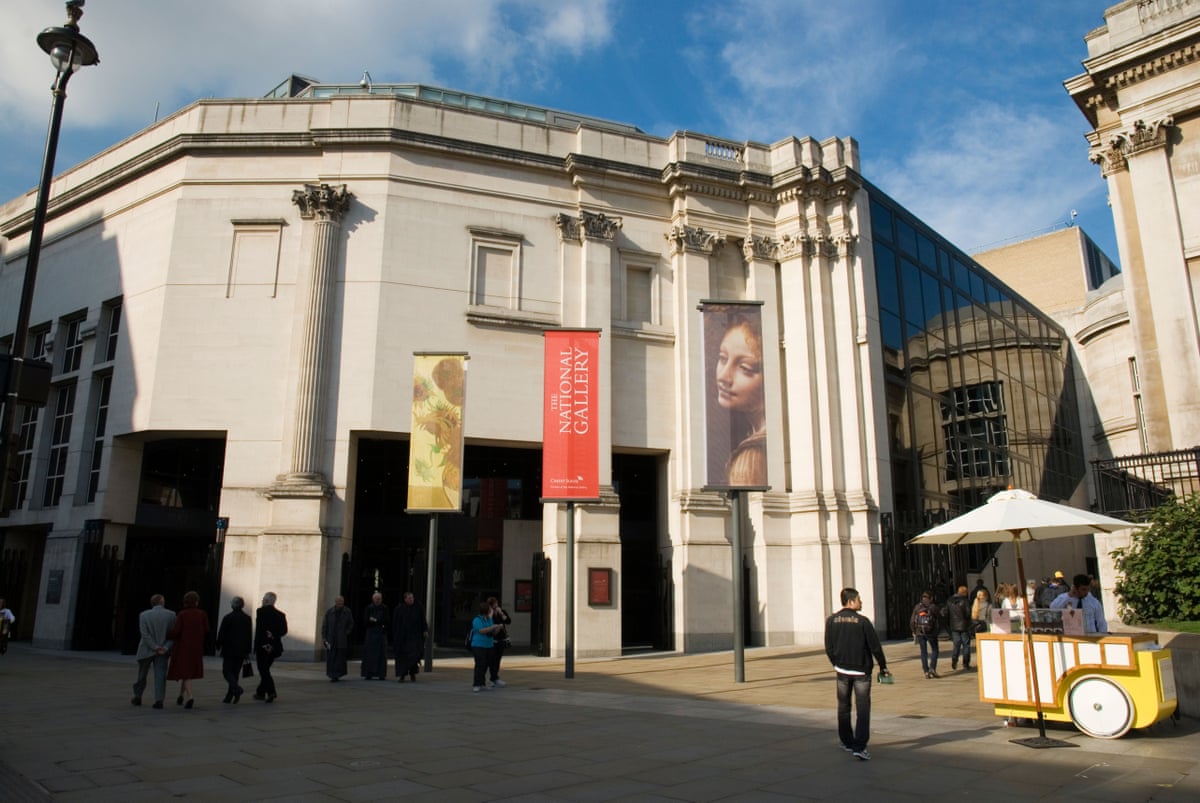
The British Museum ranked second with 6.4 million visits, followed by the Crown Estate in Windsor with 4.9 million, the Victoria and Albert Museum (V&A) with 4.5 million, and the National Gallery with 4.1 million visitors, completing the top five.

However, aside from the National Gallery—which reopened the Sainsbury Wing after a two-year renovation and introduced new displays—the other leading institutions experienced slight declines in visitor numbers compared with the previous year. Most of the top ten attractions have yet to return to their pre-pandemic attendance levels from 2019, a year marked by a strong economy and high tourism.
Donoghue described the modest growth in visitor numbers as consistent with the financial challenges many institutions faced during the past year amid the cost of living crisis. He noted that many organizations have been adapting to government policies that increased financial pressures, including higher national insurance contributions and an increased minimum wage.
“All of that was unplanned and hit in April of last year. So they found last year financially really tough. A lot of my members went through redundancies and restructuring programmes … It’s been a really tough operating environment.”
The difficulty in regaining 2019 visitor numbers is partly due to some international tourists not returning to the UK post-Covid. Alva highlighted Chinese visitors as a key group that has not fully returned, a trend Donoghue linked to the UK’s removal of tax-free shopping, which has made destinations like France, Spain, and Italy more attractive to Chinese tourists seeking to combine retail and cultural experiences.
“In Italy, they’ve got back somewhere in the region of 120% of the Chinese visitors that they had in 2019; we’ve got back to 81%,” he said. “We are not as internationally competitive or attractive to the Chinese market.”
Donoghue urged the government to consider reducing VAT on visitor attractions, reinstating tax-free shopping, and ensuring that any proposed tourism tax is ringfenced so that revenues are reinvested into culture and tourism.
Looking ahead, there is optimism within the arts sector that visitor numbers will increase in 2026, supported by several major openings and new attractions planned, including the opening of the V&A East, the new London Museum, and the Museum of Youth Culture.


