Friendships, fishing and community clean-ups: the unseen kindness of life on the Bibby Stockholm barge
The Bibby Stockholm barge, moored off Portland, Dorset, was used to accommodate asylum seekers and attracted considerable negative media attention. Reports included an evacuation following the discovery of asbestos, the suicide of an Albanian asylum seeker, and protests by far-right groups.
However, a new exhibition launching this week highlights a less publicized aspect of life on the barge: the lasting connections formed between the asylum seekers and the local community, which persist even after the last group of asylum seekers left in November 2024.
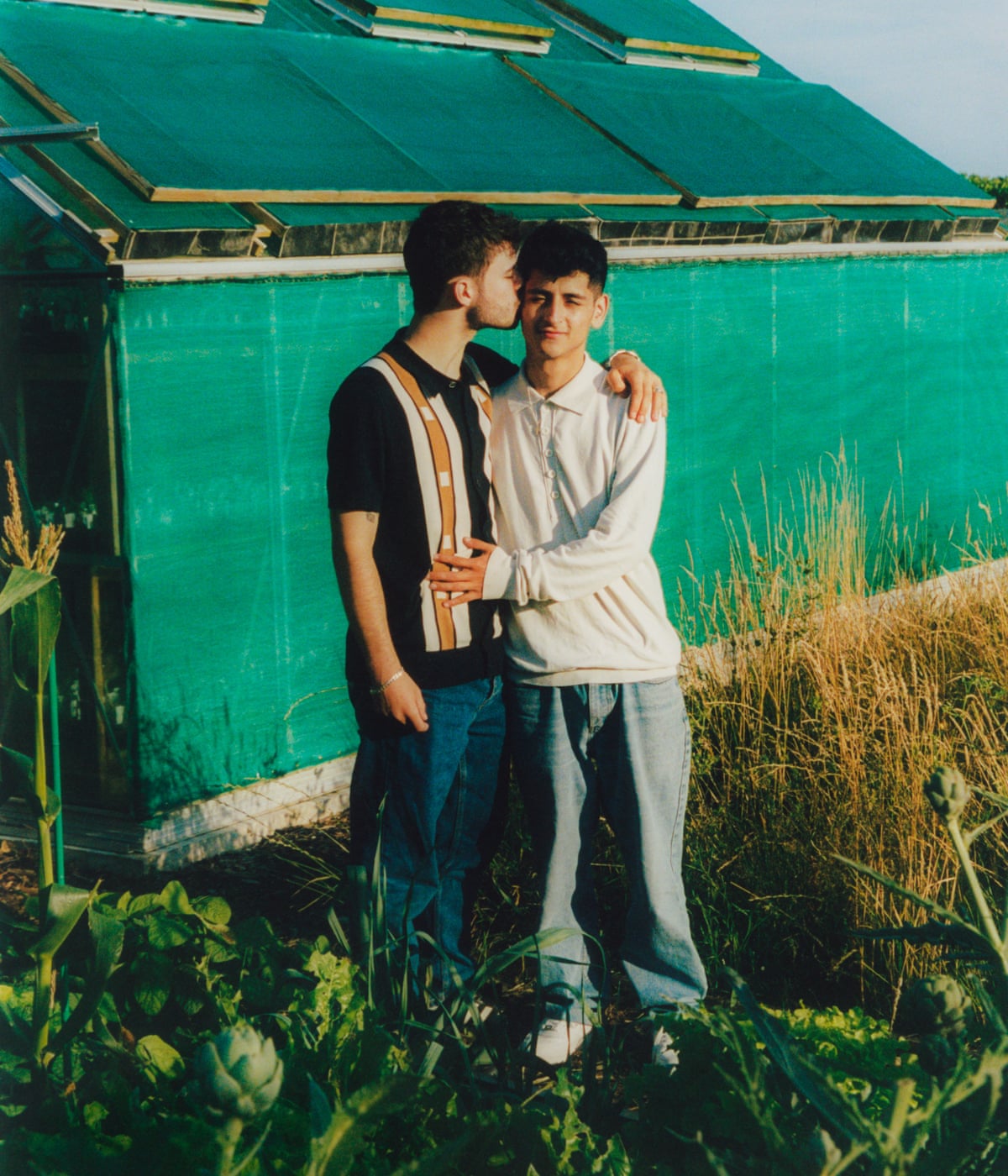
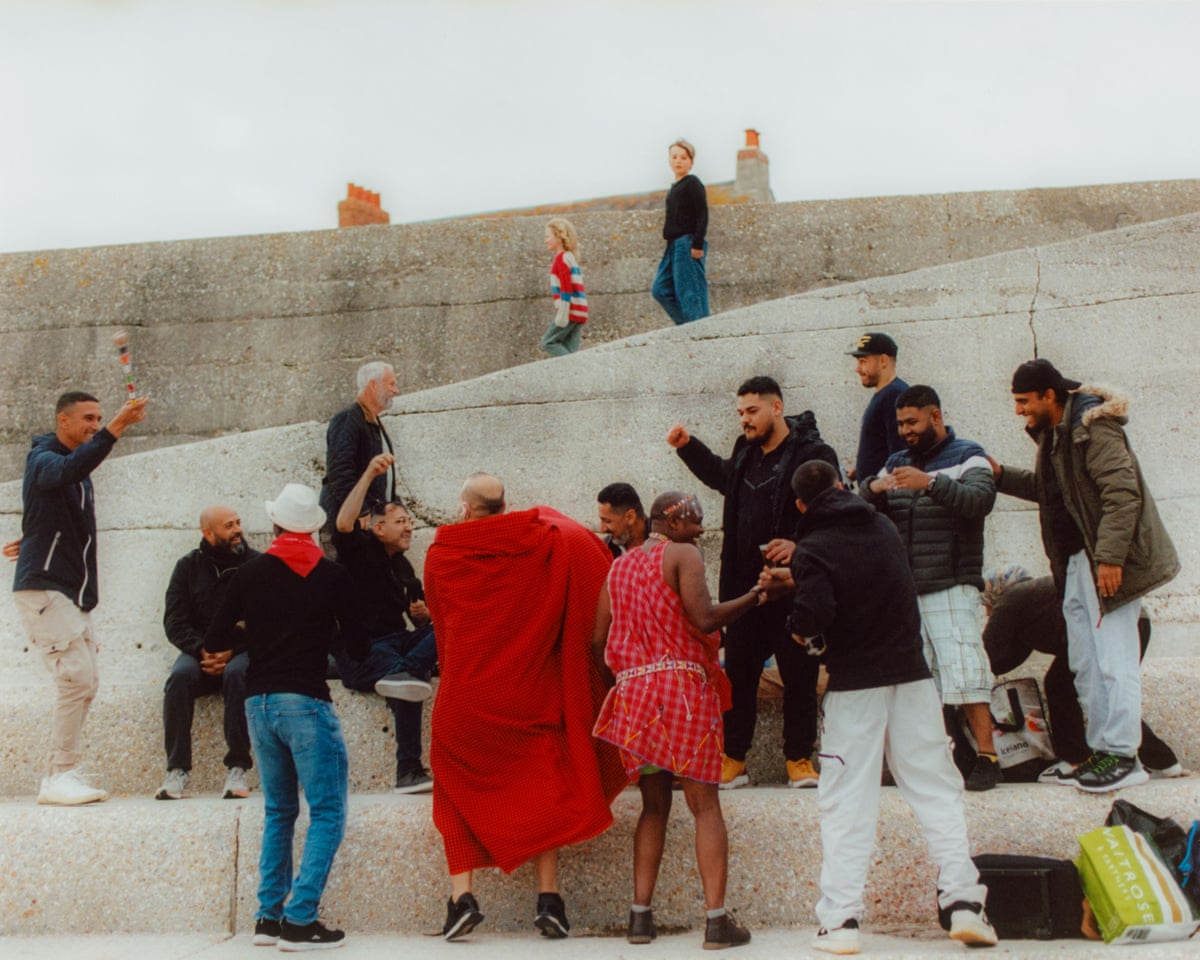
Bibby Boys, a photographic exhibition by Theo McInnes and Thomas Ralph, documents the intertwined lives of the men on the barge and the surrounding community. The photographers describe the work as a "testament to the men’s enduring spirit."
The barge began housing asylum seekers on 7 August 2023. Amnesty International criticized the accommodation as "reminiscent of the prison hulks of the Victorian era." Located on a remote peninsula connected to the mainland by a single road, the barge's placement emphasized a punitive atmosphere for the asylum seekers, who had no option but to live there. Both the previous and current UK governments faced pressure to end the use of "luxury" hotels for asylum seekers, prompting the use of the barge.
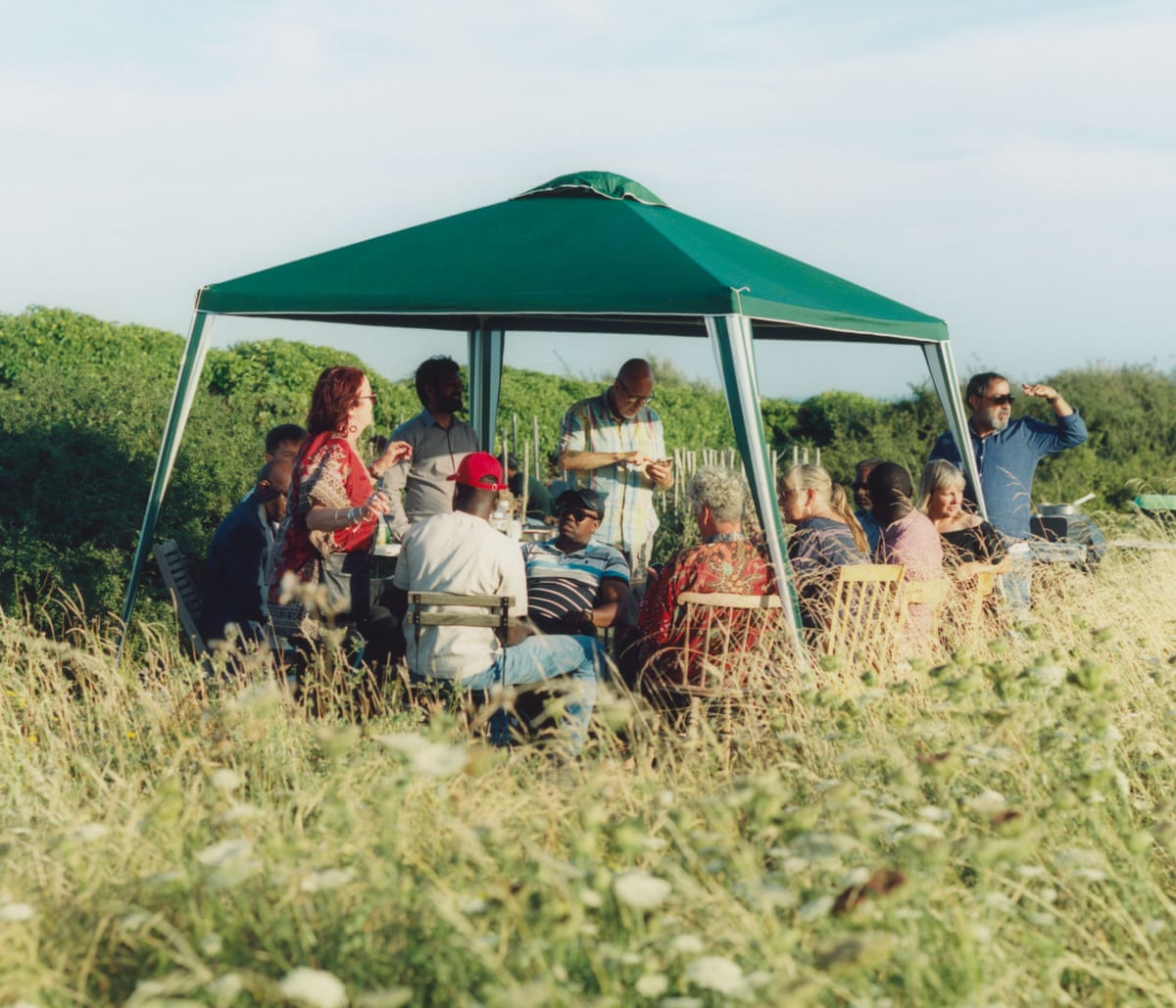
The presence of the barge divided the local community. Far-right activists from groups such as Patriotic Alternative traveled from other parts of the country to amplify tensions. In contrast, many local residents welcomed the asylum seekers with packs and flowers. They formed the Portland Global Friendship Group (PGFG), which changed Portland’s slogan from "Keeping Portland Weird" to "Keeping Portland Kind."
"We felt these are human beings on our island. We ought to be reaching out to them as we would to any stranger. It almost felt like a civil and moral humanitarian duty," said Giovanna Lewis, a member of PGFG and local councillor at the time. She also noted that anti-migrant activists targeted her, branding the group as "do-gooders" and "the welcome brigade."
PGFG organized various activities including running clubs, gardening projects, and community cleanups. Some of the men fished for mackerel and cooked their catch on the beach, sharing meals with others.
The asylum seekers were moved onto the barge during a period when the previous Conservative government threatened to send many to Rwanda, a policy later cancelled by the Labour government. Some asylum seekers feared that the barge might be untethered while they slept, potentially taking them to Rwanda against their will.

Azad, an Iranian former resident of the barge who now has leave to remain in the UK and works as a forklift truck operator in Sheffield, reflected on his experience:
"The friendship group were like angels to us. The barge was a prison for us, a time in our lives when we were living in hell. I have promised that one day I will go back to Portland, not as an asylum seeker but as a tourist. The group saved our lives. Being with them was the only time we felt like we were living."
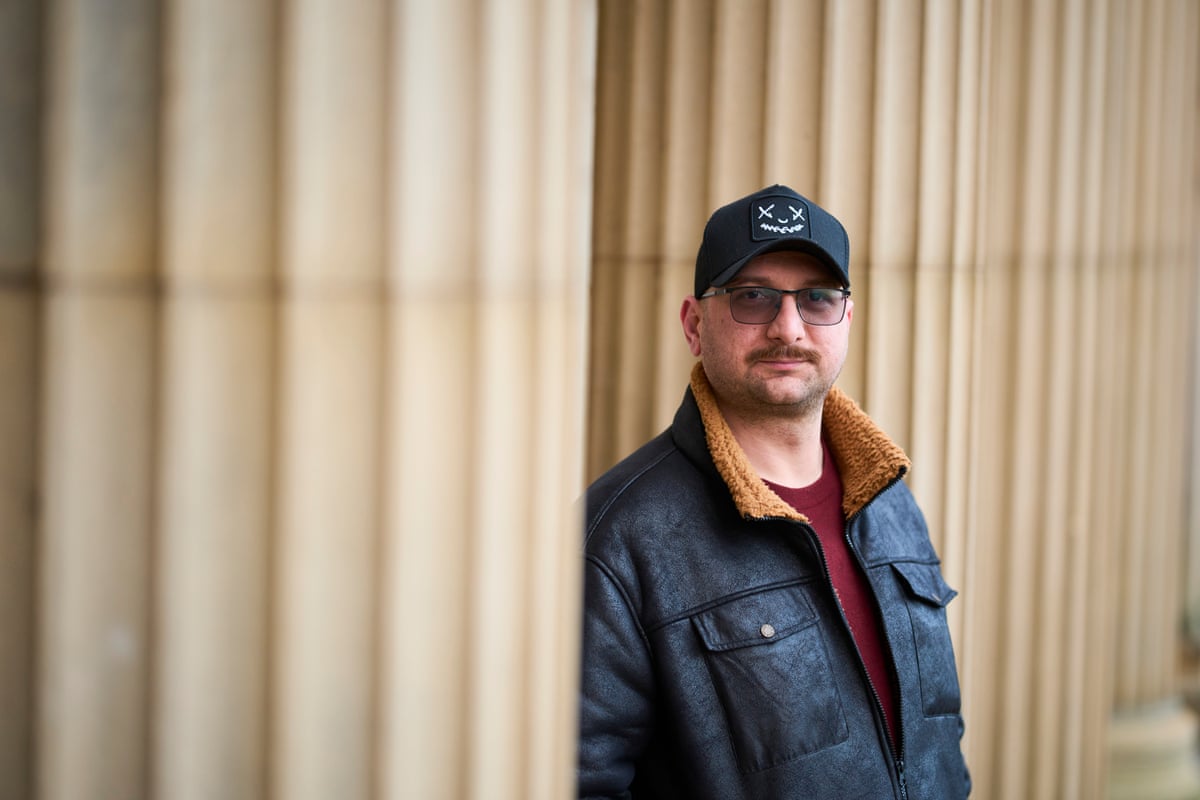
Balach, from Pakistan, who also has leave to remain and now lives in London, shared his perspective:
"I am now in my second year of working and paying my taxes. At the moment I’m working as a kitchen porter. I often ask myself why these amazing, special people, always supported us. They showed us so much positivity."
James, a Maasai from Kenya who fled persecution after opposing female genital mutilation, is still awaiting the outcome of his asylum appeal. He described life on the barge:
"The barge was a very difficult place to live. Lots of people suffered from stress and depression there. I joined the gardening group and was able to grow the same things I grew back home – tomatoes, potatoes and onions as well as beautiful flowers. The people from the friendship group welcomed us with good hearts."

Laney White of PGFG reflected on the initial public negativity:
"It was so dispiriting seeing all the negativity about the men on the barge at the beginning. For us it was a wholly positive experience. I remember some of the first group of men to arrive at the barge had carpentry skills, they took up the floorboards at the local church to replace some of the rotting wood underneath."
Lucy Hardwicke, another PGFG member, described the relationship between the group and the asylum seekers as a "fantastic community experience."
Giovanna Lewis concluded:
"If something like this happened again we would do it again."
Bibby Boys opens at Photofusion in Brixton, London, on 17 March and runs until 4 April. Admission is free.