

Discovery of Historic Shipwreck Treasure
Peter Hughes uncovered a vast collection of treasure lost in a shipwreck, now displayed publicly for the first time. The treasure originates from 1583, when a ship carrying valuable grain to Spain was caught in a violent storm, resulting in the loss of both the vessel and its payment on the return journey.
Hughes, aged 69, spent 21 years using a metal detector to recover hundreds of coins and artifacts after storms removed the sand concealing them on Margam Beach in Neath Port Talbot.
"When I lifted the coin from the sand, and the sand fell off the coin, it glowed like the sun in my hand," Hughes recalled of his initial find in 1996.
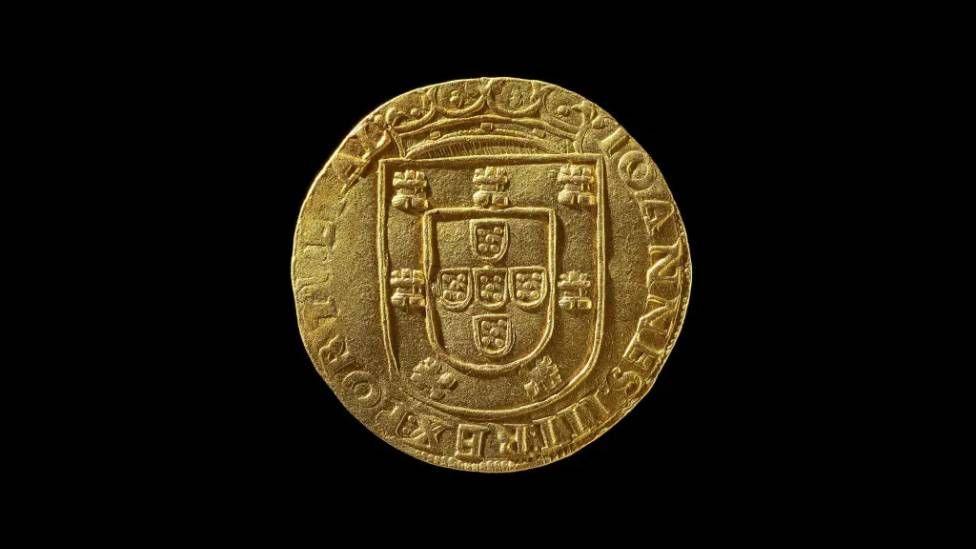
"I was overwhelmed, because I saw the figure of a saint holding a ship, Saint Vincent, and I thought it was a token at first. But when I turned it over and saw the shield of Portugal, then I knew it was a coin. I was overwhelmed with excitement, the thrill was unbelievable."
Details of the Treasure
Among Hughes' discoveries are several historical gold coins from the reign of Ferdinand and Isabella of Spain, including a Portuguese gold São Vicente coin struck between 1555 and 1557 during the reign of John III.
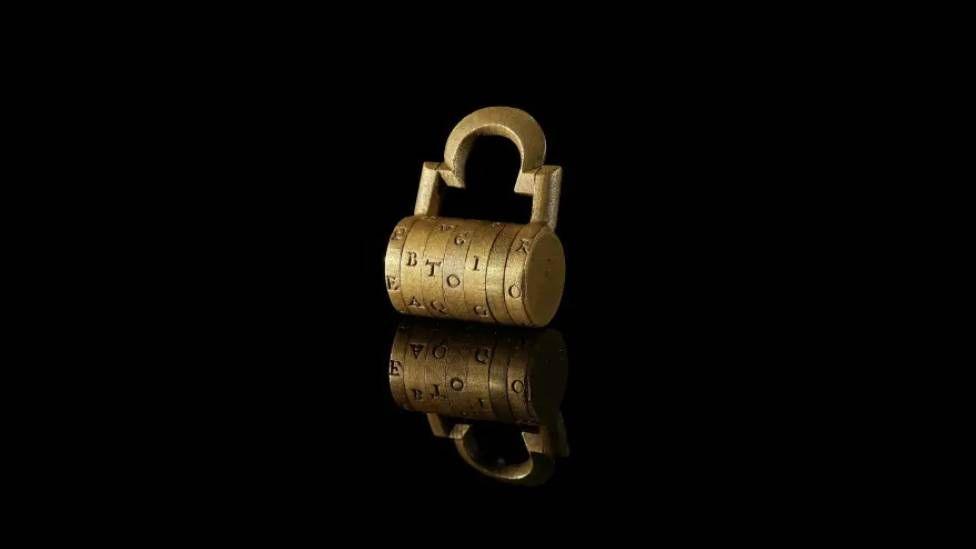
The collection also features a Boatswain's whistle and a brass combination lock from one of the wooden chests, with the lock's code still unknown.
The artifacts comprise approximately 870 gold and silver coins, personal items, and utensils used for cooking, eating, and drinking.
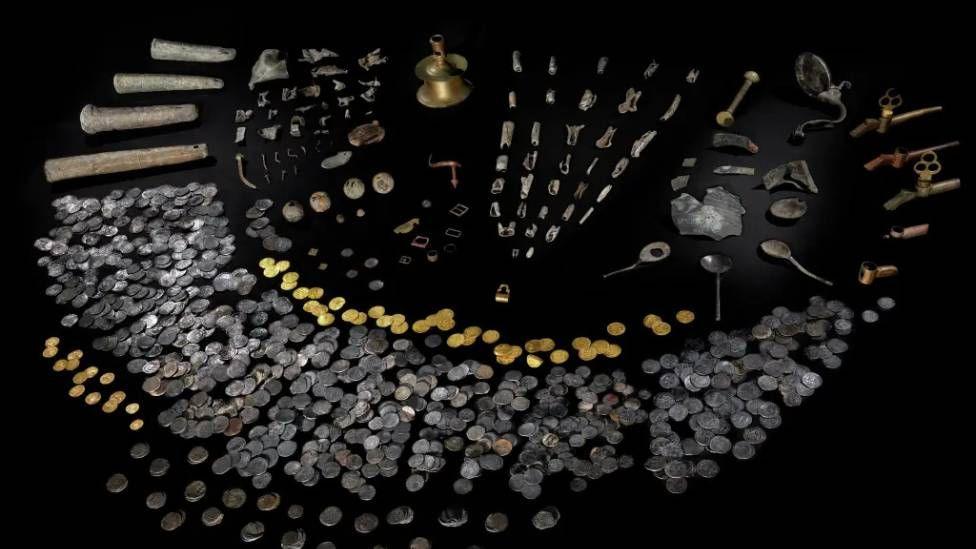
It is estimated that only about a quarter of the money aboard the Ann Francis ship, which sank during the storm on 28 December 1583, has been recovered.
Peter Hughes’ Experience and Contribution
Initially uncertain about the significance of his finds, Hughes contacted Amgueddfa Cymru (Museum Wales) to ensure the treasures were preserved for public benefit.
"The objects and the treasure belong to the people, and belonged to the heritage of Wales," Hughes stated.
"The Pirates of the Caribbean come to mind when I look at it," he added.

Hughes has visited Margam Beach over 1,000 times, dedicating thousands of hours to searching for the shipwreck’s treasure. He noted that most visits yielded no finds, requiring a high tolerance for disappointment and a persistent passion for discovery.
Exhibition and Preservation
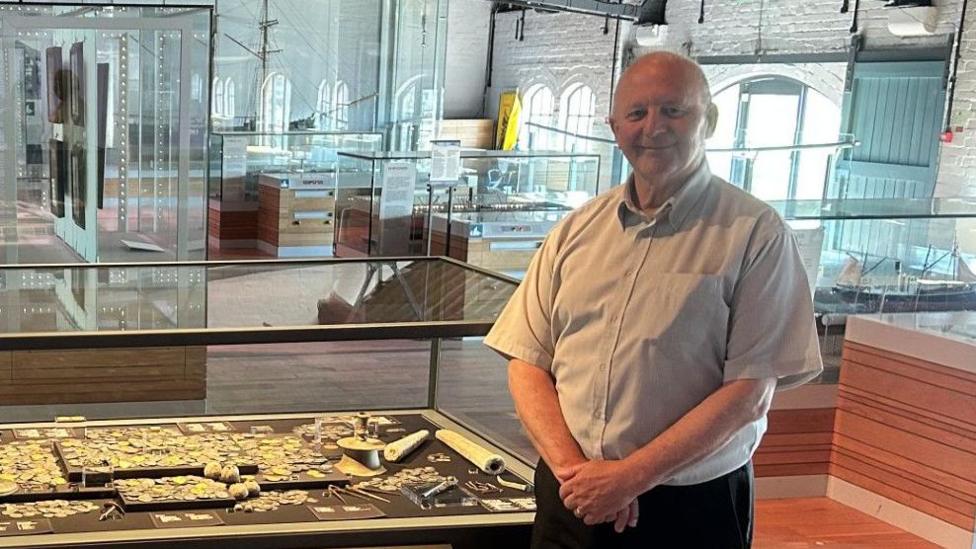
The treasure is now exhibited at the National Waterfront Museum in Swansea.
Amgueddfa Cymru has designated the beach as a protected site to safeguard any remaining shipwreck materials, prohibiting further searches.
"Not only are the coins and artefacts spectacular, but they are backed up by a wealth of contemporary records that bring together stories of sailors, looters, lords, a smuggler and even a woman accused of witchcraft," said Alistair Willis of the museum.
"These stories and the collection are fascinating, and it is wonderful that Amgueddfa Cymru has the opportunity to display them."
Willis also expressed hope that the exhibit would encourage other metal detectorists to report their discoveries.
Guidance on Discovering Treasure
Under the Treasure Act 1996, treasure has specific legal definitions. In Wales, any treasure found must be reported to a Finds Liaison Officer within 14 days of discovery or within 14 days of realizing the item might be treasure, even if it has been in possession for longer.
Only items legally defined as treasure require reporting. Failure to report can result in fines or imprisonment of up to three months. Different regulations apply in Scotland and Northern Ireland.
After reporting, a Finds Liaison Officer or museum curator will contact the finder to discuss the circumstances of the find. They will prepare a report, and a coroner will conduct an inquest.
The officer will assist in having the coins assessed by experts to determine if they meet the legal criteria for treasure under the Treasure Act 1996.
If a museum expresses interest in acquiring the treasure, the Treasure Valuation Committee will appoint an expert to value the find and recommend to the Secretary of State for the Department for Culture, Media and Sport the value and reward distribution.


