Ulster's Historic Connection to America Celebrated on 250th Fourth of July
More than two centuries and a half after the founding of the United States of America, the 250th anniversary of the Fourth of July is being commemorated on an unprecedented scale. These celebrations extend beyond the US borders, reaching Northern Ireland, where longstanding and profound connections between the two regions are being honored.
A diverse array of events including exhibitions, cultural showcases, and theatrical productions have been organized to mark this milestone.
Significance of Northern Ireland in America’s Founding
The US Declaration of Independence, signed on 4 July 1776, involved several key figures originating from what is now Northern Ireland. Due to these historical ties, Northern Ireland received formal recognition from the America250 Commission, granting it special status within the semiquincentennial celebrations.
Among those with Ulster roots were Charles Thompson from Maghera, County Londonderry, who contributed to drafting the Declaration; Thomas McKean, whose parents were from County Antrim and who signed the Declaration; and John Dunlap from Strabane, County Tyrone, who printed the first copies.
In January, the Department for Communities Minister, Gordon Lyons, announced funding exceeding £400,000 through the USANI250 scheme to support these commemorations.
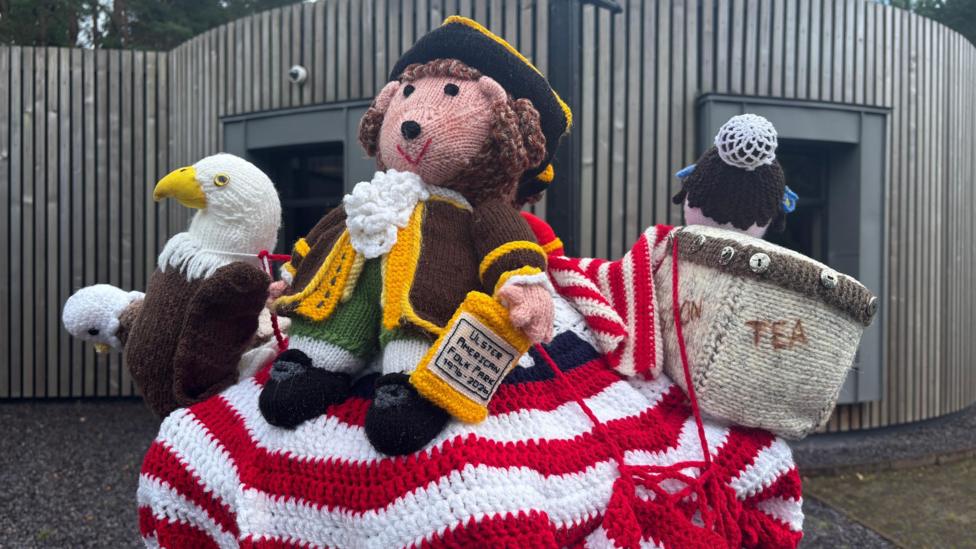
The Ulster American Folk Park in Omagh serves as a central venue, narrating the stories of Irish and Ulster-Scots emigrants and their impact on the United States. Notably, the park itself celebrates its 50th anniversary this year, having opened to commemorate the bicentenary of American independence.
Personal Journeys and Cultural Connections
Millions of Americans trace their ancestry back to Northern Ireland, often visiting to explore their heritage. Dylan Myres from California, for example, traced his family roots to Brackagh near Derry and visited the folk park to deepen his understanding of his ancestors’ journey and 19th-century rural Irish life.
"My own ancestors immigrated from Brackagh near Derry in 1878 to Pittsburgh, Pennsylvania," he said. "I want to learn more about the journey, more about rural Irish life in the 19th century, and just to soak up the history. It's fantastic."
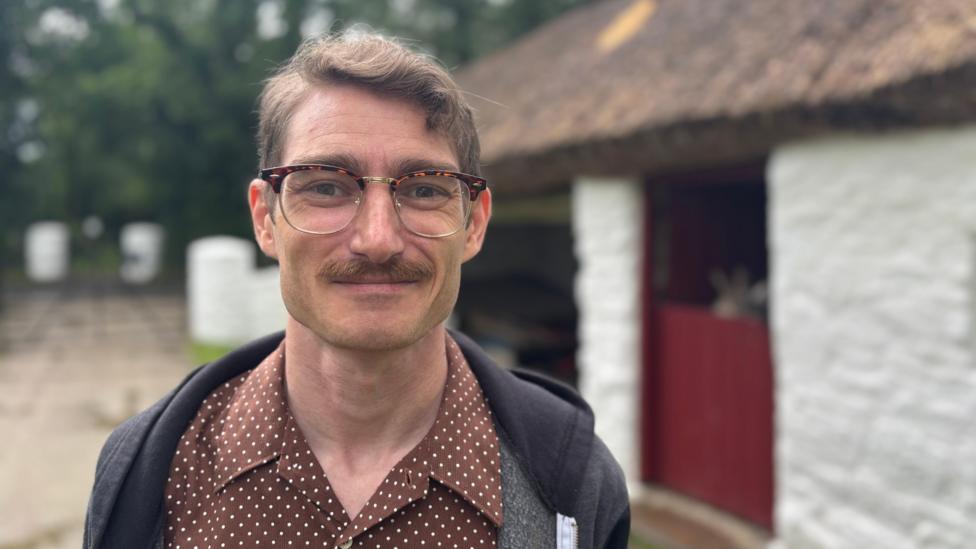
John Paul Coyle, general manager of the Ulster American Folk Park, highlighted the enduring cultural connection between Northern Ireland and the US.
"I think so many of us have had migration in our families each one of us has somebody who moved to GB or they've moved to Canada or to America or to Australia so it's a story that resonates with each and every one of us," he said. "I think that's what makes that connection so unique. Also, the cultural links from food and music and stories between ourselves and the United States is just so intrinsically linked."
The park attracts thousands of American visitors annually and has a comprehensive schedule of events planned for the America250 celebrations. While the official US festivities peak on 4 July, the folk park’s commemorations will continue through the end of August.
Local Theatrical Tribute to Ulster’s American Heritage
In County Down, a play titled Tha Lang Road Tae Liberty has been written by playwright Jonathan Burgess in collaboration with the Schomberg Society. The production explores Kilkeel’s connections to American independence by dramatizing the story of a family emigrating to the US in search of a better life.
Performed by 68 pupils from Kilkeel Primary School, the play features acting, singing, and storytelling to depict the Wilson family’s history through the ages. Directed by Rosie McClelland, the production is noted for its historical accuracy.
"The best thing that I found was doing the show is how the children have realised that it was a true story and how amazed they were that such influential people in history came from their own little town of Kilkeel," McClelland said.
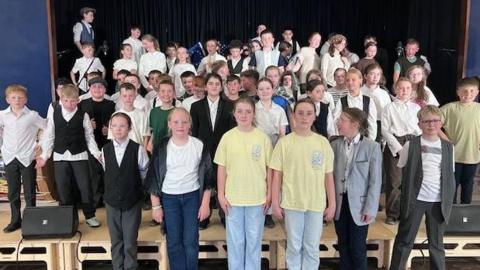
Among the audience was Lisa Guyselman from Carolina, whose ancestor Alexander Chesney was portrayed in the play. Chesney fought as a loyalist to the crown during the American War of Independence, representing the often overlooked loyalist perspective.
"The [American] loyalist side of the story is not told but what's amazing about American history is that it's also Ulster-Scots history," she said. "So I love that this programme is putting on both sides of the Ulster Scots debate."
Ms. Guyselman is the first in her family to visit Northern Ireland to explore her ancestry.
"It is such a blessing to be back here it's such a beautiful community and the preservation of the history here is so important to our family," she said. "These stories are incredible they link us across the ocean so this is really special."