Barbie's Diverse Career History
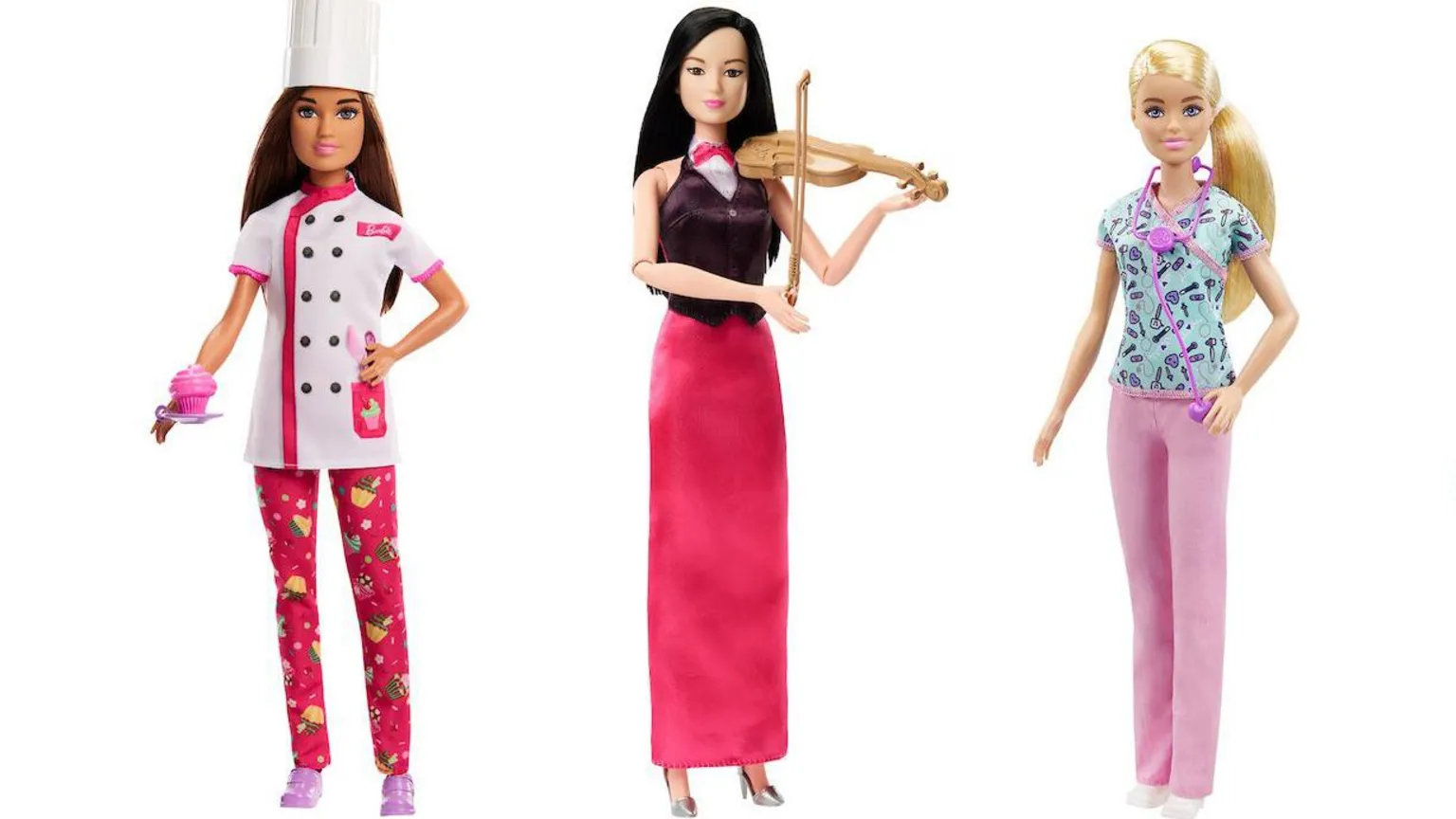
Barbara Millicent Roberts, widely known as Barbie, has held over 250 different jobs throughout her 67-year history. Her roles have ranged from astronaut and teacher to nurse and even presidential candidate.
Despite being only 29cm of moulded plastic, Barbie has exerted a significant influence on culture and design, as demonstrated by the first exhibition in Scotland dedicated to her.
Exhibition Origins and Curatorial Perspective
Danielle Thom, senior curator at The Design Museum in London, which is organizing the exhibition in Glasgow, initiated discussions with toy company Mattel in 2021.
"I wasn't a Barbie superfan, but I also wasn't a sceptic," she says.
"Regardless of how one feels about the history of Barbie, you cannot dispute that the doll and the brand has had this outsize impact on 20th and 21st century pop culture and that's what I wanted to explore in the exhibition."
Barbie's Debut and Design Intent
Barbie made her first appearance at the New York Toy Fair in 1959. One of the original dolls is featured as the opening exhibit at Kelvingrove Art Gallery and Museum. Characterized by blonde hair, long legs, and a swimsuit, she was designed to be displayed, with small holes in her feet allowing her to be secured on a stand.
Ruth Handler, co-creator of Barbie, based the doll on the toys her daughter played with and intended Barbie to be more than just a collectible.
"Doll play is so important for early childhood development for boys and girls alike and the way in which children play with dolls is critical to their early development of language, of social skills, of empathy for others," says Danielle.
"In the exhibition we look at the relationship between play and design, how the design of Barbie and the world of Barbie have impacted children's play but also how children's play has then impacted on the design of Barbie."
Evolution and Diversity in Barbie Dolls
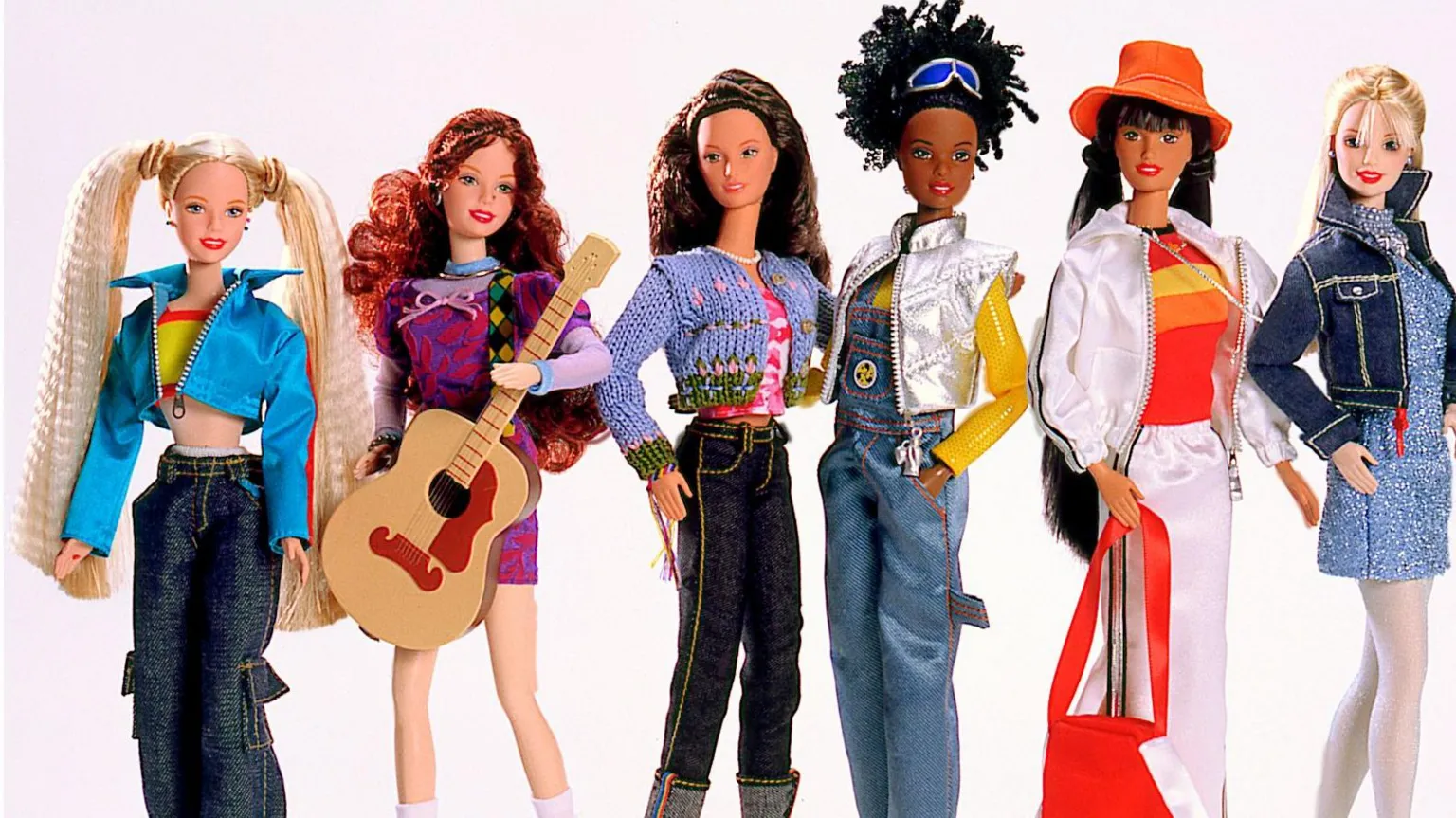
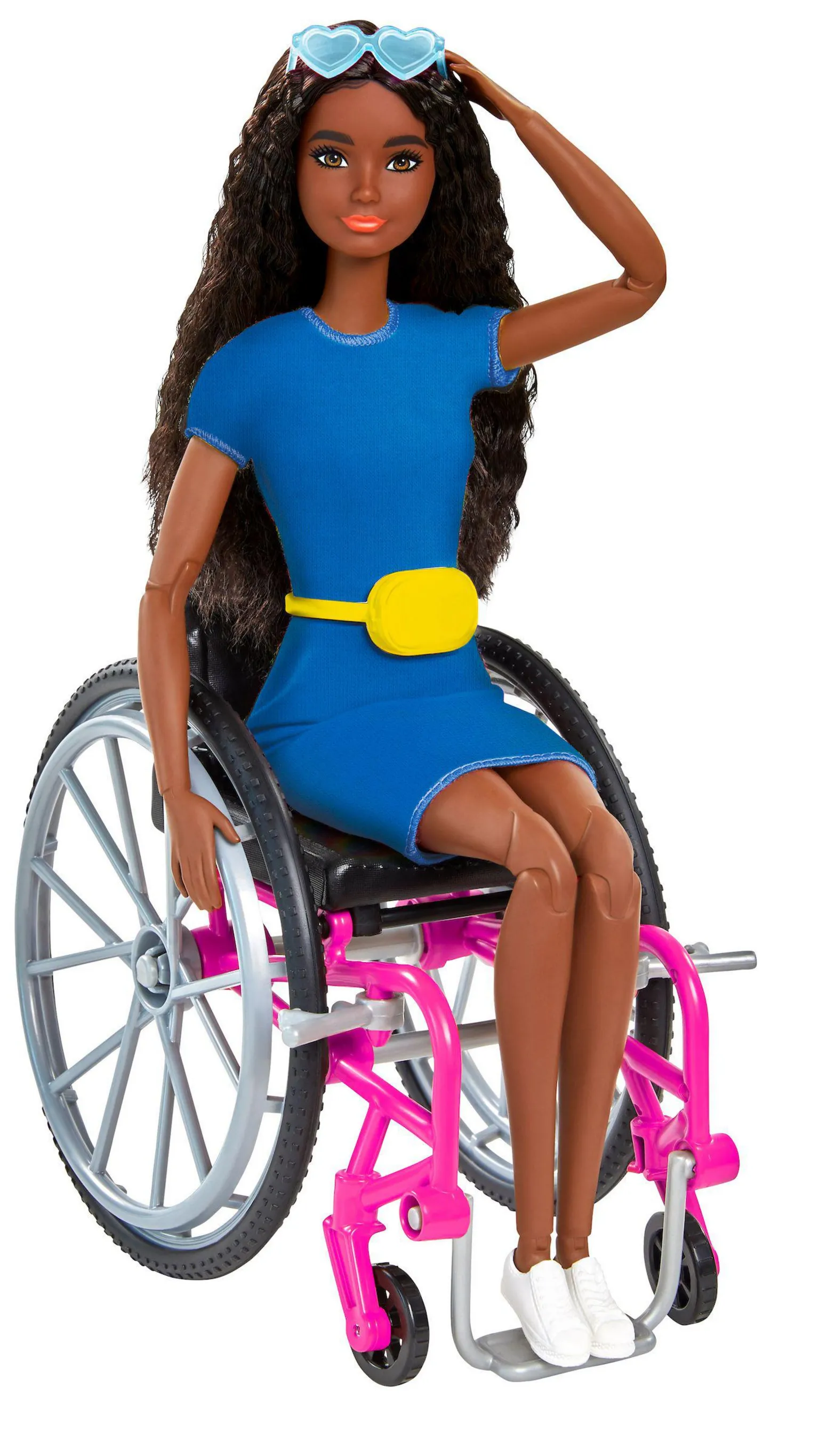
The exhibition at Kelvingrove illustrates how Barbie has evolved to better represent her audience. Currently, there are 35 different skin tones available, alongside a variety of diverse dolls.
In recent years, Mattel has introduced dolls featuring a hearing aid, a prosthetic limb, and a wheelchair. In 2023, they collaborated with the US National Down Syndrome Society to create a new model.
Fashion and Dream Houses
Fashion has always been a central aspect of Barbie's appeal, with interchangeable outfits encouraging repeat purchases rather than one-time buys.

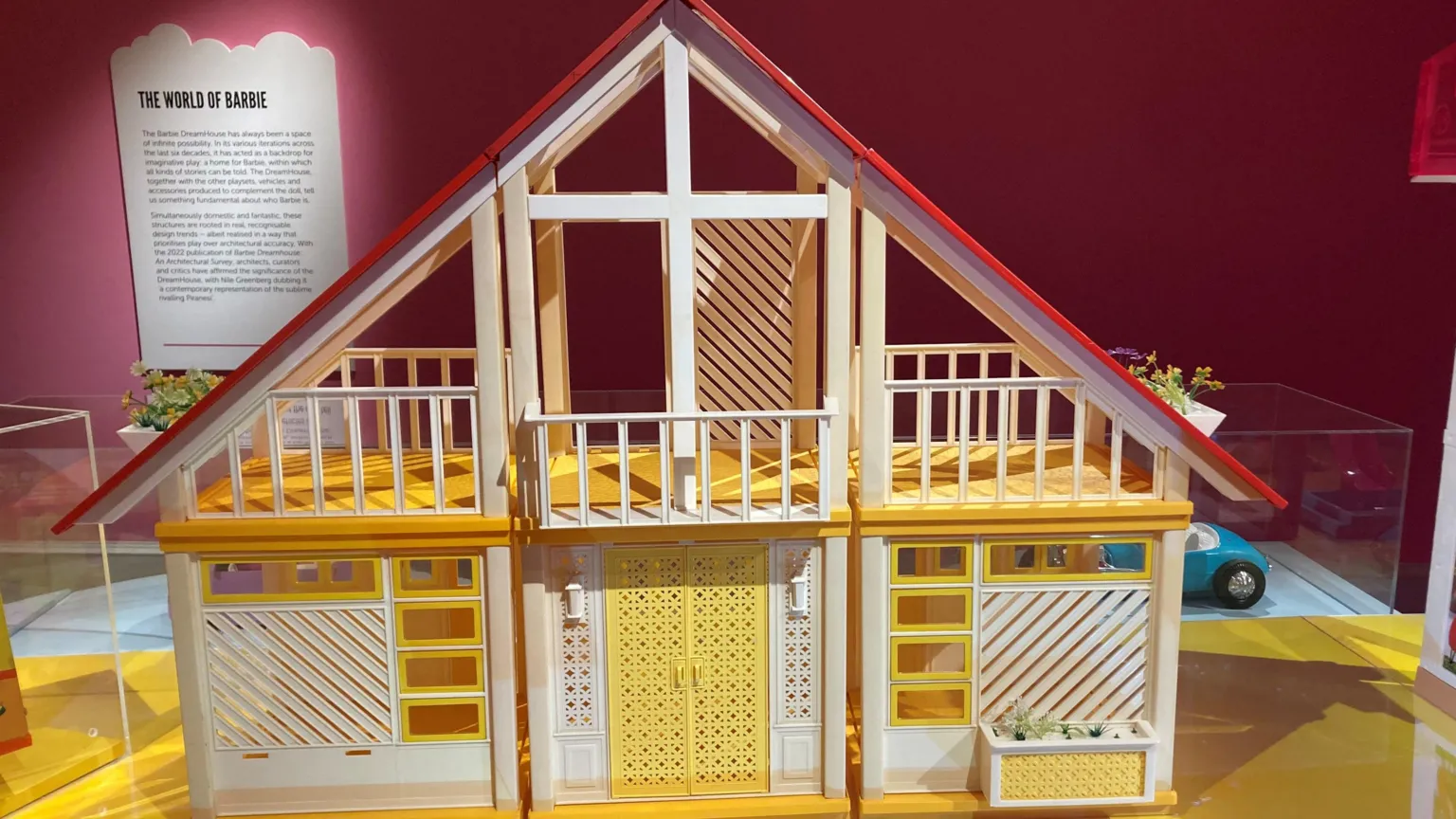
The exhibition also showcases a series of increasingly elaborate "dream houses," starting with Barbie's original bachelorette apartment launched in 1962. This modest, kitchen-free space with a single bed symbolized female independence during a time when young, single American women often could not obtain mortgages.
Another highlight is the 1978 A-frame dream house, which draws inspiration from the work of architect Frank Gehry. Gehry was a friend of Ruth Handler and her husband Elliot and designed a house for them in 1972, which was never constructed.
Career Opportunities and Cultural Impact
Barbie's career options have always been expansive. A board game launched in 1963 encouraged players to select a career for Barbie. Many of these careers were later developed into standalone dolls, including Astronaut Barbie, introduced in 1965, four years before the first human moon landing.
"Barbie is a mass produced object so she's progressive, not radical, but it has always pushed the idea of careers for girls and young women, going back to the late 50s and early 60s when that was by no means a given," says Danielle.
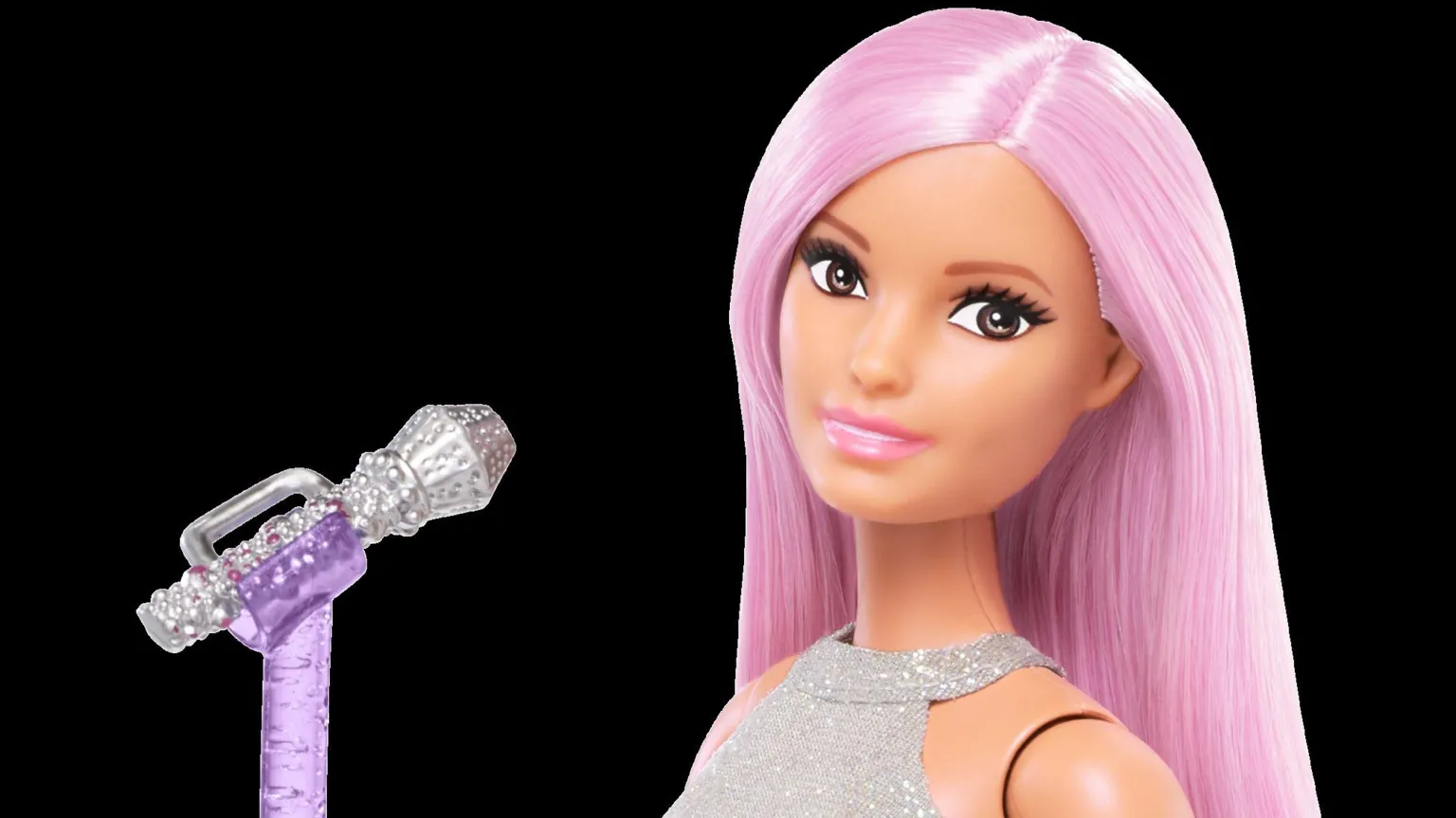
Danielle is cautious not to speak on behalf of Mattel but offers her perspective as an exhibition curator and mother of a five-year-old.
"I think it has opened up new horizons but I think ultimately the Barbie doll is a canvas onto which people can project their own aspirations and their own ideas about the world," Danielle explains.
"It's not solely something that tells children how to think or how to be."
Renewed Interest and Audience Appeal
The blockbuster film "Barbie," starring Margot Robbie, has revived public interest in the brand and its origins, expanding its appeal beyond the original target audience.
Jane Rowlands of Glasgow Life anticipates the exhibition will attract a broad audience in Scotland.
"Whether they want to reminisce about what they played with as a child or whether they're inspired by the film or want to explore design history or fashion history as it evolves in the 20th century into the 21st century, there is something to appeal to everyone," she says.
Barbie's Enduring Success and Future
Danielle Thom believes Barbie has consistently remained just ahead of trends in fashion and design, which will support her as she approaches her eighth decade.
"There are very few toy brands that have sustained themselves for as long as this one has and I think the success boils down to the fact that Mattel have generally been very good at presenting the doll at just the right point in a trend cycle," she says.
"She's aspirational but she's never too far ahead of the curve."
"I think there is a recognition today that doll play is important for children of all genders and as long as doll play is important I think they'll always be a place for Barbie."
The exhibition will be on display at Kelvingrove Art Gallery and Museum in Glasgow from Saturday until 18 October.