Honouring Britain's First Black School Teacher
Britain's first black school teacher, Tom Jenkins, is set to be honoured with a dedicated post box in his hometown. Despite initial rejections from Royal Mail in 2020 to include Jenkins in their black history tribute, local anti-racism campaigners in Hawick have commissioned their own commemorative pillar box, which will be installed outside the town's Heritage Hub later this year.
Royal Mail's 2020 black history tribute featured commemorative pillar boxes in Belfast, Cardiff, Glasgow, and London to celebrate prominent black Britons. However, requests to include Tom Jenkins were declined. Undeterred, the Hawick anti-racism group took the initiative to create a tribute themselves.
"This will act as a permanent reminder of what an important person Tom Jenkins was - not just in Hawick but in Britain as a whole."
— Rory Bannerman, lawyer and member of the Hawick anti-racism group
Tom Jenkins arrived in Hawick in 1803 as a six-year-old boy under the care of James Swanson, a local naval surgeon who died shortly after their arrival. Jenkins had been entrusted to Swanson by his slave-trading chieftain father from the Upper Guinea Coast—modern-day Guinea, Liberia, and Sierra Leone—with the intention that Jenkins would be educated in English and later return to Africa to work in commerce.
It is reported that Jenkins' name was adapted by sailors aboard the ship Prudence to sound like "Tom Jenkins." Initially, he was cared for by Billy Broon and his wife, proprietors of the Tower Hotel in Hawick, where Swanson's father worked as a waiter.
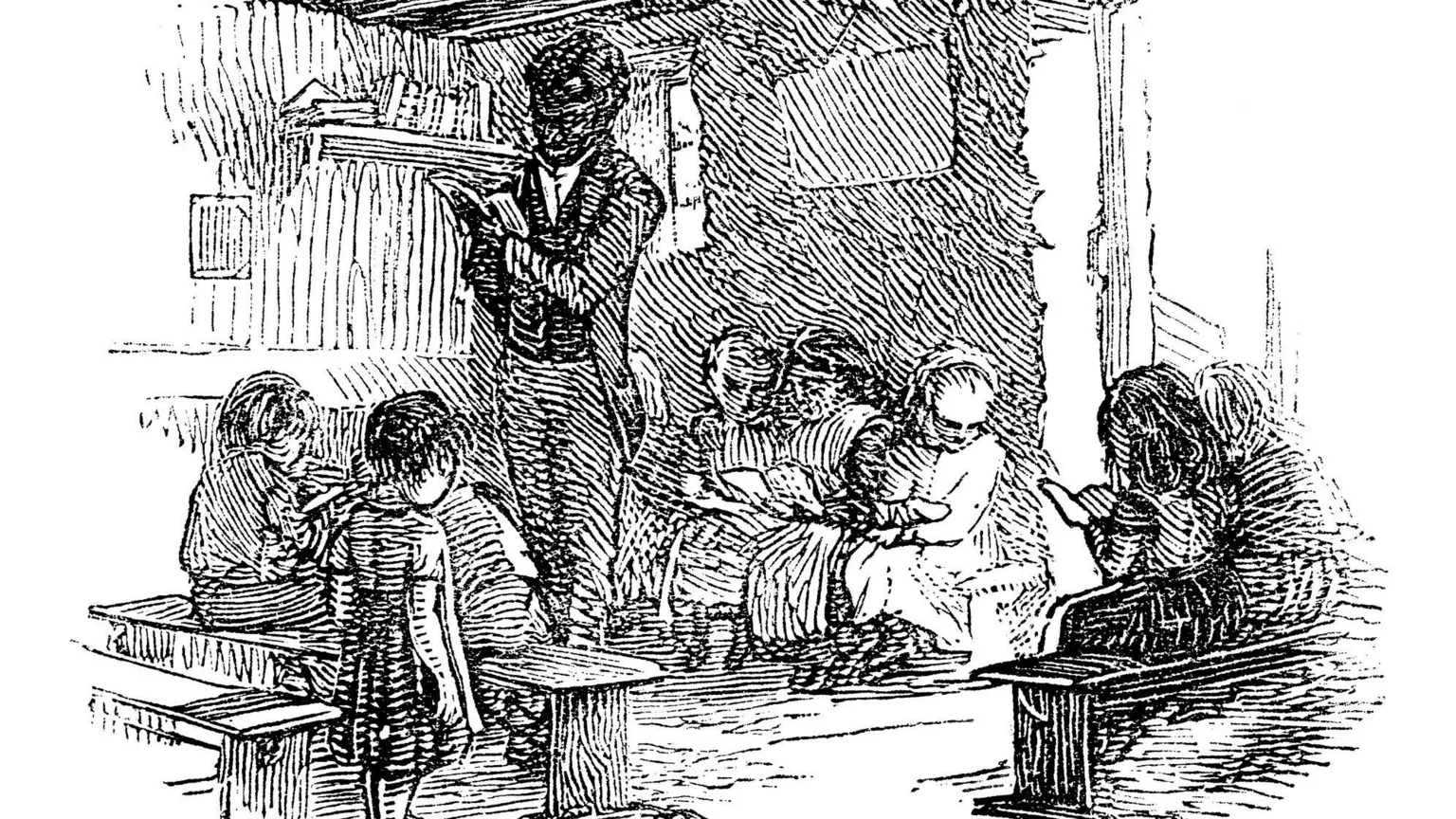
Jenkins' academic talents began to emerge after moving to Swanson's in-laws in rural Teviothead, approximately 10 miles (16 kilometers) from Hawick. There, he taught himself the classics by candlelight while balancing schooling and cattle-herding during the day.
Academic Journey and Teaching Career
Historian Alistair Redpath, who authored the brief biography featured on the black pillar box, remarked on Jenkins' remarkable story. He noted that Jenkins might have faded into obscurity after settling with the Lunn family at Teviothead, but instead, he progressed from pupil to pupil teacher while working as a cowherd.
"His story was remarkable enough before finally settling with the Lunn family at Teviothead and you would have thought he would have faded into obscurity at that point. However while working as a cowherd he was also learning and went from being a pupil at the local school to becoming a pupil teacher. Even while teaching he continued his learning, attending night classes in Hawick and eventually the University of Edinburgh to learn Greek and Latin."
— Alistair Redpath, historian


In 2020, Royal Mail unveiled four pillar boxes to celebrate Black History Month, commemorating Crimean War nurse Mary Seacole, soldier and footballer Walter Tull, comedian Sir Lenny Henry, and artist Yinka Shonibare. The Tom Jenkins post box in Hawick is designed similarly, featuring black colouring with gold trim and a brief biography.
Rory Bannerman explained the group's efforts to have Jenkins recognised with a post box. After Royal Mail declined their request, they collaborated with local metalworker and designer Bernie Armstrong, who donated his time to create the tribute.
"We had contacted the Royal Mail about the post boxes they were using to celebrate black history - we thought Tom Jenkins deserved one of his own in Hawick. Unfortunately they declined our request, so we went about creating one ourselves with local metal worker and designer, Bernie Armstrong, donating his time for free. To come from one continent as a child to another that he probably hadn't known existed is remarkable enough, but what Tom Jenkins did here by self-educating and impressing enough to be given his own school is something else."
— Rory Bannerman

Later Life and Legacy
Jenkins relocated from the Scottish Borders to London in 1818, where he contributed to establishing a school in Pimlico. Three years later, he was invited by Sir Robert Townsend Farquhar, Governor of Mauritius, to teach children in the colony.
Jenkins served the colonial government of Mauritius for 37 years and never returned to Britain. He passed away in 1858, survived by his wife Augustine Jenkins and their four children: Samuel, Thomas, Daniel, and Mary.
Ongoing Anti-Racism Efforts in Hawick
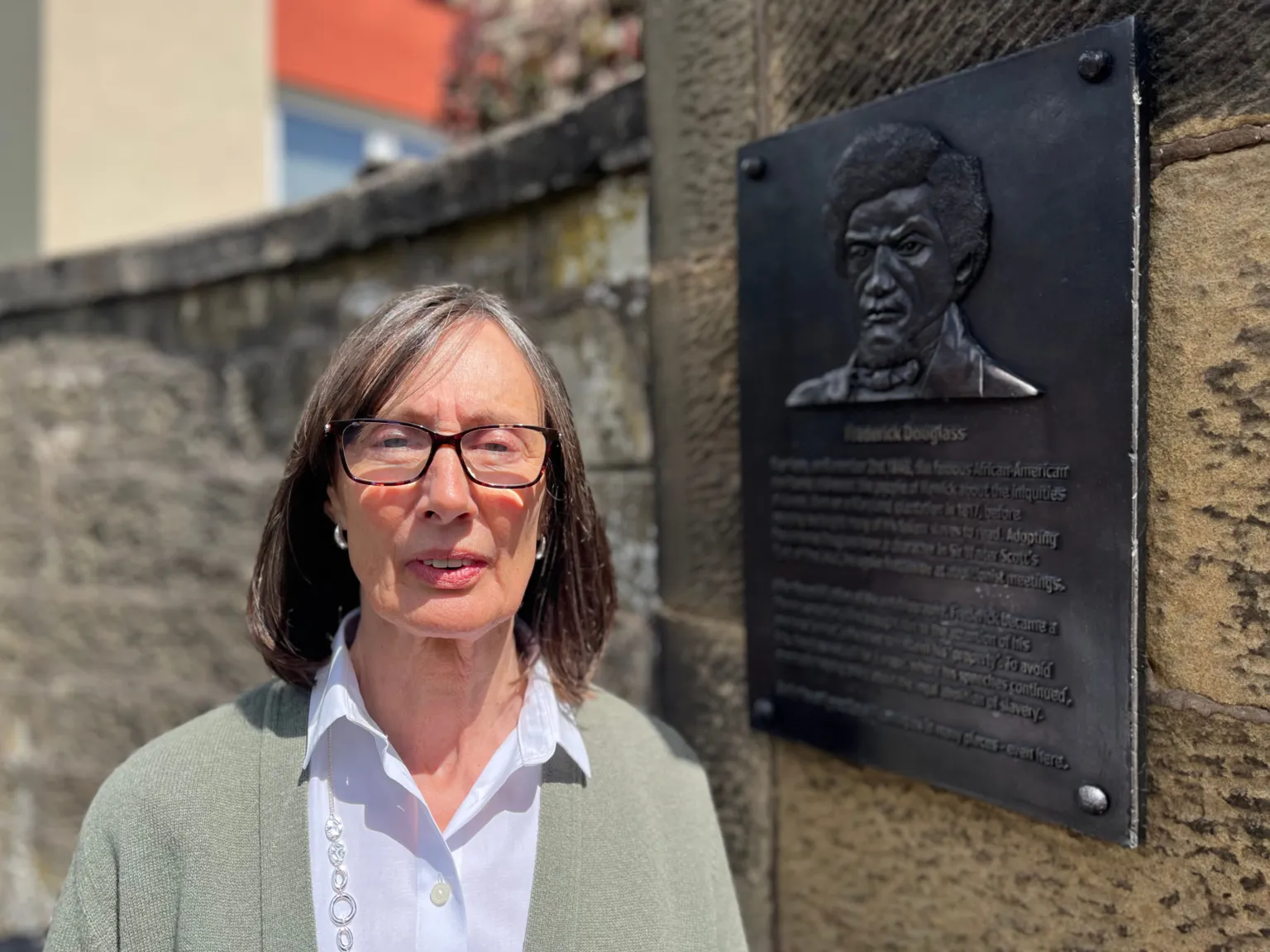
Tom Jenkins is among several historical figures celebrated by the Hawick anti-racism group. In 2023, the group unveiled a plaque commemorating abolitionist Frederick Douglass's visit to the town in 1846. They have also organized black history tours, developed educational materials for local schools, and will award the inaugural Frederick Douglass Prize to a secondary school pupil who best embodies the group's ethos.
Evelyn Jackson of the Hawick Archaeological Society, a member of the group, highlighted their ongoing commitment.
"We have a strong team who continue to work hard to develop our anti-racism message. Not only will we be unveiling the Tom Jenkins post box later this year, but we will also be presenting the Frederick Douglass prize for the first time."
— Evelyn Jackson, Hawick Archaeological Society