

Ancient Ship Hull Washed Ashore by East Coast Gales
Strong gales that have battered the East coast recently have resulted in part of an ancient ship being washed ashore.
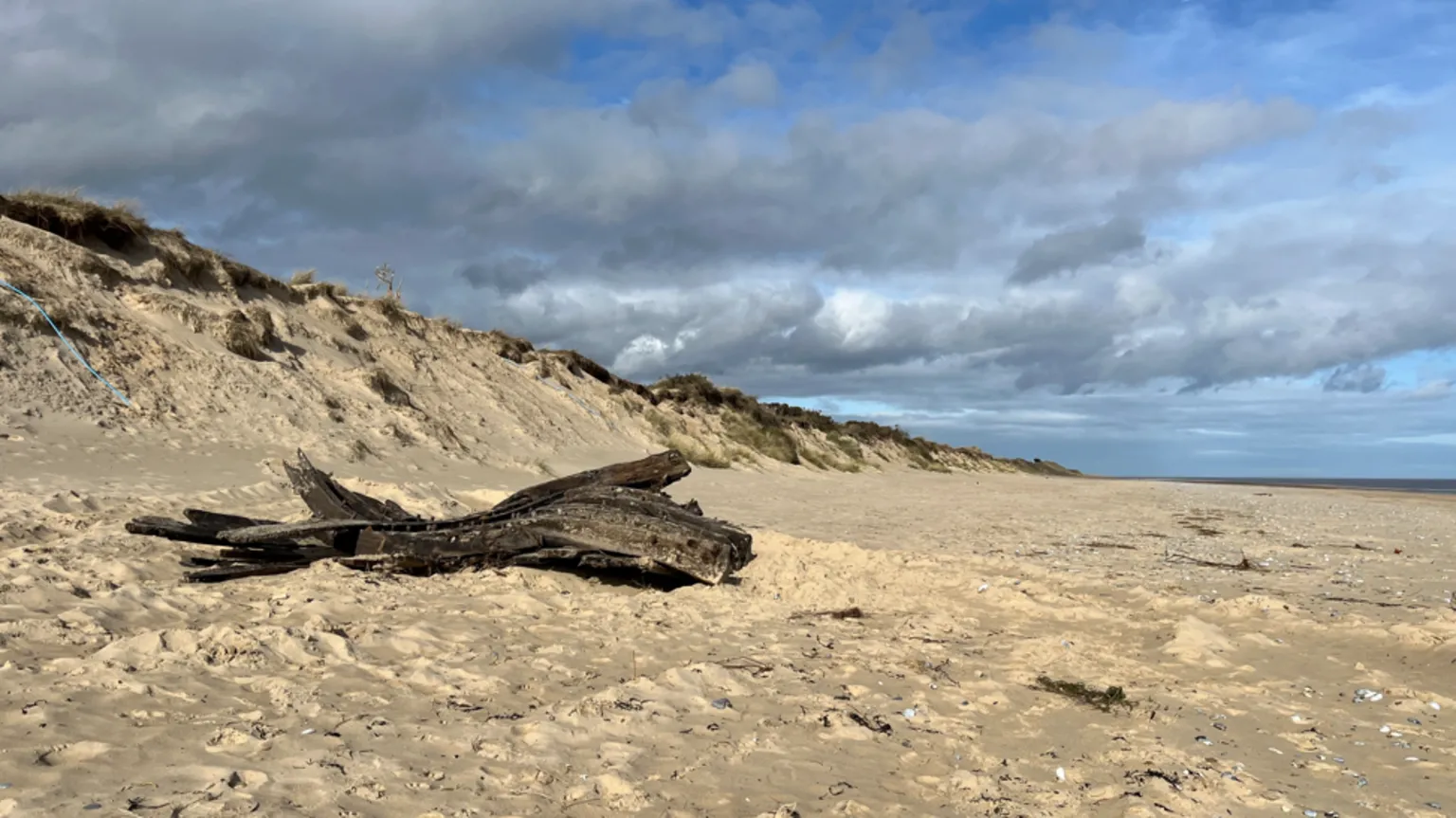
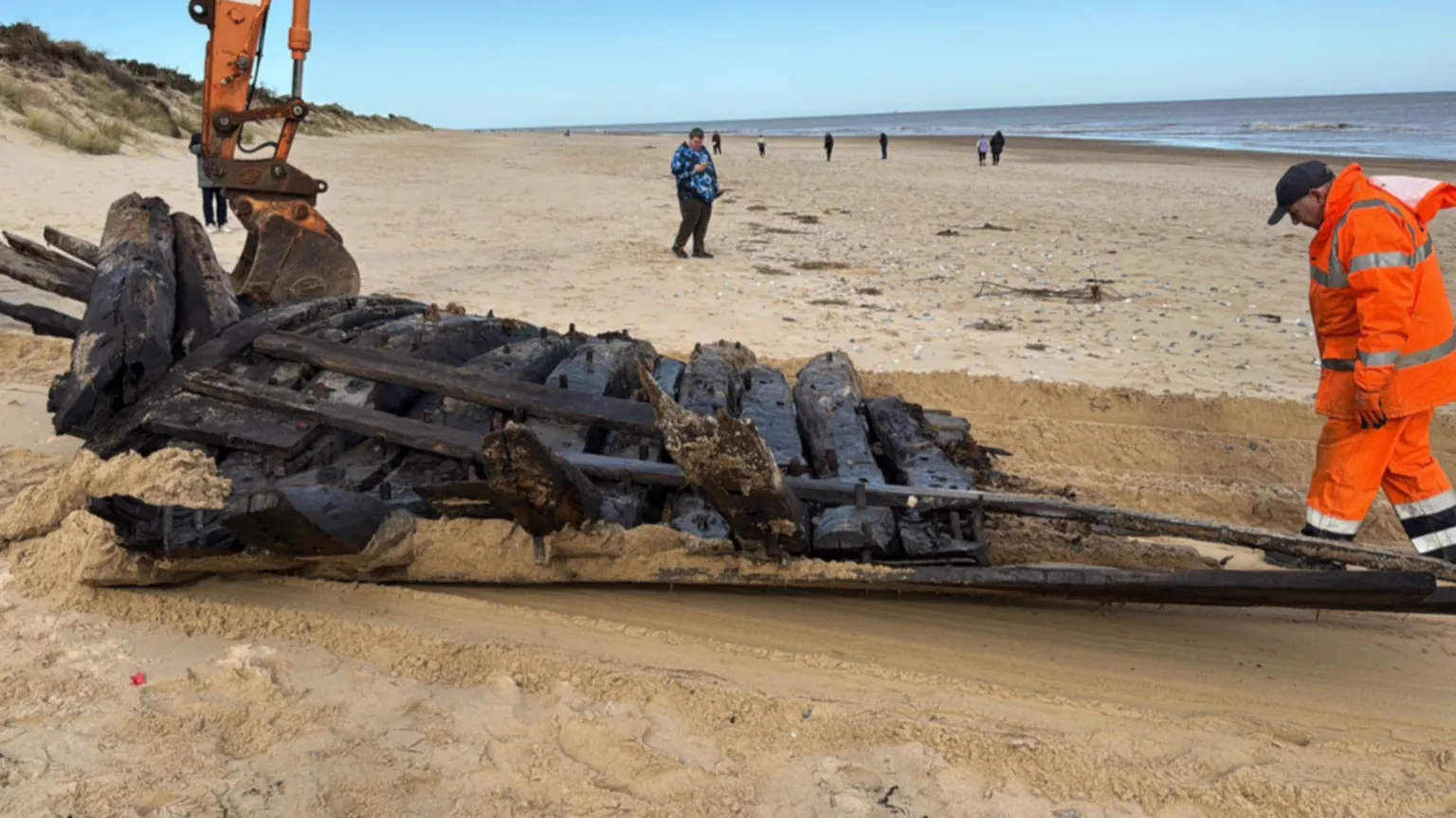
Hull timbers were discovered on Hemsby beach in Norfolk about a week ago.
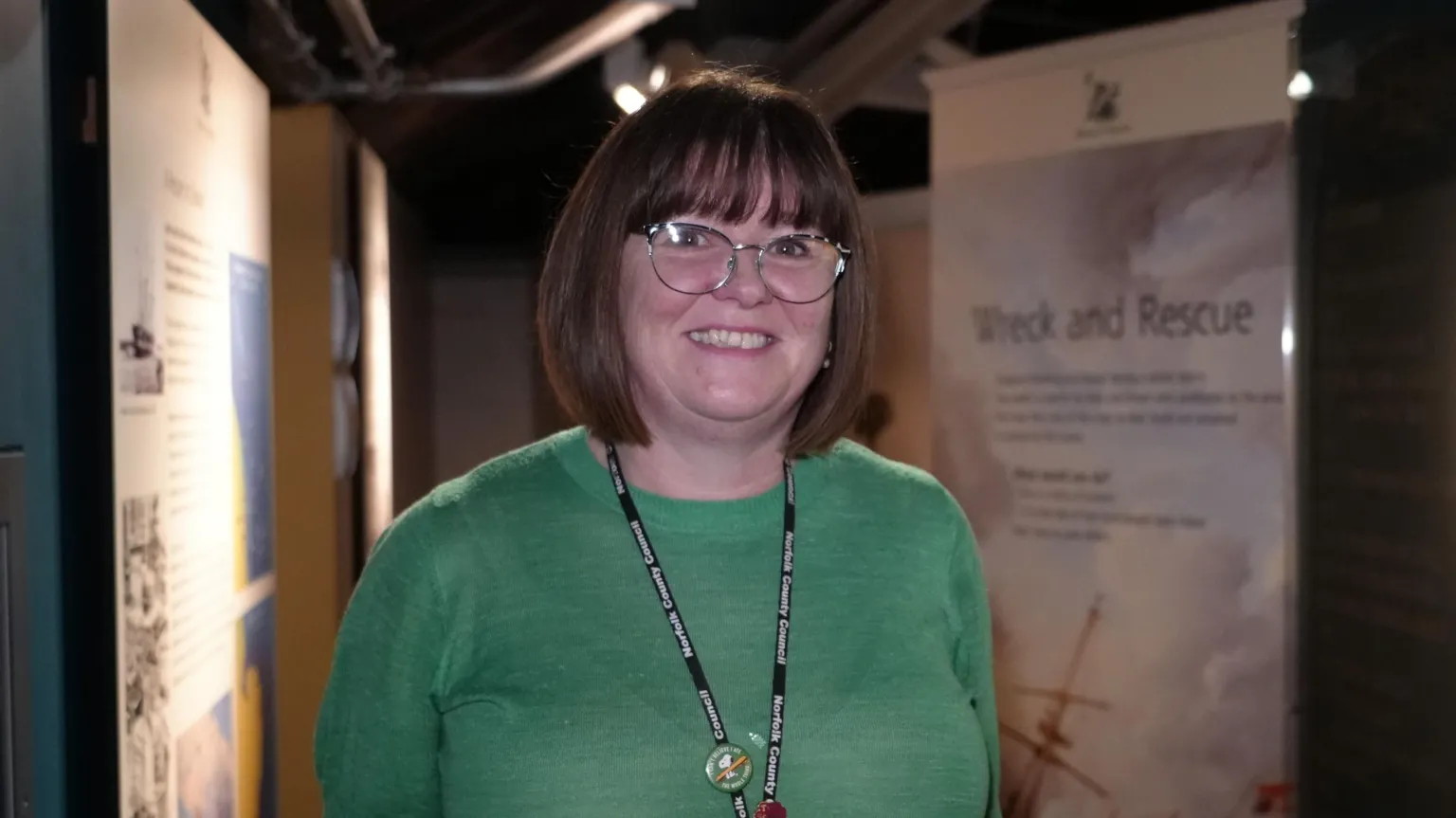
Natalie Fairweather, representing the Time and Tide Museum in Great Yarmouth, noted that despite the significance of the find, a lack of historical records makes it challenging to obtain official information about the vessel.
Local Expertise on the Shipwreck
Retired fisherman Kenny Chaney, who has witnessed approximately 25 shipwrecks emerge along the Norfolk coastline over the years, expressed his belief that this particular wreck, likely buried for several centuries, was part of a cargo ship.

On Sunday, Chaney assisted the local lifeboat service in relocating the wreckage away from the shoreline.
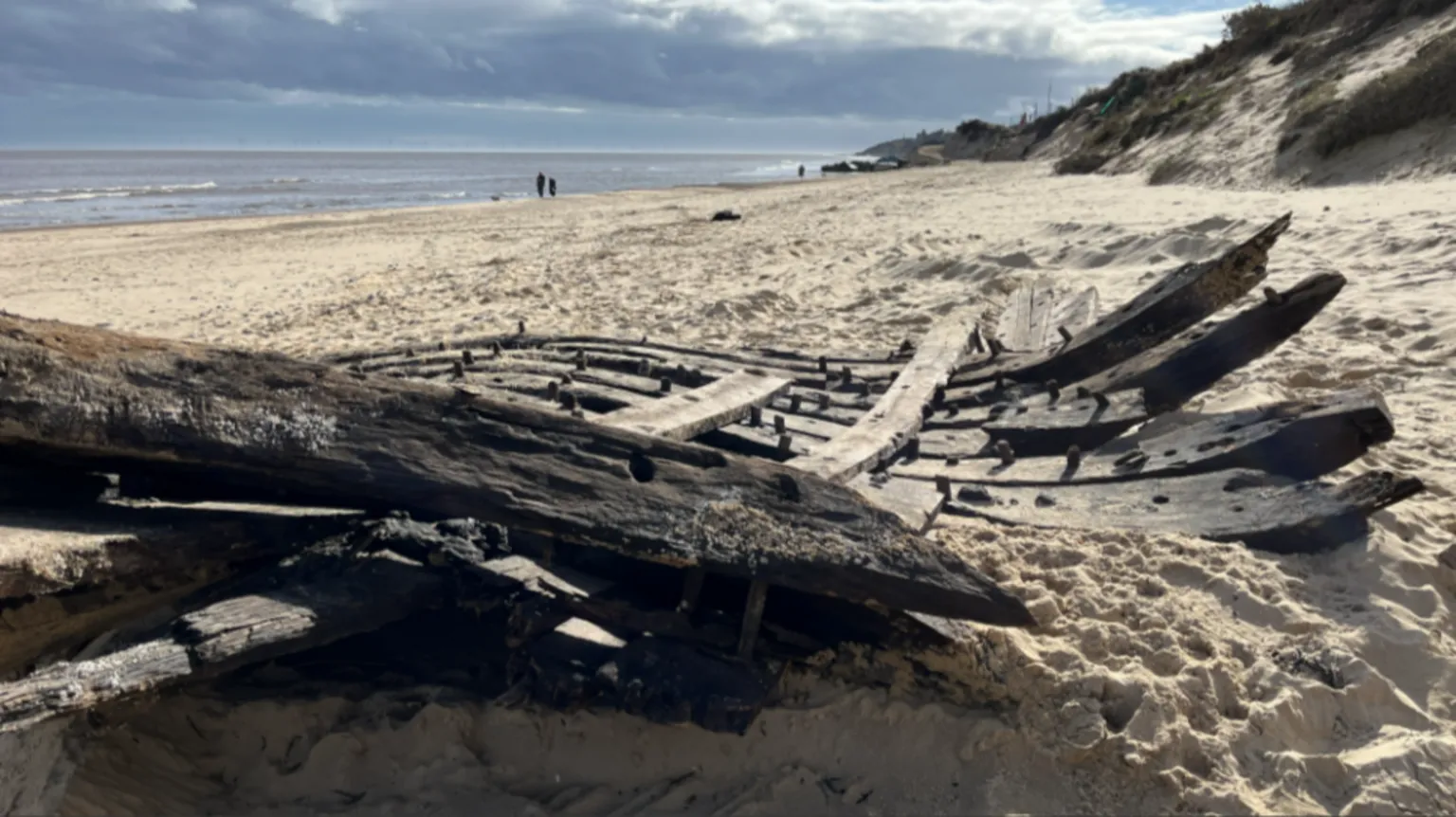
The timbers, covered in barnacles, measure about 20ft (seven metres) but are believed to be remnants of a much larger ship, estimated to have been nearly 100ft (30 metres) in length.

"I think it's a bit of a cargo boat by the size of it," he said.
"I think it's a bit too big to be a fishing boat for that era, namely 16[00] or 1700," he added.
Construction and Historical Context
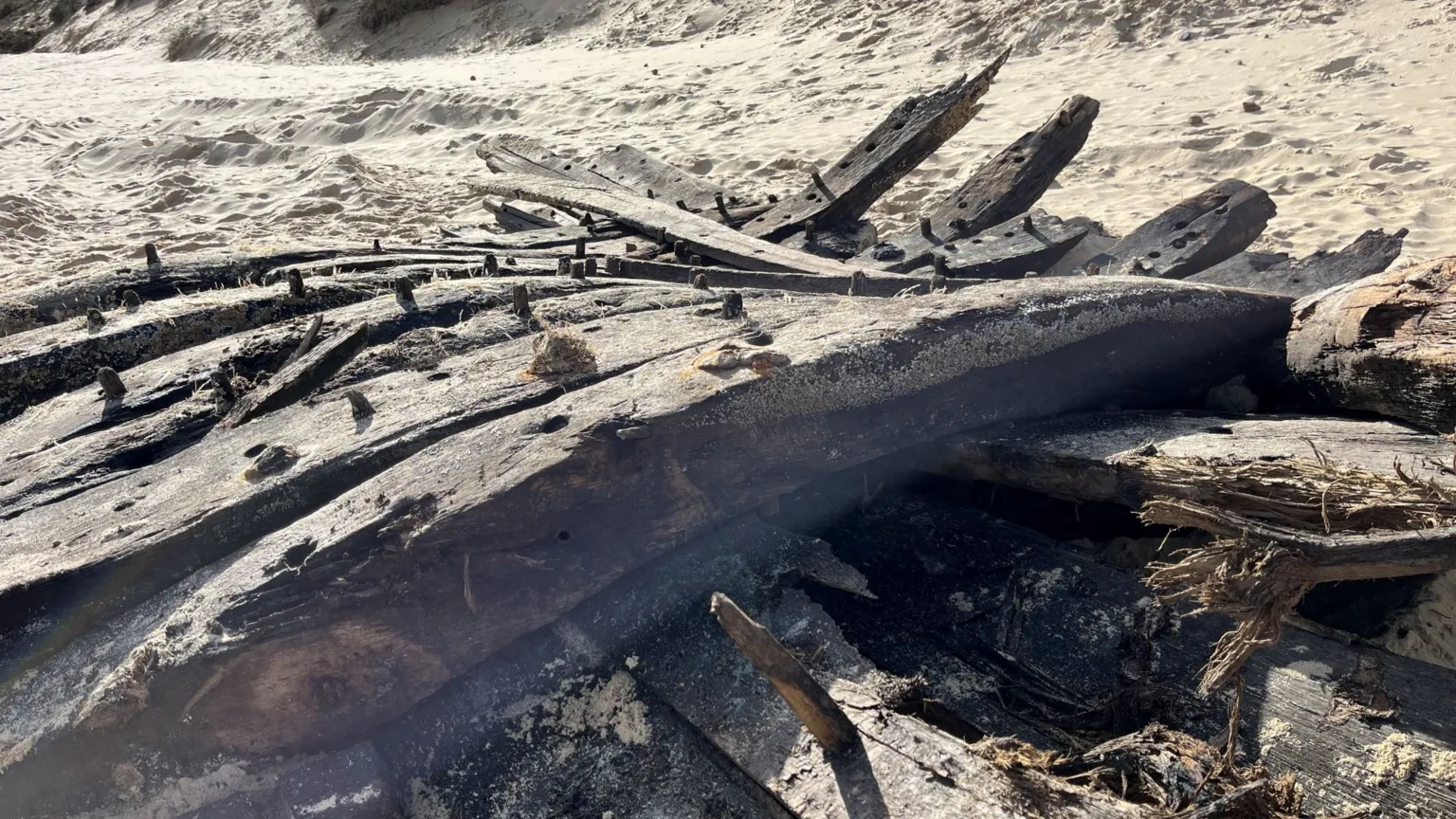
The relic provides insight into historical shipbuilding techniques, notably the use of wooden pegs to join parts of the vessel.
"There's very little in the way of metal on it, no metal bolts, just one through the keel bit, but other than that, very little," Chaney explained.
"I marvel at how they used to make those boats with the gear they had.
That would take a very skilled person, even today, to make that with the gear they've got nowadays."
Challenges in Identification
The Time and Tide Museum maintains records of hundreds of local shipwrecks but stated that identifying the Hemsby wreck would be impossible.
Fairweather also highlighted that the absence of sonar technology made navigation perilous during the 16th and 17th centuries.
"We know where a lot of modern wrecks are, obviously, because of the shipping lanes and things, but no, no clue, unless it's got a name on it," she said.
She further explained that ancient navigation methods could not detect sandbanks, increasing the risk of ships running aground.
"It's a treacherous coast, the sandbanks move all the time," she said.
"You've only got to have a big storm. You've only got to look at Hemsby and how much damage there is there.
Yarmouth itself is a sand spit. It changes all the time.
It's a horrid, horrid coast. If you hit a sandbank you were sunk, quiet literally."
Current Status of the Wreckage
The wreckage will remain on the beach until the next high tide carries it back out to sea.
Follow Norfolk news on , Facebook, Instagram and X.


