

Discovery of Illicit Whisky Distilling Site
Archaeologists have uncovered the site of a secret, illegal whisky distilling operation that likely remained hidden in a remote gully for over 200 years.
The excavation revealed part of an illicit still used for whisky production, along with stones and a timber post from the small building — known as a bothy — that once housed the distilling equipment.
The illegal whisky trade flourished in the late 18th and early 19th centuries following the 1788 Excise Act, which prohibited the use of small household stills.
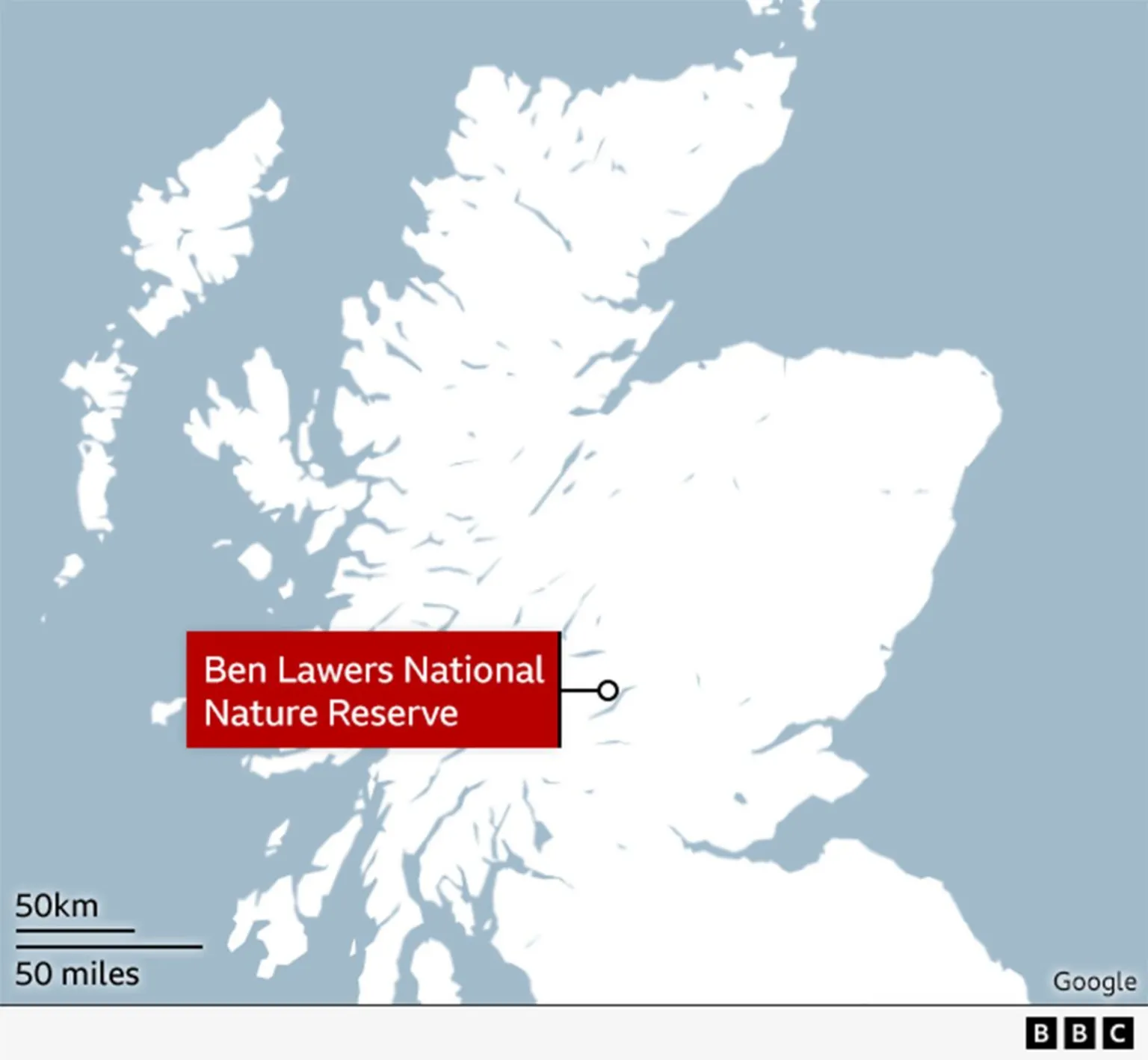
The National Trust for Scotland (NTS) archaeology team, together with volunteers, made this discovery on the Ben Lawers National Nature Reserve near Killin.
Archaeological Investigation and Findings
Archaeologists had long suspected that a stone structure located in a gully along a stream named Lawers Burn concealed an illicit still.
Excavations uncovered remains of the bothy, including a hearth, a drain beneath a stone floor, and a timber post that once supported the building’s roof.
The team was particularly excited to find a piece of copper alloy, believed to have been used as a collar connecting two parts of the still.
The NTS reported that there are now five known illicit still bothies on the reserve, but this is the first site where a piece of copper still equipment has been found.
Historical Context and Significance
Derek Alexander, head of archaeology at the National Trust for Scotland, commented on the significance of the find:
"This is a wonderful example of how archaeology can tell a gripping story of spirit smuggling that would otherwise have been lost to time."
Alexander explained that the Ben Lawers area was the scene of a "battle of wits" between illegal distillers and excise officers attempting to apprehend them in the early 19th century.
"Those who distilled spirit in this bothy will have picked the location carefully to make sure they were well hidden,"he said.
"This bothy is well concealed along one arm of the Lawers Burn, nestled in a burn gully where there's a slight bend in the burn to shield the site from both upstream and downstream.
The people who distilled here knew what they were doing and it's possible the still was never seized by the authorities."
Alexander suggested that the copper collar might have been left behind accidentally when the smugglers dismantled the still in haste.
"Distillers of illicit whisky would've travelled light and left little trace of their activity, and so a find like this is especially rare and exciting,"he added.
"It gives us a glimpse into an activity that was once rife in the hills of Ben Lawers and which was seen by many as an act of community resistance."
Broader Context of Illicit Distilling Sites in Scotland
The discovery was made as part of The Pioneering Spirit project, which has identified 30 illicit distilling sites across Scotland.
Other similar sites have been found over the years. For example, in 2008, forestry workers discovered parts of the foundations of a small building that had housed a still in Glen Affric, near Cannich in the Highlands.
This site was subsequently recognised as a monument of national importance.
In 2019, experts identified two ruined farmsteads in the Loch Lomond and Trossachs National Park as illicit whisky distilling sites.


