

Who is the Biggest Buyer of Gold?
Who is the largest purchaser of the world's most trusted safe haven asset, gold? Common assumptions might point to China, Japan, or one of the Gulf countries. However, the single largest buyer of gold last year was a company that many may not recognize – a cryptocurrency firm named Tether.
Based in El Salvador, Tether operates USDT, the world's largest stablecoin, a type of cryptocurrency backed by hard currency. It acts as a bridge between volatile cryptocurrencies and the traditional financial system, effectively functioning as an offshore dollar.
According to data from the European Central Bank, Tether purchased more gold last year than any other entity. The company reportedly stores this gold in a Swiss former nuclear bunker with high security, reminiscent of a James Bond setting, as described by Tether's CEO.
In addition to its gold holdings, Tether claims ownership of approximately $135 billion (£101 billion) in US government debt, a figure comparable to or exceeding that held by some G20 nations, including South Korea. Despite its substantial financial footprint, Tether employs only around 200 people.
Connections to Nigel Farage's Reform Party
Tether is also, perhaps unintentionally, connected to discussions surrounding the funding of Nigel Farage's Reform party. One of Tether's major shareholders is Christopher Harborne.
In August of the previous year, Harborne donated £9 million in cash to the Reform party, marking the largest political donation in British history. He followed this with additional donations of £3 million in October and another £3 million in January. All these contributions were officially declared.
Prior to these donations, Harborne had given Nigel Farage a £5 million personal gift, which had not been disclosed earlier and became the subject of parliamentary investigations before Farage resigned as a Member of Parliament.
Both Farage and Harborne have stated that these personal and political donations were made without any conditions attached.
Discussions with the Bank of England
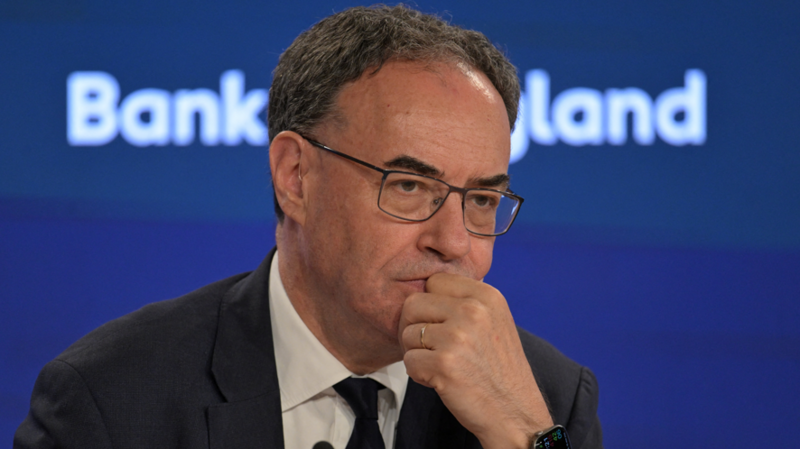
Bank of England Governor Andrew Bailey recently confirmed that Nigel Farage raised the topic of cryptocurrency regulation and central bank digital currencies during a meeting in September last year.
He said Farage made his views "very clear", but the "intervention" did not change the Bank's policy, and that in general he could spot "lobbying" and knew how to discount it.
Farage was particularly concerned about speculation that the Bank of England might impose limits on sterling stablecoin holdings, potentially capping individual holdings between £10,000 and £20,000. The cryptocurrency industry was actively lobbying against such restrictions.
It is understood that Farage did not mention Tether specifically during his discussion with Governor Bailey but addressed stablecoin regulation in general. This raises reasonable questions about the details of that conversation and whether any potential benefits to Tether and its shareholders could arise from changes in Bank of England policies.
Farage has openly expressed support for cryptocurrencies. In an interview with LBC presenter Nick Ferrari in September, the day before meeting Bailey, he stated:
"Tether is about to be valued as a $500bn company. This world is enormous, and I've been urging for years that London should embrace it. We should become a global trading centre for this stuff under proper regulation."
Farage's team maintains that his remarks to Andrew Bailey align with his long-standing belief that the UK should be a global hub for regulated cryptocurrency innovation and investment.
Last May, when Reform was leading in the polls, the only draft legislation it had published was the Cryptoassets and Digital Finance Bill. This bill made a brief reference to stablecoins but did not mention the Bank of England's proposed limits on personal holdings. The bill has since been removed from the Reform website and is no longer publicly available.
A Reform spokesperson told the BBC that the bill remains party policy and that the website is regularly updated to reflect the latest announcements. They noted that stablecoin regulation has become a central topic in Reform's discussions with the Bank of England since the official consultation opened in November.
Andrew Bailey's Role and Regulatory Concerns
Andrew Bailey is not only the Governor of the Bank of England but also chairs the Financial Stability Board, an international financial regulatory body. This position makes him one of the most influential non-American figures in global cryptocurrency and stablecoin regulation, reporting directly to G7 and G20 summits.

Bailey has expressed concerns that stablecoins could destabilize the financial system if they are treated as money without guarantees of maintaining their value. The cryptocurrency industry is highly sensitive to regulatory developments.
Context from the United States helps explain this sensitivity. In July of the previous year, the Trump administration passed the so-called Genius Act, which effectively legitimized stablecoins under certain regulatory frameworks in the US. Following this, Circle, a stablecoin provider, went public in New York and saw its value increase tenfold in three weeks.
During this period, Tether and its advisers prepared for a capital raise that would value the company at $500 billion. In the same month that Harborne donated a record £9 million to Reform, the relaxation of US stablecoin regulations significantly increased the value of his stake in Tether by several billion dollars.
The following month, Reform publicly referenced Tether by name on LBC and prioritized stablecoin regulation in discussions with UK regulators.
Harborne's Role and Lobbying Activities
The BBC understands that Christopher Harborne holds approximately a 13% stake in Tether but does not have an executive role or control over the company.
Harborne was also a registered lobbyist at the European Parliament for the Digital Currencies Governance Group (DCGG), of which Tether was a founding member, for seven months starting in September 2020. The DCGG regularly defends Tether by name in its submissions to various regulatory bodies.
Lawyers representing Harborne declined to comment on these matters.
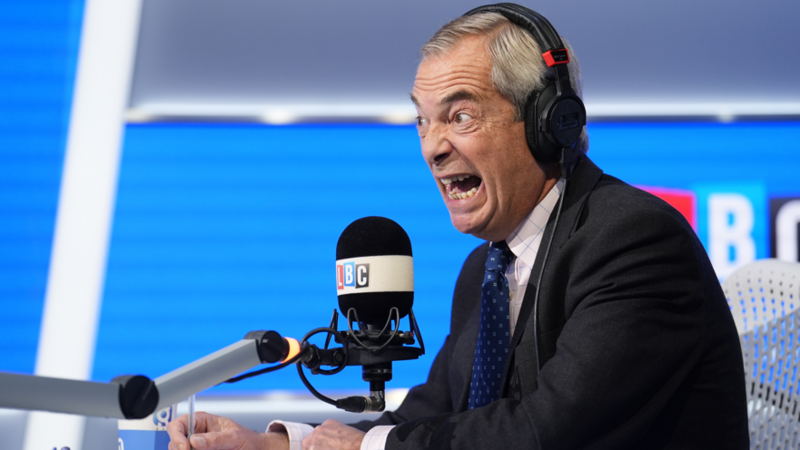
During an interview on LBC in September, Nigel Farage mentioned Tether explicitly.
A Reform party spokesperson denied any suggestion that policy development is influenced by individual donors and stated that there is no obligation to disclose the financial interests of party donors during meetings such as those with the Bank of England governor.
The Bank of England recently eased some proposed restrictions on stablecoins, citing recommendations from the House of Lords financial committee.
Implications of Donations and Regulatory Influence
None of these facts contradict Farage's assertion that there were no conditions attached to Harborne's personal gifts and political donations. However, this situation is unique in that a leading political party preparing for government has received £15 million in donations from a single individual over the past year, constituting the majority of its registered donations.
Additionally, the party leader accepted a previously undisclosed £5 million personal gift from the same individual a year earlier. These funds were provided at a time when global regulatory changes concerning stablecoins were significantly affecting the value and prospects of the sector.
Never before has a major political party been so reliant on donors connected to a narrow sector that is highly sensitive to ongoing regulatory decisions.
If an early election occurs within the next year and Reform wins, the party would have the authority to appoint the next Governor of the Bank of England before Andrew Bailey's term expires in 2028.
Sir Charlie Bean, a former deputy governor at the Bank of England, commented to the BBC:
"Stablecoins are only stable if they have the appropriate regulatory environment… . But there is right now an unsurprising regulatory race to the bottom amid the potential for greater profits."
He added: "When funds are coming from major shareholders of such large financial institutions, there is a clear potential conflict of interest here, for example, in the appointment of a new Bank of England governor. Transparency is one solution."
The questions raised by the unusual meeting between Nigel Farage and Andrew Bailey last September are likely to persist.
- Who is Count Binface, aiming to face Farage in by-election?
- Chris Mason: Farage called by-election from weak position - and it could backfire on him
- Why has Farage resigned and what happens next?


