Call for Business Rates Reform as Scots Face Cost of Living Crunch
Scottish political leaders have urged a comprehensive reform of business rates following warnings from a Glasgow-based company that it may need to reduce staff numbers due to a near sixfold increase in its tax burden.
Wunderbar, a live-music bar with two venues in Glasgow, informed BBC Scotland News that it faces a rise exceeding £500,000 in business rates, which would necessitate layoffs.
First Minister John Swinney highlighted that his government is providing over £900 million in transitional relief to support businesses during this period.
As the Scottish Parliament election approaches next month, party leaders have also outlined measures to assist Scots grappling with rising living costs, coinciding with increases in council tax, phone bills, and other expenses for many.
Why Are Business Rates Rising?
The Scottish government administers its own business rates system, known as non-domestic rates, which are calculated based on the rental value of commercial properties including shops, offices, factories, and warehouses.
On 1 April, new rateable values were introduced for all 260,000 non-domestic properties in Scotland, resulting in increased taxes for numerous firms.
Additional concerns have been raised regarding surging fuel prices and energy bills, influenced by the ongoing crisis in the Middle East.
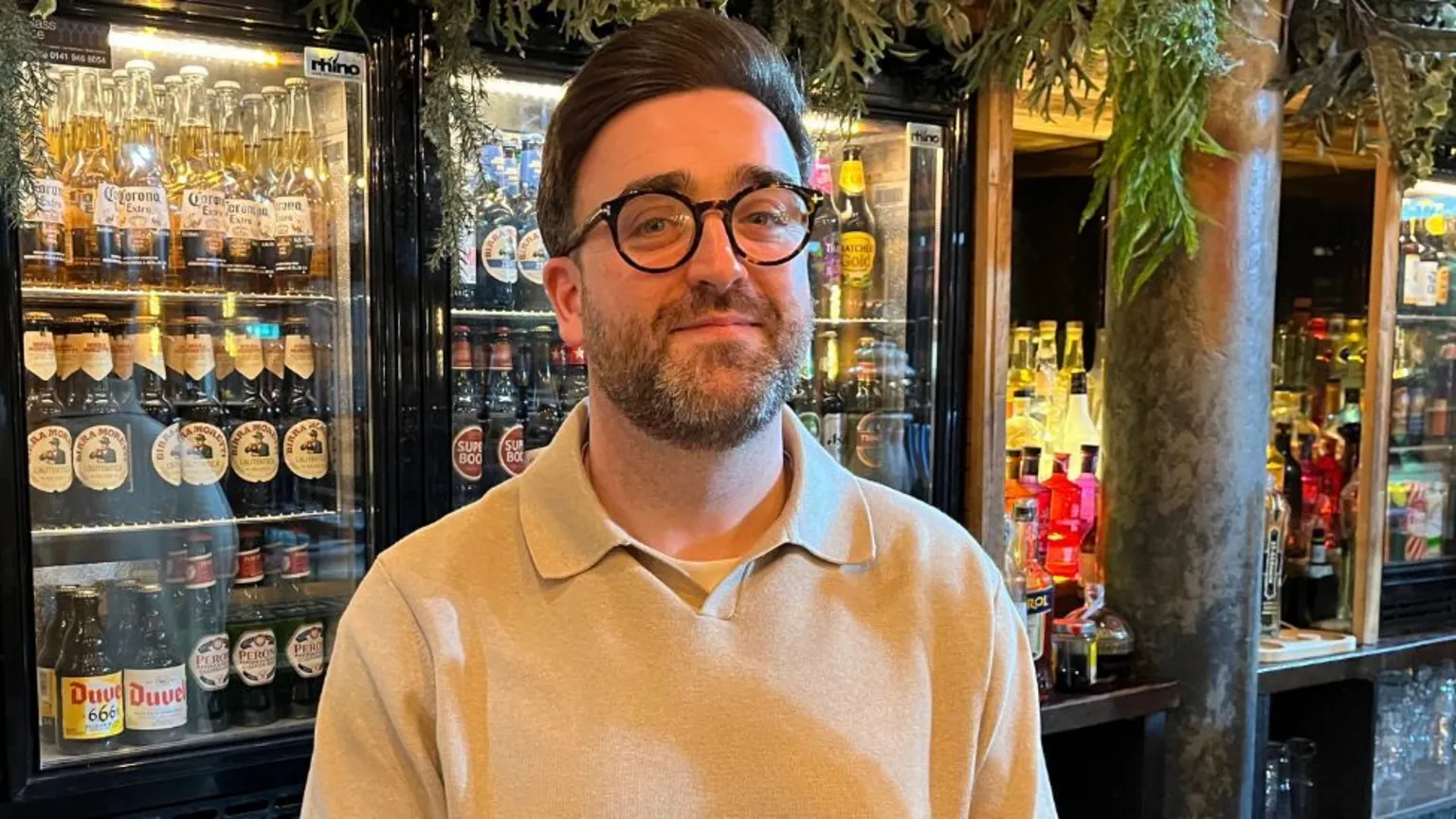
Gavin Boyle, operations manager at Wunderbar, which employs 130 staff across its two Glasgow venues, told BBC Scotland News that the company’s business rates are increasing from £111,000 annually to £645,000.
"It's insane," Boyle said. "It's just completely untenable. You can't keep putting that on the customer otherwise you'll have no customers left."
Boyle emphasized that Wunderbar already covers costs for street cleaning and lighting outside its venues, questioning the benefits received in return for the high taxes.
He noted that the rate hike coincides with rising energy costs, increased fuel duty, and a rise in the minimum wage.
"If this continues across the Scottish hospitality industry it's going to be a loss of tens of thousands of jobs."
Boyle called on the Scottish government to consider pausing business rates revaluations, similar to the approach taken in Northern Ireland.
Rates Relief
In the recent Budget, the Scottish government announced reductions in all three bands of business rates – basic, intermediate, and higher property rates – effective from 1 April, aiming to mitigate the impact of revaluations.
Additional transitional relief measures are being introduced to ease the transition to the new system, including an extension of the Small Business Bonus Scheme, which allows certain firms to receive up to 100% tax relief.
Relief of up to 40% is available for some retail, hospitality, and leisure businesses with properties valued up to £100,000.
Hospitality businesses located on islands or in designated remote areas can qualify for 100% rates relief, capped at £110,000 annually.
While smaller businesses in Scotland benefit from more generous rates relief compared to England, larger companies south of the border pay lower rates overall.
The Scottish Retail Consortium estimates that medium and larger shops in Scotland will pay £54 million more in business rates than their English counterparts during this financial year.
First Minister John Swinney, campaigning in North Lanarkshire, stated that his government has introduced over £900 million in transitional relief on business taxes, noting that many businesses will experience reductions.
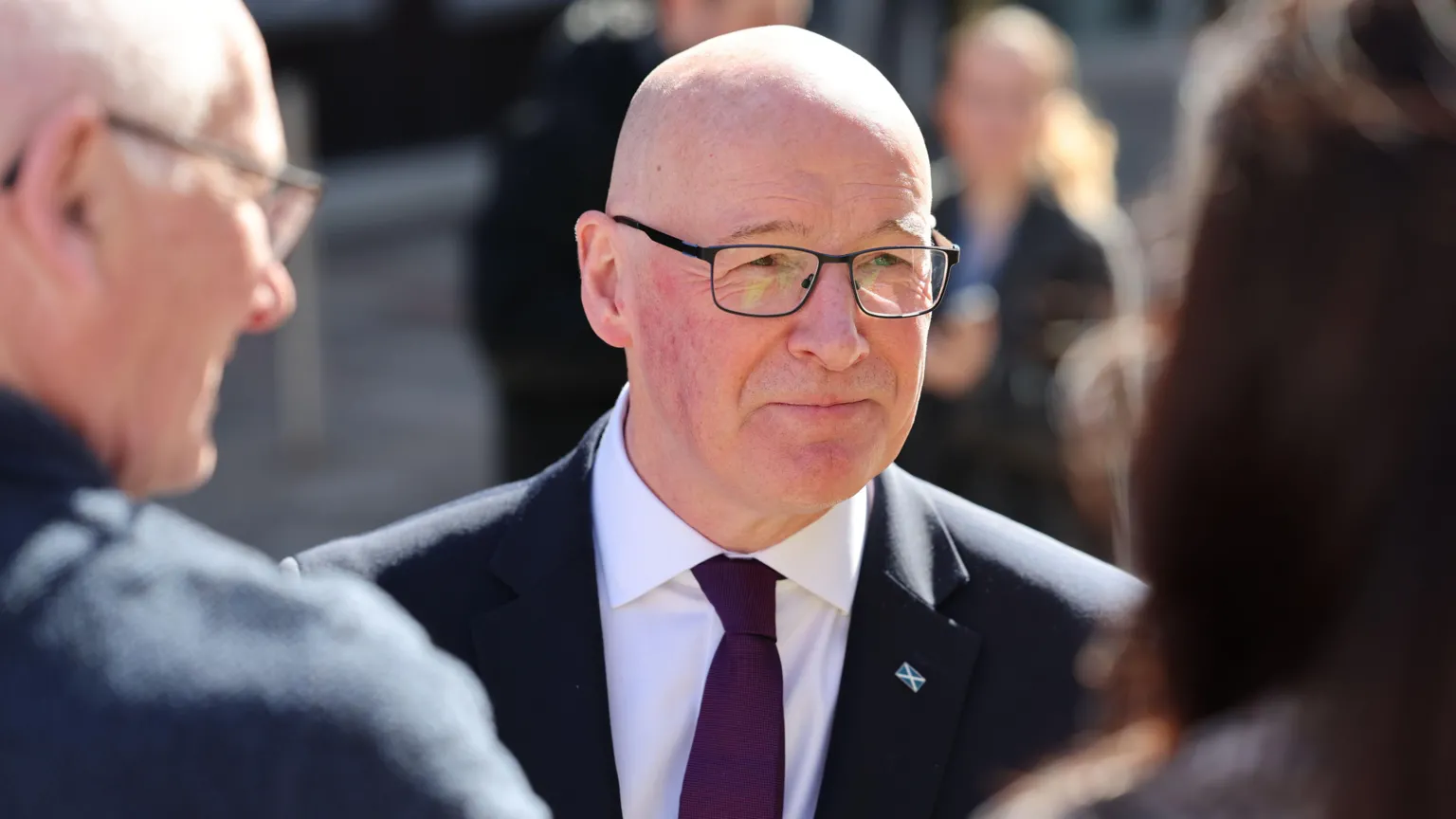
When asked about companies like Wunderbar, which do not qualify for relief, Swinney explained that rateable valuations are determined by independent assessors and that the government provides support where possible.
He cautioned that Scotland is confronting "very significant" financial pressures and affirmed his focus on addressing these challenges.
"The real acceleration of those issues is going to come from the conflict in Iran and I think the UK government is just sleep-walking into another cost-of-living crisis. The UK government needs to deliver help to people right now, not at some vague point in the future."
The UK Chancellor has indicated that assistance with energy bills, targeted at those most in need, will not be available until autumn.

Political Responses
Scottish Conservative leader Russell Findlay warned that increases in business rates could force some companies to close.
"We need to give them all the help we can get," he said.
The Conservative Party has pledged to abolish parking charges in town centres to stimulate high street activity.
Speaking in Paisley, Findlay argued that offering free parking for two hours would support businesses and encourage people to return to town centres.
He also proposed that any government underspend at the end of the fiscal year should be returned to taxpayers as a dividend.
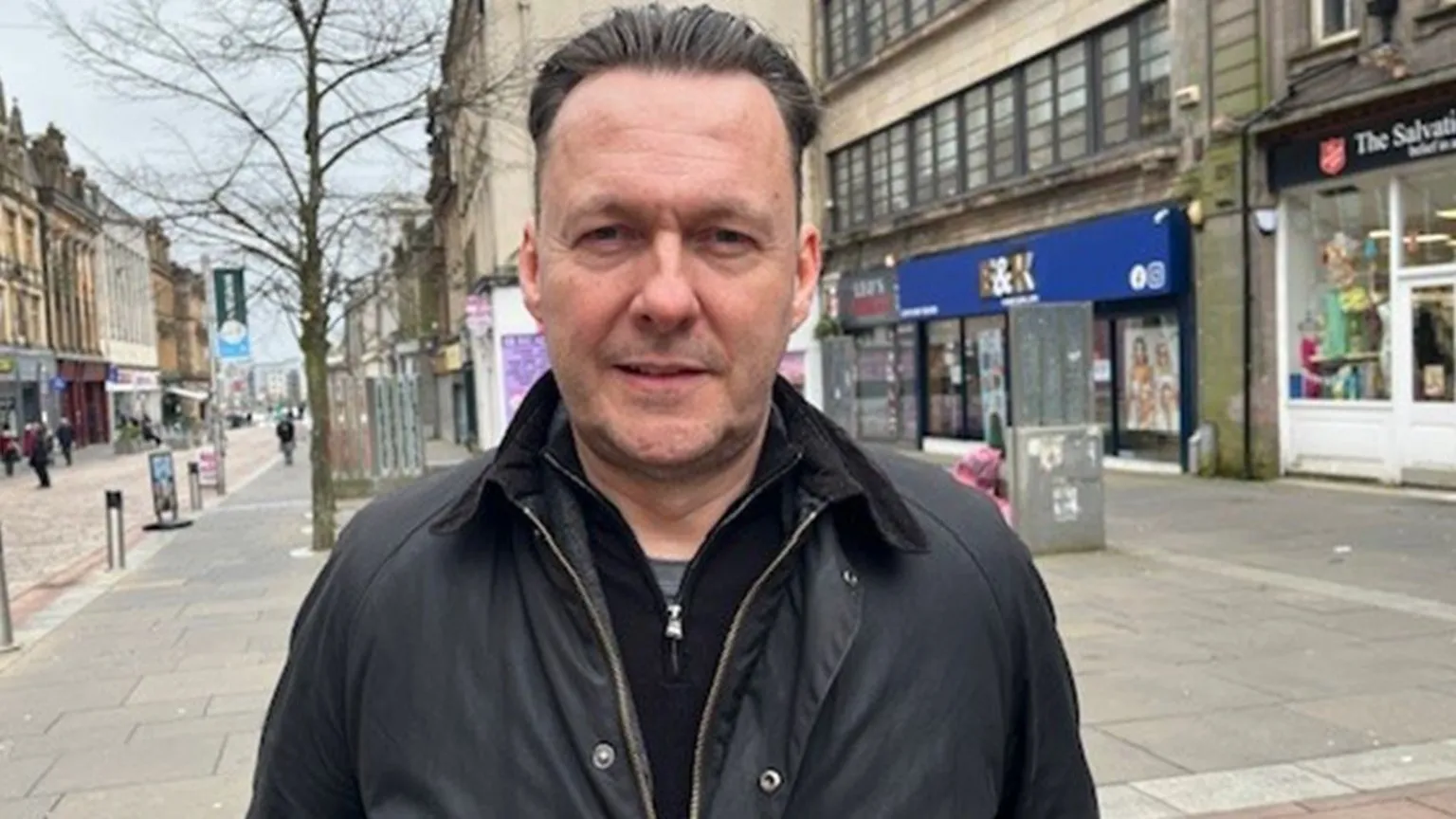
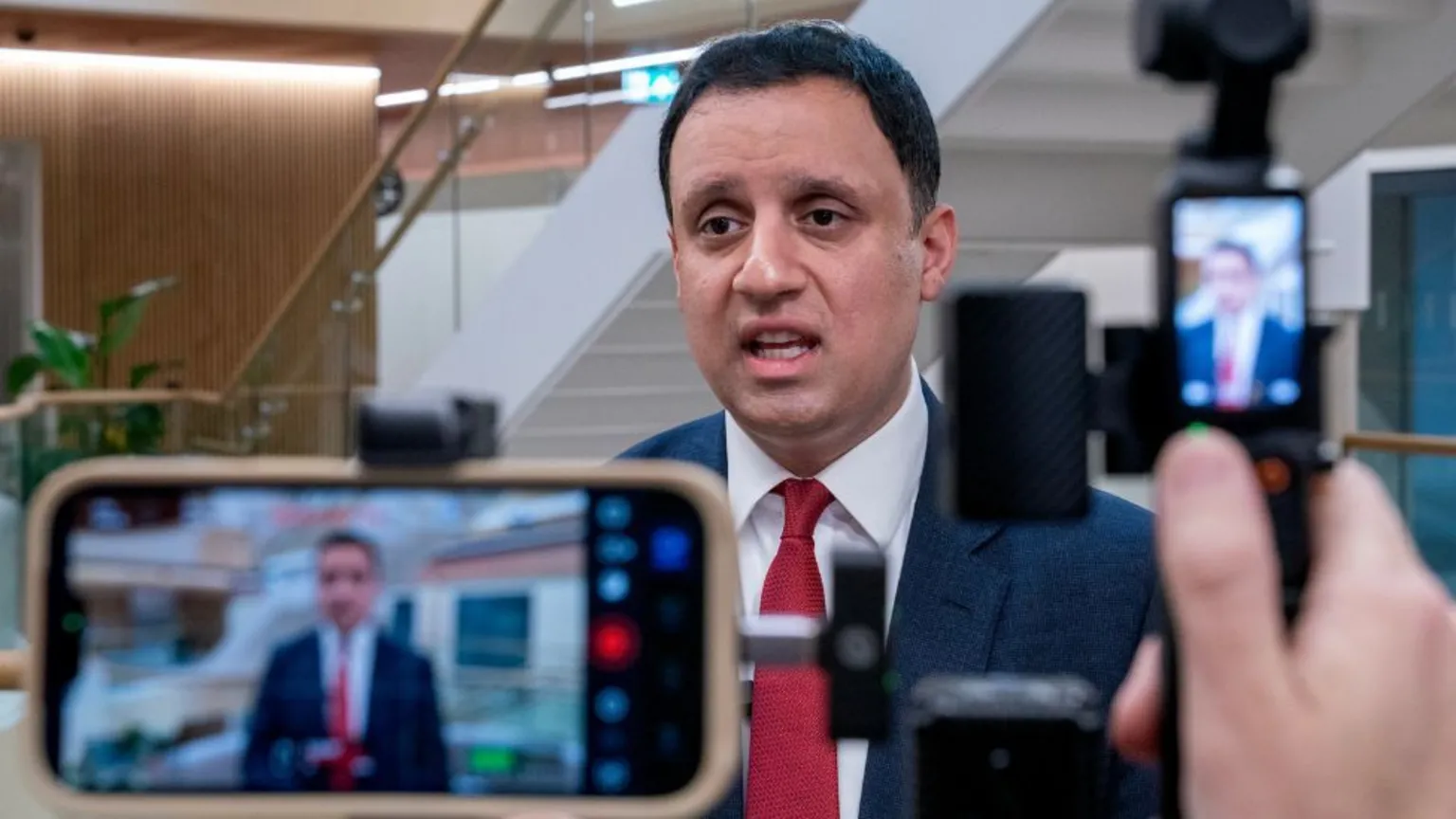
Scottish Labour leader Anas Sarwar criticized the SNP for overseeing a "broken system" where businesses are "being asked to pay more and more for less and less."
Sarwar pledged to "fix this mess" by appointing a chief assessor to ensure greater stability in the business rates system.
He also committed to reforming the system to eliminate biases against hospitality businesses in favor of online giants.
Speaking in Glasgow, Sarwar outlined plans to reduce household costs by freezing income tax in the next parliamentary term and reforming council tax.
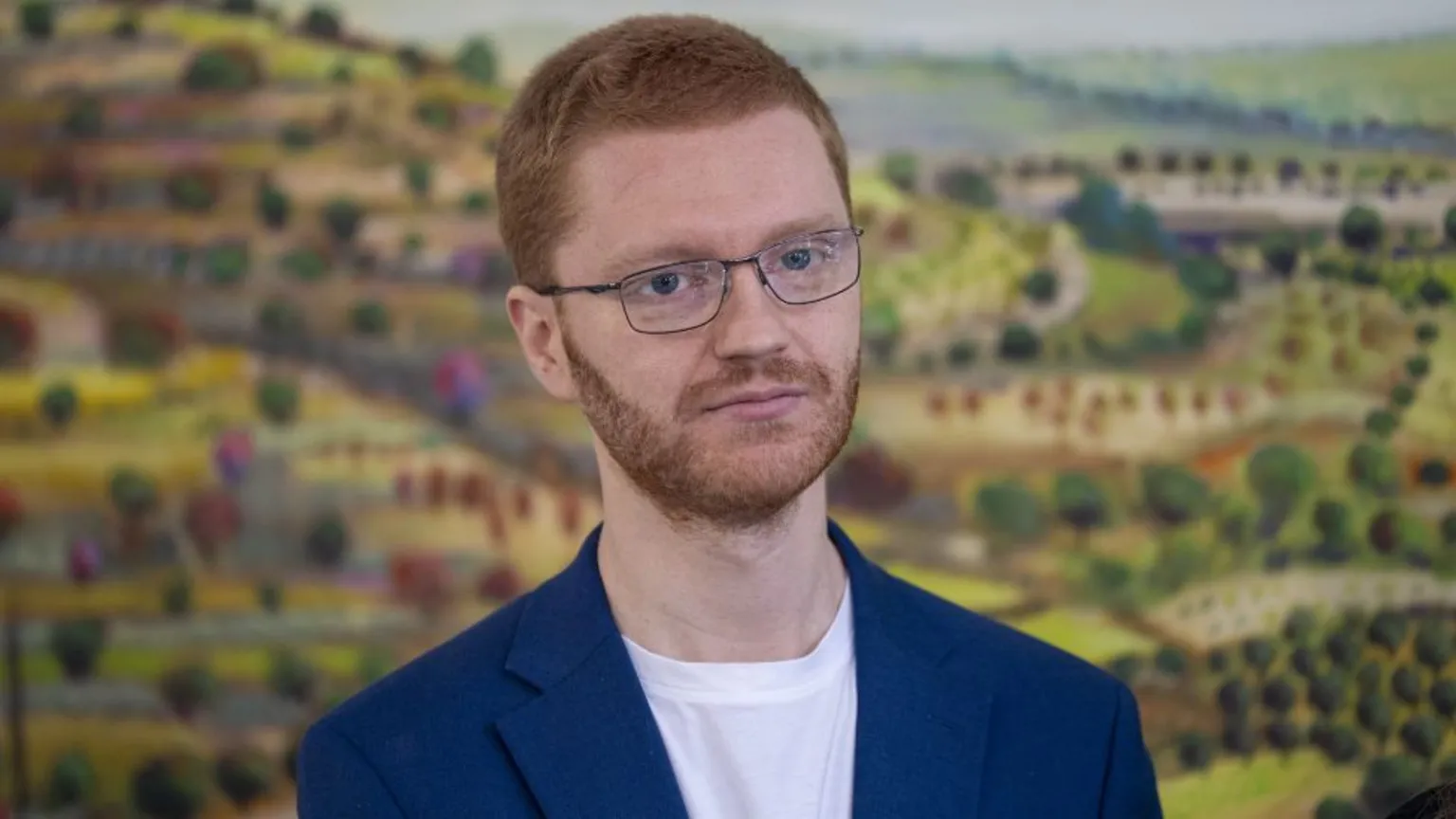
In Edinburgh, Scottish Green co-leader Ross Greer supported an overhaul of the business rates system, which he described as "rigged" in favor of larger companies.
He also called for the Royal Family to begin paying Land and Buildings Transaction Tax on property purchases.
"They need to start paying their fair share so that we can fund Green proposals, like free bus travel for everyone, helping save money during the cost-of-living crisis," he told BBC Scotland News.
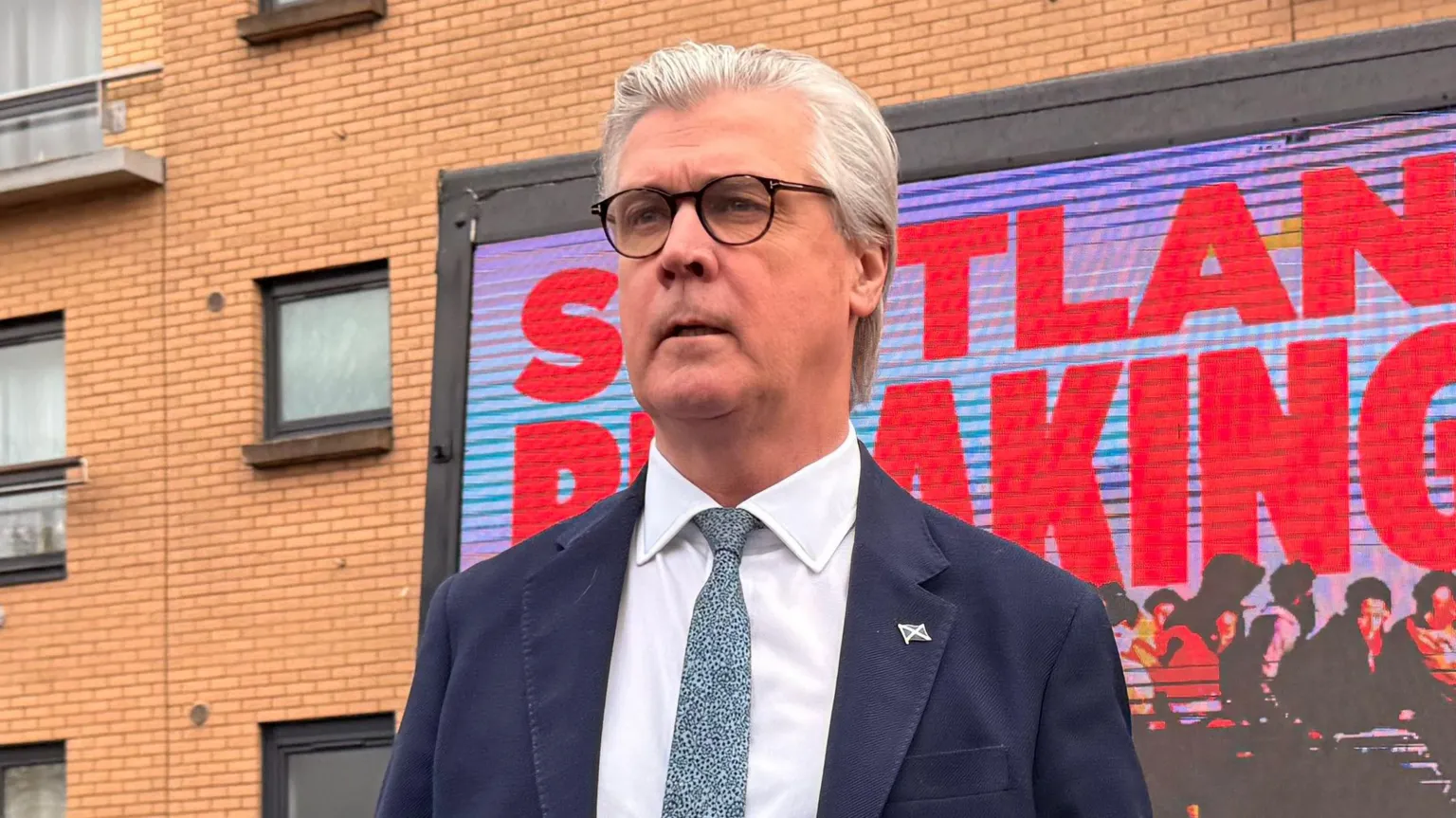
Malcolm Offord, leader of Reform UK in Scotland, announced that his party would reverse business rates increases and gradually phase them out.
At a news conference in Glasgow, Offord described the revaluation as "unfair and dramatic" for businesses and pledged immediate action if his party forms the government after the Holyrood election.
He also urged the UK government to promptly reduce VAT on energy bills.
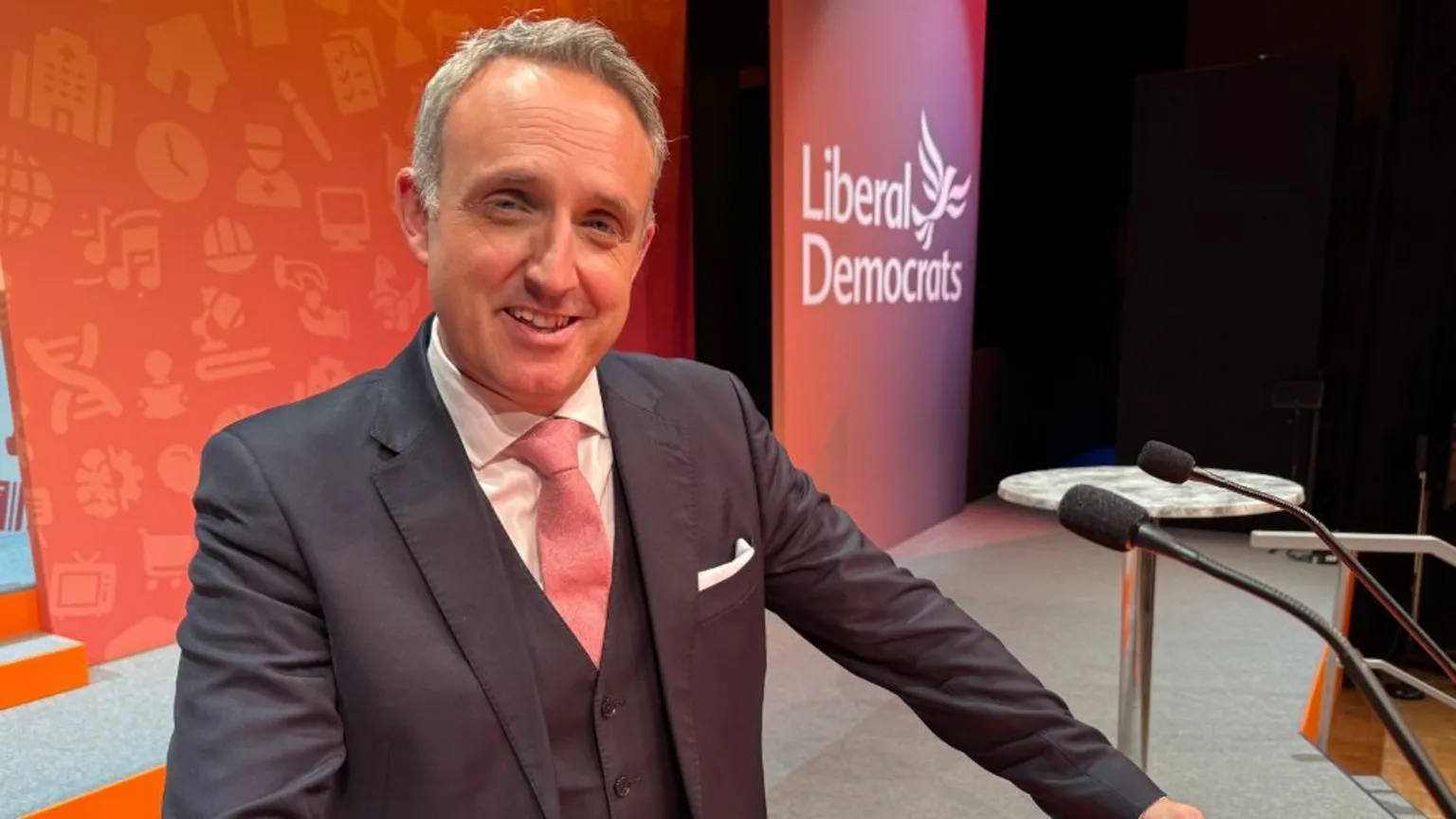
Alex Cole-Hamilton, leader of the Scottish Liberal Democrats, expressed support for reforming the business rates system.
He advocated for greater transparency regarding rate increases and highlighted that his party secured £178 million in business rates relief during this year's Budget negotiations.
Cole-Hamilton described this as a "downpayment" on his party's post-election plans, proposing that rates be based on land value to enable businesses to refurbish without facing excessive increases.
The Liberal Democrats also aim to double the Retail Crime Taskforce budget, improve transport to encourage shoppers back to town centres, and introduce a cap on heating oil prices to reduce household bills.
Context of the Cost of Living Crisis
Many individuals experiencing rising living costs without corresponding increases in wages or income sources may be feeling significant financial pressure.
A recent Savanta survey for BBC Scotland identified cost of living pressures as the top concern among participants ahead of the Holyrood election.
While the Scottish government possesses certain tax and welfare powers to alleviate this burden, the UK government holds substantially greater financial resources.
Therefore, both Holyrood and Westminster bear responsibility for addressing these challenges. However, public finances remain strained after funding furlough schemes during the Covid-19 pandemic and subsidizing energy bills following the onset of the Ukraine war.
UK politicians have limited influence over international actors such as President Trump, Iran, and other parties involved in the Middle East conflict, which is driving current price increases. As with many domestic political issues, the root causes are international.