Qatar's LNG Transformation and Recent Setback
In the early 1990s, Qatar faced significant economic challenges characterized by high debt and weak state revenues. To alter its economic trajectory, the small Gulf nation made a strategic decision to develop its extensive offshore natural gas reserves. A critical component of this strategy was to super chill the gas into liquefied natural gas (LNG) for maritime transport to global markets.
This initiative led to the establishment of Ras Laffan, an industrial city located on Qatar's coast approximately an hour from the capital, Doha. Over the following three decades, Ras Laffan evolved into the world's largest LNG export hub, propelling Qatar to become one of the wealthiest countries worldwide.
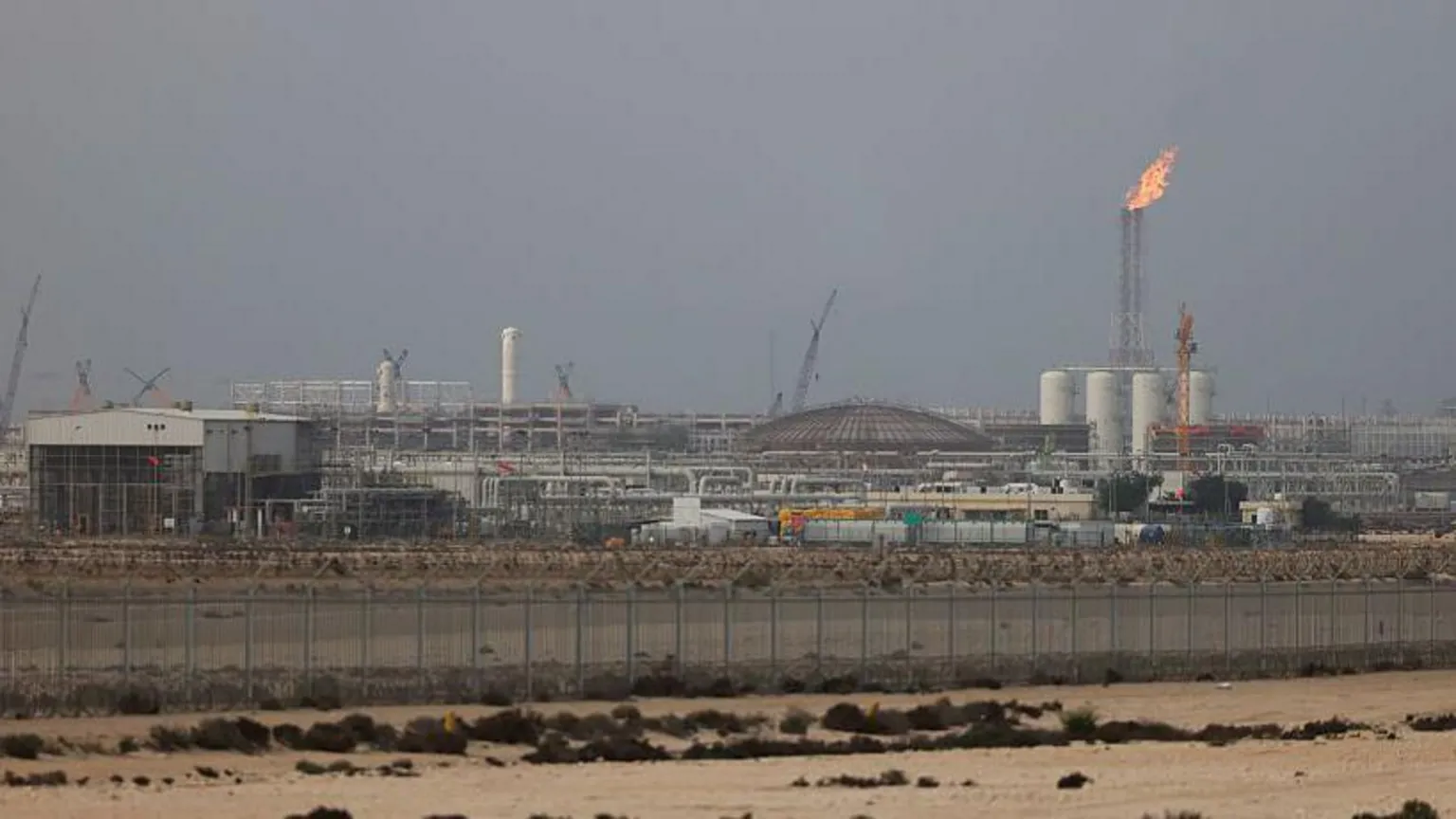
However, on 18 March, this success was severely disrupted when an Iranian ballistic missile struck the primary Ras Laffan gas complex. The attack incapacitated an estimated 17% of the global LNG supply.
The damage is projected to cost QatarEnergy, the state-owned energy company, approximately $20 billion (£15 billion) in annual revenue losses. Key Asian markets, including China, face supply disruptions. Repair efforts are expected to span three to five years.
"The attack was a shock - both to global energy markets, but also to the Gulf states themselves, which are now feeling very vulnerable," said Karen Young, senior research scholar at the Center on Global Energy Policy, Columbia University.
QatarEnergy's CEO Saad Al Kaabi stated the extent of the damage had "set the region back by 10 to 20 years."
The Iranian missile strike followed Israeli airstrikes on Iran's South Pars gas field, which borders Qatar's North Dome field. Together, these fields constitute the world's largest natural gas reserve.
Wider Regional Impact and Economic Damage
The ongoing conflict with Iran has inflicted up to $58 billion in damages across the Gulf, according to estimates. Since the US and Israel initiated strikes on Iran on 28 February, over 80 facilities have been targeted, with more than one-third sustaining severe damage, as reported by the International Energy Agency (IEA). Damage has been recorded not only in Qatar but also in Bahrain, Kuwait, Saudi Arabia, and the United Arab Emirates.
This conflict has precipitated a significant economic shock throughout the region.
The World Bank has reduced its Middle East growth forecast to 1.8% for the current year due to the war, cautioning that the aftermath could result in long-term economic "scarring." Previously, the bank had projected 4% growth for 2026. Qatar and Kuwait are anticipated to experience the most pronounced economic contractions.
Conversely, Saudi Arabia and the UAE have demonstrated greater economic resilience, largely because some of their oil exports bypass the Strait of Hormuz, which Iran has closed.
Justin Alexander, director at consultancy Khalij Economics, commented, "The impact on Gulf states is severe. It is still difficult to fully assess the damage, given the conflict remains unresolved."
"Even if the war were to stop today, there would still be a significant impact before things return to normal," he added.
Energy Infrastructure and Export Challenges
The economic difficulties extend beyond physical damage to energy infrastructure. The closure of the Strait of Hormuz has drastically curtailed oil and gas exports, intensifying economic pressures. This narrow maritime passage typically facilitates approximately 20% of global oil and LNG shipments.
For Gulf producers, the Strait of Hormuz is a critical economic artery. Saudi Arabia has resorted to utilizing its East-West pipeline to transport oil to the Red Sea port of Yanbu, while the UAE employs its Fujairah pipeline to circumvent the strait. However, these alternative routes collectively accommodate less than half the volume usually transported through Hormuz.

The IEA head has described the current situation as the "biggest energy crisis in history." Meanwhile, Qatar's finance minister has cautioned that the full economic repercussions of the Iran conflict have yet to be realized.
Bader Al Saif, professor at Kuwait University and fellow at Chatham House, noted, "The crisis could push countries such as Qatar, Kuwait and Bahrain to develop pipeline networks as alternatives to tanker shipping."
"They can't just rely on one route to transport oil and gas. It's Iran today. It could be some other external threat in the future," he explained.
Broader Economic Consequences
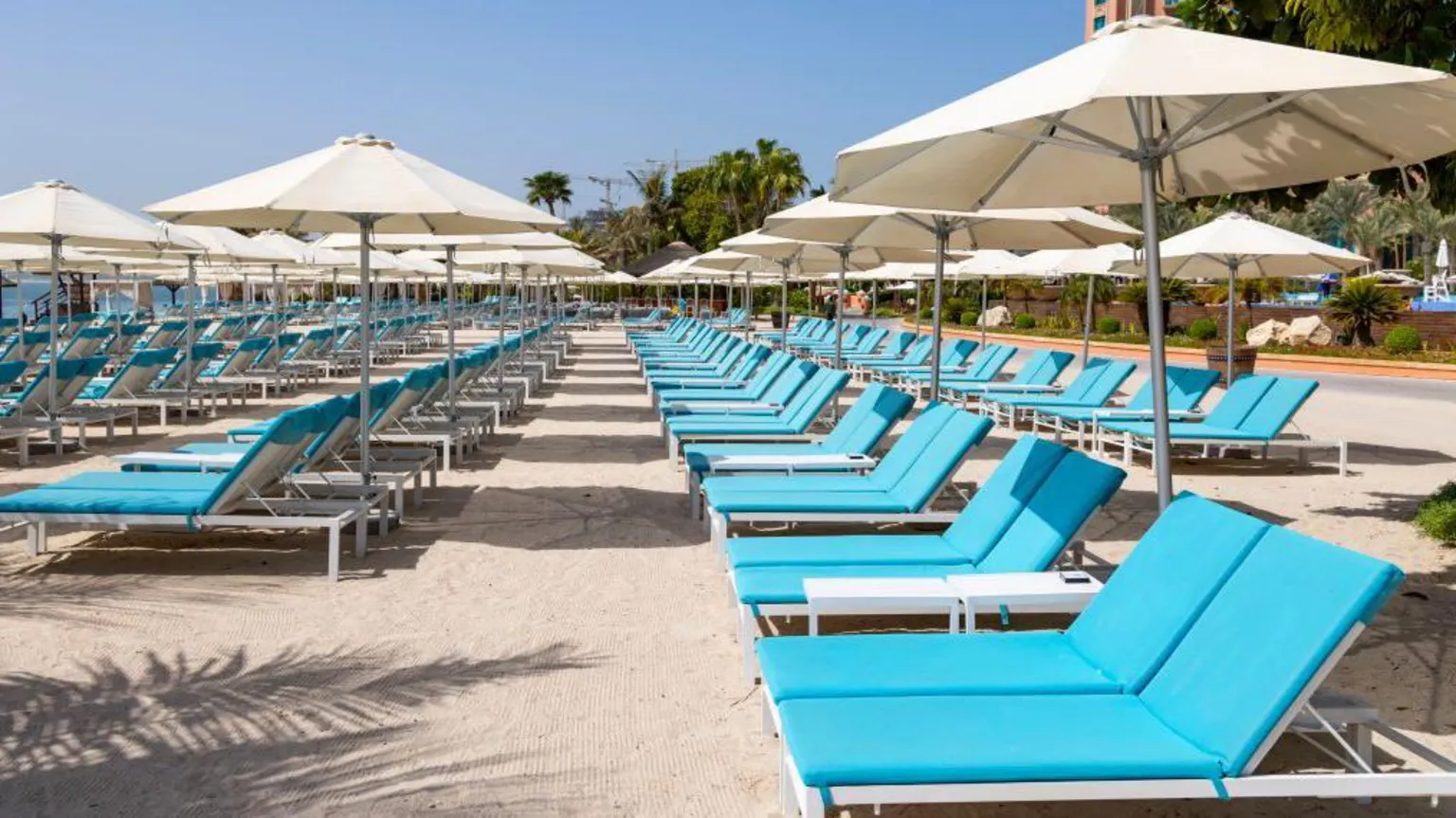
The economic fallout extends beyond the energy sector. Travel and tourism, vital components of economic diversification in several Gulf countries, have suffered significantly. The World Travel & Tourism Council estimated in March that the Middle East has been losing approximately $600 million daily in tourism revenue since the onset of the war.
The UAE, which has invested decades in establishing itself as a global tourism hub, has been particularly affected. Travel and hospitality businesses in Dubai report sharp declines in bookings, increased cancellations, and reduced visitor numbers, resulting in job losses and unpaid leave.
Signs of financial system stress are also emerging. Last month, former US President Donald Trump indicated that the US was considering extending currency swap lines to Gulf allies, including the UAE, to alleviate dollar liquidity pressures. Such arrangements would facilitate easier access to US dollars for central banks.
However, the UAE has downplayed these developments. Yousef Al Otaiba, the UAE ambassador to the US, stated that suggestions of the country requiring external financial support "misread the facts."
Additionally, the UAE has announced its intention to exit the oil producer group OPEC, granting it greater flexibility to increase exports. The UAE was the fourth-largest producer within OPEC, which controls about 37% of global oil supply.
Regional Aid and Economic Diversification Concerns
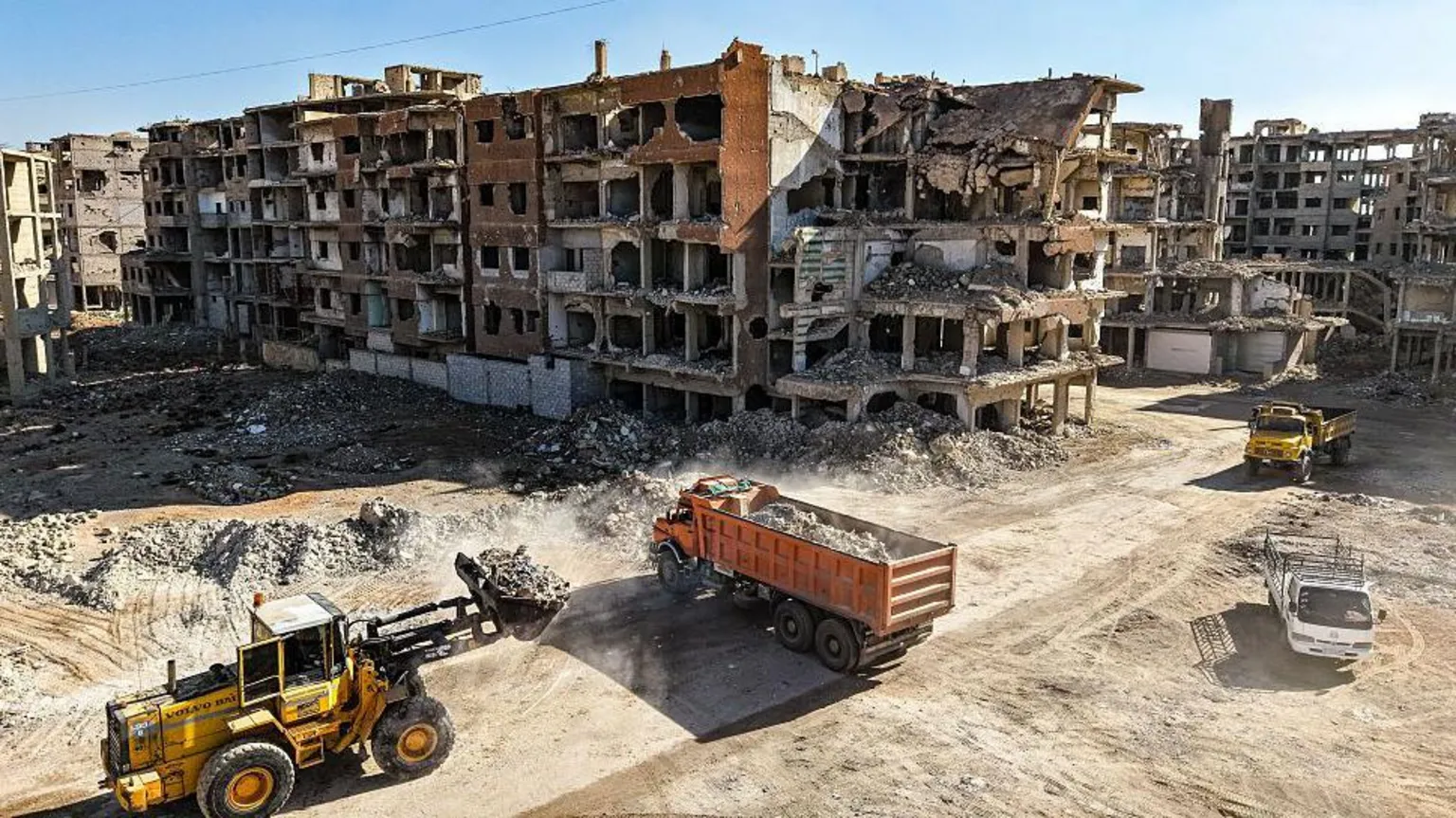
Across the broader Middle East, regions such as Gaza, Lebanon, and Syria remain dependent on financial assistance from oil-rich Gulf states for economic reconstruction. However, this support may face constraints as Gulf governments prioritize rebuilding their own economies.
"The large amounts of aid and investment that perhaps some people in the region need might not be available," Alexander remarked.
The conflict may also impede Gulf nations' economic diversification initiatives, which involve substantial investments in sectors like artificial intelligence, sports, and entertainment to reduce reliance on oil revenues.
Saudi Arabia and the UAE have invested billions to position themselves as regional hubs for AI and technology, aiming to attract highly skilled talent.
Some analysts speculate that Gulf states might reconsider their investments in the US.
"Those committed trillions and billions in the US will be scrutinised again by some countries," said Al Saif.
Concerns persist that without a permanent resolution to the conflict with Iran and assurances that the Strait of Hormuz remains open, the economic strain on the Gulf region could intensify.
"The Gulf states do have to prepare for perhaps an extended period of instability - an unresolved or low-intensity conflict within the region that may continue if there is no deal," Young concluded.